
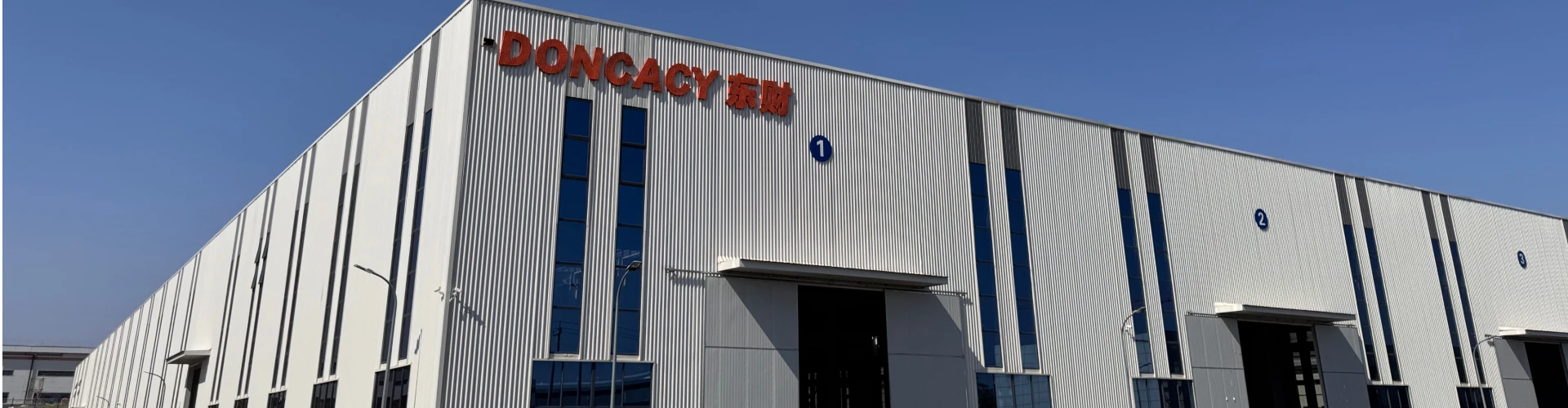
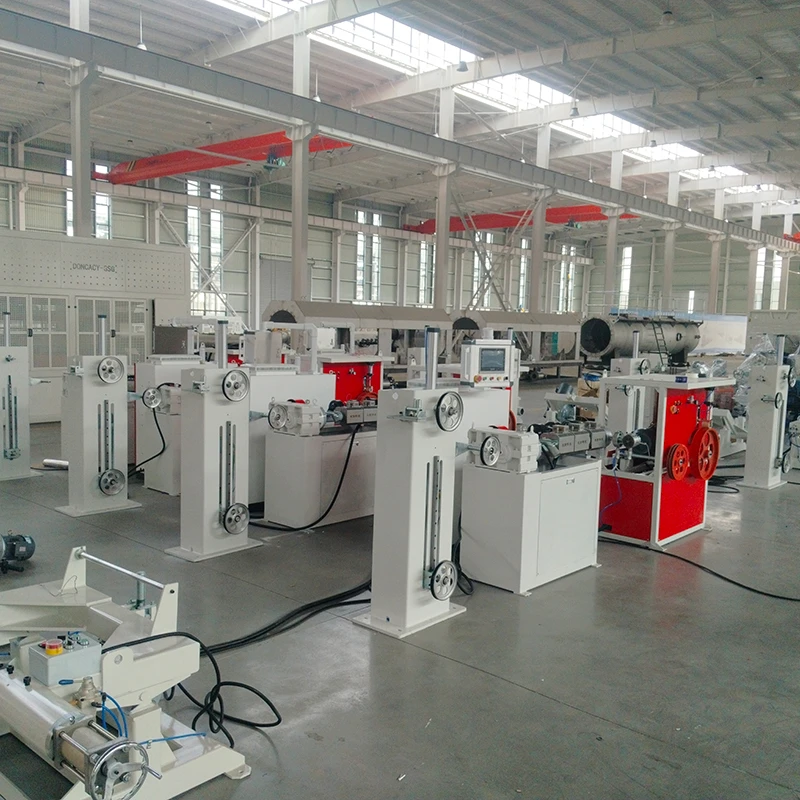
Pipe extrusion production line serves as the backbone of modern pipe manufacturing, integrating multiple processes to transform raw materials like plastic pellets into high-quality pipes used across diverse industries. Unlike traditional manual molding methods, a complete Pipe extrusion production line automates key steps such as material feeding, melting, extrusion, shaping, cooling, and cutting, ensuring consistent pipe dimensions and structural integrity. This automation not only boosts production efficiency but also minimizes human error, making it a preferred choice for large-scale pipe production. Whether producing small-diameter PPR pipes for residential water supply or large-diameter HDPE pipes for municipal projects, Pipe extrusion production line can be adjusted to meet different specifications, showcasing strong adaptability in the pipe manufacturing sector.
Pipe extrusion line, a streamlined version of the Pipe extrusion production line, focuses on optimizing the extrusion process to enhance speed and product quality
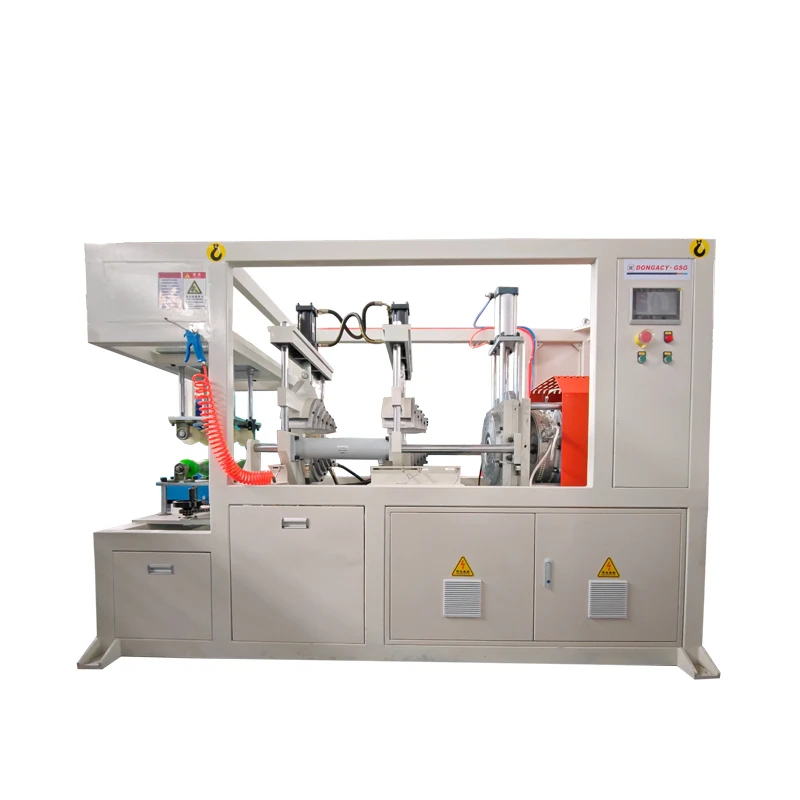
A typical Pipe extrusion line consists of a feeding unit, an extruder, a die head, a cooling system, a haul-off unit, and a cutting machine, each component working in tandem to ensure smooth production. For instance, when processing PPR materials, the Pipe extrusion line precisely controls the heating temperature of the extruder to melt the pellets evenly, while the die head shapes the molten material into the desired pipe structure. The cooling system then rapidly solidifies the pipe to maintain its shape, and the haul-off unit pulls the pipe at a steady speed to ensure uniform wall thickness. This seamless workflow of the Pipe extrusion line makes it ideal for manufacturers looking to balance production speed and product consistency.
Pipe extrusion machine is the core component of both Pipe extrusion production line and Pipe extrusion line, responsible for melting and extruding raw materials
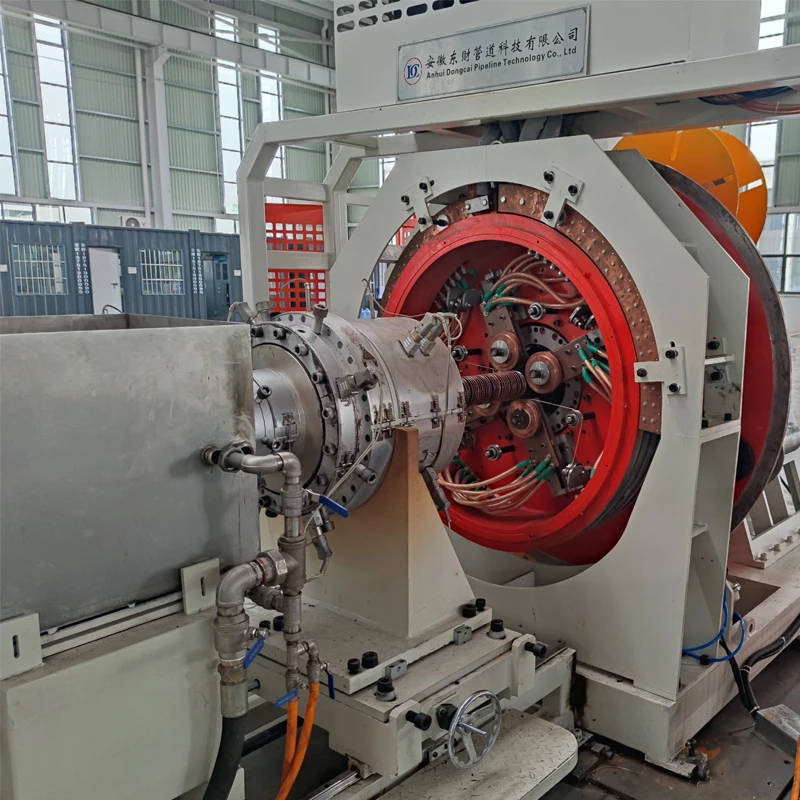
A high-performance Pipe extrusion machine features a screw design that ensures efficient mixing and melting of plastic pellets, reducing energy consumption while improving material utilization. The machine’s heating zones are equipped with precise temperature control systems, which is crucial for processing different materials—for example, PPR requires a lower melting temperature compared to HDPE. Additionally, modern Pipe extrusion machines are designed with easy maintenance in mind, allowing operators to quickly access key parts for cleaning or replacement, minimizing downtime in the production process. Without a reliable Pipe extrusion machine, the entire pipe manufacturing process would struggle to achieve stable and high-quality output.
Pipe extruder, often used interchangeably with Pipe extrusion machine in industry terminology, plays a vital role in determining the final properties of the pipe
The speed of the Pipe extruder’s screw directly affects the extrusion rate, and adjusting this speed allows manufacturers to control the pipe’s production volume according to market demand. Moreover, the Pipe extruder’s ability to handle various raw materials—from PPR and HDPE to PVC—makes it a versatile tool in the pipe industry. For example, when producing pipes for chemical transportation, the Pipe extruder can process corrosion-resistant materials to ensure the pipe’s durability in harsh environments. The robust construction of the Pipe extruder also enables it to operate continuously for long hours, meeting the high-volume production needs of large manufacturing facilities.
PPR pipe extrusion line, a specialized type of Pipe extrusion production line, is tailored for manufacturing PPR pipes widely used in residential and commercial water supply systems
The PPR pipe extrusion line is equipped with unique components to handle the specific properties of PPR material, such as a specialized die head that prevents material degradation during extrusion. It also includes a vacuum calibration system that ensures the pipe’s inner and outer diameters meet strict standards, which is essential for PPR pipes to maintain leak-proof connections. Similar to how HDPE pipe production line products are used in irrigation, drainage, chemical industry, sand pumping, pipe jacking and other fields such as municipal drainage, agriculture, building sewage, chemical industry, petroleum, pharmacy and so on, PPR pipe extrusion line products are mainly applied in indoor water supply, hot water circulation, and heating systems due to PPR’s excellent heat resistance and hygiene performance. The PPR pipe extrusion line also boasts a high degree of automation and stable and reliable production, ensuring consistent quality in every batch of PPR pipes.
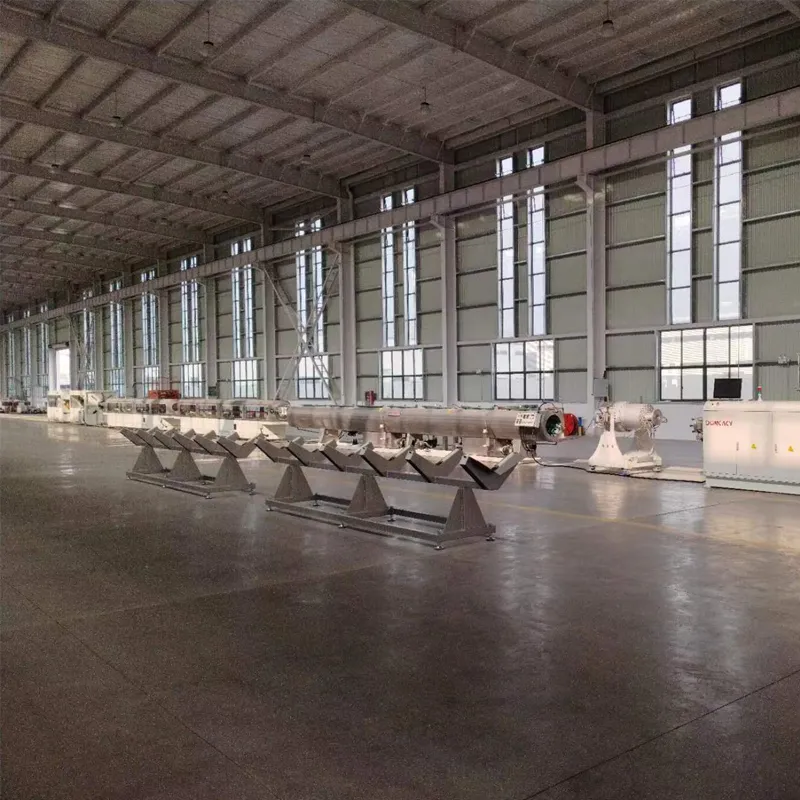
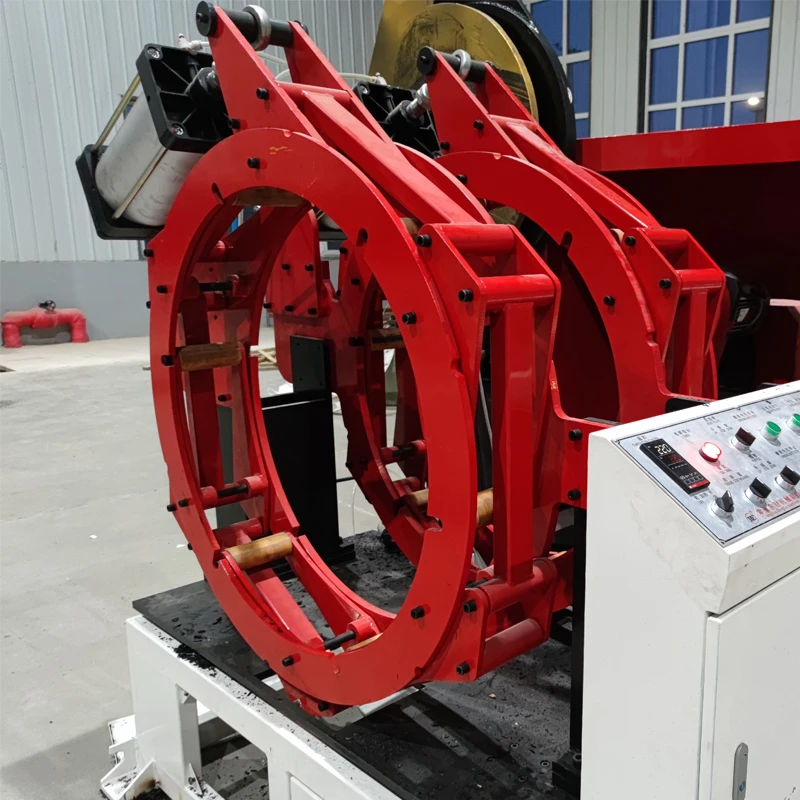
In summary, Pipe extrusion production line, along with its related components and specialized variants like Pipe extrusion line, Pipe extrusion machine, Pipe extruder, and PPR pipe extrusion line, forms a comprehensive system for efficient and high-quality pipe manufacturing. Pipe extrusion production line stands out as the central framework, integrating all necessary processes to meet diverse industry needs, while the other keywords serve as key elements that enhance specific functions—from streamlining production (Pipe extrusion line) to core material processing (Pipe extrusion machine and Pipe extruder) and specialized material manufacturing (PPR pipe extrusion line). Together, they enable the production of pipes used in critical sectors, from municipal engineering to residential infrastructure. As the demand for durable and efficient pipes continues to grow, these equipment and lines will remain essential, driving innovation and reliability in the global pipe manufacturing industry.
Pipe Extrusion Line FAQs
1. What are the typical applications for a pipe extrusion line?
The products manufactured by a pipe extrusion line are extensively utilized in diverse sectors including municipal water supply and drainage systems, agricultural irrigation and drainage networks, building sewage conveyance, chemical industry fluid transfer, petroleum product pipelines, pharmaceutical manufacturing transport, as well as specialized applications such as sand slurry pumping and trenchless pipe jacking operations.
2. How does automation enhance the performance of a pipe extrusion line?
Modern pipe extrusion line incorporates advanced automation systems that precisely control every production parameter from raw material feeding to final pipe coiling or cutting. This high degree of automation ensures consistent wall thickness, uniform diameter, and maintained mechanical properties throughout production runs, significantly reducing human error while improving production efficiency and product quality stability.
3. What material capabilities does a pipe extrusion line possess?
A pipe extrusion line primarily processes high-density polyethylene (HDPE) materials, enabling production of pipes with exceptional chemical resistance, high impact strength, and superior stress crack resistance. The system can be configured to handle various polyethylene grades and additives to manufacture pipes meeting different pressure ratings, temperature requirements, and environmental resistance specifications.
4. What are the key components of a complete pipe extrusion line?
A comprehensive pipe extrusion line integrates several critical subsystems including a dedicated extruder with precision temperature control, vacuum calibration tank for diameter stabilization, closed-loop cooling systems, laser diameter measurement devices, programmable haul-off units, and automatic cutting or coiling equipment. These components work in synchrony to ensure continuous production of high-quality pipes.
5. How does a pipe extrusion line address environmental sustainability?
The pipe extrusion line contributes to environmental protection through energy-efficient drive systems, heat recovery mechanisms, and precise material dosing that minimizes waste. The produced HDPE pipes themselves are fully recyclable, corrosion-resistant for long service life, and enable leak-free fluid transport that prevents environmental contamination.
-
High Efficiency PE Extrusion Line Guide for Plastic ManufacturingNewsApr.16,2026
-
Guide to Choosing High Efficiency ppr pipe extrusion machineNewsApr.09,2026
-
Comprehensive Guide to Modern Pipe Production Line Technologies and OptimizationNewsApr.07,2026
-
Choosing the Right Extrusion Pipe Machine for Optimal Plastic Pipe ProductionNewsApr.04,2026
-
Comprehensive Guide to PPR Pipe Extrusion Line Technology and ApplicationsNewsMar.31,2026
-
Understanding the Functionality and Applications of a Pipe Extruder SystemNewsMar.28,2026
-
Comprehensive Guide to Pipe Extrusion Machine Technology and ApplicationsNewsMar.26,2026


