
This comparison places the Brand-new High Speed Multi Layer Steel Wire Mesh Skeleton Reinforced Polyethylene Composite Pipe Production Line beside the High Speed Steel Wire Mesh Skeleton Reinforced Polyethylene Composite Pipe Production Line. It compares their process layouts, composite construction, finishing equipment, and target applications to help buyers define the right production plan.

Brand-new High Speed Multi Layer Steel Wire Mesh Skeleton Reinforced Polyethylene Composite Pipe Production Line
High Speed Steel Wire Mesh Skeleton Reinforced Polyethylene Composite Pipe Production Line
A polyethylene pipe production line can be organized around different extrusion and reinforcement requirements. This comparison examines the Brand-new High Speed Multi Layer Steel Wire Mesh Skeleton Reinforced Polyethylene Composite Pipe Production Line and the High Speed Steel Wire Mesh Skeleton Reinforced Polyethylene Composite Pipe Production Line.
Both systems are designed for steel wire mesh skeleton reinforced polyethylene composite pipe. The useful purchasing distinction is how each line is configured for production structure, equipment handling, and the markets the finished pipe is intended to serve.
Process layout and line configuration
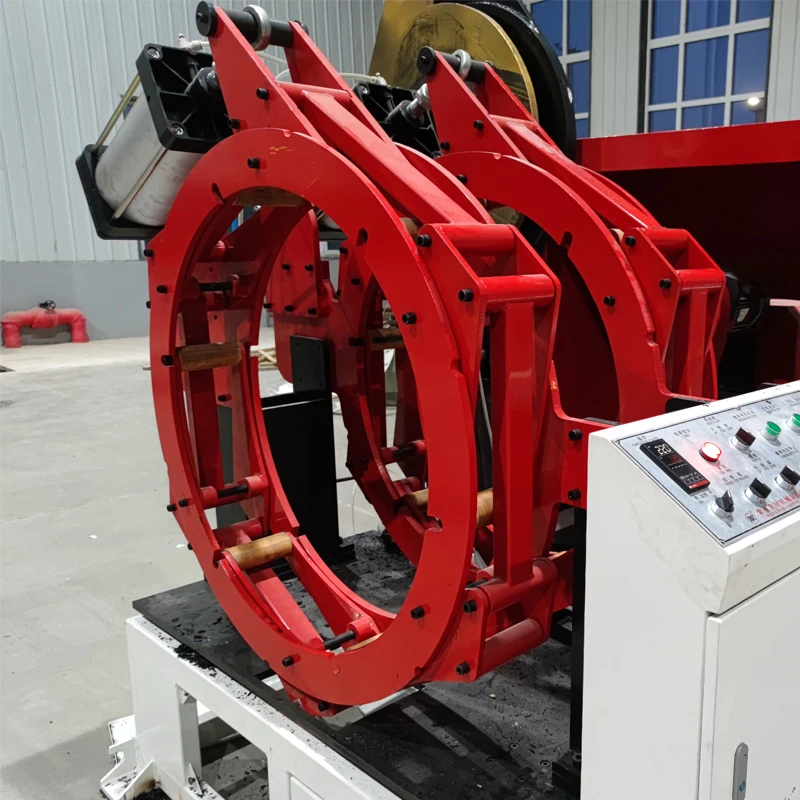
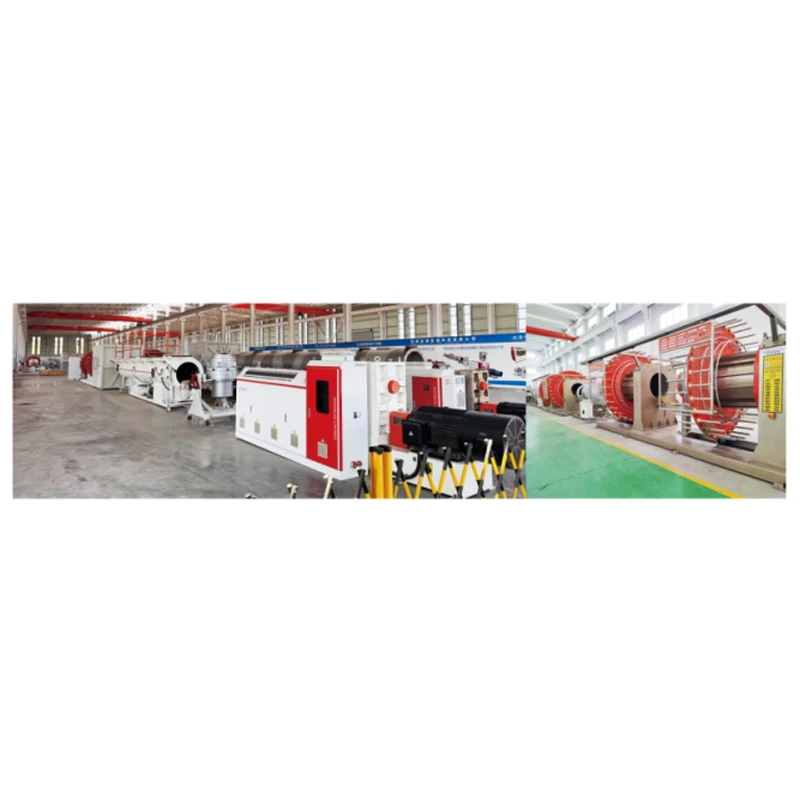
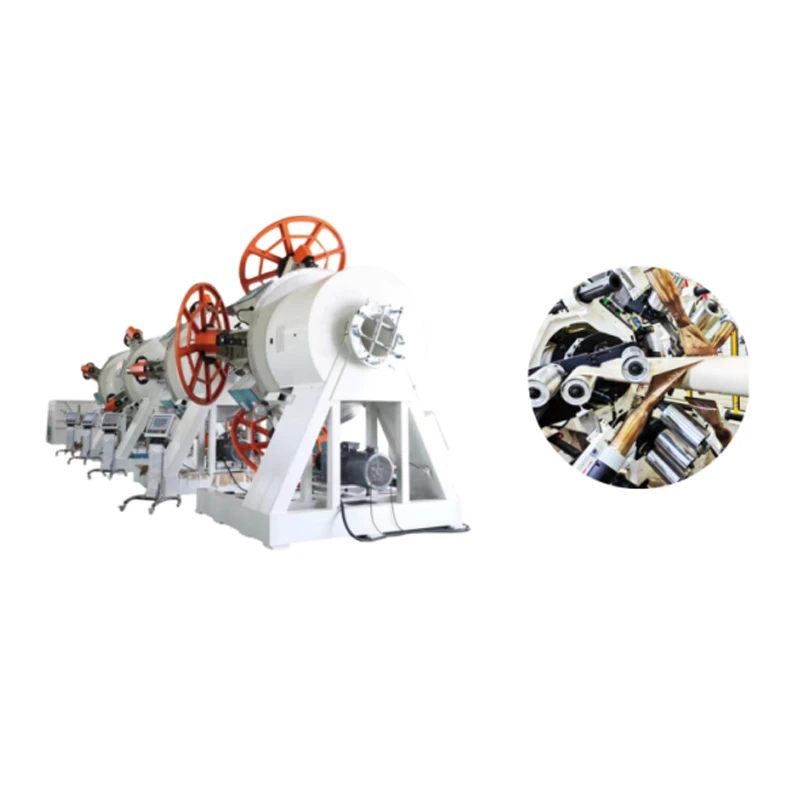
The multi-layer line uses a high-speed extruder, precision die, vacuum setting table, traction unit, cutting machine, and tipping frame. Its process combines multi-layer extrusion and compounding for steel wire mesh skeleton reinforced polyethylene composite pipe.
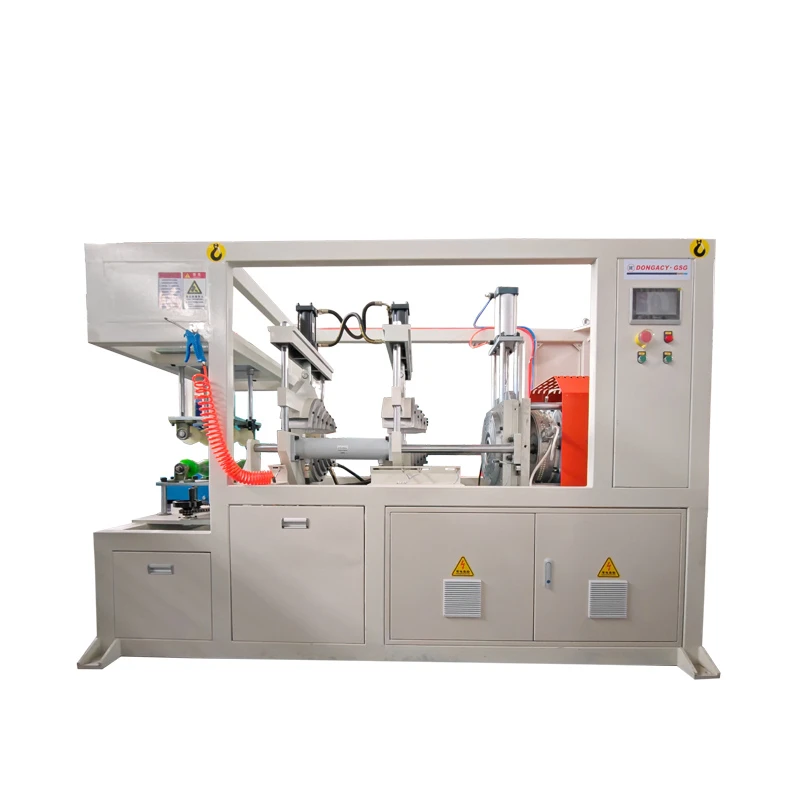
The high-speed line uses a high-speed extruder, precision die, vacuum setting table, traction unit, cutting machine, and a full-automatic sealing machine with a tipping frame. The line uses PLC computer control and is intended for continuous production.
A buyer planning multi-layer extrusion should map the first line around layer arrangement and compounding. A buyer that wants an integrated sealing and tube-handling sequence should examine the second line's full-automatic sealing machine and tipping frame.
Reinforcement and bonding structure
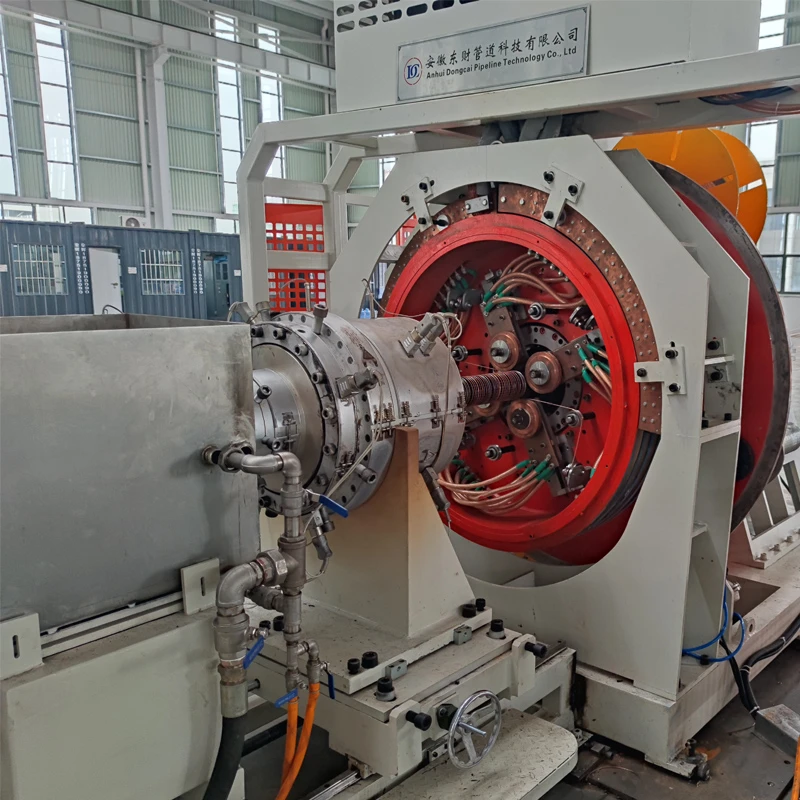
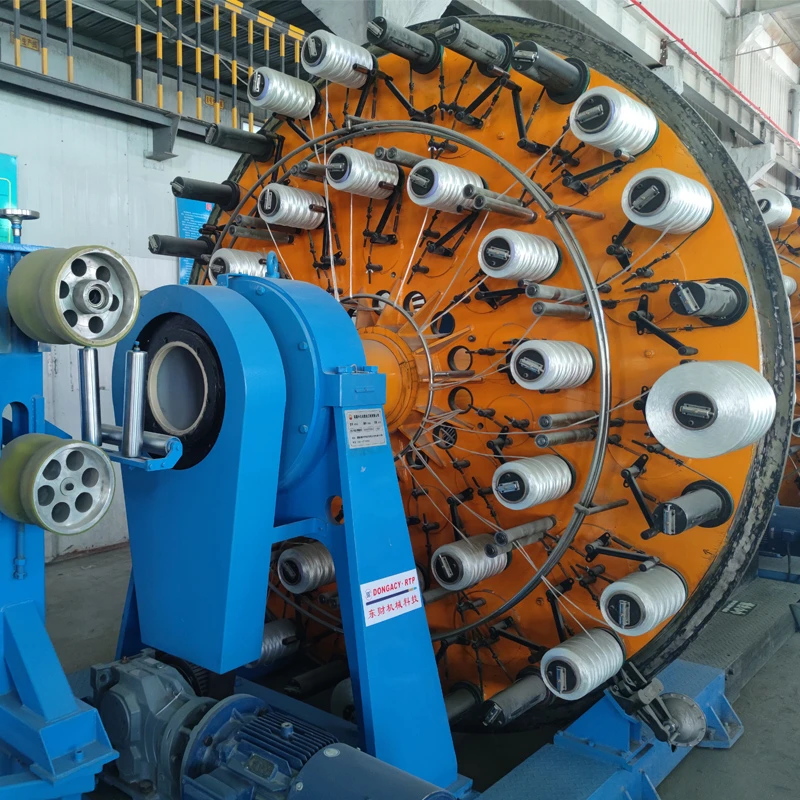
Both lines use a steel wire mesh skeleton as reinforcement, high-density polyethylene as the matrix, and HDPE modified adhesive resin to connect the steel wire skeleton with the inner and outer polyethylene layers. The mesh skeleton is formed by left and right spiral winding of high-strength steel wire.
The multi-layer line places multi-layer extrusion and compounding at the center of its process. The high-speed line describes the steel wire mesh skeleton as embedded in an HDPE matrix, with the adhesive resin joining the reinforcement to the polyethylene layers.
This distinction matters during product planning. Define the number and thickness of polyethylene layers, steel wire diameter, mesh spacing, and adhesive resin before requesting a final line arrangement, so the supplier can match the process to the intended pipe structure.
For a related equipment page, see the Steel Wire Mesh Reinforced Polyethylene Composite Pipe Production Line.
Equipment and finishing sequence
The two lines share the main forming sequence of extrusion, precision die forming, vacuum setting, traction, and cutting. The high-speed line adds PLC computer control, a full-automatic sealing machine, automatic tube unloading, and a tipping frame. Its vacuum box uses 304 stainless steel, with constant-temperature water control and adjustable crossbars at the spray port.
The multi-layer line includes a tipping frame with its core equipment set and emphasizes automated, continuous production. Its equipment arrangement supports multi-layer extrusion and compounding, followed by vacuum setting, traction, cutting, and handling.
Picture the end of a production run when selecting the line. If operators need sealing and automatic tube unloading within the line sequence, the high-speed configuration has those listed units. If the main decision concerns multi-layer pipe construction, review the extruder, die, vacuum setting, traction, cutting, and tipping-frame arrangement against the planned product design.
Application focus
The multi-layer line is intended for pipe production in petroleum, natural gas, chemical industry, power transmission, gold mining, seawater transportation, shipbuilding, agriculture, and optical cable projects. It suits buyers building an industrial or infrastructure product plan around multi-layer composite pipe.
The high-speed line is used for drainage, ventilation, lighting, petroleum, sanitation, pipe trenches, underground cable protection, centralized water supply, and central heating. Its application fields include municipal engineering, industrial engineering, construction engineering, and sanitary pipeline work.
A procurement team serving industrial applications such as petroleum, natural gas, seawater transport, or shipbuilding should start with the multi-layer line's process structure. A team serving municipal, drainage, sanitation, water supply, or heating projects should compare those requirements with the high-speed line's equipment sequence and application focus.
Checks before ordering
Start with the pipe design. Specify the layer arrangement, HDPE matrix, modified adhesive resin, steel wire diameter, mesh spacing, plastic-layer thickness, and target pipe applications. These details define the forming and reinforcement discussion for either polyethylene pipe production line.
Then confirm the equipment sequence and plant layout. Send the supplier the target pipe structure, diameter range, resin details, steel wire dimensions, mesh spacing, output target, and available installation space. Ask the supplier to align the extruder, vacuum setting table, traction and cutting units, sealing equipment, tipping frame, and control arrangement with those requirements.
The people

About the author
The company
Anhui Dongchai Machinery Technology Co., Ltd.
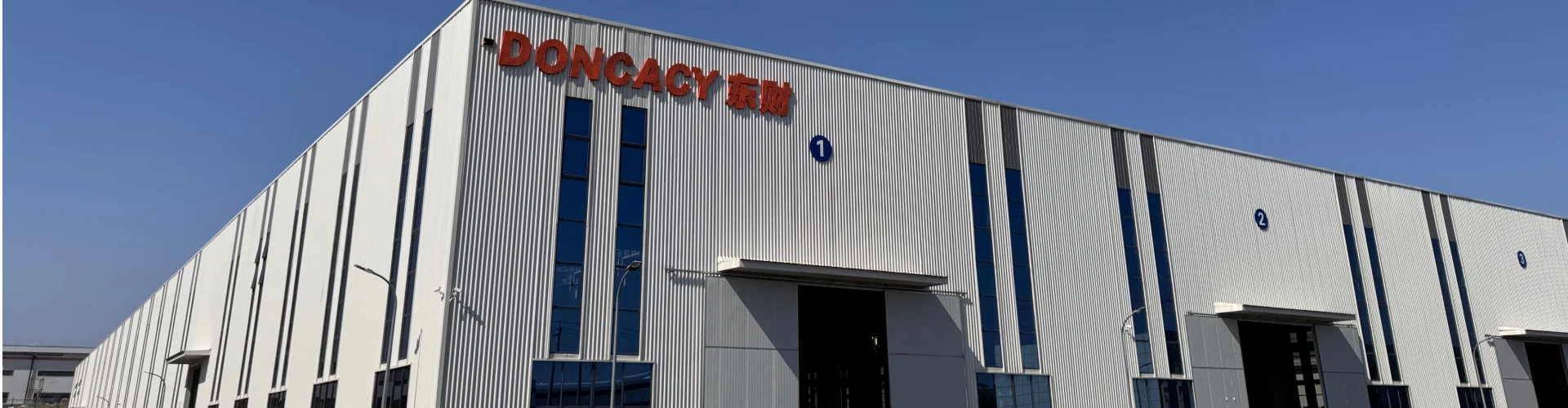
Anhui Dongcai Machinery Technology Co., Ltd. (hereinafter referred to as Dongcai Machinery), located in Chuzhou, Anhui Province, is a world-famous treasure trove of mountains and rivers. The address is located in Chuzhou Economic and Technological Development Zone, Anhui Province, adjacent to the historic city of Nanjing.…
About Us ↗Visit company website ↗Your next step
Bring your brief. Start a useful conversation.
Use case, specification, quantity and delivery window: make the next conversation specific.
-
Comparing High Speed Pipe Extrusion Line Options: HDPE Solid Wall vs. Multi-Model SystemsNewsOct.30,2026
-
Choosing a Composite Pipe Production Line Manufacturer: Application Fit and Specification Checks for Steel Skeleton Reinforced Polyethylene LinesNewsOct.28,2026
-
High Performance PP Extrusion Machine Guide for Plastic ProductionNewsJul.01,2026
-
High Efficiency Industrial Recycled Plastic Extrusion Machine GuideNewsJun.29,2026
-
Optimize Industrial Production with Wire Extrusion MachineNewsJun.27,2026
-
High Precision Extrusion Cutting Machine for Plastic ProductionNewsJun.26,2026
-
Comprehensive Guide to Efficient PVC Extrusion Machine UseNewsJun.25,2026


