
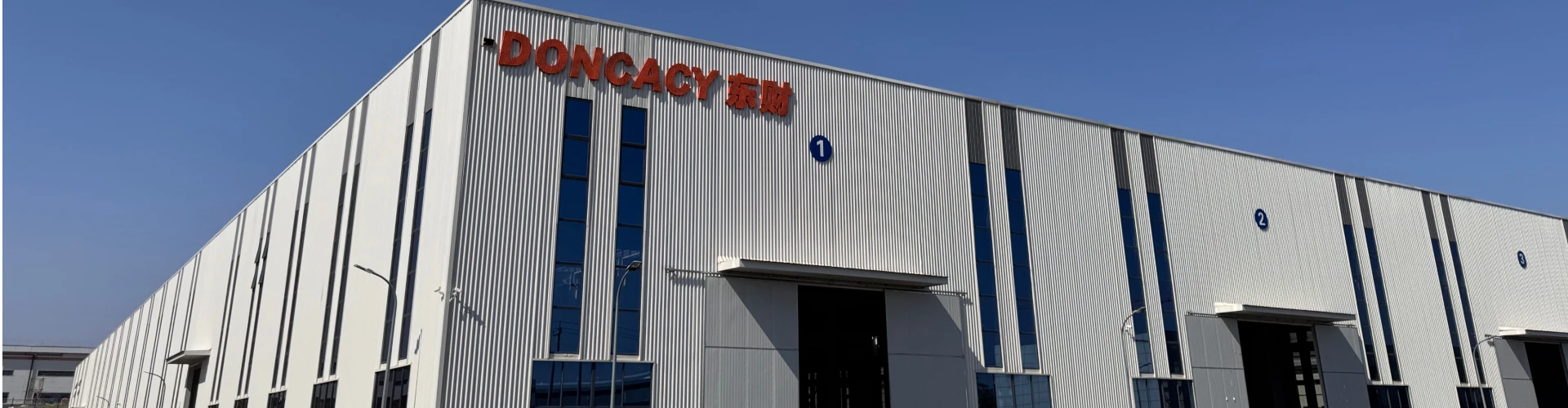
Understanding PVC Pipe Production Line Manufacturers: Why It Matters Globally
If you’ve ever thought about what keeps modern water infrastructure running smoothly, PVC pipes pop right up to mind. Behind these reliable pipes, though, lie complex production lines operated by specialized manufacturers. That’s where pvc pipe production line manufacturers enter the picture — entities producing the machinery and systems essential to making high-quality PVC pipes at an industrial scale. Globally, these manufacturers underpin infrastructure growth, sanitation projects, and even disaster recovery efforts. Understanding their role offers insight into how industries balance efficiency, sustainability, and quality in pipe manufacturing to meet ever-increasing demands.
Global Context: Why PVC Pipe Production Lines Are Critical Today
Across continents, the demand for PVC pipes has skyrocketed — not just because PVC is cheap, but due to its durability and versatility. According to data from the United Nations and the World Bank, over two billion people worldwide still lack reliable access to clean water. This staggering figure frames why manufacturers of PVC pipe production lines are more than just machinery suppliers: they are foundational players in global health and infrastructure development.
But the challenge is huge. Efficient production lines must churn out sizable quantities with consistent quality while minimizing waste and energy. The systems also need to be adaptable to different pipe sizes and standards, especially for export to diverse markets. That’s no easy feat when you’re dealing with materials that require exacting temperature controls and precise extrusion techniques.
Mini takeaway: The global demand for PVC pipes ties directly to public health, raising the stakes for efficient production line manufacturers to innovate and scale.
What Are PVC Pipe Production Line Manufacturers?
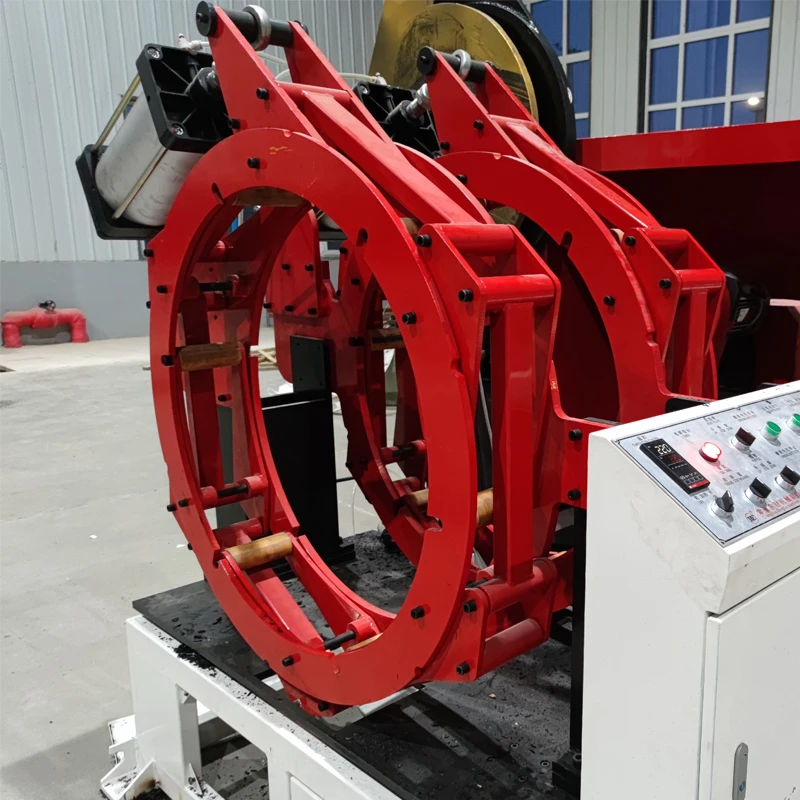
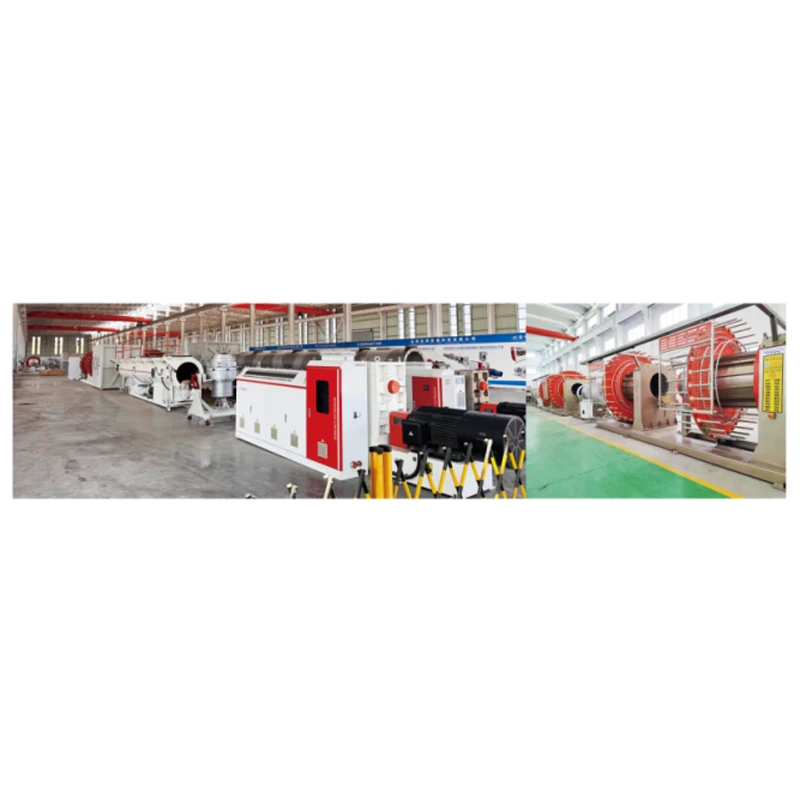
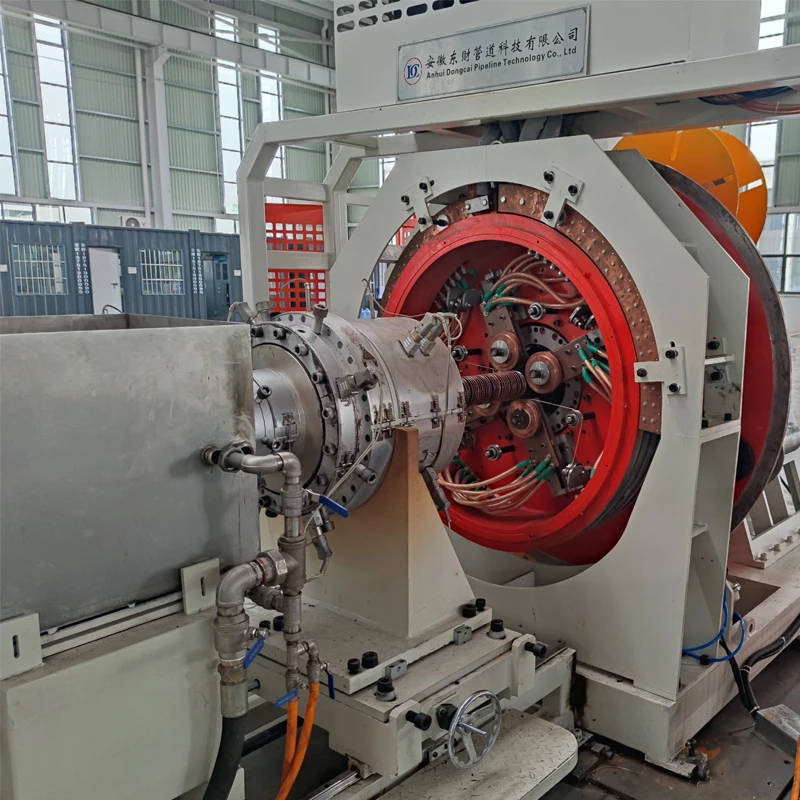
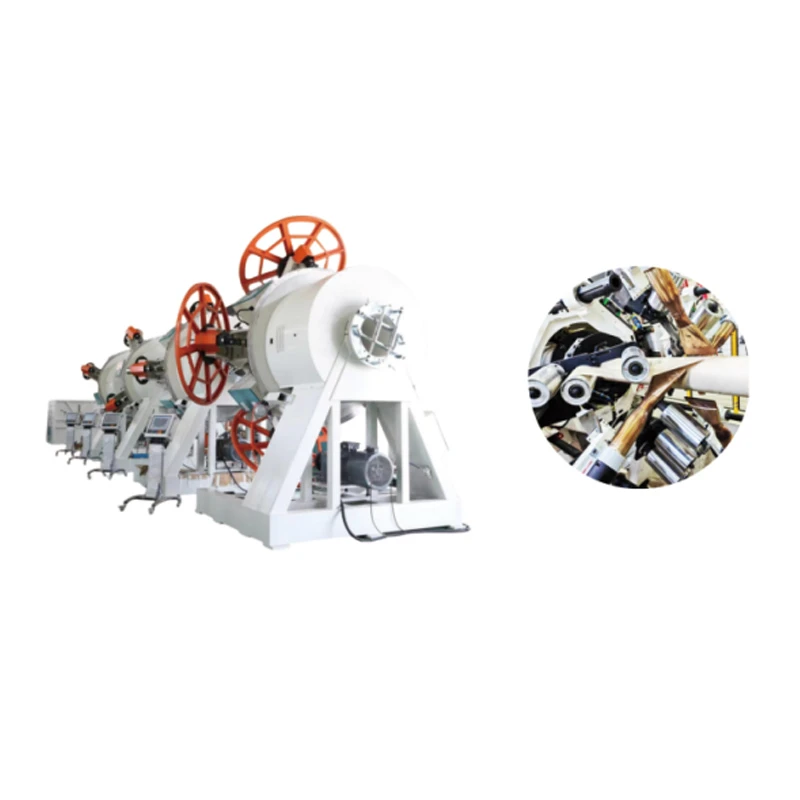
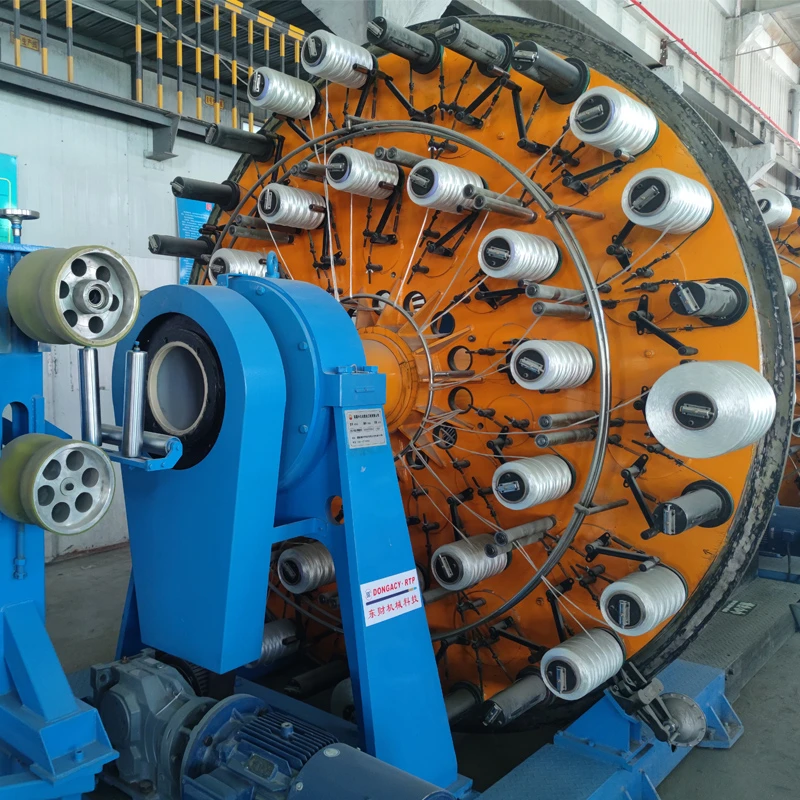
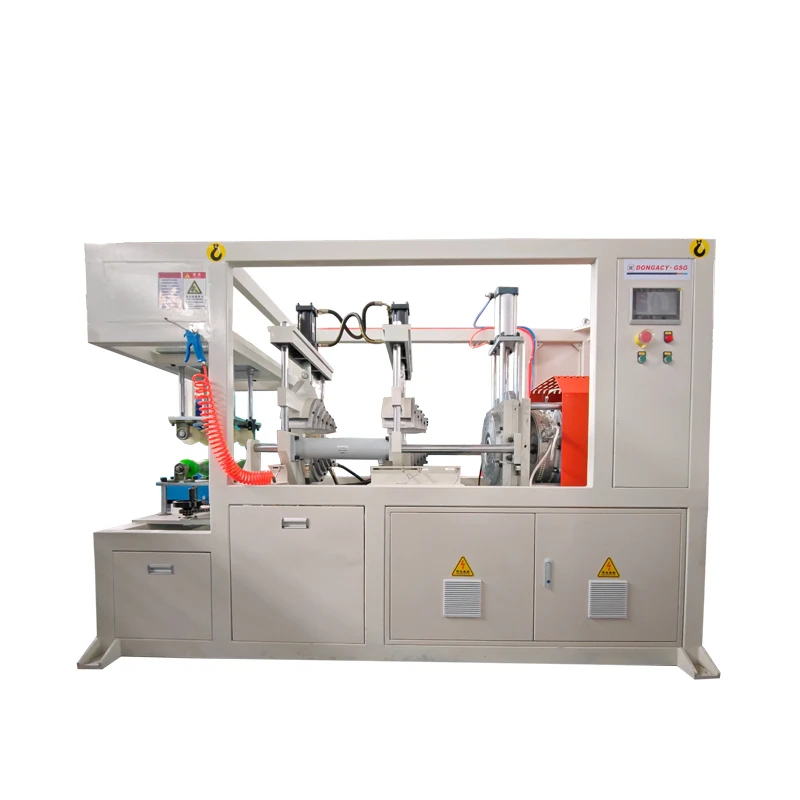
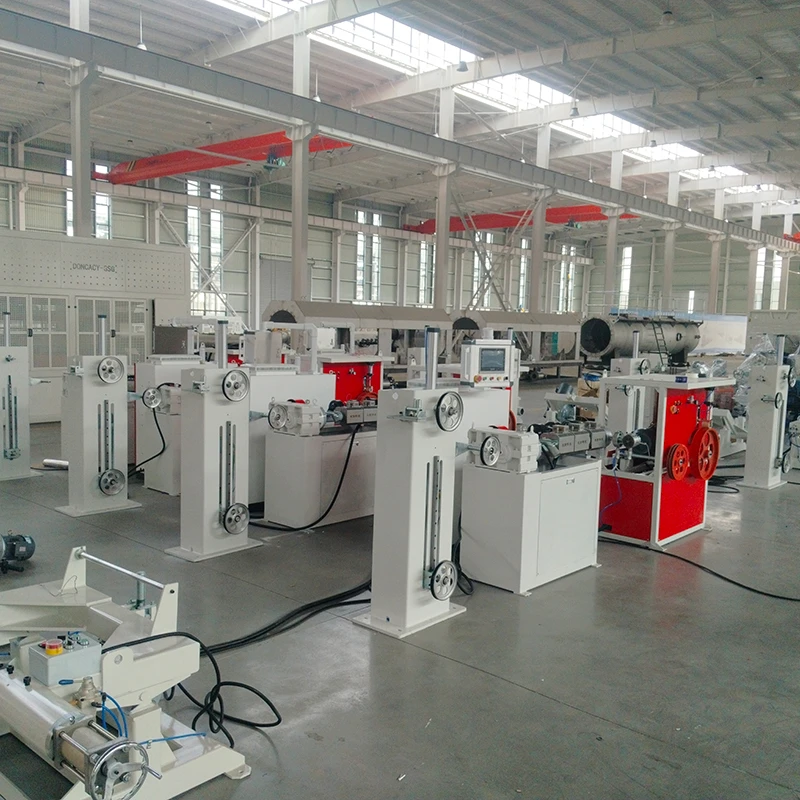
Put simply, these manufacturers design and build the machinery that converts raw PVC pellets into finished pipes. The production line typically includes feeders, extruders, calibration units, cooling tanks, haul-offs, and cutters. These machines work in concert to create pipes meeting specific diameters, thicknesses, and mechanical properties.
In the grand scheme, these manufacturers act as technology enablers for sectors ranging from construction and agriculture to municipal water networks and telecommunications (think conduit pipes for fiber optics). As industries grow more demanding — emphasizing sustainability and automation — so too do the capabilities of production line manufacturers evolve.
Core Components & Key Factors in PVC Pipe Production Lines
1. Durability & Material Handling
Robust design is critical. The machinery must handle abrasive raw materials, high temperatures (PVC melts at roughly 160°C), and continuous operation without faltering. Many manufacturers enhance system durability using corrosion-resistant parts and reinforced extruder barrels.
2. Scalability & Flexibility
Production lines need to scale from small-diameter pipes for household use to massive conduits for industrial pipelines. Flexibility to swap out parts or recalibrate machines helps manufacturers pivot between product lines quickly.
3. Energy Efficiency & Sustainability
With environmental standards tightening globally, many pvc pipe production line manufacturers embed energy-saving technologies — like frequency control motors and heat recovery systems — to reduce the carbon footprint of the manufacturing process.
4. Automation & Quality Control
Smart sensors, coupled with real-time monitoring, improve quality consistency and reduce human error. Automated thickness gauges and surface finish analyzers are common now, ensuring pipes meet certification standards every batch.
5. Cost Efficiency & Maintenance
Modern lines focus on reduced downtime via modular components that are easier to replace or upgrade. This financial pragmatism helps manufacturers keep operational costs low, which trickles down to cheaper pipes for consumers.
Mini takeaway:
Durability, scalability, eco-efficiency, automation, and cost-management form the backbone of successful PVC pipe production systems.
Global Applications & Use Cases of PVC Pipe Production Lines
It’s fascinating how these manufacturing lines impact a spectrum of industries worldwide. For instance:
- Asia & Africa: Rapid urbanization requires massive water pipelines. Countries invest in local production lines to support expanding housing and sanitation projects.
- Post-disaster relief: Emergency setups often use PVC pipes for quick water distribution — reliable, lightweight, and easy to transport.
- Industrial zones in South America: Manufacturing hubs demand custom-size conduits for chemical or electrical robustness.
Interestingly, customization options by manufacturers allow clients to specify unique pipe grades for use in extreme temperatures or aggressive chemical environments.
The Advantages & Lasting Value of PVC Pipe Production Line Manufacturers
Why invest in top-tier production lines? The clear benefits speak to both hard data and softer social impacts.
- Cost savings: Efficient lines reduce waste, labor hours, and energy use — cost which then translates to affordable piping solutions.
- Sustainability: Longer-lasting machinery and recyclable pipe materials help reduce environmental strain.
- Reliability & Safety: Consistent product quality means infrastructure failures are less likely, protecting communities.
- Innovation & Trust: Advanced automation builds user confidence in product uniformity and compliance.
On an emotional level, these investments also support dignity by improving living standards and enabling critical public services worldwide.
Looking Ahead: Trends & Innovations in PVC Pipe Production
It’s an exciting time. Manufacturers increasingly integrate:
- Green technologies: The adoption of bio-based PVC and renewable energy-powered lines is gaining momentum.
- Digital transformation: AI-driven predictive maintenance and IoT-enabled monitoring are cutting downtime.
- Automation upgrades: Robotics in handling and packaging reduce manual labor and increase safety.
These advancements promise not only cost and time efficiencies but also greater sustainability — a pressing concern underscored by ISO 14001 environmental standards.
Common Challenges and How Manufacturers Address Them
Of course, it’s not all smooth sailing. Some ongoing hurdles include:
- High initial investment outlay
- Complex technical skills required for operation and maintenance
- Supply chain issues affecting raw PVC pellet quality
Producers are tackling these with modular lines that simplify upgrades, comprehensive training programs, and partnerships with reliable resin suppliers to ensure raw material consistency.
Practical FAQ on PVC Pipe Production Line Manufacturers
Q1: What factors should I consider when choosing a PVC pipe production line manufacturer?
A: Look for manufacturers offering scalable systems with reliable after-sales service. Energy efficiency, automation features, and customization options also matter depending on your production goals.
Q2: How long does a typical PVC pipe production line last?
A: With proper maintenance, production lines often last 10–15 years, although some components may require upgrades or replacements sooner.
Q3: Can these production lines be adapted for different pipe diameters?
A: Yes! Most manufacturers design flexible extrusion lines to handle a variety of diameters and thicknesses by swapping molds and adjusting processing parameters.
Q4: Is it feasible for small-scale manufacturers to compete using advanced PVC pipe production lines?
A: Absolutely. Modular and semi-automatic lines are available that offer affordability without compromising too much on quality and throughput.
Q5: How do automation advances improve product quality?
A: Automation reduces human errors and ensures real-time quality monitoring, meaning defects are caught earlier and batches maintain consistency.
Specification Table: Typical PVC Pipe Production Line Features
| Component | Specification | Notes |
|---|---|---|
| Extruder Type | Single Screw / Twin Screw | Twin screw for better mixing |
| Pipe Diameter Range | 16 mm - 630 mm | Varies by line model |
| Line Speed | 5 - 15 m/min | Adjustable based on pipe diameter |
| Automation Level | Semi-automatic / Fully automatic | PLC-based controls common |
| Energy Consumption | Approx. 60-80 kW | Varies with line size and speed |
Vendor Comparison: Top PVC Pipe Production Line Manufacturers
| Manufacturer | Automation | Customization | Energy Efficiency | Global Reach |
|---|---|---|---|---|
| AlphaLine Tech | Full automation | High | Excellent (LED displays, heat recovery) | Asia, Africa, Europe |
| BetaMachinery | Semi-automatic | Medium | Good | North & South America |
| Gamma Equip | Manual to semi-auto | Low to medium | Average | Europe, Middle East |
Wrapping Up: Why You Should Care About PVC Pipe Production Line Manufacturers
Thinking about pvc pipe production line manufacturers might not be the flashiest topic at first glance, but it’s a profoundly important part of how our world runs. These manufacturers supply the essential machinery that creates the PVC pipes holding water in our taps, protecting electrical cables, and building infrastructure vital for modern life. As global challenges push for sustainability, efficiency, and adaptability, these production lines evolve too — embracing automation, green technologies, and smarter designs.
For anyone involved in manufacturing, urban planning, or even humanitarian logistics, understanding the strengths and developments of PVC pipe production lines is both an opportunity and a necessity. Curious to learn more or explore cutting-edge solutions? Don’t hesitate — visit our website: https://www.ahdc11.com and see how modern manufacturing is shaping tomorrow’s piping infrastructure.
References:
- United Nations on Water and Sanitation
- ISO 14001 Environmental Management
- Wikipedia: Polyvinyl Chloride (PVC)
“Working closely with a local production line manufacturer in Southeast Asia, one client reduced water pipe production costs by over 15% — all by upgrading to an energy-efficient extrusion system.” This kind of result reflects the power and promise of investing wisely in these specialized manufacturers.
-
High Efficiency PE Extrusion Line Guide for Plastic ManufacturingNewsApr.16,2026
-
High Speed Steel Wire Mesh HDPE Composite Pipe Production Line - Anhui Dongchai|High Automation&Energy EfficiencyNewsApr.13,2026
-
High Speed Steel Wire Mesh HDPE Composite Pipe Production Line - Anhui Dongchai|High Automation&Energy EfficiencyNewsApr.13,2026
-
Guide to Choosing High Efficiency ppr pipe extrusion machineNewsApr.09,2026
-
Comprehensive Guide to Modern Pipe Production Line Technologies and OptimizationNewsApr.07,2026
-
Choosing the Right Extrusion Pipe Machine for Optimal Plastic Pipe ProductionNewsApr.04,2026
-
Comprehensive Guide to PPR Pipe Extrusion Line Technology and ApplicationsNewsMar.31,2026


