
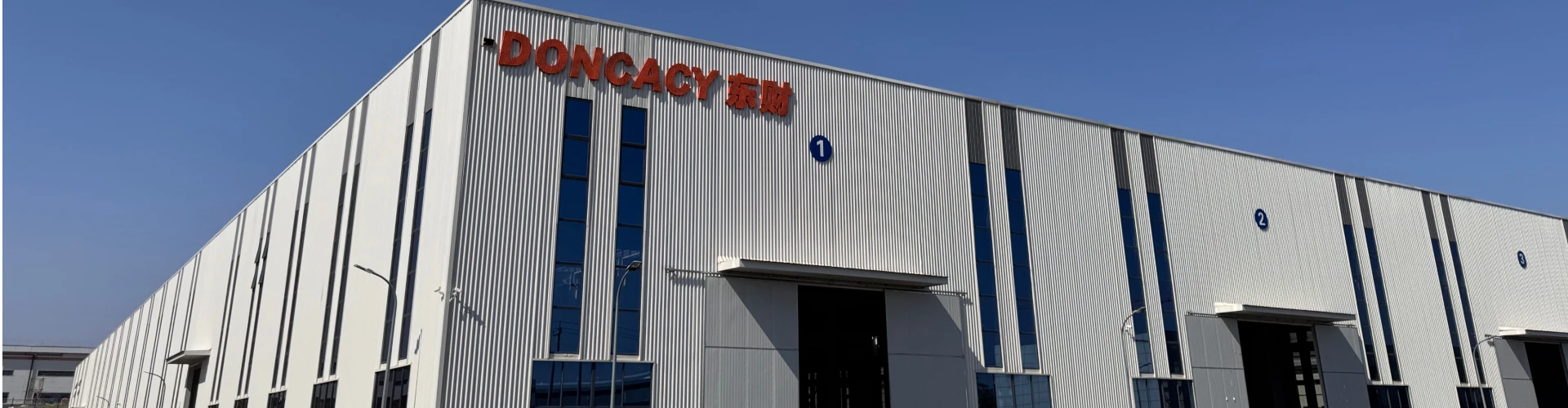
What Is a PVC Pipe Extruder and Why It Matters Globally
In the vast world of industrial manufacturing, one machine quietly drives billions of essential water, gas, and electrical connections worldwide — the pvc pipe extruder. Essentially, this equipment shapes raw plastic material into consistent, durable pipes used in everything from home plumbing to large-scale infrastructure projects. While it might sound niche, understanding how pvc pipe extruders work is crucial in tackling global challenges like water scarcity, urban development, and sustainable construction. As populations grow and infrastructure ages, having reliable pipe manufacturing technologies becomes non-negotiable.
The Global Pulse: Why PVC Pipe Extruders Are a Big Deal
Globally, plastic piping — with PVC as one of the top materials — accounts for billions of meters produced annually. According to the International Organization for Standardization (ISO), the demand for plastic pipes is expected to grow by 5-7% annually through 2030. This growth traces back largely to urbanization in Asia, Africa, and parts of Latin America, where workforce and environmental challenges demand affordable, durable solutions.
Yet, the challenge is manufacturing pipes that are lightweight but strong, cost-efficient yet sustainable. That’s precisely where pvc pipe extruders come in: they can shape pipes to exact specifications quickly, minimizing material waste and energy consumption.
For instance, the United Nations Water (UN Water) programs highlight the urgent need for reliable water supply and sanitation systems. PVC piping, manufactured via extrusion, offers an affordable way to build these systems fast without compromising quality — a lifeline for emergency relief and long-term development alike.
Defining the PVC Pipe Extruder: More Than Just a Machine
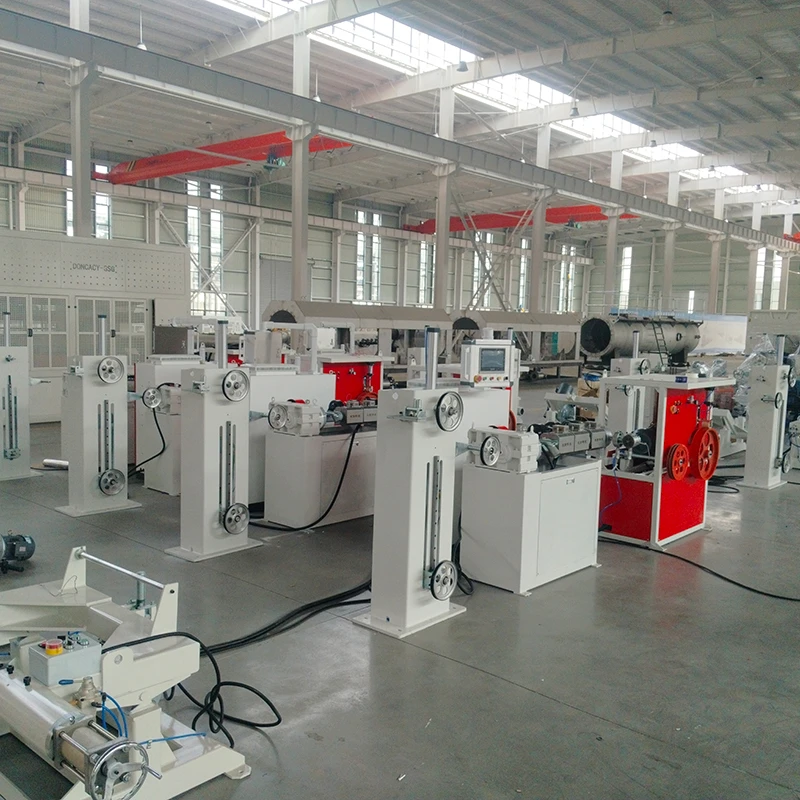
Put simply, a pvc pipe extruder is a machine designed to melt plastic granules and push them through a shaped die to form continuous lengths of pipe. Imagine squeezing icing through a star-shaped nozzle — except instead of frosting, it’s molten plastic, and instead of a cake, it’s thousands of feet of pipe.
But beyond the simple imagery, these extruders embody modern manufacturing’s emphasis on efficiency, precision, and adaptability. They are crucial in producing pipes that meet strict standards for pressure, temperature resistance, and environmental safety — fundamental in sectors like construction, irrigation, and even medical gases.
Core Components & Key Factors Behind Effective Extrusion
1. Durability of Output
Engineers designing pvc pipe extruders are very focused on the integrity of the final pipe. This means achieving a uniform wall thickness and consistent density, making sure pipes can withstand high pressures or aggressive substances without cracking or warping.
2. Scalability and Throughput
The scales of operation vary wildly—from small workshops producing a few hundred meters daily to large plants churning out tens of kilometers. A good extruder balances speed with precision, ensuring no compromise on product quality as volumes increase.
3. Cost Efficiency & Material Use
Material waste is a silent killer of profits and planet alike. The extrusion process is optimized to recycle offcuts and minimize scrap, making pvc pipe extruders attractive for businesses chasing sustainability. Plus, with energy-efficient motors and heating elements, operational costs stay down.
4. Automation & Control Features
Modern extruders are no longer manual beasts. Sophisticated temperature control, pressure monitoring, and automatic thickness adjustments ensure consistent output, even as conditions or material batches vary.
5. Versatility in Pipe Dimensions
Whether the need is for tiny irrigation pipes or larger sewer conduits, adaptable extrusion lines can switch between diameters and wall thicknesses quickly—saving downtime.
Mini takeaway:
Understanding these key factors helps clarify why the pvc pipe extruder is a backbone of modern pipe manufacturing—combining reliability, speed, and eco-conscious design all in one.
Global Applications: Where and How PVC Pipe Extruders Make an Impact
PVC pipes produced by extruders dot the globe’s infrastructure. In developing countries, they provide affordable irrigation channels that support food security. In Europe and North America, these pipes form the arteries of urban water and gas systems.
Consider post-disaster zones, like after hurricanes or floods: the quick mobilization of water and sewage pipes can restore sanitary conditions in days, not months. Remote mining or industrial sites use extruded PVC pipes for rugged, corrosion-resistant conduits without the hefty weight of metals.
Global NGOs and governments alike invest in extrusion technology for decentralized manufacturing — which cuts import delays and empowers local economies. China, India, Brazil, and Mexico lead with huge extrusion capacities, underpinning their infrastructure programs.
Specification at a Glance: Typical PVC Pipe Extruder
| Specification | Typical Value |
|---|---|
| Screw Diameter | 45-90 mm |
| Output Capacity | 100–1000 kg/hour |
| Pipe Diameter Range | 16–630 mm |
| Max. Pipe Thickness | Up to 25 mm |
| Heating Zones | 4-7 |
| Power Supply | 380V, 3-phase, 50Hz |
Vendor Comparison: Leading PVC Pipe Extruder Suppliers
| Supplier | Max Pipe Diameter (mm) | Automation Level | Typical Application | Price Range (USD) |
|---|---|---|---|---|
| Global Pipes Inc. | 500 | Full Automation | Large-scale utilities, municipal | $100k - $350k |
| EcoTube Solutions | 250 | Semi-Automated | Agriculture, irrigation | $35k - $90k |
| UrbanFlow Tech | 630 | Full Automation | Industrial, sewage systems | $150k - $400k |
Advantages & Long-Term Value of PVC Pipe Extrusion
What really pulls many manufacturers toward investing in pvc pipe extruders is the blend of tangible and intangible benefits. Cost-wise, extrusion cuts down material wastage and speeds up production cycles, making pipelines cheaper. Durability-wise, PVC pipes resist corrosion, chemicals, and weather extremes better than metal alternatives, lowering maintenance headaches.
On a more emotional level, providing clean water systems through extruded pipes means better health, dignity, and trust for communities. It’s almost poetic — sophisticated machines crafting humble pipes that literally carry life.
Future Trends & Innovations Pushing PVC Pipe Extruders Forward
Looking forward, two big trends stand out for pvc pipe extrusion:
- Green Materials: Biodegradable additives and recycled PVC compounds reduce environmental impact. Some extruders optimize energy use by integrating smart sensors and variable frequency drives (VFDs).
- Digital & Automation Integration: Industry 4.0 principles are transforming extrusion — predictive maintenance, real-time quality control, and IoT-enabled systems bring consistency with minimal human intervention.
The intersection of sustainability and intelligence is reshaping how these machines contribute to infrastructure worldwide.
Common Challenges & Practical Solutions
Of course, no technology is perfect. Common hurdles with pvc pipe extruders include managing fluctuating raw material quality, avoiding machine downtime, and meeting ever-tightening industry standards.
Innovative solutions revolve around enhanced material drying systems, modular machine design for easier repair, and implementing ISO-certified quality assurance programs. Also, staff training and supplier partnerships play vital roles in overcoming operational challenges.
FAQ: Your PVC Pipe Extruder Questions Answered
Q1: How difficult is it to switch between different pipe diameters on a pvc pipe extruder?
A: Most modern extruders are designed for relatively quick changeovers, using interchangeable dies and adjustable parameters. Depending on the machine, it can take anywhere from 30 minutes to a couple of hours. Advanced automation can further shorten this.
Q2: Can PVC pipes made by extrusion be used for drinking water applications?
A: Yes, extruded PVC pipes are widely used in potable water systems. They must meet regulatory compliance like NSF/ANSI 61 for drinking water safety and be produced in controlled environments to avoid contamination.
Q3: How does extruder automation improve product quality?
A: Automation enables precise temperature and pressure control, reducing human errors. This ensures pipe wall thickness remains consistent and the pipe surface is smooth, reducing failure risks.
Q4: Is it feasible to set up a pvc pipe extrusion unit in remote or developing areas?
A: Absolutely, and it’s increasingly common. Compact models with less energy consumption and semi-automated controls allow setup even where power and technical skills are limited.
Conclusion: The Pipe to Progress
Unassuming yet vital, the pvc pipe extruder quietly fuels the world’s demand for durable and affordable piping solutions. By enabling fast, cost-effective production of high-quality pipes, it supports critical infrastructure that underpins health, safety, and growth. Whether you’re a manufacturer upgrading capacity or a planner seeking sustainable solutions, understanding the extrusion landscape is key to staying ahead.
If you want to explore reliable and efficient pvc pipe extruders, don’t hesitate to visit our website: https://www.ahdc11.com.
References
-
High Efficiency PE Extrusion Line Guide for Plastic ManufacturingNewsApr.16,2026
-
High Speed Steel Wire Mesh HDPE Composite Pipe Production Line - Anhui Dongchai|High Automation&Energy EfficiencyNewsApr.13,2026
-
High Speed Steel Wire Mesh HDPE Composite Pipe Production Line - Anhui Dongchai|High Automation&Energy EfficiencyNewsApr.13,2026
-
Guide to Choosing High Efficiency ppr pipe extrusion machineNewsApr.09,2026
-
Comprehensive Guide to Modern Pipe Production Line Technologies and OptimizationNewsApr.07,2026
-
Choosing the Right Extrusion Pipe Machine for Optimal Plastic Pipe ProductionNewsApr.04,2026
-
Comprehensive Guide to PPR Pipe Extrusion Line Technology and ApplicationsNewsMar.31,2026


