
Why the PVC Pipe Extrusion Machine Deserves Your Attention
If you’ve ever looked at the ubiquitous, durable PVC pipes running underground or across our cities, you might not think twice. But the humble pvc pipe extrusion machine plays a pivotal role in shaping modern infrastructure the world over. Why does it matter so much? Because this technology drives the mass production of PVC pipes, which are essential for everything from clean water delivery to telecommunications.
Globally, as urbanization speeds up and infrastructure projects multiply, understanding the machinery behind PVC pipe manufacturing is no mere niche interest — it’s a window into fundamental progress. Better extrusion machines mean pipes that last longer, cost less, and get installed faster. For engineers, manufacturers, and humanitarian agencies alike, that’s a serious game-changer.
Global Context: Why PVC Pipe Extrusion Machines Are More Crucial Than Ever
The world’s demand for reliable piping systems is soaring. The United Nations reports over 2 billion people still lack access to safe drinking water, underpinning massive infrastructure investments across Asia, Africa, and Latin America. According to a 2023 report from the World Bank, global spending on water and sanitation infrastructure is expected to cross $900 billion by 2030. PVC pipes, produced through extrusion, have become the front-runners in these investments — thanks to affordability, longevity, and ease of installation.
At the same time, climate change pressures, such as unpredictable floods and droughts, stress the need for adaptable, durable piping systems. Here’s where the extrusion machines come in: They need to consistently churn out flawless pipes tailored for a variety of climates and pressures.
What Exactly Is a PVC Pipe Extrusion Machine?
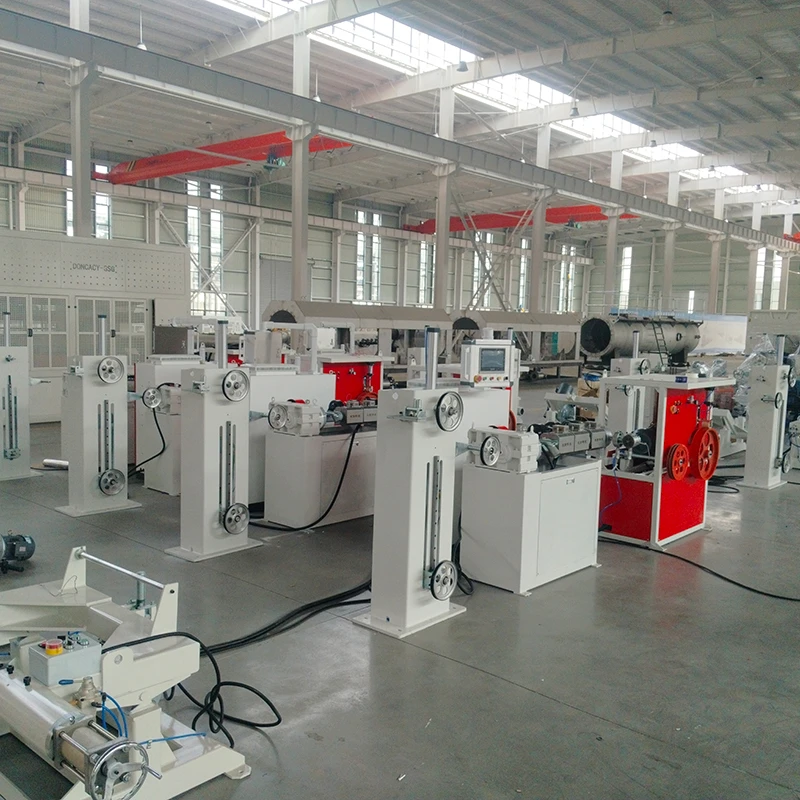
In plain terms, a pvc pipe extrusion machine is specialized equipment used to manufacture PVC pipes by melting raw plastic resin pellets and forcing them through a shaped die. The continuous stream that emerges is then cooled, cut, and finished into pipes that vary in diameter and thickness.
This technology is not just about making pipes; it’s about enabling systems that secure water supply, telecom networks, irrigation, and even more innovative applications. For example, humanitarian organizations rely on quickly produced PVC pipes to restore water lines after disasters. So, extrusion machines sit at a fascinating crossroad between industry and social impact.
Key Components of PVC Pipe Extrusion Machines
1. Precision Screw and Barrel
The heart of the extrusion process, the screw turns to melt and mix the PVC resin uniformly. Engineers often say the screw design dictates product quality and output rates.
2. Die Head
This shapes the molten PVC into the desired pipe dimension and profile. Subtle tweaks here can change pipe wall thickness, diameter, and even customization like co-extruded layers.
3. Cooling System
Once extruded, the pipe needs rapid cooling to harden while avoiding deformation. Most machines use water baths or spray cooling systems — clever but sometimes finicky.
4. Haul-off and Cutting Mechanism
These parts pull the pipes steadily and cut them to length. Proper synchronization is essential to prevent warping or jams, especially at high speed.
5. Automation & Control Panel
Modern machines integrate PLC (Programmable Logic Controller) systems that monitor temperatures, torque, speed, and output quality, reducing human error and increasing consistency.
A quick takeaway:
A pvc pipe extrusion machine isn’t a single gadget — it’s a synced symphony of components, each influencing efficiency, quality, and adaptability.
How PVC Pipe Extrusion Machines Fuel Economy and Society Globally
Interestingly, these extrusion lines aren’t limited to factories in developed countries. In regions such as Southeast Asia, Africa, and South America, local extrusion plants empower communities by affordable pipe production, cutting import reliance.
- Infrastructure Projects: Governments use extruded PVC pipes extensively for water supply, sewage, and gas distribution.
- Disaster Recovery: After floods or earthquakes, quickly fabricated pipes restore clean water based systems, vital for public health.
- Agricultural Irrigation: Remote farming regions benefit from durable and cost-effective pipes to optimize water usage.
- Telecommunications: PVC conduit pipes protect fiber optic cables, crucial for internet expansion.
One memorable case involved a flood-impacted region in Bangladesh, where mobile extrusion units produced PVC pipes on-site to rapidly reconnect water supply — slashing downtime dramatically.
Mini summary:
Worldwide, pvc pipe extrusion machines underpin more than industry — they are key to social resilience, economic development, and improved quality of life.
Advantages & Long-Term Benefits of Using PVC Pipe Extrusion Machines
Looking beyond the obvious speed and volume benefits, extrusion machines contribute to:
- Cost Efficiency: High output with minimal waste reduces material costs.
- Customization: Ability to vary dimensions and incorporate multi-layer pipes for enhanced strength or flexibility.
- Energy Efficiency: Contemporary machines consume less power with smart controls.
- Durability & Safety: Pipes made are resistant to corrosion, chemical damage, and have long service lives (50+ years in many cases).
- Social Impact: By enabling affordable infrastructure, they improve health outcomes and community well-being.
Frankly, it’s not just a factory device; it’s a long-term investment in smarter, safer cities.
Looking Ahead: Trends Shaping the Future of PVC Pipe Extrusion Technology
Technology marches on, and extrusion machines are no exception. Here are a few exciting directions:
- Automation & AI: Smarter control systems predict faults before they happen, adjusting parameters in real-time.
- Green Materials: Incorporation of recycled PVC and bioplastics to reduce environmental footprint.
- Energy Optimization: More efficient motors and heating systems to reduce power consumption.
- Modular & Mobile Units: Portable extrusion machines for rapid on-site pipe production in remote or emergency zones.
Overcoming Challenges in PVC Pipe Extrusion Production
Of course, it’s not all straightforward. Common headaches include:
- Quality Consistency: Variations in raw material batches can wreak havoc on output.
- Maintenance Costs: Precise components need regular upkeep to avoid costly downtime.
- Environmental Concerns: PVC production involves hazardous chemicals; handling waste responsibly remains critical.
Experts recommend regular staff training, investing in quality raw materials, and adopting greener additives to mitigate these risks. Plus, pvc pipe extrusion machine manufacturers are innovating more robust and eco-friendly units every year.
Common Questions About PVC Pipe Extrusion Machines
- Q: How fast can a typical PVC pipe extrusion machine produce pipes?
- A: Most industrial machines produce between 50 to 150 meters of pipe per minute, depending on pipe diameter and material mix.
- Q: Can extrusion machines handle different pipe diameters?
- A: Yes, by swapping die heads and adjusting settings, the machines can manufacture a wide range of pipe sizes from small conduits to large water mains.
- Q: What’s the expected lifespan of pipes made by extrusion machines?
- PVC pipes usually last between 50 to 100 years under normal conditions, especially when manufactured with quality control in mind.
- Q: Are mobile extrusion machines effective for emergency response?
- Absolutely. Mobile units provide flexibility for rapid supply restoration in disaster-hit areas, minimizing reliance on shipped materials.
Product Specification Table
| Specification | Value |
|---|---|
| Pipe Diameter Range | 16mm to 315mm |
| Output Speed | Up to 120 m/min |
| Power Consumption | 40 - 70 kW |
| Automation Level | PLC Controlled |
| Cooling Method | Water Bath & Spray |
| Material Compatibility | PVC, CPVC, PE blend |
Vendor Comparison Table for PVC Pipe Extrusion Machines
| Feature | Vendor A | Vendor B | Vendor C |
|---|---|---|---|
| Max Pipe Diameter | 315 mm | 250 mm | 315 mm |
| Energy Efficiency | High | Medium | High |
| Automation Level | Full PLC | Semi-automatic | Full PLC |
| Environmental Features | Recycling ready | Standard | Bio-additive compatible |
| Price Range (USD) | $95,000 - $120,000 | $70,000 - $85,000 | $110,000 - $130,000 |
Wrapping Up the PVC Pipe Extrusion Story
Looking back, it’s clear a pvc pipe extrusion machine is way more than an assembly line device. It stands at the foundation of modern infrastructure, enabling safe water, resilient cities, and even emergency relief work. As technology evolves, these machines will become even more efficient, adaptable, and greener — reflecting our global push towards sustainability.
If you’re considering investing or just curious, don’t overlook the real-world impacts behind this machinery. For a deeper dive, explore options and specs at pvc pipe extrusion machine resources online, or get in touch with manufacturers who can tailor solutions to your needs.
Final takeaway:
Behind every dependable pipe beneath your feet is a reliable extrusion machine, quietly shaping a better future.
References & Further Reading
-
High Efficiency PE Extrusion Line Guide for Plastic ManufacturingNewsApr.16,2026
-
High Speed Steel Wire Mesh HDPE Composite Pipe Production Line - Anhui Dongchai|High Automation&Energy EfficiencyNewsApr.13,2026
-
High Speed Steel Wire Mesh HDPE Composite Pipe Production Line - Anhui Dongchai|High Automation&Energy EfficiencyNewsApr.13,2026
-
Guide to Choosing High Efficiency ppr pipe extrusion machineNewsApr.09,2026
-
Comprehensive Guide to Modern Pipe Production Line Technologies and OptimizationNewsApr.07,2026
-
Choosing the Right Extrusion Pipe Machine for Optimal Plastic Pipe ProductionNewsApr.04,2026
-
Comprehensive Guide to PPR Pipe Extrusion Line Technology and ApplicationsNewsMar.31,2026


