
Understanding the Global Importance of PVC Sheet Extrusion Machines
In today's manufacturing landscape, the pvc sheet extrusion machine quietly powers a massive sector of plastic production, enabling everything from construction panels to protective packaging. Why does it matter? Because PVC sheets bridge the gap between raw materials and countless everyday products, especially in emerging economies where affordable, durable materials matter a lot.
Globally, with the plastic industry expected to grow steadily, the efficiency and quality of extrusion technology can dictate production costs and environmental footprints. Learning about these machines isn’t just for engineers — it’s for anyone tuned into how modern materials shape our world, from infrastructure to humanitarian aid.
Introducing PVC Sheet Extrusion Machines: Industry Context and Global Relevance
The extrusion of PVC sheets is more than a manufacturing step; it's a global enabler. According to recent data from the International Organization for Standardization (ISO), PVC accounts for around 20% of the world's plastic consumption. The demand rises with urbanization and industrial demands, especially in construction and packaging.
However, a major challenge faced worldwide is producing large volumes of consistent-quality sheets while minimizing energy and raw material waste. Here, the pvc sheet extrusion machine makes a difference. It optimizes production speed and quality control, which is critical when serving markets that require both affordability and performance.
What Exactly Is a PVC Sheet Extrusion Machine?
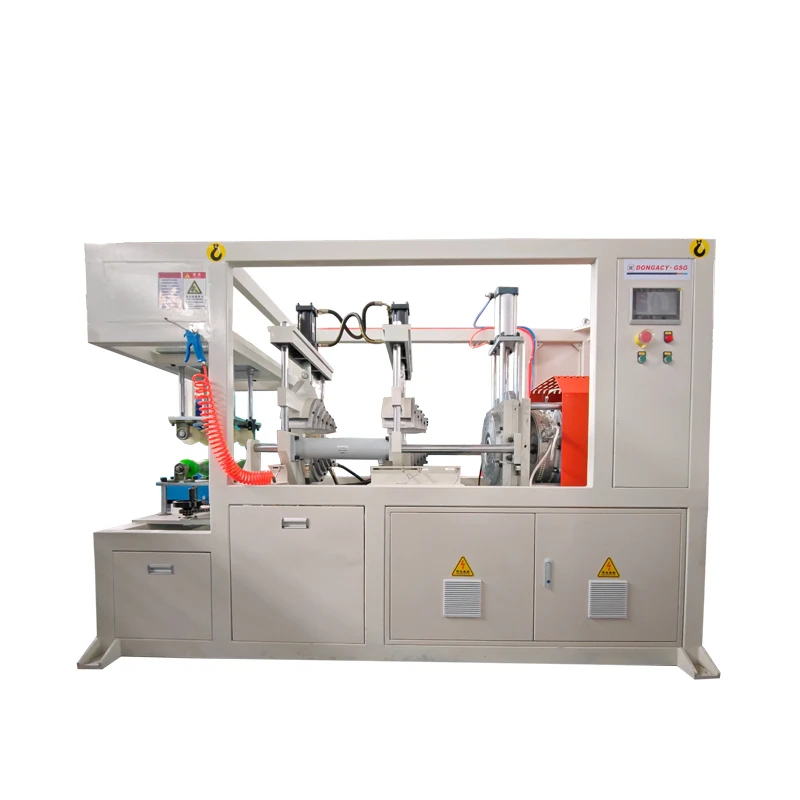
Simply put, a pvc sheet extrusion machine is industrial equipment designed to melt, shape, and form PVC resin into flat sheets. These sheets can vary in thickness, width, and texture depending on the machine settings and the target application. Think of it as a high-precision pasta maker, but for plastic sheets. The output can be used in everything from cladding boards for buildings to thermal insulation panels.
Beyond industry, PVC sheets — and by extension the machines that produce them — fulfill humanitarian needs. For example, in post-disaster zones, durable PVC sheets can swiftly transform into roofing or temporary wall panels, helping restore dignity and shelter.
Key Components and Factors in PVC Sheet Extrusion
1. Durability and Material Quality
PVC sheet quality hinges on the purity and additives mixed into the resin. A top-notch extrusion machine maintains stable temperature and pressure, ensuring consistent sheet density — which translates into durable end products. Many engineers emphasize how vital this is for products exposed to weather or mechanical stress.
2. Scalability and Production Speed
Modern extrusion machines offer variable speed controls and modular components to ramp production up or down depending on demand. This flexibility is crucial when industries face fluctuating orders or need to customize sheet sizes rapidly.
3. Cost Efficiency and Energy Consumption
Optimized heating elements and screw designs reduce energy use, lowering operational costs. In some plants, saving just a few kWh per day translates to substantial annual savings. Sustainable design efforts also focus here, given the industry's environmental footprint.
4. Product Consistency and Customization
Today's machines come with digital controls and sensors to constantly monitor thickness, surface finish, and color. This capability not only ensures uniformity but also enables tailored products for niche markets, a growing trend.
5. Maintenance and Longevity
Robust build quality with easily replaceable wear parts helps reduce downtime. After all, a machine breaking down during a crucial run can wreak havoc on delivery timelines.
Summary:
- Quality depends on precise processing and raw materials
- Production speed must be balanced with product consistency
- Energy-saving features bring long-term cost benefits
Real-World Applications of PVC Sheet Extrusion Machines
You'll find pvc sheet extrusion machines chugging away across geographies. In Southeast Asia, manufacturers produce roofing and flooring sheets critical for affordable housing. In Europe, extrusion lines often focus on high-quality vinyl siding and interior wall panels.
Humanitarian organizations use PVC sheets sourced from extrusion plants to establish quick-deploy shelters after natural disasters. In distant industrial zones, lightweight but sturdy PVC panels serve to build modular units and protective barriers.
Interestingly, automotive industries are also exploring custom PVC sheets for interior trims and protective wraps. This diversification signals how ubiquitous these machines are, quietly adapting to various sector demands.
Advantages and Long-Term Value
What makes pvc sheet extrusion machines truly invaluable? Well, for starters, they deliver cost-effective production. Raw PVC resin is relatively affordable, and with efficient extrusion, factories can keep prices competitive. Sustainability-wise, many modern lines recycle production scrap directly back into pellets, reducing waste.
There's also an emotional facet: communities in need get reliable products quickly — something that really matters when you’re rebuilding. Trust grows when these machines deliver consistent quality, nothing too shabby or unpredictable.
Reliability meets innovation here, enabling industries to scale up without sacrificing safety or durability standards. PVC sheets’ resistance to moisture, chemicals, and weather further elongates product lifecycles, meaning less replacement, less hassle.
| Specification | Typical Value | Unit |
|---|---|---|
| Sheet Width | 500–2500 | mm |
| Sheet Thickness | 0.5–12 | mm |
| Line Speed | 5–20 | m/min |
| Power Input | 50–120 | kW |
| Heating Zones | 3–6 | Zones |
Top Manufacturers: A Comparison
| Vendor | Country | Special Features | Price Range |
|---|---|---|---|
| PolyTech Systems | Germany | Energy-saving heating; modular design | $120k–$250k |
| VinylWorks | USA | High-speed extrusion; digital controls | $150k–$280k |
| EastPlast Machines | China | Affordable, easy maintenance | $80k–$175k |
| EcoExtrude | Japan | Low energy use; recyclable pellet system | $170k–$320k |
Innovations and Future Trends in PVC Sheet Extrusion
Looking ahead, automation and digital transformation are reshaping how pvc sheet extrusion machines operate. Integration with Industry 4.0 platforms enables predictive maintenance — so machines “talk” to operators, reducing unexpected downtime.
Materials-wise, the use of bio-based plasticizers and recycled PVC variants is gaining traction, balancing performance with sustainability goals. Particularly in the EU, tightening regulations encourage greener plastics, nudging extrusion technology accordingly.
Energy efficiency remains a hot topic. For example, induction heating zones now replace traditional ones on some lines, cutting electricity use. Oddly enough, sometimes the simplest tweaks make the biggest difference.
Tackling Challenges: Common Issues and Expert Solutions
Despite advances, extrusion still faces hurdles such as maintaining tight tolerances under high-speed runs and managing material impurities that cause defects. Many manufacturers tackle this with enhanced filtration systems for raw resin or by pre-mixing additives more precisely.
Training is another often overlooked piece. Skilled operators who deeply understand machine behavior improve yields dramatically. Some companies invest heavily in virtual reality simulators to train staff, which is impressive.
Frequently Asked Questions About PVC Sheet Extrusion Machine
- Q: How do I choose the right pvc sheet extrusion machine for my production volume?
- A: Consider your expected output, desired sheet dimensions, and customization needs. Machines with modular designs offer scalability, so you can upgrade as demand grows. Don't forget to factor in energy efficiency and vendor support.
- Q: Can PVC sheets produced by extrusion machines be recycled?
- Yes, most extrusion lines are capable of recycling production scraps and off-spec sheets back into pellets, reducing waste. However, recycled content levels depend on your product specifications and local regulations.
- Q: What maintenance routines help extend extrusion machine life?
- Routine cleaning of screw barrels, timely replacement of wear parts, and regular calibration of heating zones are key. Digital monitoring can alert operators before problems escalate, which minimizes downtime.
- Q: Are these machines suitable for producing colored PVC sheets?
- Absolutely. With proper feeders, color masterbatches can be precisely injected to produce uniform colored sheets, useful in decorative or branded applications.
- Q: How can businesses ensure compliance with environmental standards?
- Partnering with manufacturers that focus on energy efficiency and recycled materials is crucial. Also, keep up-to-date with local regulations and certifications like ISO 14001 for environmental management.
Wrapping Up: Why the PVC Sheet Extrusion Machine Is Essential
To put it mildly, these machines form the backbone of modern PVC sheet production — a sector quietly underpinning numerous industries. Whether it’s facilitating affordable housing, enhancing industrial solutions, or supporting sustainable manufacturing, the extrusion machine’s role is pivotal.
If you find yourself looking for reliable, efficient manufacturing capability, checking out the latest pvc sheet extrusion machine options is a smart start. The long-term value? Consistent quality, operational savings, and adaptability to future needs — not to mention contributing to a greener, safer world.
Mini Takeaways:
- Understand the specs to align machines with production goals.
- Innovations continue to improve efficiency and sustainability.
- Choosing the right vendor and training operators pays off in reliability.
References:
-
High Efficiency PE Extrusion Line Guide for Plastic ManufacturingNewsApr.16,2026
-
High Speed Steel Wire Mesh HDPE Composite Pipe Production Line - Anhui Dongchai|High Automation&Energy EfficiencyNewsApr.13,2026
-
High Speed Steel Wire Mesh HDPE Composite Pipe Production Line - Anhui Dongchai|High Automation&Energy EfficiencyNewsApr.13,2026
-
Guide to Choosing High Efficiency ppr pipe extrusion machineNewsApr.09,2026
-
Comprehensive Guide to Modern Pipe Production Line Technologies and OptimizationNewsApr.07,2026
-
Choosing the Right Extrusion Pipe Machine for Optimal Plastic Pipe ProductionNewsApr.04,2026
-
Comprehensive Guide to PPR Pipe Extrusion Line Technology and ApplicationsNewsMar.31,2026


