

Understanding the PVC Sheet Extrusion Line: A Modern Manufacturing Marvel
Whether you're in manufacturing, construction, or product design, chances are you’ve come across pvc sheet extrusion line technology without even realizing it. These extrusion lines craft flat, durable sheets from polyvinyl chloride (PVC), a versatile plastic that’s everywhere — from signage and automotive parts to healthcare devices and building materials. Given the global push for more sustainable, scalable production and the surging demand for PVC-based products worldwide, understanding how these extrusion lines work and why they matter has never been more crucial.
Global Context: Why PVC Sheet Extrusion Matters Today
Globally, PVC represents approximately 20% of worldwide plastic consumption, pointing to its critical role in manufacturing and infrastructure industries. According to Wikipedia's overview on PVC, the value of PVC sheets in the global plastics market is expected to grow at an annual rate exceeding 4% in the coming years. This growth is fueled by urbanization, infrastructure projects, and increasing emphasis on lightweight, durable materials.
Yet, mass-producing quality PVC sheets presents challenges like energy consumption, emissions control, and precision in thickness and structural properties. This is where optimized pvc sheet extrusion lines come into play — enabling manufacturers to meet stringent requirements while driving efficiency.
What Exactly Is a PVC Sheet Extrusion Line?
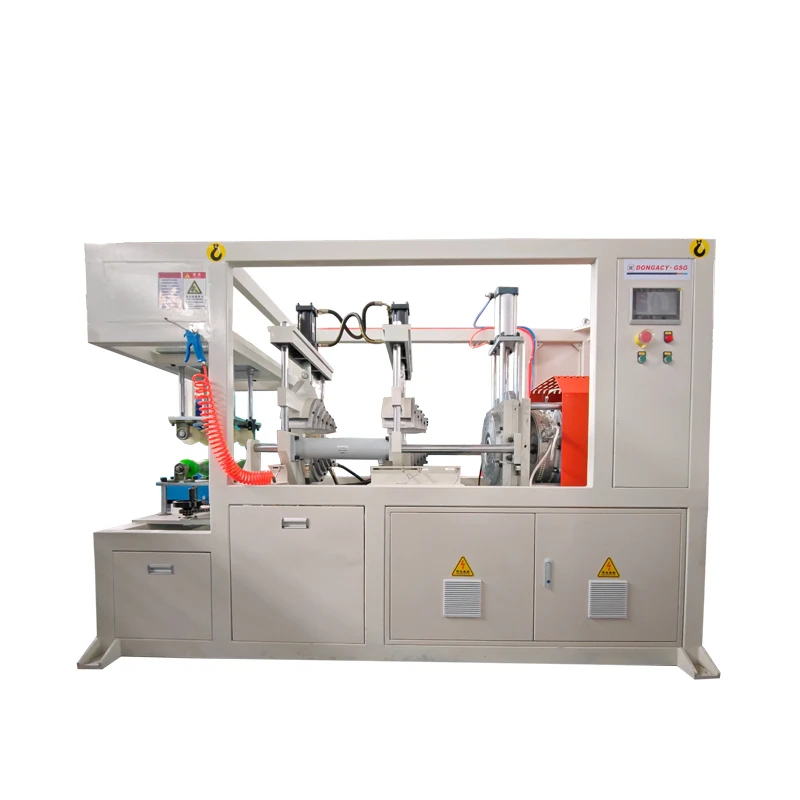
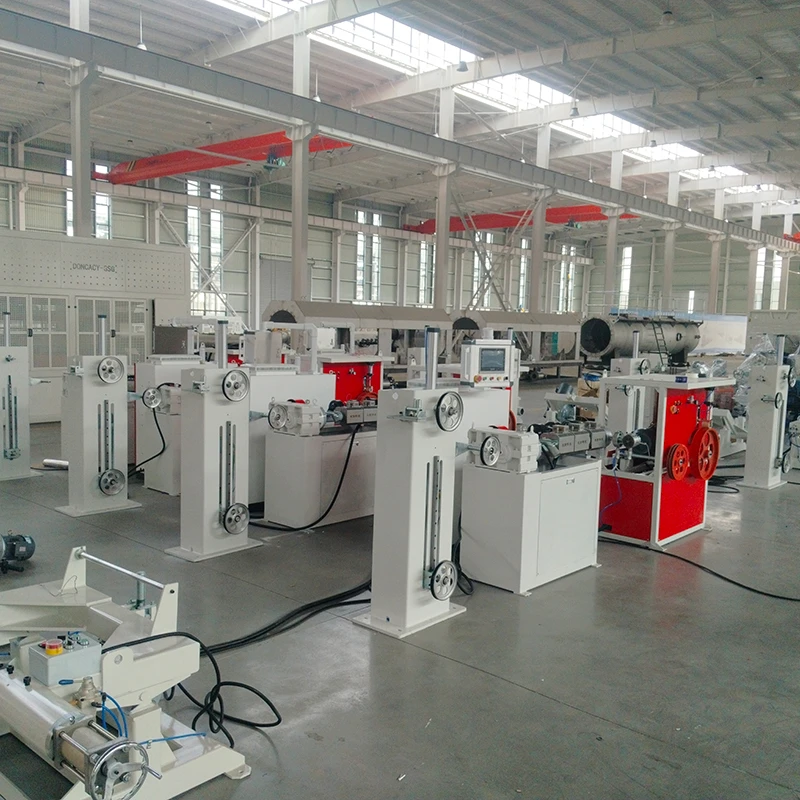
At its core, a pvc sheet extrusion line is a continuous manufacturing setup that melts raw PVC resin mixed with additives and forces it through a flat die to form sheets. These sheets then pass through cooling rollers, cutting, and stacking stations. By changing line speed, temperature, and cooling process, manufacturers can customize sheet thickness, texture, color, and tensile strength — making PVC one of the most adaptable plastics on the planet.
In practical terms, these extrusion lines turn raw chemistry and heat into everyday utility, from the hospital bed rails to rural water pipes, often quietly impacting quality of life on a massive scale.
Core Components and Key Factors in PVC Sheet Extrusion
1. Precision Heating and Mixing
The extrusion line’s screw and barrel melt and mix PVC pellets with additives like stabilizers, plasticizers, and colorants. Stability here means fewer impurities and consistent sheet quality.
2. Flat Die Design
The die’s shape decides the sheet’s initial thickness and width; high-quality dies ensure uniform flow, reducing defects such as bubbles or uneven thickness.
3. Cooling Systems
Rapid but controlled cooling solidifies the sheets and impacts surface finish. Water baths or chilled rollers help manage distortions and warp — critical in high-volume setups.
4. Cutting & Stacking Automation
Once cooled, sheets are sliced to size and stacked for shipping. Automation here reduces manual labor and improves throughput—essential for scaling production seamlessly.
5. Process Control and Monitoring
Real-time data collection on temperature, pressure, and speed helps operators adjust settings dynamically — ensuring quality and reducing waste.
Applications Across Industries and Borders
PVC sheets find use in countless sectors globally. In Asia and Europe, where construction is booming, these sheets serve as cladding, window profiles, and partitions. In healthcare, sterile-grade PVC sheets enable medical device fabrication, protecting patient safety. Oddly enough, humanitarian organizations also rely on sheets from extrusion lines for rapid shelter panels in disaster zones—solutions that balance speed, cost, and durability.
For example, in Southeast Asia, community water projects use custom extruded PVC sheets for pipe linings and fittings, enhancing infrastructure longevity despite tough environmental conditions. Meanwhile, in Europe, innovative automotive manufacturers incorporate flexible, impact-resistant sheets derived from these lines for interior panels.
Product Specification Table: PVC Sheet Extrusion Line Typical Parameters
| Specification | Typical Range | Remarks |
|---|---|---|
| Sheet Width | 500-2000 mm | Customizable per die |
| Thickness | 0.2 – 10 mm | Varies by application |
| Line Speed | 1 – 12 m/min | Depends on cooling |
| Extruder Power | 55 – 120 kW | Influences capacity |
| Cooling System | Water Bath / Roller | Controls sheet quality |
Comparing Leading PVC Sheet Extrusion Line Vendors
| Vendor | Power Range (kW) | Max Width (mm) | Automation Level | Price Range (USD) |
|---|---|---|---|---|
| AlphaTech Machinery | 60 – 110 | 1500 | High (PLC, sensors) | 200k – 300k |
| Beta Extrusion Corp. | 55 – 90 | 1200 | Medium (semi-automatic) | 150k – 220k |
| Gamma Plastics | 70 – 130 | 2000 | Full automation | 250k – 400k |
Advantages and Long-Term Value of PVC Sheet Extrusion Lines
In real terms, what sets pvc sheet extrusion lines apart is their blend of efficiency, flexibility, and sustainability. For starters, producing PVC sheets on-site reduces shipping bulk and packaging waste — a win for green ambitions. Plus, the durability of extruded PVC means products last decades, creating long-term cost savings.
There's also something human about their reliability: hospital panels made from PVC sheets keep patients safe; construction cladding shields homes from harsh weather across continents. The technology continuously adapts to meet both industrial demand and evolving environmental standards, increasing trust among manufacturers and end users.
Emerging Trends and What’s Next for PVC Sheet Extrusion
Looking ahead, the industry buzzes with automation, AI-driven quality controls, and energy-saving machinery. Manufacturers experiment with bio-based plasticizers, reducing dependence on fossil fuels, while policies — especially in Europe — push for more recyclable material content.
Digitally, smart extrusion lines equipped with IoT sensors can self-diagnose faults and optimize process parameters automatically. This kind of innovation not only saves downtime but enhances product consistency. There's even a growing trend toward modular extrusion line setups — making expansions and upgrades less daunting.
Common Challenges and How Industry Experts Tackle Them
Yet, it's not all smooth. PVC extrusion faces issues like raw material price fluctuations and the tricky balance between speed and quality. Some manufacturers battle inconsistent cooling leading to warping or delamination. However, clever design tweaks, such as enhanced die geometry and staged cooling, have significantly reduced these problems lately.
Moreover, partnering with vendors offering tailored technical support and training helps plants stay ahead. It feels like extruders who invest in staff knowledge and process monitoring get to dodge costly quality snags more often.
FAQ: Frequently Asked Questions About PVC Sheet Extrusion Lines
- How long does it take to set up a new pvc sheet extrusion line?
- Depending on complexity and customization, the setup can range from several weeks to a few months. Basic lines install faster, but integrated automation or specialized die designs add time due to commissioning and testing.
- Can extrusion lines make colored or textured PVC sheets?
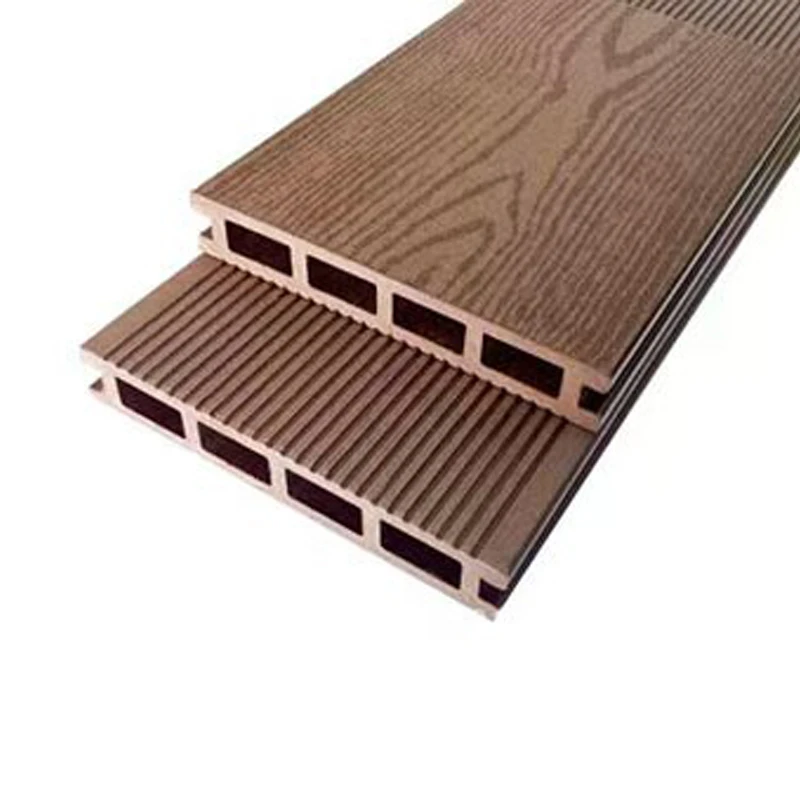
- Absolutely. By mixing pigments or textured rollers into the process, manufacturers customize sheets for specific visual or tactile effects — widely used in decorative panels and signage.
- How energy efficient are modern pvc sheet extrusion lines?
- Newer models employ advanced motors, insulation, and process controls, sometimes reducing power consumption by 20-30% compared to older equipment. Efficiency depends on machinery age and line optimization.
- Is it possible to recycle scrap PVC from extrusion processes?
- Yes, scrap PVC can often be re-ground and blended back into the extrusion feed. However, excessive recycling may affect sheet quality, so many manufacturers balance virgin and recycled content carefully.
- Where can I find reliable pvc sheet extrusion line manufacturers?
- Look for vendors with proven track records, technical support, and aftersales service — like those in our vendor comparison table. Industry trade fairs and specialized websites are great starting points.
Wrapping It Up: Long-Term Benefits And What To Do Next
The fascination with pvc sheet extrusion line tech isn’t just about plastic sheets flowing through machines. It’s about the quiet revolution shaping manufacturing’s future — smarter, greener, and more precise. For businesses aiming to stay competitive and responsible, investing in efficient extrusion lines translates into better product quality, faster turnaround, and sustainable operations.
If you want to explore tailored pvc sheet extrusion solutions or dive deeper into state-of-the-art setups, visit our website. The future of PVC is extruded, after all — and it looks pretty promising.
References
-
High Efficiency PE Extrusion Line Guide for Plastic ManufacturingNewsApr.16,2026
-
High Speed Steel Wire Mesh HDPE Composite Pipe Production Line - Anhui Dongchai|High Automation&Energy EfficiencyNewsApr.13,2026
-
High Speed Steel Wire Mesh HDPE Composite Pipe Production Line - Anhui Dongchai|High Automation&Energy EfficiencyNewsApr.13,2026
-
Guide to Choosing High Efficiency ppr pipe extrusion machineNewsApr.09,2026
-
Comprehensive Guide to Modern Pipe Production Line Technologies and OptimizationNewsApr.07,2026
-
Choosing the Right Extrusion Pipe Machine for Optimal Plastic Pipe ProductionNewsApr.04,2026
-
Comprehensive Guide to PPR Pipe Extrusion Line Technology and ApplicationsNewsMar.31,2026


