
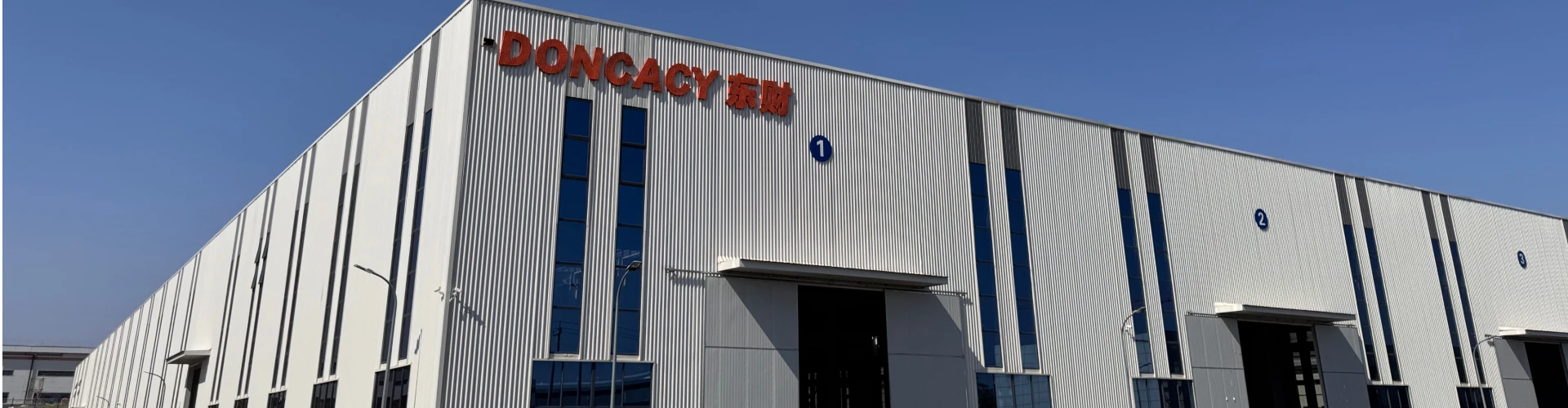
Understanding the PVC Production Line: A Backbone of Modern Industry
If you've ever wondered how those durable, flexible, and widely used polyvinyl chloride (PVC) products come into being, then diving into the pvc production line is a great place to start. This highly specialized industrial process underpins everything from construction materials to packaging and even medical equipment. Understanding it isn’t just for engineers or factory managers—it’s crucial for industries worldwide striving for cost efficiency, environmental compliance, and product quality. The ripple effect? Safer buildings, more reliable infrastructure, and sustainable manufacturing that impacts billions globally.
Why The PVC Production Line Matters Globally
Globally, PVC is among the third most produced synthetic plastic polymers, with production volumes exceeding 40 million tons per year (source: Wikipedia). ISO standards ensure quality and safety compliance worldwide, as construction, healthcare, and packaging sectors depend on PVC’s adaptability. Yet, challenges such as environmental concerns over plastic waste and plasticizers push manufacturers to rethink processes.
Consequently, the pvc production line is evolving to address these and ensure the supply chain is sustainable, reliable, and efficient. For example, manufacturers in Asia-Pacific—currently the largest PVC market—are investing heavily in automation to reduce energy consumption and increase output.
Mini Takeaway:
- PVC production is a major global industry linked with sustainability challenges.
- Updating production technologies is essential to meet environmental goals and market demands.
What Exactly is a PVC Production Line?
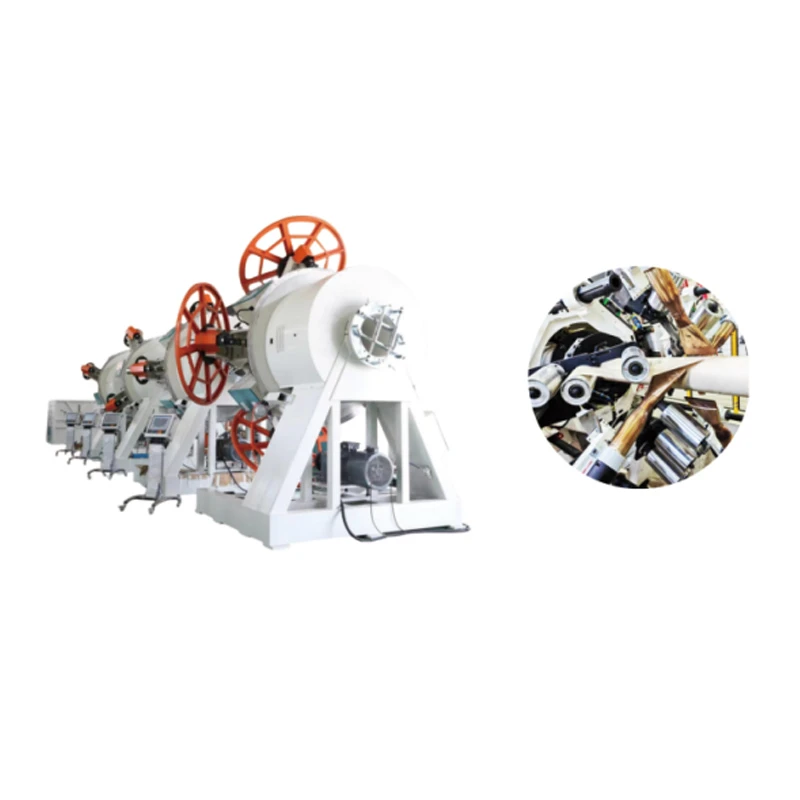
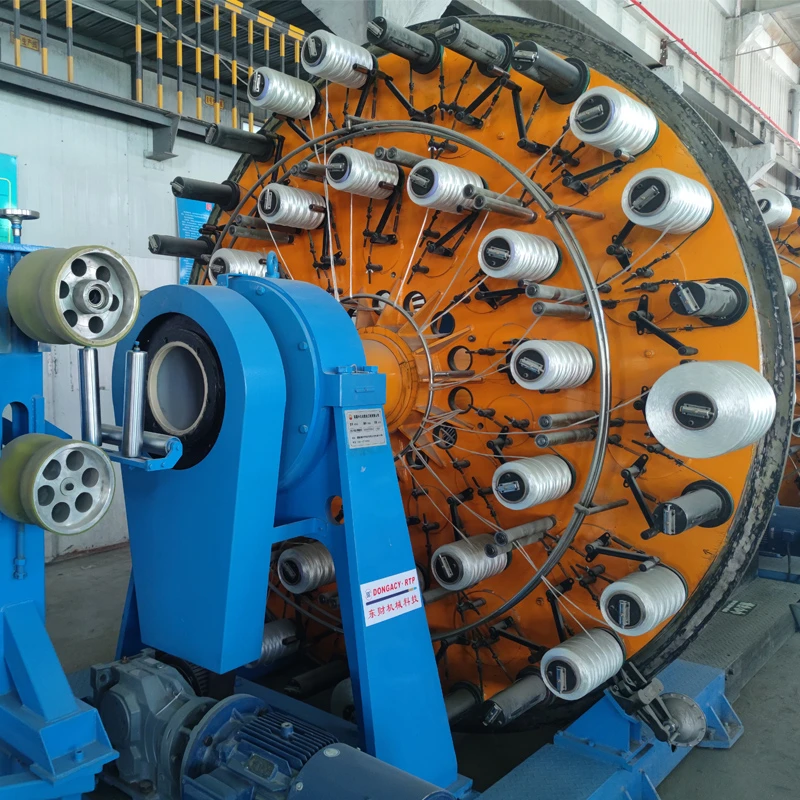
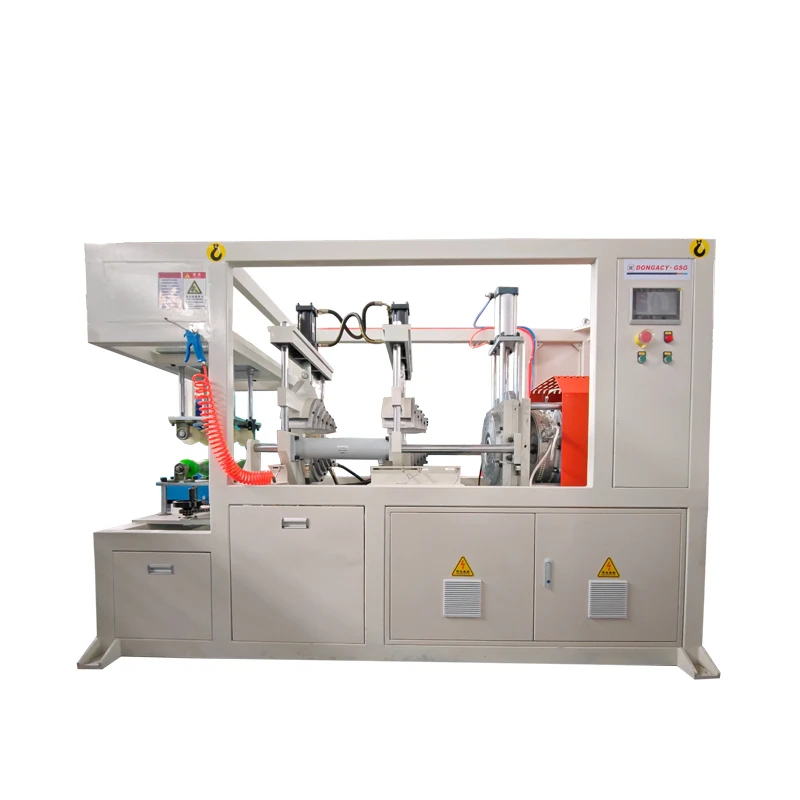
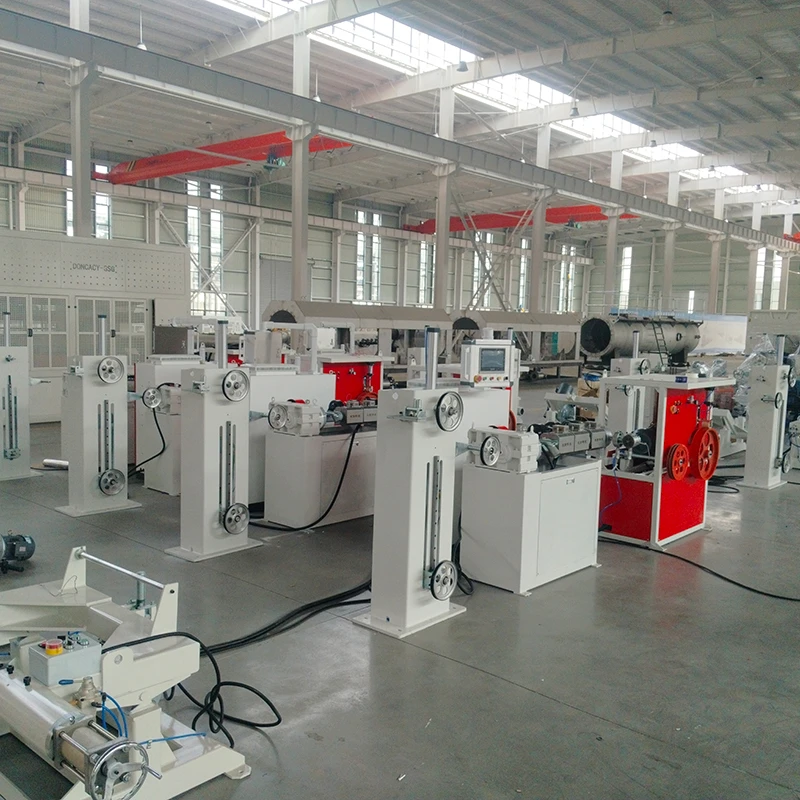
Put simply, a PVC production line is an integrated system of machinery and processes designed to convert raw vinyl chloride monomers (VCM) into usable pipes, sheets, films, or profiles. It typically involves polymerization, compounding with additives like stabilizers or plasticizers, extrusion, and finishing steps.
This setup is integral not only to industrial manufacturing but also humanitarian efforts—imagine rapid deployment shelters or medical tubing. In essence, the production line transforms basic chemistry into tangible materials solving real-world problems.
Key Components of an Effective PVC Production Line
1. Durability & Material Quality
The materials must consistently meet rigorous standards, as durability determines where and how PVC products can be used—whether underground pipes facing pressure or external cladding exposed to UV rays.
2. Scalability & Output Efficiency
Modern production lines offer modular configurations that scale output from a few hundred kilograms to several tons daily. This flexibility lets manufacturers quickly respond to market fluctuations without massive capital outlays.
3. Cost Efficiency & Resource Use
Raw materials, energy consumption, and waste all impact production costs. Innovations in extrusion technology and process control have minimized resource use, which reflects in the final product’s price.
4. Automation & Quality Control
Real-time monitoring sensors and automated feedback loops reduce defects and downtime—a boon when consistent product quality is non-negotiable, especially for medical or construction-grade PVC.
5. Environmental Considerations
Green chemistry and recycling practices are increasingly integrated into production lines, reducing harmful emissions and embracing circular economy principles.
Mini Takeaway:
- Durability, scalability, and cost efficiency dominate design priorities.
- Automation and environmental care are shaping future-ready PVC manufacturing.
How PVC Production Lines Shape Real-World Applications
PVC products go everywhere, and the production line’s output dictates regional industry possibilities. In North America and Europe, strict building codes push manufacturers to innovate with flame retardant and weather-resistant PVC pipes and window profiles.
Meanwhile, in emerging markets across Africa and Southeast Asia, large-scale infrastructure projects rely on relatively low-cost but durable PVC piping for water sanitation initiatives—critical for human health.
Consider disaster relief operations: rapid deployment shelters often integrate PVC films and membranes produced by agile production lines capable of quick batch changes. And in remote industrial zones, reliable PVC conveyor belts keep factories running smoothly despite harsh environments.
Product Specifications at a Glance
| Feature | Typical Specs | Benefit |
|---|---|---|
| Production Capacity | 500–5,000 kg/hour | Meets small to medium-scale demands |
| Extruder Type | Single or twin-screw | Adaptability to various resin blends |
| Automation Level | Basic to fully automated systems | Improved quality & reduced labor |
| Energy Consumption | 50–80 kWh/ton | Focus on energy efficiency |
| Recycling Integration | Yes/No depending on unit | Supports sustainability goals |
Comparing Leading PVC Production Line Vendors
| Vendor | Capacity Range (kg/hr) | Automation | Green Tech | Lead Time |
|---|---|---|---|---|
| PVC Tech Solutions | 300–3,000 | Semi-automated | Basic recycling options | 4–6 weeks |
| Green Line Manufacturing | 1,000–5,000 | Fully automated | Advanced eco-friendly tech | 6–8 weeks |
| Rapid PVC Corp. | 500–4,500 | Basic automation | Limited | 3–5 weeks |
Advantages of Modern PVC Production Lines
The tangible benefits make investing in the right PVC production line a no-brainer for many manufacturers. Cost efficiency comes top—lower energy and raw material consumption translate directly to better margins. Environmentally, newer lines reduce emissions and support recycling, ticking important corporate responsibility boxes.
For society, it means safer, more affordable plumbing, healthcare devices, and packaging solutions. On an emotional note, durable PVC products connect with people's trust—whether a parent relying on a medical-grade catheter or families counting on quality water supply.
Emerging Trends & The Road Ahead
Looking forward, the PVC production line is embracing Industry 4.0 with sensor-driven automation and AI for predictive maintenance. Additionally, greener additives and bio-based plasticizers are entering formulations to reduce toxicity and enhance recyclability.
Manufacturers also focus on digital twin technology to model and optimize production virtually—cutting costs before the physical setup even begins. In the broader context, stricter regulations push the innovation envelope, meaning production lines must be flexible and future-proof.
Common Challenges and Smart Solutions
Obviously, the process is not without hurdles. The handling of hazardous monomers like vinyl chloride demands strict safety protocols. Product contamination, fluctuating raw material costs, and waste disposal remain persistent issues.
To tackle these, companies are installing closed-loop containment systems, adopting real-time quality controls, and partnering with recyclers to integrate circular economy principles. Sometimes just tweaking line speed and extrusion profiles can have surprisingly big improvements.
Frequently Asked Questions About PVC Production Lines
- What is the average lifespan of PVC pipes produced on modern lines?
- With quality manufacturing and proper installation, PVC pipes typically last 50–100 years. The durability depends on additives and environmental exposure but modern production lines ensure consistency that meets global standards.
- How energy-intensive are PVC production lines?
- Energy consumption varies but generally ranges between 50–80 kWh per ton of PVC produced. Innovations in extrusion technology and automation have steadily reduced these figures to improve sustainability.
- Can PVC production lines be customized for different product forms?
- Absolutely. Many lines are modular and equipped to switch between pipes, sheets, or profiles by adjusting dies and line parameters, making them versatile for multiple industries.
- Are PVC products from these lines recyclable?
- Yes, many production lines now incorporate recycled content and plan for end-of-life recycling. This aligns with international environmental standards, though recyclability depends on the product design and additives used.
- How can international NGOs acquire PVC products for relief efforts?
- NGOs typically work through certified manufacturers or distributors familiar with export regulations. Many vendors on platforms like pvc production line offer customization and logistical support tailored for humanitarian aid.
Wrapping Up: Why PVC Production Lines Are Here to Stay
In real terms, the pvc production line stands as more than just an industrial process—it’s a key enabler of global development, public health, and sustainable manufacturing. While the challenges are real, the ongoing evolution of technology and green policies make it an exciting area to watch.
For manufacturers or industry watchers interested in the latest and most reliable solutions, a good start is exploring the latest offerings on pvc production line platforms, where innovation meets practicality.
Mini Takeaway:
- PVC production lines remain central to diverse industries and humanitarian projects.
- Technological progress is driven by sustainability, quality, and automation demands.
- Global collaboration and continuous innovation keep this sector vibrant and relevant.
References:
-
High Efficiency PE Extrusion Line Guide for Plastic ManufacturingNewsApr.16,2026
-
High Speed Steel Wire Mesh HDPE Composite Pipe Production Line - Anhui Dongchai|High Automation&Energy EfficiencyNewsApr.13,2026
-
High Speed Steel Wire Mesh HDPE Composite Pipe Production Line - Anhui Dongchai|High Automation&Energy EfficiencyNewsApr.13,2026
-
Guide to Choosing High Efficiency ppr pipe extrusion machineNewsApr.09,2026
-
Comprehensive Guide to Modern Pipe Production Line Technologies and OptimizationNewsApr.07,2026
-
Choosing the Right Extrusion Pipe Machine for Optimal Plastic Pipe ProductionNewsApr.04,2026
-
Comprehensive Guide to PPR Pipe Extrusion Line Technology and ApplicationsNewsMar.31,2026


