
The Quiet Powerhouse: Understanding PVC Extrusion Lines and Their Global Impact
At first glance, the term pvc extrusion line might sound like jargon from a factory, and yeah, it kind of is. But this manufacturing process quietly fuels countless industries worldwide—from construction and automotive to packaging and even humanitarian aid. In the grand scheme, understanding PVC extrusion lines unlocks insights into how raw plastic transforms into durable, versatile products that touch everyday life.
Globally speaking, the demand for PVC-based products keeps surging, largely due to PVC’s cost effectiveness and durability. And the lines producing these materials have had to adapt rapidly to sustainability demands, automation, and quality consistency. So while the machine hums on factory floors somewhere, it’s shaping infrastructure, housing, and products that improve daily living worldwide.
Why PVC Extrusion Lines Matter on the World Stage
To get the full picture, let’s zoom out a bit. According to ISO standards on plastics processing, extrusion remains one of the most energy-efficient manufacturing methods, minimizing waste and optimizing throughput. The World Bank notes that affordable, durable building materials like PVC have uplifted infrastructure projects across developing regions, cutting costs and enhancing reliability.
Yet there’s a challenge: balancing rapid production with environmental concerns and product quality. The PVC extrusion line addresses this by enabling precise control over material properties and production speeds. Frankly, without it, the vast supply chains for PVC pipes, window frames, and packaging films would falter, especially where speed and scale are critical.
So, What Exactly Is a PVC Extrusion Line?
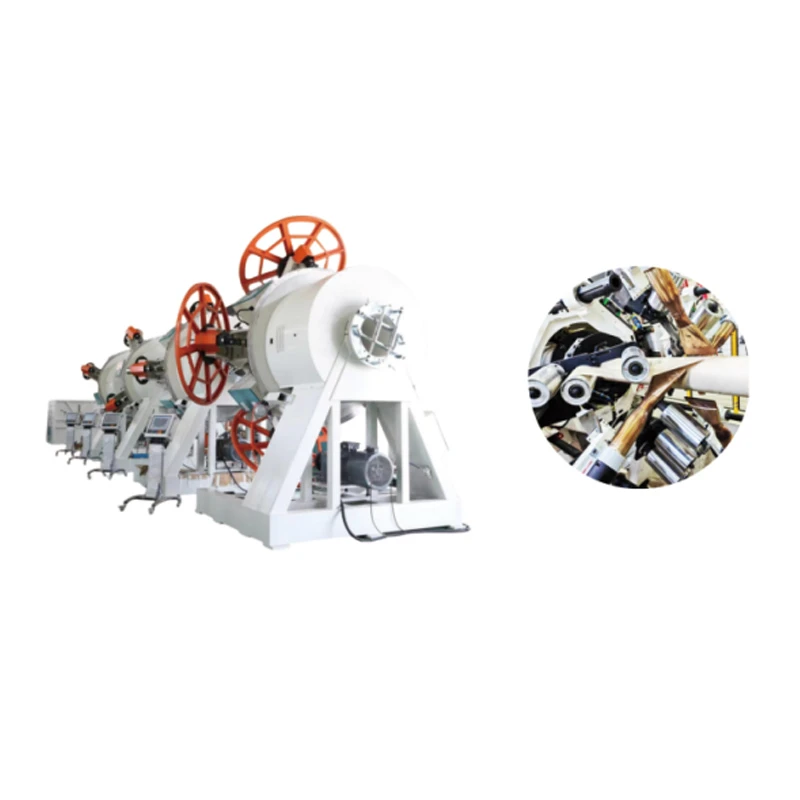
Stripped down, a PVC extrusion line is a system of equipment designed to melt, shape, and cool PVC resin into continuous profiles—think pipes, sheets, cables, or tubing. Imagine plastic pellets melting down and being pushed through a shaped die, then quickly cooled to retain form. Voila, standardized products ready for trimming and packaging.
This process is hugely connected to both industrial and humanitarian fronts. Durable PVC products mean longer-lived infrastructure, safer water supplies, and even modular homes in disaster zones.
Core Components and What Really Matters
1. Quality of Raw Materials
The entire process hinges on consistent PVC resin quality. Impurities can jam machines or degrade product strength, so suppliers focus heavily on resin purity and additive blends.
2. Heating & Extrusion Mechanics
Precise temperature control is key—too hot and PVC degrades; too cool and shapes deform. Powerful screw extruders push the molten plastic uniformly through custom dies, dictating the final product’s shape.
3. Cooling Systems
Immediately after extrusion, products need rapid but controlled cooling to maintain shape integrity without warping. Water baths or air cooling chambers are tailored to product specs.
4. Automation & Control
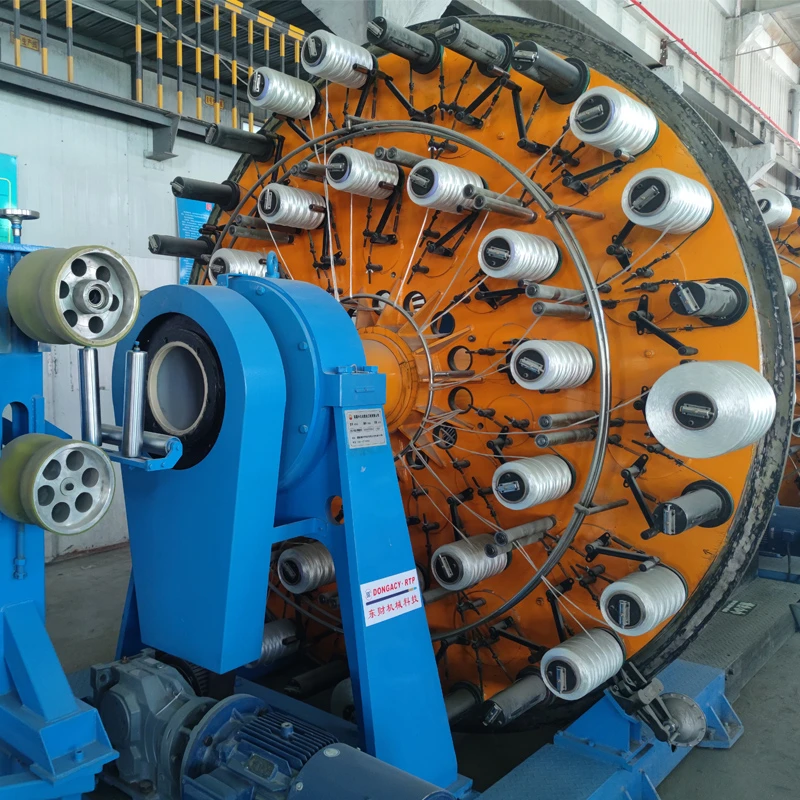
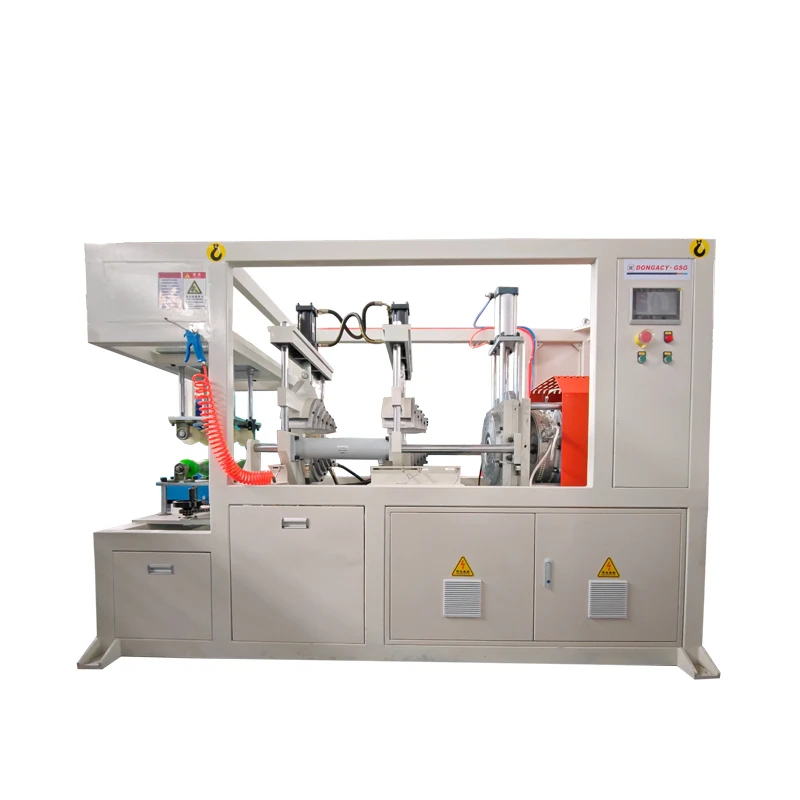
Modern lines integrate advanced sensors and PLCs (programmable logic controllers) to ensure consistent speeds, detect faults, and maintain quality standards—sometimes even remotely monitored.
5. Scalability & Flexibility
Depending on output requirements—industrial batch or continuous high-volume—lines can be customized, enabling manufacturers to switch between product types with minimal downtime.
Industrial and Humanitarian Use Cases
- Construction: PVC pipes and window profiles produced for projects worldwide, from high-rise apartments in Dubai to rural water piping systems in Africa.
- Automotive: Lightweight, durable PVC trims and sealing profiles help reduce vehicle weight and improve safety.
- Packaging: Films and sheets made via extrusion for food-grade wraps that combine elasticity with resilience.
- Disaster Relief: In post-disaster housing, extruded PVC panels and fittings enable quick-assembly shelters that withstand weather extremes.
Oddly enough, regions like Southeast Asia and Latin America rely heavily on extruded PVC products due to fast urbanization combined with budget constraints.
Comparing Leading PVC Extrusion Lines: Spec Sheet
| Feature | Basic Line Model A | Advanced Line Model B | High-Output Model C |
|---|---|---|---|
| Max Output (kg/hr) | 150 | 300 | 600 |
| Extruder Diameter (mm) | 45 | 75 | 105 |
| Automation Level | Semi-automatic | Full PLC control | Full PLC + Remote Monitoring |
| Cooling Method | Water bath | Water bath + Air Cooling | Multi-zone Cooling with Recirculation |
| Power Consumption (kW) | 30 | 70 | 120 |
Advantages and Why It’s Worth Your Attention
From a practical standpoint, PVC extrusion lines offer consistent product quality, high throughput, and relatively low operating costs. But it’s not just about numbers. There’s an emotional angle, too—knowing that these products, be it water piping for a village or window frames for affordable housing, carry social value and dignity. Helping build sustainable solutions uses innovation, yes, but it also builds trust—between manufacturers, consumers, and communities.
Looking Ahead: Trends Transforming PVC Extrusion Lines
- Greener Materials: Biodegradable additives and recycled PVC blends are becoming industry norms.
- Digital Automation: AI-driven quality control and predictive maintenance are reducing downtime substantially.
- Energy Efficiency: Electric screw designs and heat recovery systems cut energy footprints.
- Customization: Quick-change dies and modular setups enable rapid shifts across products amid shifting market needs.
Common Roadblocks and How Experts Navigate Them
Despite advances, challenges remain. Material feed inconsistencies, thermal degradation risks, and scaling line flexibility can snag operations. However, many engineers recommend rigorous raw material testing, continuous sensor calibration, and modular machine designs to keep things running smoothly. Some even swear by remote monitoring to nip faults before they escalate.
Frequently Asked Questions About PVC Extrusion Lines
- What factors should I consider when selecting a PVC extrusion line for small-scale production?
- Look for lines with semi-automatic controls, manageable power consumption, and flexibility in product types. Smaller extruder diameters (like 45-60mm) are ideal for precision and lower volumes. Also, consider after-sales support for maintenance and spare parts.
- How does automation improve the efficiency of PVC extrusion lines?
- Automation ensures consistent operation speeds, precise temperature control, and real-time fault detection. This leads to less downtime, reduced waste, and higher product consistency—meaning better quality for end users.
- Can PVC extrusion lines incorporate recycled materials without quality loss?
- Yes, but it depends on the resin blend and the extrusion setup. Advanced lines with precise temperature controls and mixing capabilities can handle certain recycled materials while maintaining product integrity. It’s a balancing act but increasingly standard practice.
- How durable are PVC products made from extrusion lines in harsh environments?
- Extruded PVC products are known for their chemical resistance and longevity. When produced with quality additive packages and proper cooling, they can last decades—even in corrosive or UV-exposed conditions, making them excellent for plumbing, electrical conduits, and outdoor applications.
- Where can I learn more or find suppliers of PVC extrusion machinery?
- A great starting point is to visit specialized manufacturers online, such as pvc extrusion line vendors. Trade fairs and industry groups like the Plastics Industry Association also offer resources and contacts.
Vendor Comparison: A Snapshot
| Vendor | Price Range | Customization | After-Sales Support | Lead Time |
|---|---|---|---|---|
| Company A | $80K - $150K | Moderate | Standard (1 year) | 8-12 weeks |
| Company B | $120K - $220K | High (full custom) | Premium (2 years + remote support) | 6-9 weeks |
| Company C | $200K - $350K | Very High (turnkey solutions) | Comprehensive (3 years + training) | 10-14 weeks |
Final Thoughts: Why PVC Extrusion Lines Are Worth Watching
So, there’s something quietly revolutionary about the PVC extrusion line. It’s not flashy or tech-buzzy, but it’s dependable, evolving, and vital. Whether you’re a manufacturer balancing sustainability with output, or a development organization seeking durable products for infrastructure, these lines offer adaptability and resilience. For those curious and ambitious, diving into PVC extrusion technology opens doors to innovation and impact. As always, the key is choosing the right system and partners, and keeping an eye on emerging trends.
Interested? Take a deeper dive at pvc extrusion line experts and see how the right equipment can transform your production capabilities.
References
-
High Efficiency PE Extrusion Line Guide for Plastic ManufacturingNewsApr.16,2026
-
High Speed Steel Wire Mesh HDPE Composite Pipe Production Line - Anhui Dongchai|High Automation&Energy EfficiencyNewsApr.13,2026
-
High Speed Steel Wire Mesh HDPE Composite Pipe Production Line - Anhui Dongchai|High Automation&Energy EfficiencyNewsApr.13,2026
-
Guide to Choosing High Efficiency ppr pipe extrusion machineNewsApr.09,2026
-
Comprehensive Guide to Modern Pipe Production Line Technologies and OptimizationNewsApr.07,2026
-
Choosing the Right Extrusion Pipe Machine for Optimal Plastic Pipe ProductionNewsApr.04,2026
-
Comprehensive Guide to PPR Pipe Extrusion Line Technology and ApplicationsNewsMar.31,2026


