
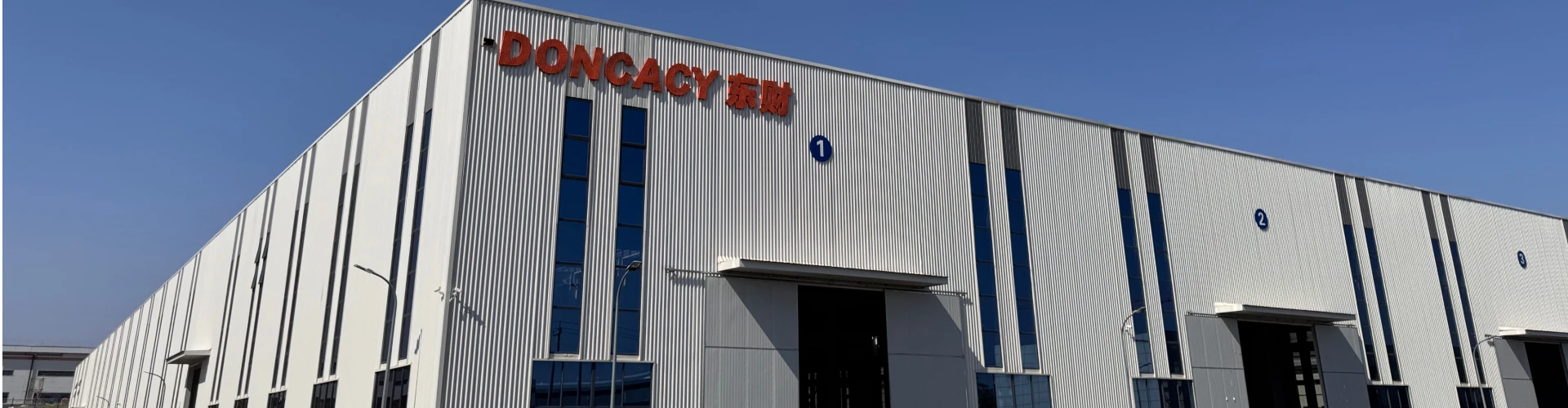
PPR Pipe Extrusion Line: A Comprehensive Guide
The demand for Polypropylene Random (PPR) pipes is steadily increasing globally due to their exceptional properties and wide range of applications in hot and cold water systems, industrial piping, and more. A high-quality PPR pipe extrusion line is crucial for manufacturers looking to meet this demand efficiently and effectively. This article will delve into the key components, process, applications, and considerations when selecting a PPR pipe extrusion line. We’ll also explore how choosing the right equipment can impact your production quality and profitability.
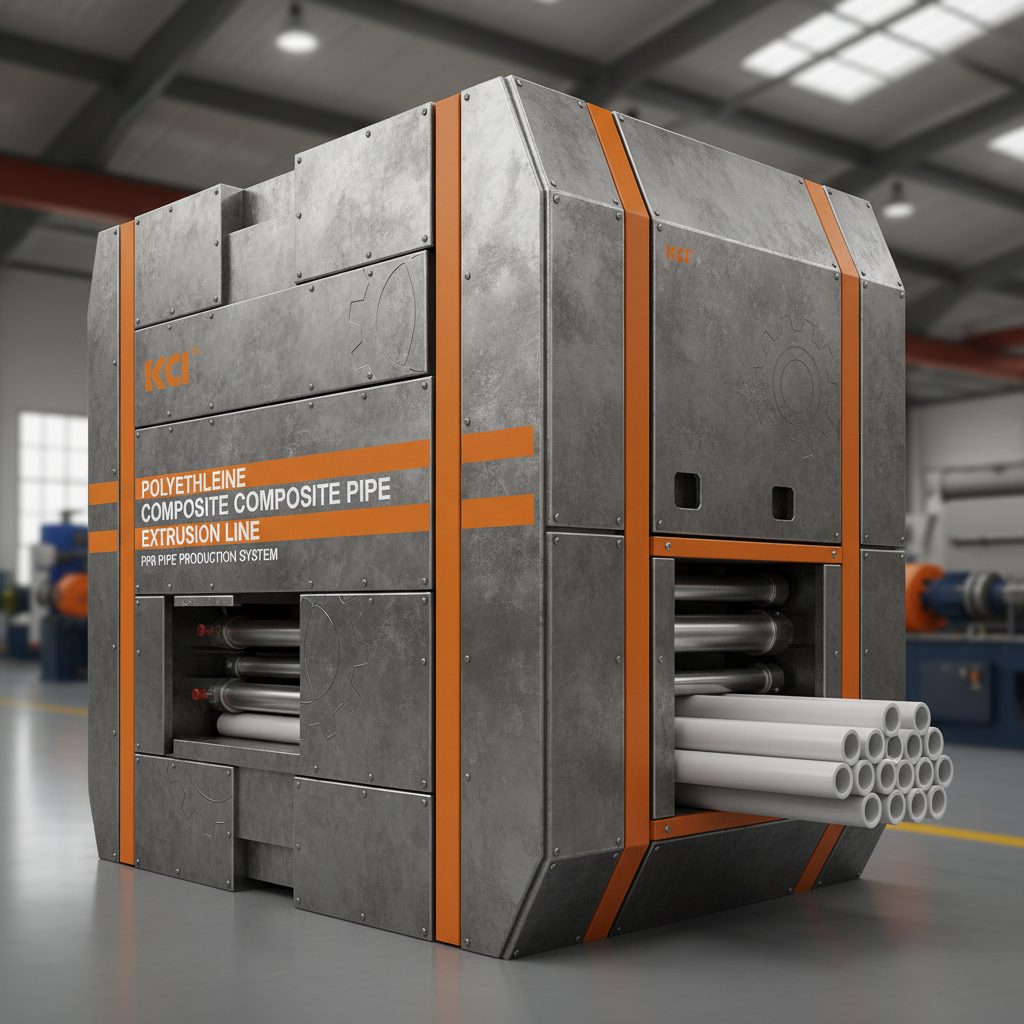
Key Components of a PPR Pipe Extrusion Line
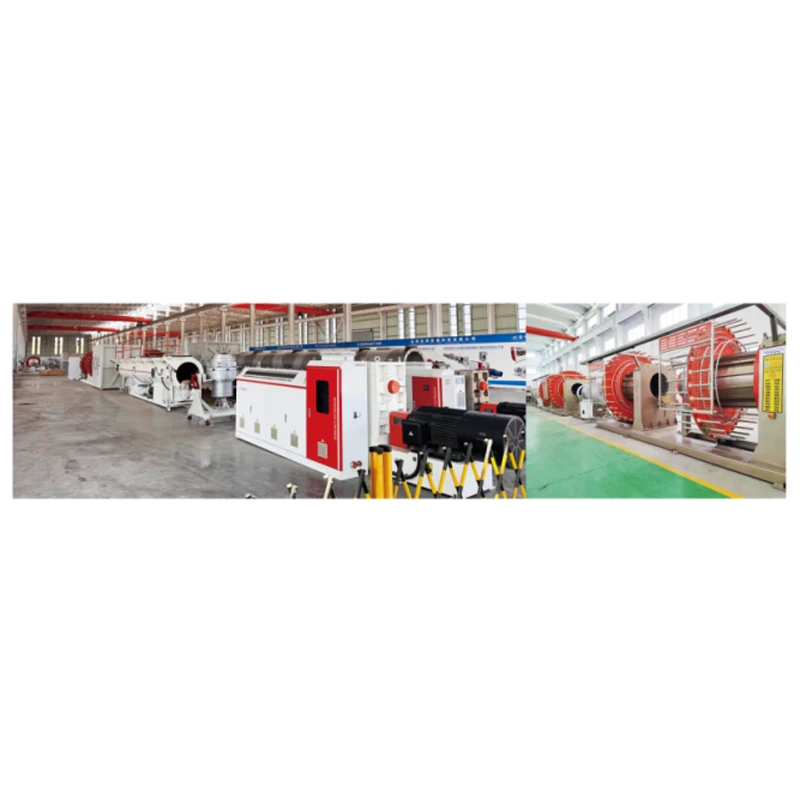
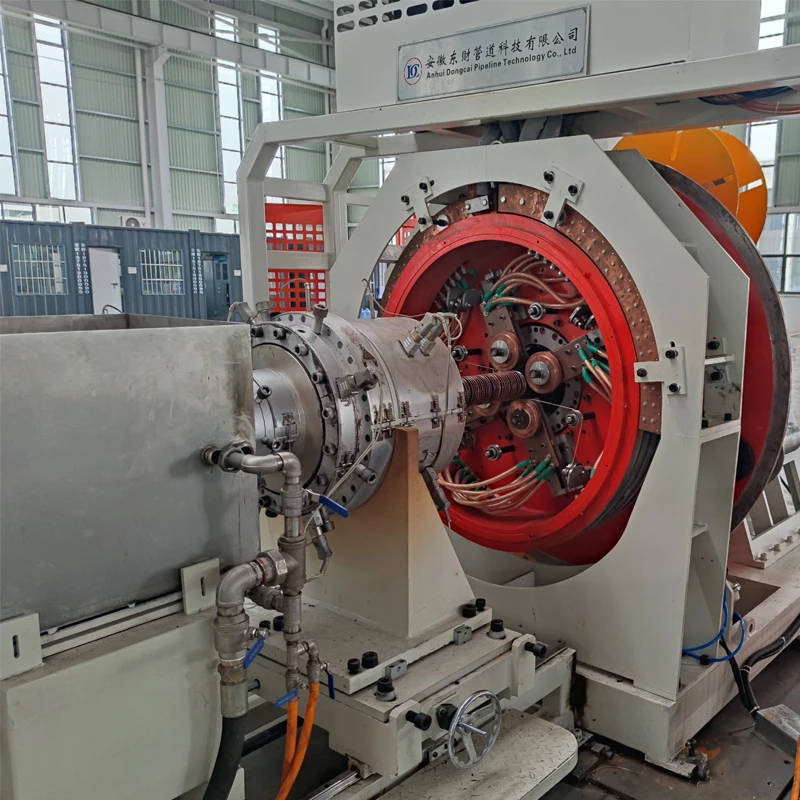
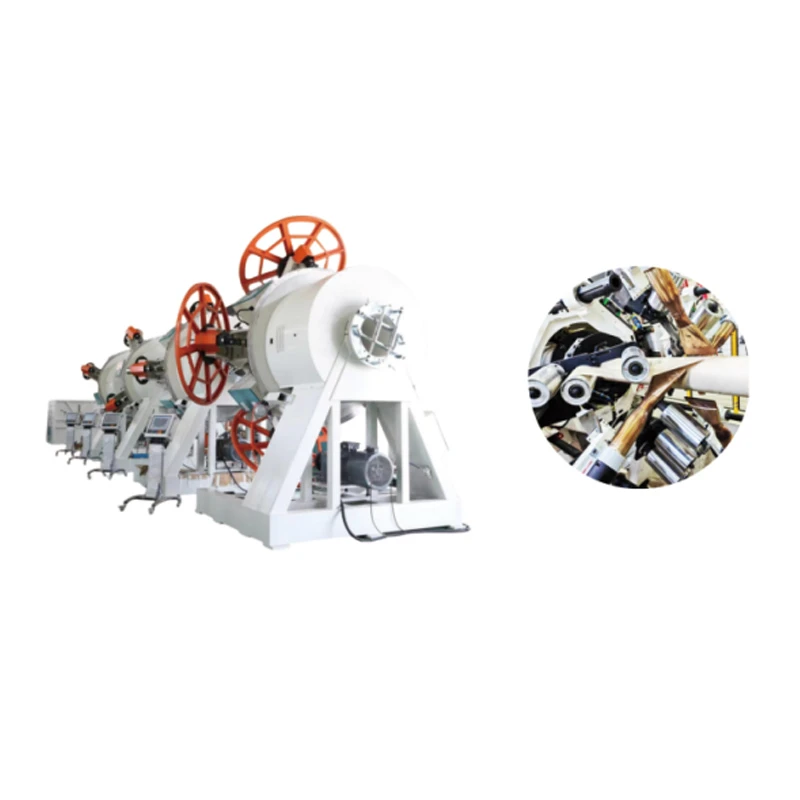
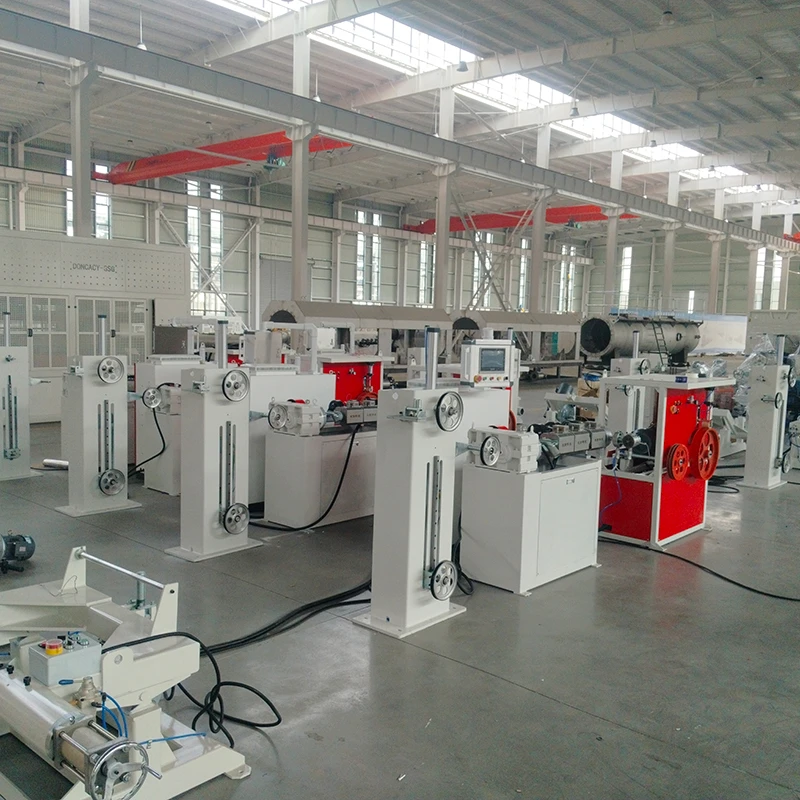
A typical PPR pipe extrusion line consists of several essential components working in harmony to produce high-quality pipes. These include a plastic extruder, a die head, a calibration sleeve, a vacuum tank, a haul-off unit, a cutting machine, and a stacking device. The extruder melts the PPR resin, while the die head shapes it into a pipe. The calibration sleeve ensures dimensional accuracy, and the vacuum tank cools the pipe. The haul-off unit pulls the pipe at a consistent speed, the cutting machine cuts it to length, and the stacking device neatly arranges the finished product. The quality of each component directly impacts the final product’s characteristics.
Key Highlights: A well-integrated PPR pipe extrusion line ensures consistent product quality, high production efficiency, and minimal waste.
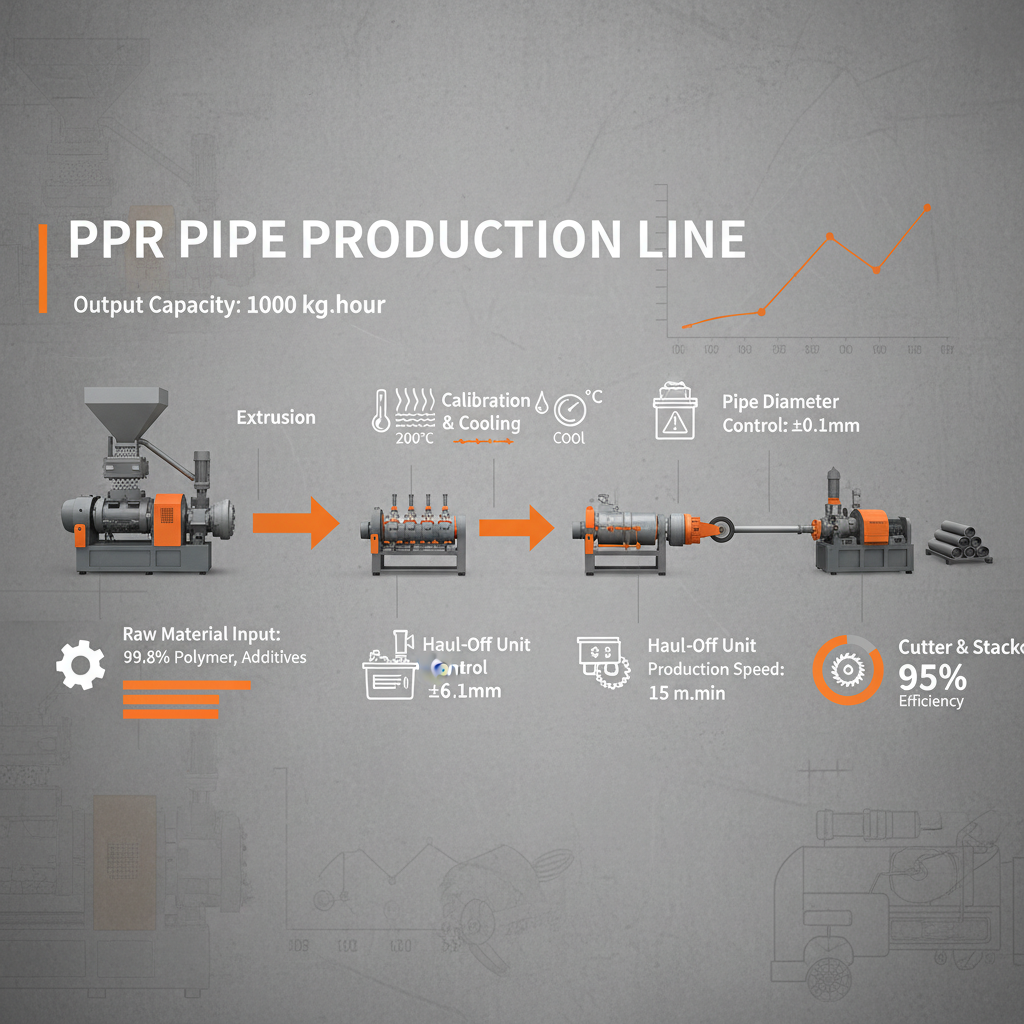
The PPR Pipe Extrusion Process: A Step-by-Step Breakdown
The PPR pipe extrusion process begins with feeding PPR granules into the extruder. The granules are heated and melted through friction and external heating elements. The molten plastic is then forced through a die head to form the desired pipe shape. As the pipe exits the die, it's cooled using a vacuum tank and then calibrated to ensure precise dimensions. Finally, the pipe is pulled through the line by the haul-off unit, cut to the specified length, and automatically stacked. Careful control of temperature, pressure, and speed are essential throughout the process.
Process Benefits:
• Consistent pipe dimensions
• High production capacity
• Minimal material waste
• Automated operation reduces labor costs
Choosing the Right PPR Pipe Extrusion Line: Key Considerations
Selecting the appropriate PPR pipe extrusion line requires careful consideration of your production needs. Factors to evaluate include the desired pipe diameter range, production capacity, level of automation, and budget. It’s also important to consider the manufacturer’s reputation for quality, reliability, and after-sales service. A line with advanced control systems and energy-efficient components can significantly reduce operating costs and improve product quality.
Applications of PPR Pipes Produced by Extrusion Lines
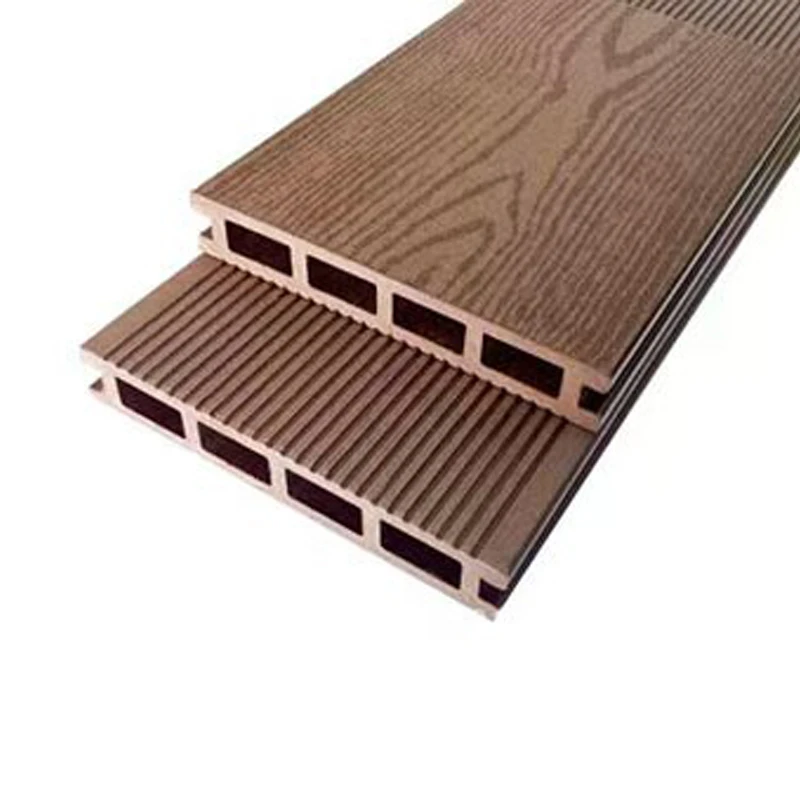
PPR pipes manufactured using advanced extrusion lines find extensive applications in diverse sectors. These include residential and commercial plumbing for hot and cold water distribution, industrial piping for transporting fluids in chemical processing plants, heating systems for underfloor heating and radiator connections, and agricultural irrigation systems. The pipes' corrosion resistance, high temperature tolerance, and excellent flow characteristics make them ideal for these applications.
Maintenance and Troubleshooting of PPR Pipe Extrusion Lines
Regular maintenance is crucial for ensuring the longevity and optimal performance of your PPR pipe extrusion line. This includes routine cleaning of the extruder, die head, and calibration sleeve, as well as lubrication of moving parts. Common issues such as pipe surface defects, dimensional inconsistencies, and production slowdowns can often be traced to clogged dies, worn heating elements, or improper temperature settings. Regular inspections and preventative maintenance can minimize downtime and ensure consistent product quality. Partnering with a reputable supplier like AHDC11 provides access to expert support and readily available spare parts.
Conclusion: Investing in a Quality PPR Pipe Extrusion Line
Investing in a high-quality PPR pipe extrusion line is a strategic decision for any manufacturer aiming to capitalize on the growing demand for PPR pipes. By carefully considering your production needs, selecting a reliable supplier, and implementing a robust maintenance program, you can ensure consistent product quality, maximize efficiency, and achieve long-term profitability.
Frequently Asked Questions (FAQs)
What is the typical power consumption of a PPR pipe extrusion line?
Power consumption varies significantly depending on the line's size, capacity, and automation level. A smaller, entry-level line might consume around 50-80 kW, while a large, fully automated line can consume 150-250 kW or more. Energy-efficient motors, optimized heating systems, and smart controls can help minimize power consumption and reduce operating costs. Choosing a supplier offering energy-saving technologies is a smart investment.
What safety features should I look for in a PPR pipe extrusion line?
Safety is paramount. Look for features like emergency stop buttons, safety guards around moving parts, overload protection for motors, and temperature sensors to prevent overheating. Proper grounding and electrical safety measures are also essential. Training operators on safe operating procedures is crucial for preventing accidents.
What type of PPR resin is best suited for extrusion?
Random copolymer PPR (Type 3) is generally the preferred choice for extrusion due to its superior flow properties and impact resistance. Homopolymer PPR (Type 1) is more rigid but can be more challenging to process. Copolymmer PPR (Type 2) offers a balance between the two. The choice of resin will also depend on the specific application and desired pipe properties.
How long does it take to install and commission a PPR pipe extrusion line?
Installation and commissioning time can vary from several days to a few weeks, depending on the complexity of the line and the availability of qualified technicians. It’s crucial to work with an experienced installation team who can ensure proper setup, calibration, and testing. AHDC11 offers comprehensive installation and commissioning services to get your line up and running quickly and efficiently.
-
High Efficiency PE Extrusion Line Guide for Plastic ManufacturingNewsApr.16,2026
-
High Speed Steel Wire Mesh HDPE Composite Pipe Production Line - Anhui Dongchai|High Automation&Energy EfficiencyNewsApr.13,2026
-
High Speed Steel Wire Mesh HDPE Composite Pipe Production Line - Anhui Dongchai|High Automation&Energy EfficiencyNewsApr.13,2026
-
Guide to Choosing High Efficiency ppr pipe extrusion machineNewsApr.09,2026
-
Comprehensive Guide to Modern Pipe Production Line Technologies and OptimizationNewsApr.07,2026
-
Choosing the Right Extrusion Pipe Machine for Optimal Plastic Pipe ProductionNewsApr.04,2026
-
Understanding the Functionality and Applications of a Pipe Extruder SystemNewsMar.28,2026


