
Understanding the PVC Pipe Production Line: Why It Matters Globally
If you're someone interested in manufacturing, infrastructure, or even humanitarian logistics, you might have come across the term pvc pipe production line. It sounds technical — and honestly, it is — but it underpins some of the very basics of modern living. Water supply, sewage systems, irrigation, electrical conduits: almost all rely on PVC pipes crafted via these production lines. Understanding how these lines work helps you grasp an essential industry that, frankly, most of us take for granted.
Globally, PVC pipes have surged in importance. The United Nations, in its water report, emphasizes improved water infrastructure as key for sustainable development. Copper and iron pipes, once dominant, struggle with corrosion and higher costs, making PVC pipes a preferred alternative worldwide. The pvc pipe production line is where the magic happens — turning raw materials into durable, versatile piping that keeps entire cities, farms, and industries running.
The Global Scene: Why PVC Pipe Production Lines Are More Relevant Than Ever
This isn't just a matter of pipes on a map. According to ISO standards and World Bank infrastructure projects, demand for PVC pipes is expected to increase by over 5% annually across Asia, Africa, and parts of Latin America. Why? Because these regions are rapidly expanding their urban footprint and urgently require reliable water and sanitation networks.
Yet challenges remain — limited technical expertise, inconsistent quality control, or expensive setup costs make scaling production tricky. This is where understanding the pvc pipe production line ecosystem can save money and time. With better machinery and smart production techniques, manufacturers can better serve these growing markets.
What Exactly Is a PVC Pipe Production Line?
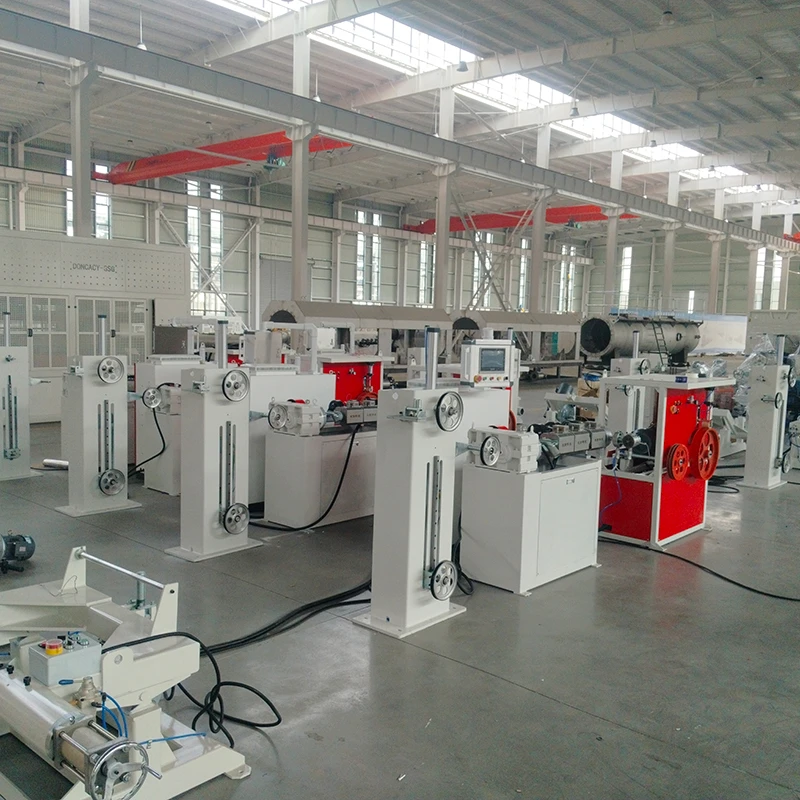
At its core, a PVC pipe production line is a sequence of industrial equipment designed to manufacture polyvinyl chloride (PVC) pipes from raw resin. The process includes mixing, extrusion, cooling, sizing, cutting, and sometimes printing or coiling.
Think of it as a conveyor belt of transformation — turning tiny plastic pellets into standardized pipes ready to lay underground or inside buildings. These pipes are indispensable not just for plumbing but also for electrical wiring protection, agricultural irrigation, and even certain industrial chemical transports.
Mini Takeaway:
The PVC pipe production line is a crucial manufacturing process, driving supply chains that support basic human needs and infrastructure.
Key Components & Factors in a PVC Pipe Production Line
1. Extruder Unit
This is the heart of the system. It melts and shapes the PVC resin under heat and pressure. Precision here ensures the pipe’s wall thickness and diameter meet rigorous industry standards.
2. Calibration and Cooling Tanks
Once extruded, the pipe passes through calibration tanks that maintain its shape by water cooling. Without consistent cooling, pipes might warp or shrink, leading to quality issues.
3. Haul-Off Machine
This machine pulls the pipe steadily from the extruder at the right speed, preventing stretching or deformation.
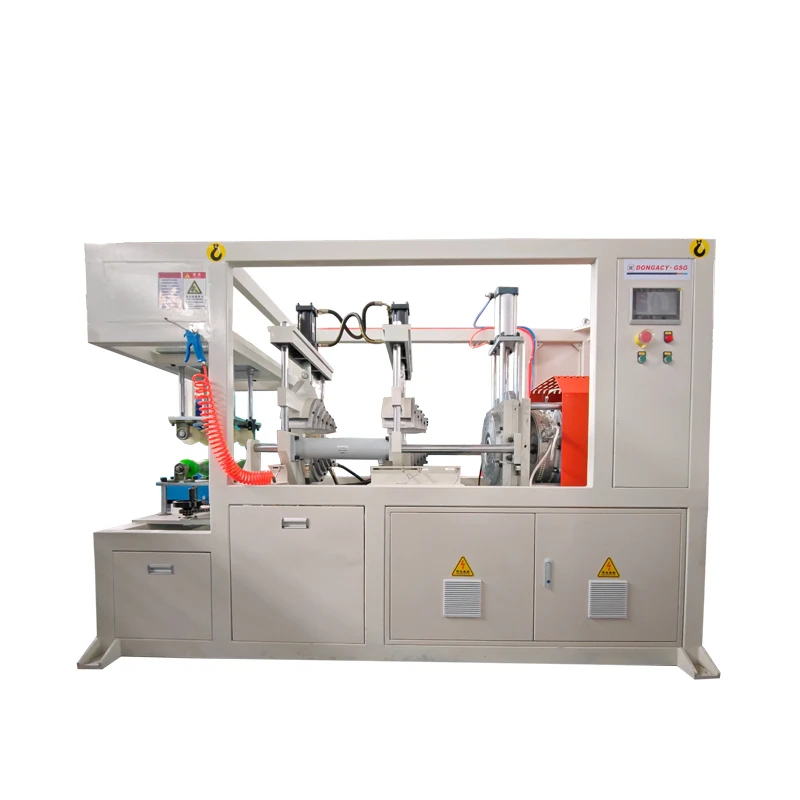
4. Cutting & Sizing Equipment
After haul-off, pipes are cut to standard lengths or customized sizes. Precise cutting ensures fitting compatibility on-site.
5. Quality Inspection Systems
Advanced lines often feature sensors and cameras inspecting the pipe wall thickness, roundness, and surface defects in real-time — reducing waste and boosting reliability.
6. Material Handling & Storage
Automation in stacking or coiling finished pipes enhances efficiency and reduces manual labor injuries.
Mini Takeaway:
The synergy of these components ensures that a pvc pipe production line can efficiently churn out high-quality pipes meeting diverse industry needs.
Where in the World Are These Production Lines Making an Impact?
From sprawling urban centers in India to agricultural hubs in Brazil, pvc pipe production lines empower local economies and improve lives. Notably:
- Asia: Fast urbanization and government investments in sanitation infrastructure drive massive demand.
- Africa: NGOs and governments often partner to install PVC piping for water access in remote areas — where traditional metal piping fails due to rust.
- Europe & Americas: Industrial and residential applications emphasize sustainability, pushing for eco-friendly PVC production lines reducing emissions.
In real terms, pipes produced via these lines have helped post-disaster relief by restoring broken water systems swiftly — a practical marvel when every hour counts.
Advantages & Long-Term Value: Why Manufacturers and Users Trust PVC
PVC pipes are popular for many solid reasons:
- Cost Efficiency: Compared with metal or concrete pipes, PVC is vastly cheaper to produce and transport.
- Durability: Resistant to corrosion, chemicals, and UV radiation, PVC pipes maintain integrity for decades.
- Sustainability: New production lines incorporate energy-saving motors and recycling abilities, cutting environmental footprints.
- Safety and Hygiene: PVC is inert — it won’t leach harmful substances into drinking water.
- Customization: Modern lines can create pipes in various sizes, thicknesses, and colors depending on use.
Product Specification Table
| Specification | Typical Range | Comments |
|---|---|---|
| Pipe Diameter | 20mm – 1600mm | Varies by line; multi-extruder options available |
| Production Speed | 5-25 m/min | Depends on pipe size and machine setup |
| Power Consumption | 50-100 kW | Higher for larger diameter pipes |
| Material Compatibility | Rigid PVC, CPVC, Modified PVC | Allows flexibility in applications |
| Automation Level | Manual to Full Automatic | Modern lines trend toward full automation |
Comparing Leading PVC Pipe Production Line Vendors
| Vendor | Product Range | Automation Features | Approximate Cost | Global Reach |
|---|---|---|---|---|
| Company A | 20mm-1200mm pipes | Semi-automated | $350,000 – $600,000 | Asia, Africa |
| Company B | 50mm-1600mm high-end | Full automation + IoT monitoring | $700,000 – $1.2M | Europe, North America, Asia |
| Company C | 20mm-800mm budget-friendly | Manual with optional automation modules | $150,000 – $300,000 | Local & regional markets |
Future Trends & Innovations in PVC Pipe Production Lines
Looking ahead, manufacturers are embracing smart factory concepts. This means integrating IoT sensors to instantly detect pipe defects or energy inefficiencies. There's also a push for greener materials and recycling technology to reuse PVC scrap right on-site. Automated robotics reduce human exposure to heat and chemicals, improving safety overall.
One less obvious but exciting trend is circular economy initiatives. Suppliers aim to develop pipelines that can be fully recycled at the end of their life cycle, closing the sustainability loop. This resonates not only with environmentalists but also cost-conscious industrial buyers.
Common Challenges & How Industry Leaders Solve Them
Every production line has its hiccups. Common issues include inconsistent raw material quality, equipment downtime, or difficulty maintaining dimensional accuracy at high speeds.
Experts recommend proactive maintenance, supplier audits, and investing in advanced cooling and calibration systems. Some plants implement predictive analytics to foresee breakdowns before they happen, a classic Industry 4.0 application.
Frequently Asked Questions About PVC Pipe Production Line
- Q1: What is the ideal production speed for a PVC pipe production line?
- A: Typically, production speeds range between 5 to 25 meters per minute, depending on pipe diameter and machine configuration. Balancing speed with quality is crucial — pushing too hard may cause defects.
- Q2: Can PVC pipe production lines handle customized pipe sizes?
- A: Yes, many modern lines offer adjustable dies and calibration systems to produce pipes of various diameters and wall thicknesses. Customization is common for industrial or agricultural uses.
- Q3: How energy efficient are today's PVC pipe production lines?
- A: New production lines increasingly use energy-saving motors and smart automation to reduce overall power consumption, making them more eco-friendly and cost-effective over time.
- Q4: What are the main maintenance requirements for a PVC pipe production line?
- A: Regular cleaning, lubrication of moving parts, inspection of calibration tanks, and frequent checking of extruder screws and dies help ensure optimal performance and longevity.
- Q5: Are there standards to ensure the quality of pipes produced?
- A: Absolutely. ISO and ASTM provide specifications for pipe dimensions, pressure ratings, and material properties. Many production lines integrate sensors to comply with such standards.
Conclusion: Why Investing in a PVC Pipe Production Line Is a Smart Long-Term Choice
Summing it up, the pvc pipe production line isn’t just some industrial jargon. It's the backbone of water infrastructure and sanitation solutions that millions rely on daily. With growing global needs — and environmental pressures — investing in advanced, efficient production lines is a clear way to build resilience, improve quality, and lower costs.
If you are considering stepping into this manufacturing space or upgrading your existing line, I highly encourage you to visit our website for detailed info and expert guidance. Believe me, the future is piping hot.
Final Mini Takeaway:
Reliable PVC pipe production lines translate into better water systems, enhanced sustainability, and stronger economies worldwide.
References
-
High Efficiency PE Extrusion Line Guide for Plastic ManufacturingNewsApr.16,2026
-
High Speed Steel Wire Mesh HDPE Composite Pipe Production Line - Anhui Dongchai|High Automation&Energy EfficiencyNewsApr.13,2026
-
High Speed Steel Wire Mesh HDPE Composite Pipe Production Line - Anhui Dongchai|High Automation&Energy EfficiencyNewsApr.13,2026
-
Guide to Choosing High Efficiency ppr pipe extrusion machineNewsApr.09,2026
-
Comprehensive Guide to Modern Pipe Production Line Technologies and OptimizationNewsApr.07,2026
-
Choosing the Right Extrusion Pipe Machine for Optimal Plastic Pipe ProductionNewsApr.04,2026
-
Comprehensive Guide to PPR Pipe Extrusion Line Technology and ApplicationsNewsMar.31,2026


