
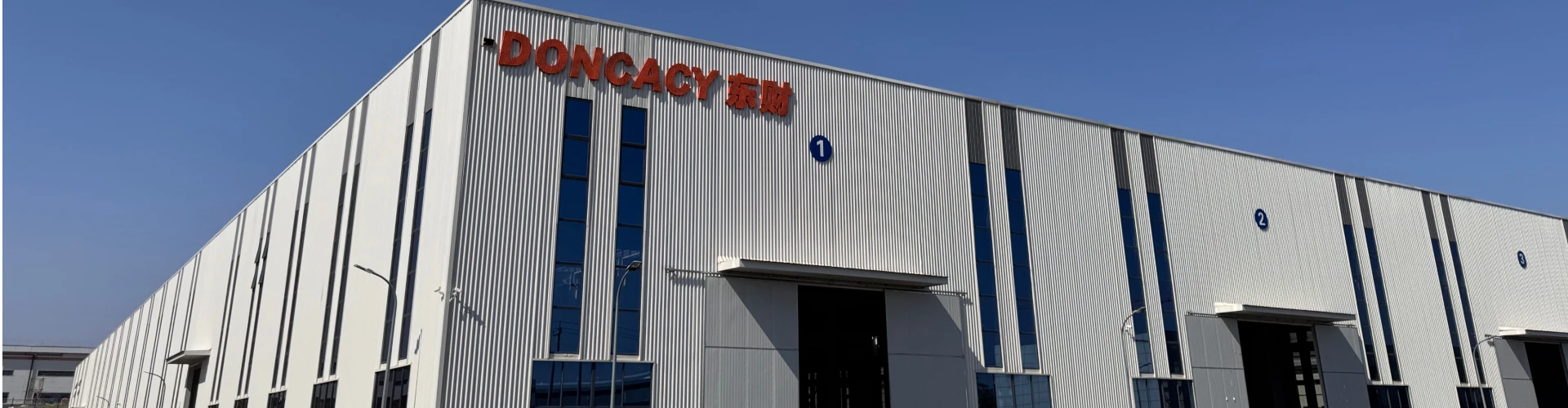
The Power Behind pp ppr pe pvc Pipe Extruder Machine: A Global Perspective
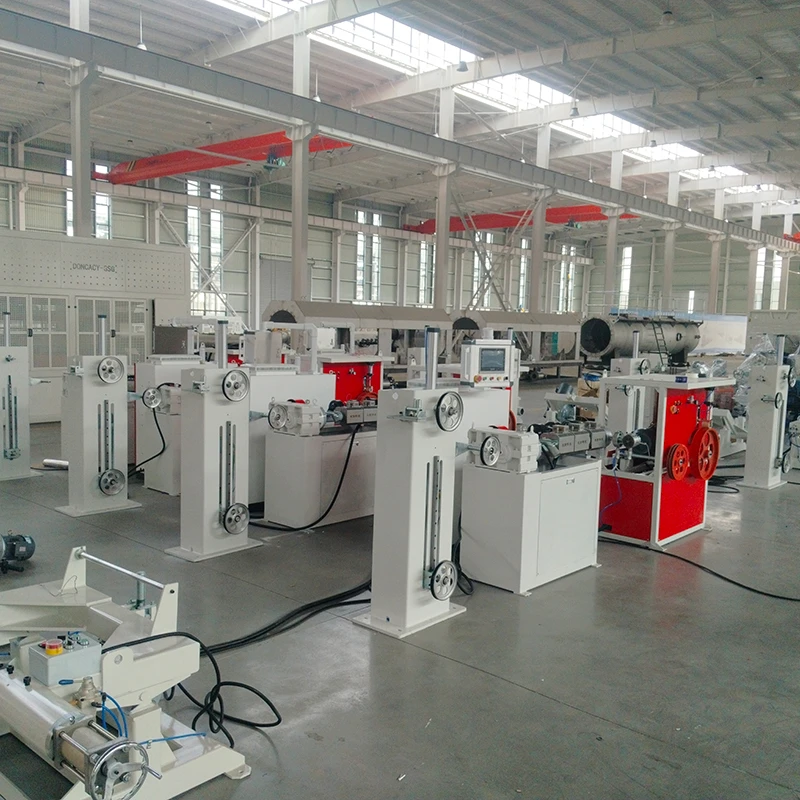
At its core, a pp ppr pe pvc pipe extruder machine is a mechanical marvel shaping the plastic pipes that run beneath our cities, homes, and industries. These pipes — made from polypropylene (PP), polypropylene random copolymer (PPR), polyethylene (PE), and polyvinyl chloride (PVC) — are essential in delivering water, gas, and even electrical conduits worldwide. Understanding this extrusion technology is not just for engineers; it’s about appreciating a foundational element of modern infrastructure that affects everything from urban development to environmental sustainability.
Why should we care globally? The pipe extrusion industry is a quiet giant underpinning essential services and infrastructural growth, especially in rapidly developing regions. World Bank estimates show that access to clean water networks is still a challenge in many parts of Asia and Africa, where pipe quality and availability matter greatly. These extruder machines enable mass production of durable, affordable piping, tackling global challenges like safe drinking water and efficient irrigation. Knowing how these machines work sheds light on sustainable development practices and innovation in manufacturing.
Setting the Stage: Why the Globally Relevant pp ppr pe pvc Pipe Extruder Machine Matters Today
The world is urbanizing fast; the UN reports that by 2050, nearly 68% of the population will live in cities. This growth puts pressure on infrastructure, especially water supply and waste management, both heavily reliant on reliable plastic piping systems. Raw materials like PP, PPR, PE, and PVC are widely available and recyclable, creating opportunities for more eco-friendly production methods. Yet, challenges remain — poor-quality pipes can cause leaks, contamination, and costly repairs.
Enter the pp ppr pe pvc pipe extruder machine. As the heart of pipe manufacturing, it ensures pipes meet stringent standards, boosting lifespan and safety of vital networks. Advances in extrusion technology are key to tackling these infrastructure woes globally, creating pipes faster and with better quality control.
What Exactly Is a pp ppr pe pvc Pipe Extruder Machine?
Simply put, this is a specialized industrial machine designed to melt and shape thermoplastic materials (PP, PPR, PE, PVC) into continuous pipe forms. It combines heat, pressure, and an extrusion die to transform raw plastic pellets or granules into pipes of varying diameters and thicknesses.
Think of it as a high-tech sausage maker, but for plastic pipes that can carry water, gas, or cables. Its ability to customize pipe dimensions and wall properties reflects modern demands across sectors — from municipal water systems to agricultural irrigation to industrial piping.
Core Components Defining Performance and Quality
1. Precision Screw and Barrel Design
The screw inside the extruder melts and pushes the plastic forward. Its design — pitch, length-to-diameter ratio — affects material melting uniformity, throughput, and energy use. A well-engineered screw ensures the pipe resin is well-mixed and consistently heated.
2. Temperature Control and Heating Zones
Extruders usually feature multiple heating zones. Precise temperature settings prevent degradation of plastic and ensure pipes have the right elasticity and strength. Skimping on temperature control? Expect weaker pipes and more rejects.
3. Die and Calibration Systems
The die shapes molten plastic; its design influences final pipe diameter and wall thickness. Downstream calibration setups cool and stabilize pipes immediately to maintain shape and dimensions.
4. Automation and Monitoring
Modern extruders integrate sensors and PLC controls, letting operators tune parameters in real-time. Some machines even feature automatic defect detection, enhancing quality assurance and reducing waste.
5. Material Compatibility and Versatility
Since the machine handles different plastics — PP, PPR, PE, PVC — flexibility is vital. Quick die exchange systems and adaptable screw profiles make it easier to switch material types depending on production needs.
Mini takeaway: The interplay of these core components determines output quality and operational efficiency — crucial for industries relying on durable pipe solutions.
Global Applications: From Deserts to Cities
- Urban Water Supply: Cities worldwide rely on plastic piping extrusion to replace aging metal pipes, reducing corrosion and contamination risks.
- Agricultural Irrigation: In arid regions like the Middle East and parts of Africa, extruded PE and PPR pipes deliver water efficiently, optimizing scarce resources.
- Industrial Projects: Chemical plants and power stations use PVC and PP piping for their chemical resistance and durability, manufactured on these extruders.
- Disaster Relief and Infrastructure Upgrades: After events like floods or earthquakes, rapid pipe manufacturing supports emergency water and sanitation systems.
For example, in rural India, local extrusion units use these machines to fabricate affordable pipes empowering small-scale farmers with reliable irrigation solutions. In Europe, advanced extrusion machines help meet stringent environmental standards.
Advantages of Investing in Quality Extruder Technology
Cost efficiency is enormous here — producing pipes on-site or nearby reduces shipping costs and wastage. High precision extrusion means fewer leaks, cutting long-term repair expenses.
From a sustainability perspective, the ability to recycle materials into new pipes feeds circular economy goals. Many manufacturers now incorporate recycled plastics without compromising pipe integrity, an encouraging trend.
On a social level, better infrastructure pipes mean safer drinking water, improved sanitation, and urban health benefits. Technology enabling this indirectly protects dignity and wellbeing, which sometimes gets overlooked in technical talks.
Specifications at a Glance: Typical pp ppr pe pvc Pipe Extruder Machine
| Specification | Typical Value / Range |
|---|---|
| Pipe Outer Diameter (OD) | 16mm – 630mm |
| Production Speed | 5 – 30 m/min (depends on pipe size) |
| Motor Power | 22 kW – 150 kW |
| Max Processing Temperature | 280°C |
| Material Compatibility | PP, PPR, PE, PVC |
| Automation Level | Semi-auto to Full-auto |
How Different Vendors Stack Up: A Quick Comparison
| Manufacturer | Price Range | Automation Features | Material Range | Lead Time |
|---|---|---|---|---|
| Alpha Extrusion Co. | $120k – $250k | Full automation with real-time monitoring | PP, PPR, PE, PVC | 8–12 weeks |
| Beta Machines Ltd. | $80k – $180k | Semi-automatic with basic controls | PE, PVC | 6–10 weeks |
| Gamma Tech Solutions | $150k – $300k | Integrated IoT and cloud reporting | PP, PPR, PE | 12–16 weeks |
Current Challenges and How Experts Are Tackling Them
Despite the sophistication, some hurdles persist:
- Material Waste: During die changes or initial runs, scrap rates can climb. Companies are experimenting with inline recycling units to reprocess waste instantly.
- Energy Consumption: High motor and heating power use spurs energy costs. Innovations like variable frequency drives (VFDs) and precision heating zones help trim consumption.
- Quality Consistency: Temperature fluctuations or screw wear can lead to defects. Advanced sensors and predictive maintenance software are increasingly commonplace fixes.
Looking Ahead: Innovation and the Future of Pipe Extrusion
Emerging trends will certainly shape the future of pp ppr pe pvc pipe extruder machines:
- Green Materials: Bio-based plastics and recycled composites are gaining traction, pushing extrusion machines to adapt sealing and heat profiles.
- Automation & AI: Next-gen machines will incorporate machine learning to self-tune and detect minute defects early, reducing downtime.
- Smart Manufacturing: IoT connectivity enables real-time production analytics and remote troubleshooting — a boon during global supply disruptions.
- Customization & Modular Designs: Smaller, flexible extrusion units for onsite or mobile production are under development, ideal for regional needs.
FAQ: Practical Questions About pp ppr pe pvc Pipe Extruder Machines
- What factors should I consider when purchasing a pipe extruder machine?
- Focus on material compatibility, production capacity, automation level, after-sales support, and energy efficiency. It's important to match machine specs with your target pipe sizes and throughput requirements.
- Can these extruder machines handle recycled plastics effectively?
- Yes, many modern machines are designed to process recycled pellets, though material quality affects output consistency. Some vendors offer specific screw and barrel options optimized for recycled feedstocks.
- How much maintenance do these machines typically require?
- Regular cleaning of screws, barrels, and dies is essential. Predictive maintenance enabled by sensors can forecast wear and help schedule downtime, minimizing production losses.
- Are pp ppr pe pvc pipe extruder machines customizable?
- Absolutely. Many manufacturers offer modular solutions to adjust motor power, screw dimensions, and automation according to your production needs.
- How can small manufacturers improve pipe quality during extrusion?
- Implement stringent temperature controls, invest in calibration units, and maintain regular machine checks. Training operators on process variables also significantly reduces defects.
Bringing It All Together: Why Investing in a pp ppr pe pvc Pipe Extruder Machine Is Forward Thinking
To sum it up, this technology is quiet but vital, weaving itself into the fabric of global infrastructure — all pipe networks depend on it. Investing in a high-quality pp ppr pe pvc pipe extruder machine means embracing durability, cost-efficiency, and sustainability for years to come. As urbanization and environmental priorities grow, extrusion tech keeps evolving, promising smarter, greener, and faster production that benefits industries and communities alike.
If you’re considering your next big step in pipe manufacturing, or upgrading current tech, don’t hesitate to explore options and innovations available today. Visit our website https://www.ahdc11.com to get started or discover tailored solutions.
References
-
High Efficiency PE Extrusion Line Guide for Plastic ManufacturingNewsApr.16,2026
-
High Speed Steel Wire Mesh HDPE Composite Pipe Production Line - Anhui Dongchai|High Automation&Energy EfficiencyNewsApr.13,2026
-
High Speed Steel Wire Mesh HDPE Composite Pipe Production Line - Anhui Dongchai|High Automation&Energy EfficiencyNewsApr.13,2026
-
Guide to Choosing High Efficiency ppr pipe extrusion machineNewsApr.09,2026
-
Comprehensive Guide to Modern Pipe Production Line Technologies and OptimizationNewsApr.07,2026
-
Choosing the Right Extrusion Pipe Machine for Optimal Plastic Pipe ProductionNewsApr.04,2026
-
Comprehensive Guide to PPR Pipe Extrusion Line Technology and ApplicationsNewsMar.31,2026


