
The Essential Guide to PVC Board Production Lines
When you think about the world’s infrastructure and the materials silently holding it all together, PVC boards and their production lines might not leap to mind. But here’s a little secret — understanding pvc board production line operations reveals a surprising glimpse into an industry quietly powering construction, packaging, and even humanitarian relief worldwide. Why does it matter? Because PVC boards serve as lightweight, durable, and versatile materials that solve problems from housing shortages to industrial applications.
How PVC Board Production Lines Fit into the Global Industry Picture
Globally, construction and manufacturing demand sustainable, cost-effective materials that can scale fast. According to the International Organization for Standardization (ISO), PVC accounts for roughly 20% of all plastic production, servicing sectors from medical uses to construction. The UN’s Sustainable Development Goals indirectly nudge industries toward environmentally conscious choices — and PVC board production lines are evolving to respond.
Still, many manufacturers face challenges related to energy consumption, quality consistency, and meeting the rapid pace of urban expansion — issues a well-optimized PVC board production line aims to solve by automating and controlling processes.
Takeaway:
- PVC boards form an indispensable building block in modern infrastructure.
- Production lines need to balance efficiency with sustainability to meet global demand.
What Exactly Is a PVC Board Production Line?
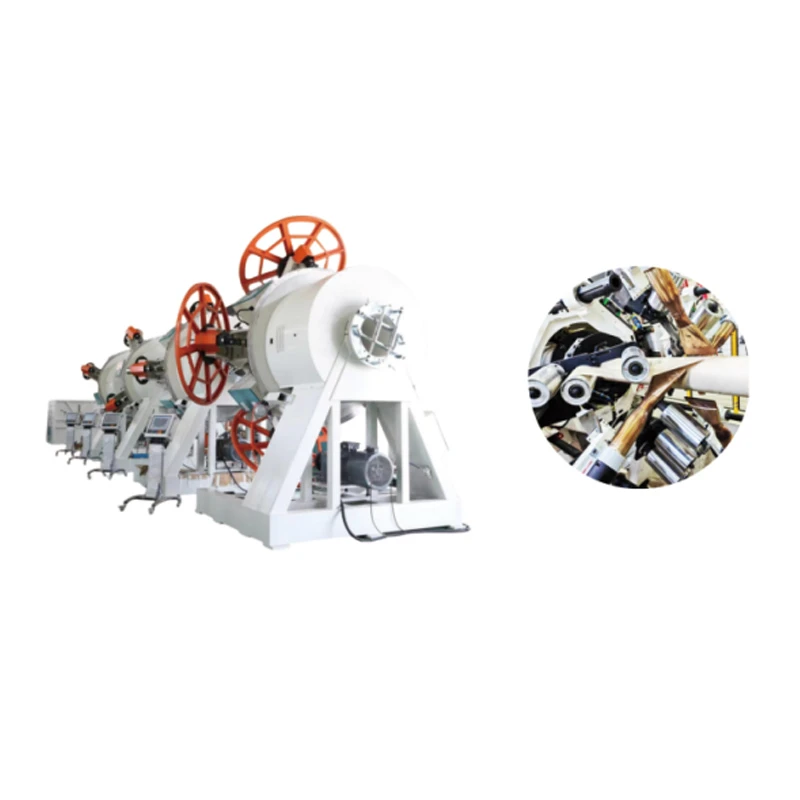
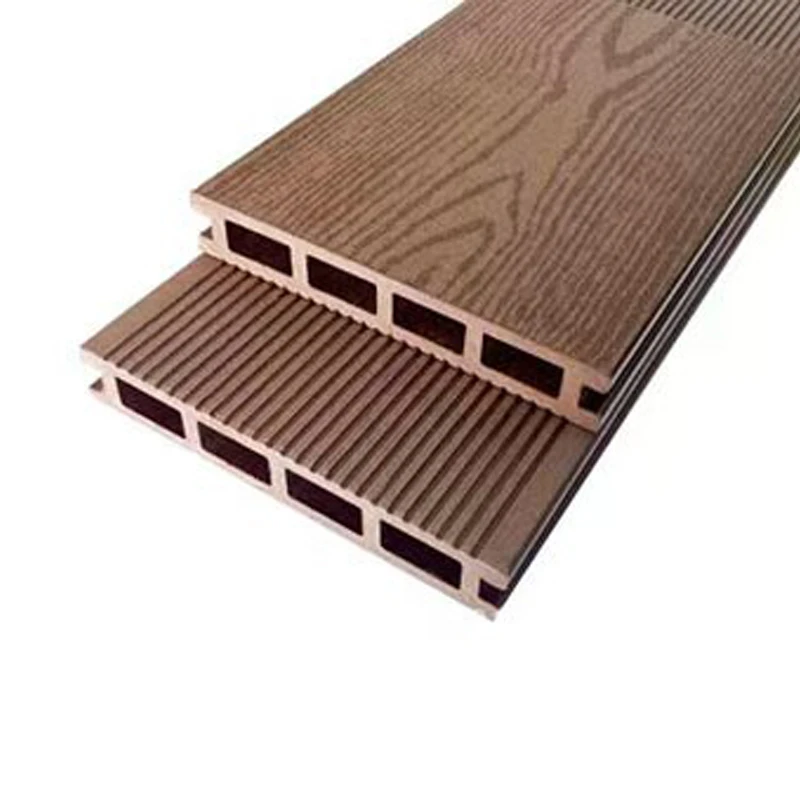
In simple terms, a PVC board production line is a series of machines and processes that transform polyvinyl chloride resin—plus additives and fillers—into flat, consistent boards. These boards can then be used for signage, wall panels, furniture components, or construction materials.
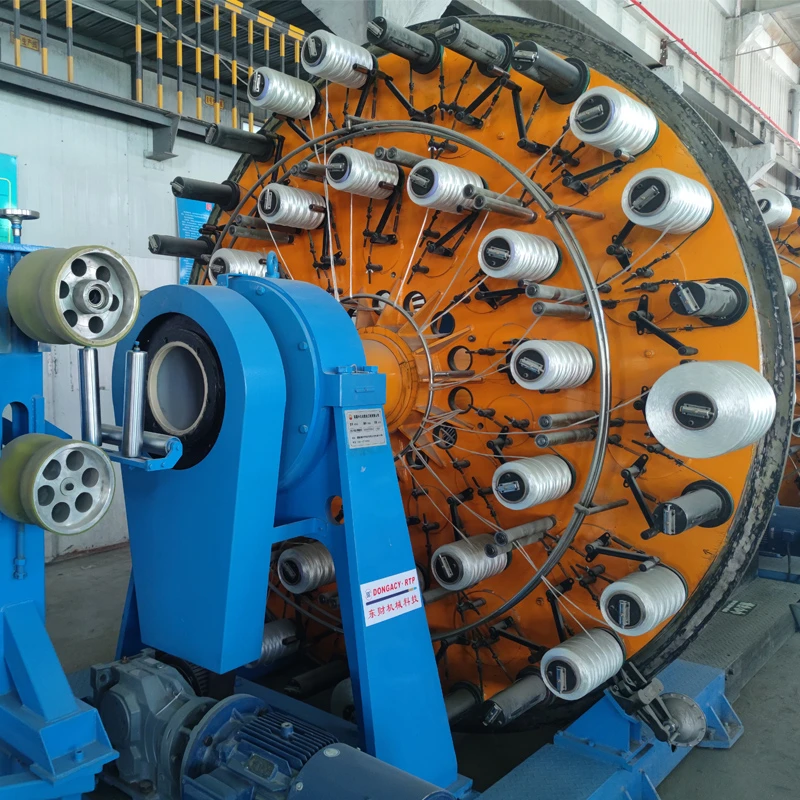
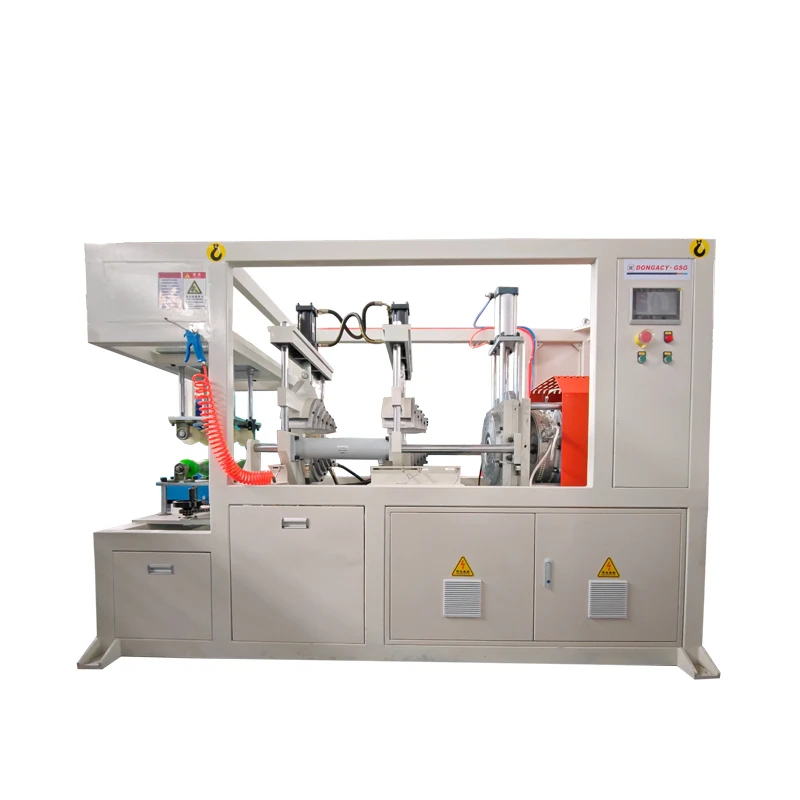
Think of it as a small factory chain: raw materials get mixed → heated → extruded through molds → cooled → cut to size. Everything’s designed to ensure the final product is sturdy, uniform, and ready for versatile uses.
Given the global housing crises and the call for quick-deploy solutions, PVC boards are also finding humanitarian uses as prefabricated panels, which help build shelters rapidly and affordably.
Core Aspects of Modern PVC Board Production Lines
1. Durability & Material Quality
High-quality PVC boards must resist moisture, corrosion, and fire. Key additives enhance these properties during production — these choices are crucial for end-users who rely on longevity and safety, particularly in harsh environments.
2. Scalability & Throughput
Production lines vary — some are small-scale for specialty boards, others are mega-factories pumping out thousands of square meters daily. Scalability matters because demand often spikes in urbanizing regions or during emergency relief efforts.
3. Energy Efficiency & Environmental Control
Modern lines integrate energy-saving motors and precise temperature regulation to cut down on waste. Manufacturers increasingly incorporate green energy or recycle scrap materials to align with tighter environmental regulations.
4. Automation & Quality Control
Automated sensors monitor thickness, surface texture, and chemical uniformity in real-time. This reduces manual error and improves product consistency — vital when the boards are used structurally or in appearance-sensitive projects.
5. Flexibility & Customization
Depending on customer needs, boards can be customized for thickness, color, rigidity, or even flame retardancy. Flexible lines can switch production runs rapidly — a feature highly prized by exporters and niche manufacturers.
Mini Summary:
- Durability plus customization are the secret sauce behind PVC board versatility.
- Automation and energy efficiency are trends shaping production quality and sustainability.
Where in the World Are PVC Production Lines Making a Difference?
From Southeast Asia’s booming construction sectors to Europe’s eco-conscious markets, PVC boards produced on these lines serve countless industries. For example:
- Post-disaster relief: In regions affected by natural disasters, PVC boards quickly form the basis for prefab shelters—lightweight, weather-resistant, and easy to transport.
- Industrial applications: Remote zones use these boards in manufacturing protective equipment or lightweight containers, where traditional wood or metals pose challenges.
- Signage and advertising: Urban centers rely on PVC boards’ smooth finishes for high-quality signboards that last through weather extremes.
These applications illustrate how the production line’s efficiency directly impacts availability, affordability, and quality worldwide.
Advantages and Long-Term Value of Investing in PVC Board Production Lines
Investing in advanced PVC board production lines brings more than raw output — it delivers long-term gains in:
- Cost-effectiveness: Reduced manual labor, material waste, and energy consumption trim costs per unit.
- Sustainability: Newer lines recycle offcuts and can integrate bio-based PVC variants, appealing to eco-conscious consumers.
- Reliability & Safety: Consistent quality reduces product failures and enhances end-user trust.
- Social Impact: Rapid production means faster delivery of solutions for shelter, infrastructure, and medical uses.
Many engineers and plant managers say that a well-run line “feels like a living organism,” responsive to tweaks and market needs alike.
PVC Board Production Line – Key Specifications at a Glance
| Specification | Typical Range / Value | Notes |
|---|---|---|
| Extruder Type | Single/double screw | Double screws for better mixing |
| Board Thickness | 2mm – 30mm | Adjustable per output specs |
| Production Speed | 2 – 10 m/min | Depends on model & customization |
| Output Capacity | 500 – 3000 kg/day | Varies by machine size |
| Power Consumption | 50 – 150 kW | Higher throughput needs more power |
| Automation Level | Semi to full | Full automation boosts uniformity |
Comparing Top PVC Board Production Line Vendors
| Feature / Vendor | Vendor A | Vendor B | Vendor C |
|---|---|---|---|
| Automation Level | Full | Semi | Full |
| Energy Efficiency | High | Medium | High |
| Customization Options | Extensive | Limited | Moderate |
| After-Sales Support | 24/7 global support | Business hours only | Regional |
| Price Range | High | Low to Medium | Medium |
What’s Next? Innovations at the Cutting Edge of PVC Board Production
The future is sort of bright — and green. Industry insiders talk about bioplastic blends and chemical recycling technologies that could redefine the “PVC” in PVC boards. Integration of IoT (Internet of Things) devices is making production lines smarter than ever. Imagine real-time defect detection or energy use optimization that adjusts itself automatically. That’s not sci-fi — that’s gradually becoming today’s reality.
Plus, stricter sustainability policies mean manufacturers must innovate to reduce their carbon footprint — be it by switching to solar-powered plants or designing boards that are easier to recycle at end-of-life.
Common Roadblocks and How to Overcome Them
Despite advancements, challenges remain:
- Initial capital investment: Modern lines don't come cheap, especially with top-tier automation.
- Raw material fluctuations: PVC resin prices can be volatile due to petrochemical markets.
- Environmental regulations: Compliance requires investments in emissions controls and waste handling.
Industry experts suggest phased upgrades and collaborations with suppliers to lock in stable pricing. Additionally, localizing supply chains improves reliability and sustainability — a growing trend in many countries.
Frequently Asked Questions About PVC Board Production Lines
Q1: What factors affect the quality of PVC boards in production lines?
The quality largely depends on the raw materials used (PVC resin and additives), precise temperature control during extrusion, and consistent cooling. Automated sensors and quality control systems help maintain uniform thickness and surface finish, reducing defects.
Q2: Can PVC board production lines be customized to produce different board thicknesses?
Yes, many production lines offer flexible die and cooling systems allowing operators to adjust thickness typically from 2mm up to 30mm or more. This customization caters to diverse end-user requirements.
Q3: How energy-intensive is operating a PVC board production line?
Energy consumption varies by line size and technology but generally ranges between 50 to 150 kW. Modern models increasingly adopt energy-saving motors and heat recovery systems to lower operational costs and environmental impact.
Q4: Is it possible to export PVC boards made from these lines internationally?
Absolutely. PVC boards are widely shipped globally due to their lightweight and durable nature. Compliance with international quality standards and proper packaging ensures safe transit and acceptance abroad.
Q5: What improvements are expected in future PVC board production?
Expect increased automation, IoT-based monitoring, incorporation of bio-based PVC blends, and more environmentally friendly recycling practices — all tailored toward precision, sustainability, and cost-efficiency.
Conclusion: Why PVC Board Production Lines Are Critical for Tomorrow’s Industries
At the intersection of evolving urban demands, environmental concerns, and technological breakthroughs, PVC board production lines stand as quiet heroes. They enable a versatile, scalable material solution that supports everything from fast housing to resilient signboards—all while moving toward greener, smarter manufacturing. If you’re considering investing or upgrading, it’s worth checking out trusted suppliers and detailed specs available through platforms like pvc board production line. After all, the build quality of tomorrow often begins with the equipment you choose today.
References
-
High Efficiency PE Extrusion Line Guide for Plastic ManufacturingNewsApr.16,2026
-
High Speed Steel Wire Mesh HDPE Composite Pipe Production Line - Anhui Dongchai|High Automation&Energy EfficiencyNewsApr.13,2026
-
High Speed Steel Wire Mesh HDPE Composite Pipe Production Line - Anhui Dongchai|High Automation&Energy EfficiencyNewsApr.13,2026
-
Guide to Choosing High Efficiency ppr pipe extrusion machineNewsApr.09,2026
-
Comprehensive Guide to Modern Pipe Production Line Technologies and OptimizationNewsApr.07,2026
-
Choosing the Right Extrusion Pipe Machine for Optimal Plastic Pipe ProductionNewsApr.04,2026
-
Comprehensive Guide to PPR Pipe Extrusion Line Technology and ApplicationsNewsMar.31,2026


