
What is a Plastic Pipe Extruder and Why Should You Care?
If you've ever marveled at the vast networks of pipelines safely carrying water, gas, or telecom cables beneath cities or across remote fields, you'd be surprised how many of those pipes owe their existence to a nifty piece of industrial equipment called the plastic pipe extruder. At first glance, it sounds technical — and it is — but understanding its role unfolds a story about infrastructure, sustainability, and global development.
Plastic pipe extruders are machines that transform raw plastic pellets into continuous lengths of pipe, shaping them to precise diameters and properties as demanded by construction, agriculture, or even high-tech industries.
Why does this tiny cog matter on a global scale? Well, according to the United Nations, over 700 million people worldwide still lack access to safe drinking water. Durable plastic piping systems can be a game-changer for these communities — and an extruder is often the first step in producing these pipes locally and affordably.
Mini takeaway: Plastic pipe extruders quietly power essential water and energy applications globally, influencing sustainability and human well-being.
Plastic Pipe Extruder in the Global Landscape
Globally, the demand for plastic piping systems has soared over the last two decades — International Organization for Standardization (ISO) standards shape the industry to ensure quality and safety, while the World Bank highlights infrastructure as a cornerstone of economic progress. The plastic pipe extruder enables manufacturers to meet these rising demands with consistent quality and reduced costs.
One key challenge lies in balancing eco-conscious production with affordability. Plastic pipes replace traditional materials like metal or concrete, which are heavier, prone to corrosion, or more expensive — yet plastic production must critically address environmental impacts. Today’s extruder technology responds by streamlining energy use and enabling recycled-material feeds.
Mini takeaway: Plastic pipe extruders meet rising global infrastructure needs while adapting to sustainability pressures — a technical but important balancing act.
Getting to Grips with the Plastic Pipe Extruder
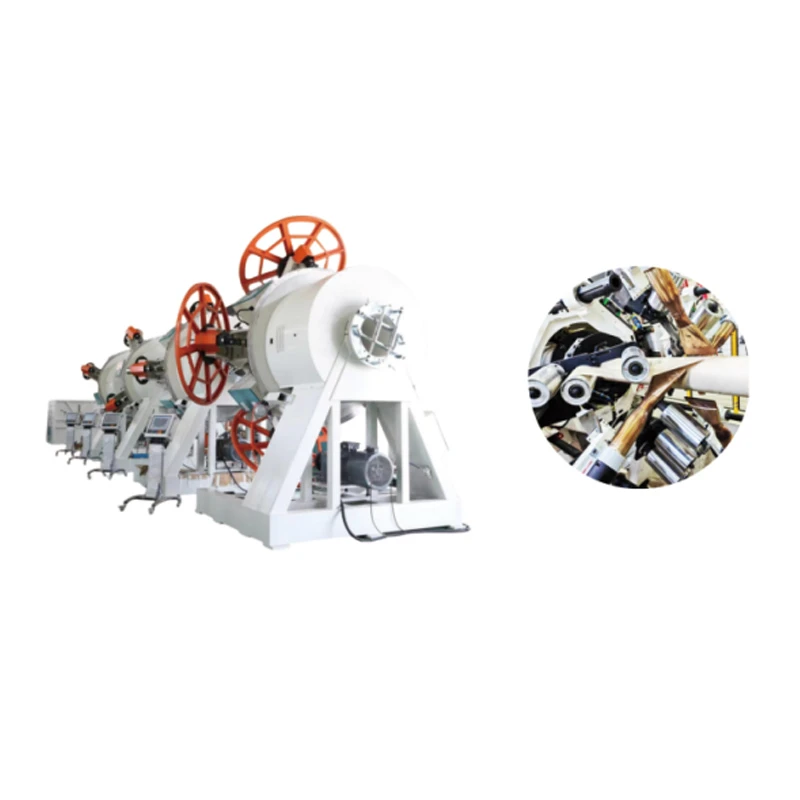
In the simplest terms, a plastic pipe extruder is a machine that melts plastic resin and forces it through a shaped opening (die) to form hollow pipes. Think of it as a giant mechanical pasta maker — but instead of spaghetti, it creates various sizes of pipes suited for water, gas, or electric conduit systems.
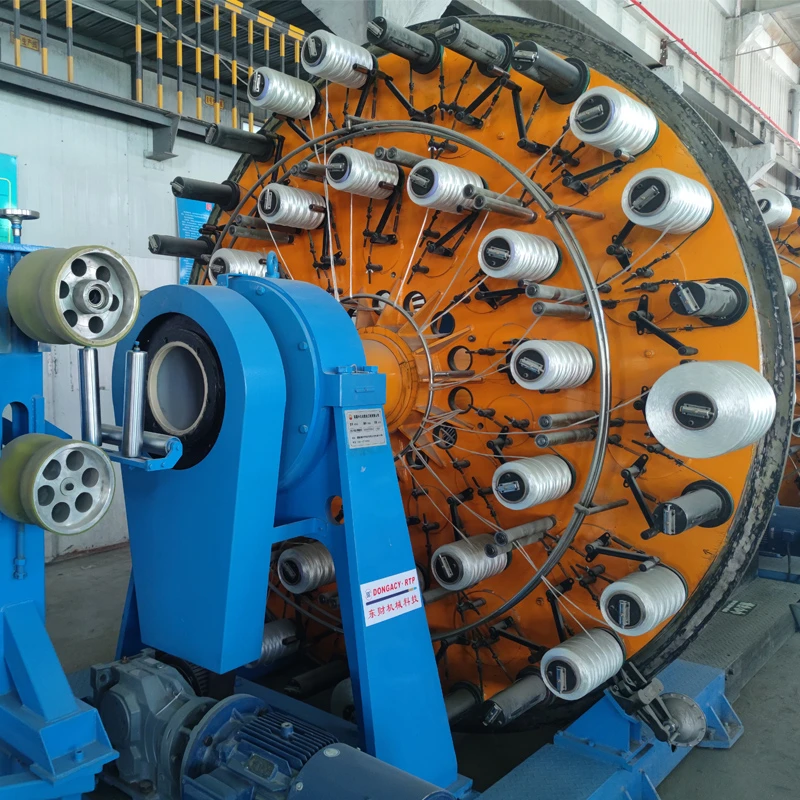
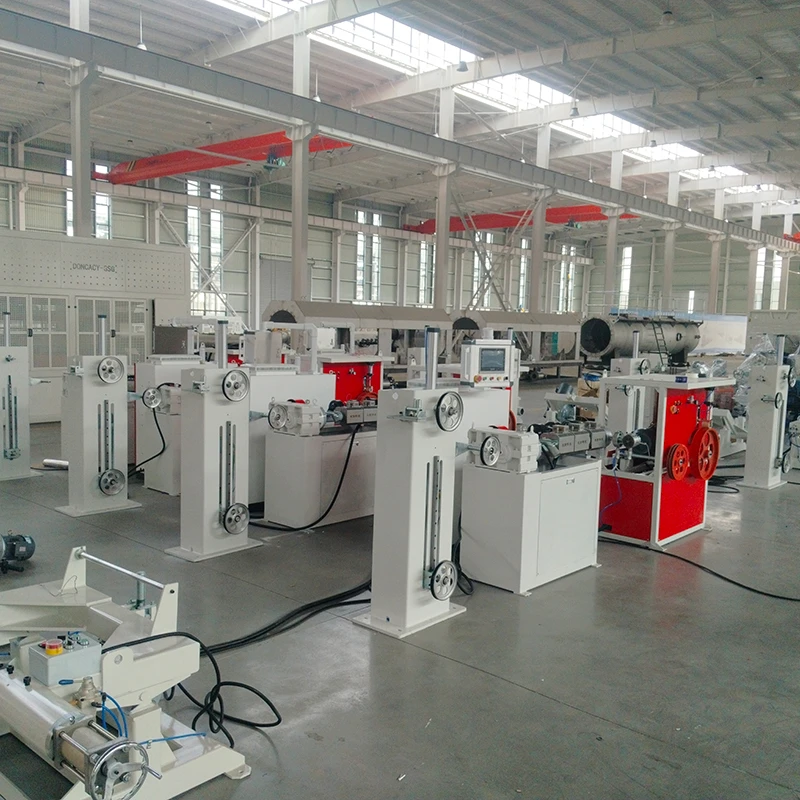
This equipment can vary from small-scale portable units to massive industrial lines with sophisticated control systems. It touches many sectors, from humanitarian aid setting up emergency water pipes after a disaster to sprawling municipal networks ensuring water reliability.
Mini takeaway: A plastic pipe extruder is basically a specialized shaping machine, key to turning raw plastic into useful pipes for daily life and industry.
Core Components and Key Factors of Plastic Pipe Extruders
1. Durability & Material Compatibility
Modern extruders must handle a variety of polymers — like polyethylene (PE), polypropylene (PP), or polyvinyl chloride (PVC). Machine parts, especially screws and barrels, are designed for longevity under high heat and pressure to avoid downtime, and to maintain pipe quality.
2. Precision & Scalability
Accurate temperature control and screw speed are vital for uniform pipe thickness and strength. Many manufacturers look for extruders that can easily scale from small batches for custom pipes to full industrial production.
3. Energy Efficiency
Extruders consume notable electricity, but innovations like servo-driven motors and optimized barrel designs reduce power use — not just cutting costs but lowering the environmental footprint.
4. Automation & Control Systems
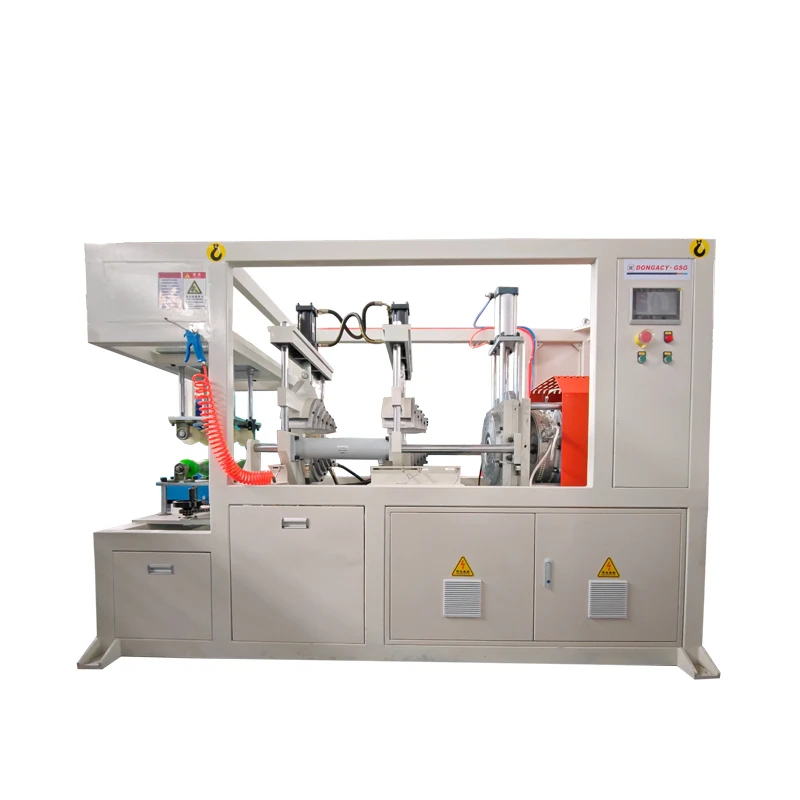
Integration of digital controls allows for real-time monitoring of melt temperature, pressure, and extrusion speed. This helps achieve consistent output and allows quick adjustments — even remote operation is becoming standard.
5. Cost Efficiency
Besides equipment purchase price, factors like maintenance, raw material usage, and energy consumption figure into overall cost-effectiveness. A well-designed extruder balances upfront investment with long-term savings.
Mini takeaway: From materials to automation, these factors collectively determine how an extruder performs in real-world manufacturing.
Plastic Pipe Extruders Around the World: Applications & Case Uses
China, Europe, and the US lead in technological development, but the real impact often happens in regions where infrastructure is still growing. For example:
- Sub-Saharan Africa: Localized extruders support water access projects by making PE pipes accessible and affordable for rural communities.
- Post-disaster Settings: NGOs deploy portable extrusion units in disaster relief zones to quickly produce pipes for emergency water and sanitation systems.
- Industrial Zones: Extruders supply durable tubing for chemical plants and agriculture, especially drip irrigation systems improving crop yields.
An interesting note: some projects are experimenting with extruders running on solar power, which is quite promising in off-grid locations.
Mini takeaway: Plastic pipe extruders enable critical infrastructure and emergency response worldwide — often behind the scenes but fundamentally important.
Advantages and Long-Term Benefits of Using Plastic Pipe Extruders
So, beyond just churning out pipe, why invest in a plastic pipe extruder?
- Cost Savings: Producing pipes locally cuts logistics and import fees, benefiting small economies.
- Sustainability: Using recycled plastics and energy-efficient extruders helps reduce carbon footprint.
- Reliability & Safety: Modern extruders produce pipes with consistent quality and longevity, ensuring safe water or gas delivery.
- Social Impact: Empowering local manufacturing means jobs, technology transfer, and community resilience.
There’s also an emotional component — trust in the infrastructure grows when the community participates in building it. And frankly, it feels good to know people have safe, clean water because of tough pipes created right nearby.
Mini takeaway: Plastic pipe extruders are not just machines — they’re enablers of economic, social, and environmental progress.
Looking Ahead: Future Trends in Plastic Pipe Extrusion
Innovation never sleeps, and neither does extrusion tech. Some exciting trends include:
- Green Materials: Bioplastics and recycled polymers becoming mainstream as suppliers innovate.
- Digital Twins & AI: Virtual simulations optimize extrusion parameters before production, reducing trial-and-error waste.
- Automation: Smart extrusion lines that self-correct in real-time, boosting uptime and quality.
- Energy Integration: Coupling extruders with renewable energy sources for cleaner manufacturing footprints.
Though there’s still work to do on plastic waste management, these trends hint at a more sustainable extrusion future.
Mini takeaway: As extrusion technology evolves, it’s becoming smarter, greener, and more adaptable to diverse needs.
Challenges in Plastic Pipe Extrusion and How They're Overcome
Of course, it’s not all smooth sailing. Challenges include:
- Material Variability: Recycled plastics sometimes introduce impurities affecting pipe quality.
- Capital Investment: High upfront costs can deter smaller manufacturers.
- Technical Skill: Operating and maintaining extruders requires trained personnel.
Solutions? Continuous R&D on cleaner recycling streams, leasing or financing options for equipment, and online training programs are helping. Plus, modular extruder designs simplify setup and operation.
Mini takeaway: While challenges remain, industry innovations and support networks keep extrusion advancement on track.
Practical FAQs About Plastic Pipe Extruders
Q1: What types of plastic can plastic pipe extruders process?
Most extruders handle common thermoplastics like polyethylene (PE), polypropylene (PP), and PVC. Some advanced models are optimized for recycled materials and specialty polymers depending on the application.
Q2: How energy efficient are modern plastic pipe extruders?
Newer extruders incorporate servo motors and optimized thermal designs that can reduce power consumption by up to 20-30% compared to older models, making them both cost-effective and greener.
Q3: Can these machines be used in remote or disaster-affected areas?
Yes, portable and modular extruders exist for such contexts. They’re designed for quick deployment, lower power needs, and ease of operation — perfect for emergency water pipe production.
Q4: What is the expected lifespan of a plastic pipe extruder?
With proper maintenance, many extruders last 10-15 years or more. Component wear depends on usage intensity and materials processed, but manufacturers often offer long-term support plans.
Q5: How do I choose the right extruder for my factory?
Consider production volume, pipe sizes, material types, automation needs, and budget. Consulting with vendors and analyzing your key priorities helps narrow down the ideal model.
Plastic Pipe Extruder Product Specification Table
| Specification | Model APEX-3000 | Model VEX-110 | Model ECO-500 |
|---|---|---|---|
| Pipe Diameter Range | 20–315 mm | 16–110 mm | 50–500 mm |
| Max Output Capacity | 150 kg/h | 75 kg/h | 220 kg/h |
| Material Compatibility | PE, PP | PE, PVC | PE, recycled blends |
| Power Consumption | 22 kW | 12 kW | 18 kW |
| Automation Level | Full PLC + remote control | Semi-automatic | Basic control panel |
Vendor Comparison: Choosing Your Plastic Pipe Extruder Partner
| Feature | GlobalMach Inc. | PipeTech Solutions | EcoExtrude Ltd. |
|---|---|---|---|
| Years of Experience | 25+ | 15 | 10 |
| Custom Design Options | Extensive | Moderate | Limited |
| After-Sales Support | 24/7 Global | Business Hours | Email & Online |
| Focus on Sustainability | High (R&D & products) | Medium | Very High (Eco products only) |
| Price Range | $$$ | $$ | $ |
Wrapping It Up: Why a Plastic Pipe Extruder Makes Sense
Long story short, investing in a plastic pipe extruder isn’t just about owning a piece of machinery — it’s about joining a global narrative of innovation, sustainability, and practical impact. Whether you're a manufacturer looking to widen production capabilities or an NGO striving to improve water access, the plastic pipe extruder offers a blend of durability, efficiency, and future-facing tech.
Plus, there’s this satisfying feeling knowing that something so industrial can support so many lives, quietly, behind the scenes. If you want to read more or see what options suit your needs, feel free to visit our website at plastic pipe extruder. Seriously, it’s worth a browse.
References
-
High Efficiency PE Extrusion Line Guide for Plastic ManufacturingNewsApr.16,2026
-
High Speed Steel Wire Mesh HDPE Composite Pipe Production Line - Anhui Dongchai|High Automation&Energy EfficiencyNewsApr.13,2026
-
High Speed Steel Wire Mesh HDPE Composite Pipe Production Line - Anhui Dongchai|High Automation&Energy EfficiencyNewsApr.13,2026
-
Guide to Choosing High Efficiency ppr pipe extrusion machineNewsApr.09,2026
-
Comprehensive Guide to Modern Pipe Production Line Technologies and OptimizationNewsApr.07,2026
-
Choosing the Right Extrusion Pipe Machine for Optimal Plastic Pipe ProductionNewsApr.04,2026
-
Comprehensive Guide to PPR Pipe Extrusion Line Technology and ApplicationsNewsMar.31,2026


