
Understanding the PVC Sheet Production Line: What It Is and Why It Matters
When you think about the plastic sheet frames and panels around you—from protective coverings to signboards—chances are PVC (polyvinyl chloride) sheets played a part. The pvc sheet production line is the heart of this manufacturing process, shaping flexible, durable sheets widely used across industries worldwide. While it sounds technical, grasping what these production lines do is key. They don’t just churn out plastic sheets — they support industries ranging from construction to healthcare, impacting everything from building materials to clean environments.
Globally, PVC sheet manufacturing meets an enormous demand for lightweight, weather-resistant materials. Understanding how these lines operate lets businesses optimize quality, scale sustainably, and fend off supply challenges—especially important in today’s eco-conscious and fast-moving markets.
The Global Context: Why the PVC Sheet Production Line Holds Growing Importance
It might surprise you, but the global PVC market was valued at over $57 billion in 2023 and is projected to grow steadily according to reports from sources like the International Trade Centre and the ISO. PVC sheets constitute a vital segment of that growth due to their affordability and versatility.
Here’s a critical point though: with increasing environmental concerns and demand for durable, recyclable materials, traditional production lines face pressure to innovate. The pvc sheet production line tackles these challenges by integrating advanced extrusion methods and greener additives to reduce waste and enhance recyclability—a real must in today's circular economy.
In many developing regions, PVC sheet lines help close the gap in affordable housing materials and infrastructure needs. However, the energy consumption and emissions of conventional lines remain a pressing issue to be tackled globally.
What Exactly Is a PVC Sheet Production Line?
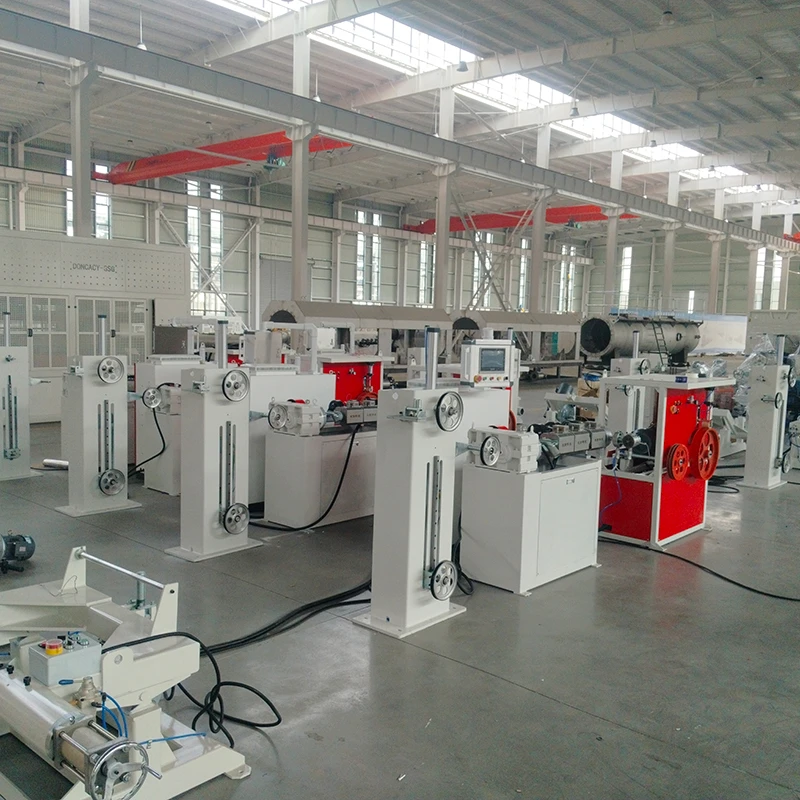
Simply put, a pvc sheet production line is a manufacturing setup that converts PVC raw material—usually powder or granules—into flat sheets. This happens primarily through an extrusion process, where molten PVC is forced through a flat die, cooled, and rolled or cut to size.
These sheets come in various thicknesses and finishes, designed for uses as diverse as laminated furniture panels, medical barriers, signage, and protective equipment. Oddly enough, this seemingly simple process is packed with precision controls to ensure quality and consistency in output.
In manufacturing ecosystems, these lines represent an intersection of mechanical engineering, materials science, and quality management—serving industries that literally build the world or protect communities.
Key Factors and Core Components of a PVC Sheet Production Line
1. Durability and Material Quality
The base PVC resin quality dictates sheet longevity and resistance to elements like UV, water, or chemicals. Many engineers say that selecting additives carefully during production significantly impacts the product's lifespan.
2. Scalability and Throughput
Producers need lines that can handle from small batch custom runs to industrial-scale output, roughly from 300 kg/hour to over 1000 kg/hour. The ability to scale quickly attracts clients from various industries.
3. Cost Efficiency and Energy Use
Energy consumption is a big deal here—energy-efficient motors and optimized heating zones in extruders help reduce the carbon footprint and operational expenses.
4. Automation and Quality Control
Modern lines come equipped with sensors for thickness, temperature, and speed to detect inconsistencies in real-time, avoiding rework or waste.
5. Flexibility and Customization
Changing sheet thickness, color, or surface texture quickly keeps producers competitive. Flex lines allow quick die swaps and adaptable cooling systems.
Mini takeaway: When evaluating a pvc sheet production line, these factors essentially dictate operational success — balancing output quality with practicality.
Global Applications and Real-World Use Cases
From the sprawling factories in Asia to smaller, agile producers in Europe and the Americas, pvc sheet production lines are everywhere. The versatility touches many sectors:
- Construction: Durable interior walls, ceiling panels, and water-resistant doors are often PVC sheets formed from these lines.
- Healthcare: PVC sheets create barriers and clean surfaces critical in hospitals, especially important during pandemic times.
- Agriculture: Greenhouse covering sheets benefit from pvc's light transmission and weather resistance.
- Disaster relief and humanitarian supplies: Lightweight, portable shelters often employ PVC sheets made on these lines to ensure quick, hygienic setup.
For example, in Southeast Asia, a country prone to typhoons relies on fast-moving pvc sheet merchants to rebuild schools and homes promptly. NGO partnerships encourage localized production, cutting shipping times and carbon impact.
Advantages and Long-Term Value of PVC Sheets Produced
Why care about PVC sheets? Because their properties make projects safer, smarter, and more sustainable:
- Cost-Effective: Compared to metal or wood panels, PVC offers a lower overall lifecycle cost.
- Durability: Resistant to moisture, insects, and decay – crucial in humid or harsh climates.
- Environmental Impact: Advances in recycling facilities and raw material sourcing reduce pollution.
- Safety: PVC sheets can have fire-retardant additives—a big deal for public buildings.
On a more human note, for communities, the trust in a reliable material means better shelter and dignity. Plus, the innovation in production lines generates steady jobs and local economic uplift.
Latest Trends and Innovations in PVC Sheet Production Lines
In recent years, the industry has embraced:
- Green Energy Integration: Solar or waste-heat recovery powering extrusion units.
- Advanced Automation: AI-powered monitoring for defect detection to reduce waste.
- Bio-based Additives: Lowering the petrochemical footprint.
- Recycling Technology: Closed-loop production where scrap sheets are reused onsite.
In essence, the pvc sheet production line isn't stuck in the past. It's evolving quickly with digital factory concepts and eco-friendly policy incentives driving change.
Common Challenges and How to Overcome Them
Despite progress, several hurdles persist:
- Raw Material Price Volatility: Fluctuating PVC resin costs cause budgeting headaches.
- Energy Intensity: Extrusion is power-hungry, requiring investment in energy-saving tech.
- Quality Control: Minor process deviations can ruin entire batches.
Experts suggest:
- Locking long-term supplier contracts to stabilize resin costs.
- Upgrading to variable frequency drives and better insulation.
- Implementing rigorous training and AI-assisted monitoring systems.
It feels like a balancing act—but one many manufacturers are mastering to stay competitive.
Product Specification Table: Typical PVC Sheet Production Line
| Feature | Specification | Notes |
|---|---|---|
| Throughput Capacity | 500–1200 kg/hr | Depending on extruder size |
| Sheet Width | 1000–2200 mm | Customizable for client needs |
| Sheet Thickness Range | 0.3–15 mm | Varies by line configuration |
| Automation Level | Semi to Full | Includes thickness & speed control |
| Energy Consumption | 250–450 kW | Dependent on capacity and tech |
Vendor Comparison Table for PVC Sheet Production Lines
| Vendor | Key Strengths | Automation | Energy Efficiency | Typical Price Range (USD) |
|---|---|---|---|---|
| PlastiLine Corp. | Robust industrial builds, wide customization | Full | Average | $550,000–$850,000 |
| GreenSheet Tech | Focus on sustainability & transportability | Semi-Auto | High | $620,000–$780,000 |
| ECOLine Solutions | Energy-saving tech, AI-quality controls | Full | Very High | $750,000–$950,000 |
FAQ: Frequently Asked Questions About PVC Sheet Production Lines
Q1: How does a pvc sheet production line improve product consistency over manual methods?
A1: The automated extrusion and sensor systems maintain precise temperature, pressure, and speed controls. This reduces human error and material waste, delivering sheets with consistent thickness and surface finish that manual rolling cannot consistently achieve.
Q2: Can PVC sheets produced be customized for specific thicknesses or colors easily?
A2: Yes, flexible extrusion dies and pigment dosing systems allow quick changes. Most modern pvc sheet production lines handle a thickness range roughly between 0.3 mm and 15 mm and can incorporate various colors or textures as needed.
Q3: Are these production lines energy intensive? How can costs be managed?
A3: Extrusion is indeed energy-demanding, but efficiency is improving. Using variable frequency drives, heat recovery, and modern insulations helps manage operational electricity costs effectively.
Q4: Is it feasible to set up a pvc sheet production line in remote areas with limited infrastructure?
A4: Increasingly yes, especially with modular生产线 designs focusing on portability and lower energy needs. This supports decentralized manufacturing, boosting local economies and reducing transport emissions.
Q5: What emerging technologies are shaping the future of pvc sheet production?
A5: Advances include AI-driven quality controls, bio-based raw material blends, and integration of renewable energy sources within factories, which collectively make production cleaner, smarter, and more adaptable.
Conclusion: Why Investing in a PVC Sheet Production Line Pays Off
In the big picture, pvc sheet production lines stand at the confluence of innovation, sustainability, and practicality. They fuel countless industries by providing robust, adaptable materials that meet high standards while gradually becoming greener and smarter. For manufacturers looking to balance quality, environmental sensitivity, and cost, investing in these lines is not just logical—it’s vital.
Looking for reliable, advanced solutions in PVC sheet manufacturing? Check out our website for state-of-the-art pvc sheet production line options designed for modern challenges.
References
-
High Efficiency PE Extrusion Line Guide for Plastic ManufacturingNewsApr.16,2026
-
High Speed Steel Wire Mesh HDPE Composite Pipe Production Line - Anhui Dongchai|High Automation&Energy EfficiencyNewsApr.13,2026
-
High Speed Steel Wire Mesh HDPE Composite Pipe Production Line - Anhui Dongchai|High Automation&Energy EfficiencyNewsApr.13,2026
-
Guide to Choosing High Efficiency ppr pipe extrusion machineNewsApr.09,2026
-
Comprehensive Guide to Modern Pipe Production Line Technologies and OptimizationNewsApr.07,2026
-
Choosing the Right Extrusion Pipe Machine for Optimal Plastic Pipe ProductionNewsApr.04,2026
-
Comprehensive Guide to PPR Pipe Extrusion Line Technology and ApplicationsNewsMar.31,2026


