
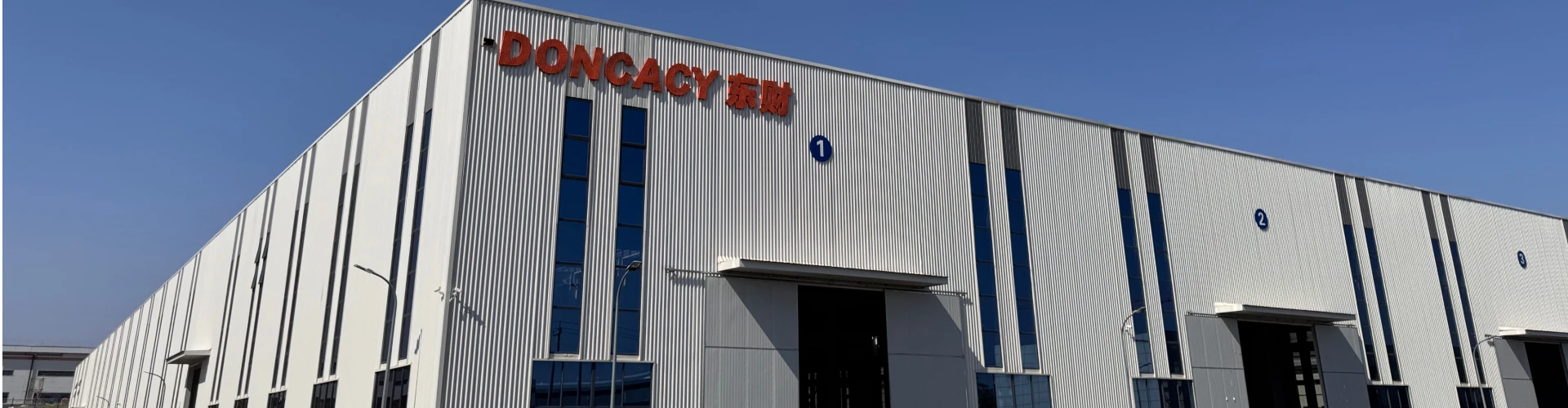
Automatic Sealing Machine is a specialized packaging equipment designed to seal various types of packaging materials—such as plastic films, pouches, and containers—with minimal manual intervention. This machine streamlines the sealing process by automating steps like material feeding, heating, pressure application, and cooling, ensuring consistent, airtight seals that extend product shelf life and prevent contamination. Unlike manual sealing tools, an Automatic Sealing Machine operates at high speeds, typically handling 50 to 500 packages per minute depending on the model, making it ideal for high-volume production environments in food, pharmaceuticals, and consumer goods industries. It accommodates diverse packaging sizes and materials, from thin plastic sachets for snacks to thick laminated bags for industrial parts, with adjustable sealing temperature and pressure settings to match different material properties.
Automatic Sealing Machine relies on a series of coordinated components to deliver reliable sealing results
The core workflow begins with a feeding unit that transports packages to the sealing station—this unit can be customized with conveyors or rollers to suit the shape of the packaging, whether flat pouches or standing bags. Next, the heating module (equipped with heating bars or ultrasonic transducers) activates to melt the packaging material’s sealing layer; for plastic films, the temperature is usually set between 120°C and 200°C to ensure proper fusion without burning. The pressure module then applies uniform force to the melted area, pressing the layers together to form a tight seal, followed by a cooling module that solidifies the seal quickly to maintain its integrity. Many modern Automatic Sealing Machine models also include a cutting unit to trim excess material around the seal, creating a neat, professional finish.
Automatic Sealing Machine differs significantly from L Sealer Machine in terms of design and application scope
An L Sealer Machine, also known as L Sealer, is a type of semi-automatic or automatic sealing equipment specifically shaped like the letter “L,” primarily used for sealing shrink film around boxed products (e.g., electronics, cosmetics). It works by forming an L-shaped seal around the package before the film is shrunk using a heat tunnel. In contrast, an Automatic Sealing Machine is more versatile—it can seal flat edges, gusseted bags, and even spouted pouches, without requiring a separate heat tunnel for shrinkage. For example, in a bakery, an L Sealer might be used to seal shrink film around a box of cakes, while an Automatic Sealing Machine would seal individual plastic pouches of cookies directly, saving time and reducing equipment costs.
Automatic Sealing Machine often integrates with Auto Sealing Machine technologies to enhance automation and precision
Auto Sealing Machine features, such as sensor-based detection and programmable logic controllers (PLCs), are embedded in advanced Automatic Sealing Machine models to optimize performance. These sensors can detect the presence and position of packages, adjusting the sealing timing automatically to avoid misseals or material waste. PLC systems allow operators to store multiple sealing programs—for instance, a program for thin PE films and another for thick aluminum-plastic composites—enabling quick switching between production tasks. Some Auto Sealing Machine-integrated models also include touchscreen interfaces for easy parameter adjustment, reducing the need for specialized technical training.
Automatic Sealing Machine finds wide application across industries due to its adaptability and efficiency
In the food industry, it seals vacuum-sealed meat packages to prevent bacterial growth and preserve freshness; in pharmaceuticals, it seals blister packs and medicine pouches to meet strict hygiene standards. The electronics industry uses it to seal anti-static bags for circuit boards, protecting them from dust and electrostatic damage. Even in small-scale businesses, compact Automatic Sealing Machine models are popular for sealing homemade jams or craft supplies, as they offer the same sealing quality as industrial-grade machines but with a smaller footprint. Additionally, its compatibility with eco-friendly materials—like biodegradable films—makes it a sustainable choice for brands aiming to reduce plastic waste.
In summary, Automatic Sealing Machine is a cornerstone of modern packaging operations, offering efficiency, versatility, and reliability that manual tools or specialized equipment like L Sealer Machine cannot match. Its integration with Auto Sealing Machine technologies enhances precision and ease of use, while its ability to handle diverse materials and package types makes it suitable for industries ranging from food to electronics. By ensuring airtight, consistent seals, the Automatic Sealing Machine not only protects products but also improves production throughput and reduces operational costs. As packaging demands evolve—with a growing focus on sustainability and customization—the Automatic Sealing Machine will continue to adapt, solidifying its role as an essential tool in the global packaging landscape.
Automatic Sealing Machine FAQs
1. What are the primary applications for an automatic sealing machine?
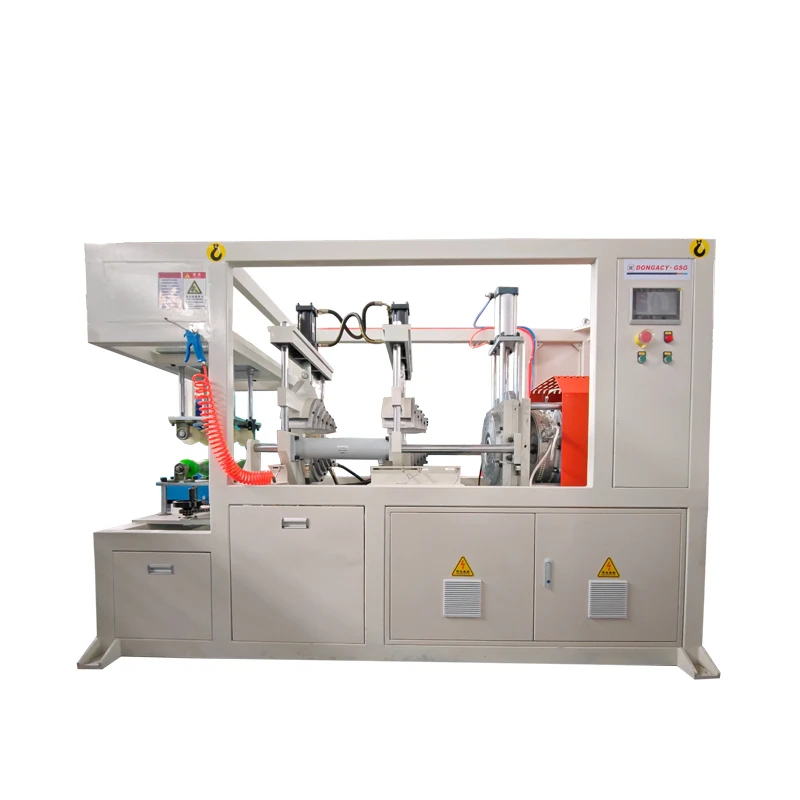
An automatic sealing machine is primarily designed for creating secure and consistent seals on the ends of various types of piping. It is extensively used in industries such as construction, plumbing, and manufacturing to ensure pipes are closed off from contaminants and moisture. The process is vital for protecting pipe integrity during storage, transport, and before final installation or welding.
2. How does an automatic sealing machine handle different pipe diameters?
This type of machine is engineered with adjustable tooling and programmable settings to accommodate a wide range of pipe diameters seamlessly. Operators can often input the specific diameter, and the machine will automatically calibrate the sealing heads or choose the correct cap size. This flexibility allows a single machine to process everything from narrow-gauge tubing to large-diameter pipes without the need for lengthy manual changeovers.
3. What makes an automatic sealing machine highly automated?
The high level of automation is achieved through integrated systems such as programmable logic controllers (PLCs), servo motors, and robotic arms. These systems work in concert to automatically feed, position, seal, and eject pipes with minimal human intervention. Advanced models may also include vision systems to inspect the seal quality and automatically reject any pipes that do not meet the predefined standards.
4. What types of sealing methods can an automatic sealing machine employ?
Depending on the pipe material and the required durability of the seal, these machines can utilize various methods. Common techniques include thermal sealing for plastic pipes to create a fused end, crimping metal caps onto pipe ends, or applying specialized adhesive seals. The machine is configured to precisely control the application of heat, pressure, or sealant to ensure a perfect and reliable closure every time.
5. Why is an automatic sealing machine critical for pipe preparation and storage?
Using this machine is critical for preventing internal corrosion, contamination from dirt and debris, and damage to the pipe threads during handling and storage. By applying a robust and consistent seal, it preserves the quality and cleanliness of the pipe's interior surface. This is especially important for pipes destined for sensitive applications, such as carrying drinking water, chemicals, or medical gases, where purity is paramount.
-
High Efficiency PE Extrusion Line Guide for Plastic ManufacturingNewsApr.16,2026
-
High Speed Steel Wire Mesh HDPE Composite Pipe Production Line - Anhui Dongchai|High Automation&Energy EfficiencyNewsApr.13,2026
-
High Speed Steel Wire Mesh HDPE Composite Pipe Production Line - Anhui Dongchai|High Automation&Energy EfficiencyNewsApr.13,2026
-
Guide to Choosing High Efficiency ppr pipe extrusion machineNewsApr.09,2026
-
Comprehensive Guide to Modern Pipe Production Line Technologies and OptimizationNewsApr.07,2026
-
Choosing the Right Extrusion Pipe Machine for Optimal Plastic Pipe ProductionNewsApr.04,2026
-
Comprehensive Guide to PPR Pipe Extrusion Line Technology and ApplicationsNewsMar.31,2026


