
Plastic Profile Extrusion Line, as defined, is a dedicated manufacturing process designed to apply a uniform layer of plastic materials—including PE, PVC, and sometimes PP—onto the surface of steel wires of varying diameters and material grades. This process transforms plain steel wires into composite products with enhanced corrosion resistance, wear protection, and surface smoothness, making them suitable for industries like construction, automotive, and telecommunications. Unlike general plastic processing lines, this specific Plastic Profile Extrusion Line focuses on precise material adhesion and thickness control, ensuring the plastic coating tightly bonds to the steel wire without gaps or peeling. Its adaptable design allows for adjustments to plastic type, coating thickness (typically 0.1-2mm), and wire feeding speed, catering to both standard and custom requirements for different end-use applications.
Plastic Profile Extrusion Line relies on a sequence of coordinated modules to achieve consistent steel wire coating
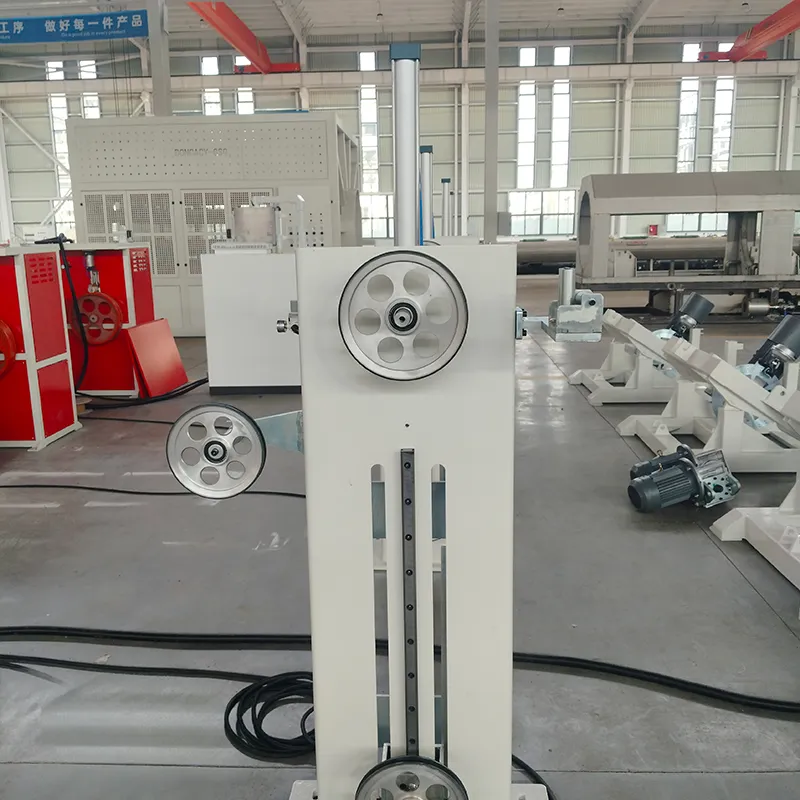
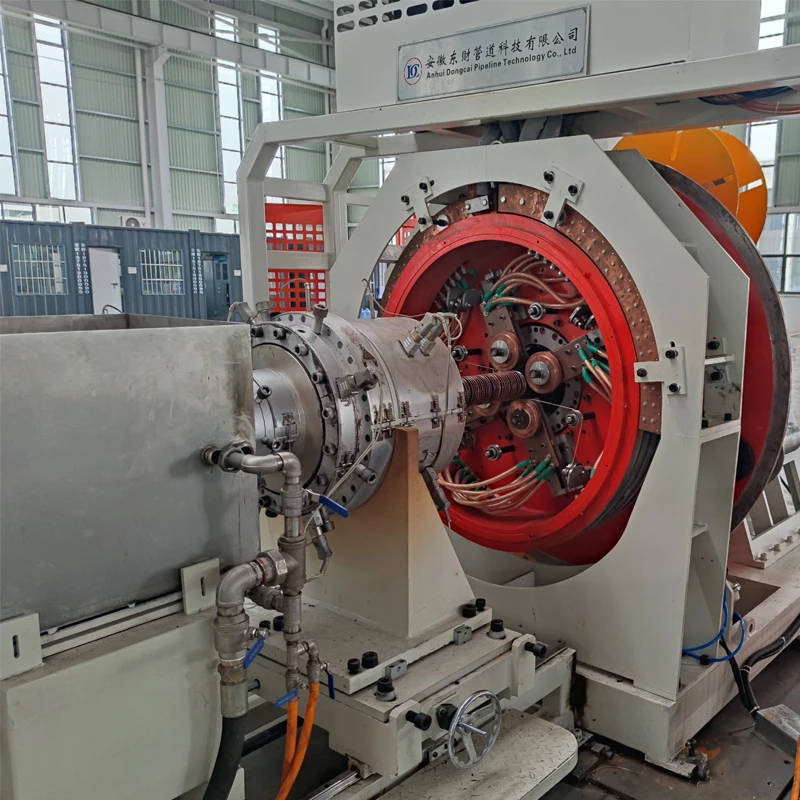
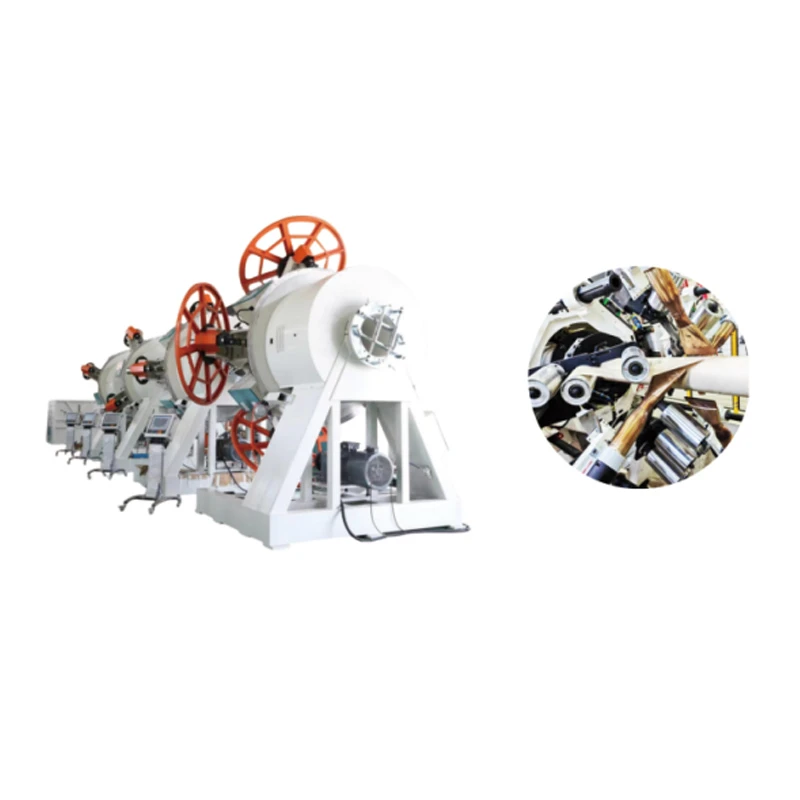
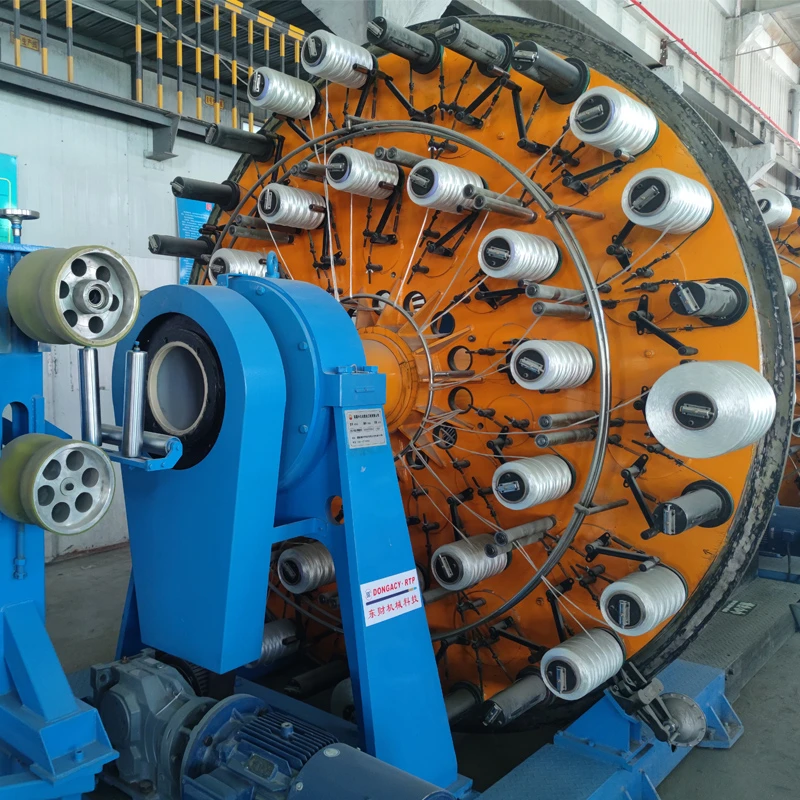
The line starts with a wire unwinding unit that feeds the raw steel wire into a pre-treatment section—here, the wire is cleaned to remove oil, rust, and debris, a critical step to ensure strong plastic adhesion. Next, the wire moves through a heating module to reach an optimal temperature (depending on the plastic material, usually 80-120°C) that promotes plastic fusion. The core coating stage then begins: molten plastic (melted via an extruder within the plastic profile extrusion machine) is extruded around the steel wire through a specialized die, forming a continuous, even layer. After coating, the wire passes through a cooling tank filled with water or air to solidify the plastic, followed by a winding unit that spools the finished composite wire for storage or further processing.
Plastic Profile Extrusion Line works in synergy with Plastic Extruder, a key component that supplies molten plastic for the coating process
The Plastic Extruder within the line uses a screw-and-barrel system to melt plastic pellets (such as PE or PVC) under controlled heat and pressure, ensuring the plastic reaches a homogeneous molten state with consistent viscosity. For example, when coating steel wires for automotive brake cables, the Plastic Extruder in the plastic profile production line is set to a temperature range of 160-190°C for PVC, which balances fluidity for easy coating and structural integrity for long-term use. This collaboration between the Plastic Profile Extrusion Line and Plastic Extruder guarantees that the plastic coating meets thickness and adhesion standards, avoiding defects like uneven layers or air bubbles.
Plastic Profile Extrusion Line differs from standard Profile Extrusion Line in its focus on cylindrical coating rather than shaped profile manufacturing
While a Profile Extrusion Line produces plastic products with fixed cross-sectional shapes (e.g., door frames, pipes), the Plastic Profile Extrusion Line is tailored to wrap plastic around a moving steel wire, requiring precise alignment between the wire and the extrusion die. In the construction industry, for instance, a Profile Extrusion Line might produce PVC window profiles, while a Plastic Profile Extrusion Line coats steel wires for concrete reinforcement—both use plastic extrusion technology, but the latter prioritizes concentric coating and wire tension control to prevent material waste or coating misalignment.
Plastic Profile Extrusion Line incorporates advanced control systems to enhance product quality and production efficiency
Modern lines are equipped with sensors that monitor plastic thickness in real time, adjusting the extrusion speed or die position automatically if deviations are detected. Additionally, some Plastic Profile Extrusion Line setups include a post-coating inspection unit that uses optical cameras to check for surface defects (e.g., scratches, pinholes) and ensure the plastic coating meets industry standards. These features, combined with energy-efficient heating modules, reduce material waste by up to 5% and extend the service life of the line’s components, making the Plastic Profile Extrusion Line a cost-effective solution for high-volume steel wire coating.
In summary, Plastic Profile Extrusion Line is a specialized and vital system for manufacturing plastic-coated steel wires, leveraging coordinated modules and key components like Plastic Extruder to deliver high-quality, durable composite products. Its focus on precise coating, adaptability to different plastic materials and wire specifications, and integration of advanced control systems set it apart from other plastic processing lines like Profile Extrusion Line. By enhancing steel wires’ performance through corrosion and wear protection, the Plastic Profile Extrusion Line supports the needs of diverse industries, from construction to automotive. As demand for durable composite materials grows, the Plastic Profile Extrusion Line will continue to evolve with new technologies—such as improved adhesion techniques and eco-friendly plastic options—to maintain its role as a core process in modern manufacturing.
Plastic Production Pine FAQs
1. What are the primary applications of a Plastic Profile Extrusion Line?
Plastic Profile Extrusion Lines are extensively used to create coated steel wire products for industrial and commercial use. These lines apply uniform plastic layers to wire substrates, resulting in materials with enhanced corrosion resistance, electrical insulation, and aesthetic qualities. Common applications include producing fencing materials, cable guides, shopping cart handles, and reinforced hoses for various industries.
2. How does the Plastic Profile Extrusion Line enhance product durability?
The plastic coating process creates a continuous protective barrier that shields the steel core from environmental factors. This barrier prevents rust formation caused by moisture exposure and reduces wear from abrasion. The finished product demonstrates significantly improved longevity in outdoor applications, with some coated wires lasting decades without degradation even in harsh weather conditions.
3. What quality control measures are implemented in Plastic Profile Extrusion Lines?
Modern Plastic Profile Extrusion Lines incorporate multiple monitoring systems including laser micrometers for continuous thickness measurement, infrared thermometers for temperature verification, and spark testers for detecting coating imperfections. Automated feedback loops adjust extrusion parameters in real-time to maintain consistent coating quality throughout production runs.
4. What types of plastic materials can be used in these production lines?
These production lines accommodate various thermoplastic polymers including polyethylene (PE) for excellent chemical resistance, polyvinyl chloride (PVC) for flame retardancy, and nylon for superior abrasion resistance. Some advanced systems can also process engineered materials like fluoropolymers for extreme temperature applications or composite blends for specialized mechanical properties.
5. How does the Plastic Profile Extrusion Line handle different wire diameters?
The equipment features adjustable extrusion dies and precision guidance systems that accommodate wire diameters ranging from sub-millimeter precision components to heavy-duty cables exceeding 10mm thickness. Quick-change components allow production transitions between different wire gauges with minimal downtime, while computerized control systems automatically recalibrate all parameters for each product specification.
-
High Efficiency PE Extrusion Line Guide for Plastic ManufacturingNewsApr.16,2026
-
High Speed Steel Wire Mesh HDPE Composite Pipe Production Line - Anhui Dongchai|High Automation&Energy EfficiencyNewsApr.13,2026
-
High Speed Steel Wire Mesh HDPE Composite Pipe Production Line - Anhui Dongchai|High Automation&Energy EfficiencyNewsApr.13,2026
-
Guide to Choosing High Efficiency ppr pipe extrusion machineNewsApr.09,2026
-
Comprehensive Guide to Modern Pipe Production Line Technologies and OptimizationNewsApr.07,2026
-
Choosing the Right Extrusion Pipe Machine for Optimal Plastic Pipe ProductionNewsApr.04,2026
-
Comprehensive Guide to PPR Pipe Extrusion Line Technology and ApplicationsNewsMar.31,2026


