
Plastic Profile Extrusion Line is a key production system in the plastic processing industry, integrating multiple functional modules to transform plastic raw materials—such as PVC, PP, PE, and ABS—into various structured plastic profiles. As a vital part of modern manufacturing, the Plastic Profile Extrusion Line serves industries including architecture, automobile, electronics, and furniture, producing essential products like door and window profiles, automobile parts, electronic housings, and furniture components. Unlike general extrusion equipment, the Plastic Profile Extrusion Line is engineered to handle the precise shaping needs of profiled products, ensuring consistent cross-sectional dimensions and surface smoothness. Its adaptable design allows for quick adjustments to produce profiles of different sizes, shapes, and hardness, catering to both standard and custom-order requirements from diverse sectors.
Plastic Profile Extrusion Line works in tandem with Plastic Profile Extrusion Machine, the core component that drives the extrusion process
The Plastic Profile Extrusion Machine within the line melts and conveys plastic raw materials through a screw and barrel system, applying controlled heat and pressure to transform solid pellets into a molten state. This molten plastic is then pushed through a specialized die—customized for the target profile shape—before moving to downstream cooling and shaping units. For instance, when producing PVC door and window profiles, the Plastic Profile Extrusion Machine in the line precisely controls the melting temperature (typically between 160-200°C) and extrusion speed to ensure the molten plastic fills the die completely, forming profiles with accurate groove structures for hinges and seals. The synergy between the Plastic Profile Extrusion Line and its machine components guarantees stable production and high-quality output.
Plastic Profile Extrusion Line shares functional similarities with Plastic Profile Production Line, though the latter often emphasizes the full production cycle from raw material preparation to finished product packaging
The Plastic Profile Production Line, as an extended form of the extrusion line, may include additional units like material mixing systems (to blend raw materials with additives) and cutting machines (to trim profiles to specified lengths). In the automotive industry, for example, the Plastic Profile Production Line (integrated with a Plastic Profile Extrusion Line) produces soft PVC sealing strips for car doors; the line first mixes PVC resin with plasticizers in the material unit, then uses the extrusion line to form the strips, and finally cuts them to match car model specifications. This integrated approach of the Plastic Profile Production Line enhances production efficiency and reduces material waste.
Profile Extrusion Line, a broader term that encompasses plastic and non-plastic profile manufacturing, often adopts design elements from the Plastic Profile Extrusion Line for plastic-based production
The Profile Extrusion Line retains core extrusion principles but may adjust parameters like temperature and pressure when processing different materials. In the electronics sector, the Profile Extrusion Line (configured as a Plastic Profile Extrusion Line variant) produces ABS electronic housings; it uses lower extrusion speeds than metal profile lines to avoid surface defects, ensuring the housings have smooth exteriors for product aesthetics and precise internal cavities for component installation. The flexibility of the Profile Extrusion Line allows it to adapt to plastic profile production needs while remaining compatible with other material types.
Profile Extrusion Machine, the heart of any Profile Extrusion Line, is optimized in modern Plastic Profile Extrusion Line setups to enhance performance
The Profile Extrusion Machine in advanced plastic lines features a twin-screw design that improves plasticization uniformity—critical for producing profiles with consistent mechanical properties, such as high-impact PP furniture parts. Additionally, the machine may include a vacuum calibration system to maintain the profile’s shape during cooling, preventing deformation. These optimizations align with the characteristics of high plasticization uniformity, high output, and long service life, ensuring the Plastic Profile Extrusion Line operates efficiently even under continuous production conditions.
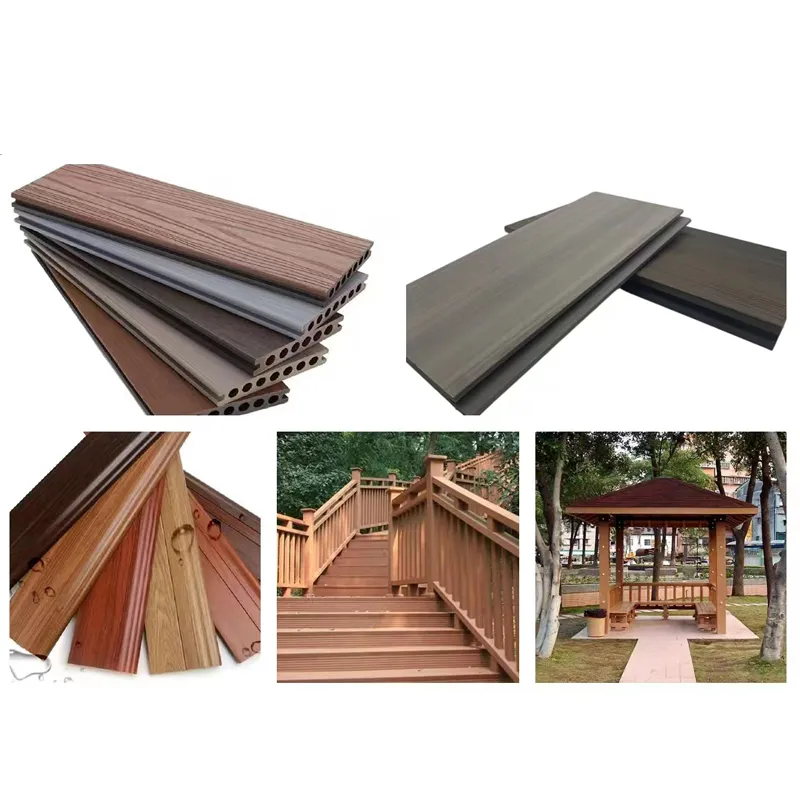
In summary, Plastic Profile Extrusion Line stands as the backbone of plastic profile manufacturing, supporting industries from architecture to electronics by producing a wide range of essential products. Its integration with Plastic Profile Extrusion Machine, compatibility with Plastic Profile Production Line, and alignment with Profile Extrusion Line/Machine technologies ensure versatile, efficient, and high-quality production. With optimized unit designs that enhance plasticization, boost output, and extend service life, the Plastic Profile Extrusion Line meets the evolving demands of diverse sectors. As industries continue to seek lightweight, durable, and customized plastic components, the Plastic Profile Extrusion Line will remain a key driver of innovation, adapting to new materials and technologies to sustain its role in modern manufacturing.
Plastic Profile Extrusion Line FAQs
1. What are the primary applications of a plastic profile extrusion line?
A plastic profile extrusion line is extensively utilized for manufacturing a diverse range of products across multiple industries. It is capable of producing door and window profiles for architectural applications, sealing components and trim parts for the automotive sector, protective housings for electronics, and structural elements for furniture assembly. The versatility of the system allows it to process various thermoplastic materials, including PVC, ABS, and polyethylene, into continuous linear profiles with consistent cross-sectional geometries.
2. How does the plastic profile extrusion line ensure product quality and dimensional accuracy?
The extrusion line incorporates precision temperature control systems and multi-stage calibration units that maintain stable thermal conditions throughout the production process. Advanced screw designs ensure homogeneous melting and mixing of polymer materials, while precisely machined dies guarantee consistent profile dimensions. Downstream equipment including vacuum calibration tanks and cooling baths rapidly stabilize the extruded shape, and laser measuring devices continuously monitor dimensional tolerances, automatically adjusting puller speeds to maintain product specifications.
3. What types of raw materials can be processed using a plastic profile extrusion line?
This production line accommodates numerous thermoplastic compounds including rigid and plasticized PVC, polypropylene, ABS, and composite materials containing wood flour or mineral fillers. The system can handle both virgin resins and recycled materials through specialized feeding systems, with certain configurations capable of processing powder formulations directly. Material flexibility allows manufacturers to produce profiles with varying mechanical properties, surface finishes, and chemical resistance characteristics according to end-use requirements.
4. What are the key components of a complete plastic profile extrusion line?
A comprehensive system comprises several integrated units beginning with automated material handling and dosing systems, followed by twin-screw extruders with precision barrel temperature control. The downstream equipment includes vacuum calibration tables, cooling tanks, haul-off units with caterpillar pullers, flying cutters for length segmentation, and automatic stacking equipment. Auxiliary systems include die design units, in-line printing stations, and quality monitoring instruments that collectively ensure continuous production of high-quality profiles.
5. How does the plastic profile extrusion line achieve energy efficiency and operational stability?
Modern systems incorporate energy-efficient AC drive motors with variable frequency control, optimized screw designs that reduce specific energy consumption, and advanced barrel heating systems using ceramic heaters with minimal heat loss. Thermal insulation throughout the extrusion path maintains stable processing temperatures while reducing power requirements. Automated control systems continuously monitor and adjust process parameters, preventing material degradation and minimizing startup waste through recipe management and historical data tracking capabilities.
-
High Efficiency PE Extrusion Line Guide for Plastic ManufacturingNewsApr.16,2026
-
High Speed Steel Wire Mesh HDPE Composite Pipe Production Line - Anhui Dongchai|High Automation&Energy EfficiencyNewsApr.13,2026
-
High Speed Steel Wire Mesh HDPE Composite Pipe Production Line - Anhui Dongchai|High Automation&Energy EfficiencyNewsApr.13,2026
-
Guide to Choosing High Efficiency ppr pipe extrusion machineNewsApr.09,2026
-
Comprehensive Guide to Modern Pipe Production Line Technologies and OptimizationNewsApr.07,2026
-
Choosing the Right Extrusion Pipe Machine for Optimal Plastic Pipe ProductionNewsApr.04,2026
-
Comprehensive Guide to PPR Pipe Extrusion Line Technology and ApplicationsNewsMar.31,2026


