
Introduction: Advancing PVC Profile Extrusion Technology
The global demand for high-performance and durable building materials, coupled with increasing infrastructure development, has significantly propelled the growth of the polymer processing industry. At the forefront of this evolution is the pvc profile production line, a cornerstone technology enabling the manufacture of a vast array of essential components for construction, industrial, and consumer sectors. This sophisticated machinery is critical for producing profiles that offer superior longevity, aesthetic versatility, and cost-effectiveness compared to traditional materials. Modern production lines are characterized by their precision, efficiency, and adaptability, catering to an ever-expanding market for PVC-based products.
Industry Trends and Market Dynamics
The industry for PVC profiles is experiencing robust growth, driven by innovation in material science and increasing automation in manufacturing processes. Key trends include the integration of Industry 4.0 concepts, such as IoT sensors and AI-driven predictive maintenance, into extrusion lines. There's a strong emphasis on energy efficiency, with manufacturers adopting advanced servo motor technologies and optimized heating systems to reduce operational costs and environmental impact. Furthermore, the demand for multi-layer profiles and co-extrusion capabilities is growing, allowing for profiles with enhanced properties like UV resistance, improved insulation, and specific surface finishes. According to a report by Grand View Research, the global PVC market size was valued at USD 65.6 billion in 2023 and is expected to grow at a compound annual growth rate (CAGR) of 6.3% from 2024 to 2030, underscoring the sustained importance of efficient production technologies.
The versatility of PVC profiles means they are replacing materials like wood and aluminum in various applications, particularly where weather resistance, low maintenance, and design flexibility are paramount. This shift fuels the continuous development and refinement of the underlying pvc profile production line technology.
Detailed Process Flow of a PVC Profile Production Line
The manufacturing of PVC profiles is a multi-stage process, meticulously engineered to ensure consistent quality and performance. A typical pvc profile production line consists of several integrated units working in synergy.
Key Stages of PVC Profile Extrusion:
- Raw Material Preparation and Mixing: The process begins with high-quality PVC resin (typically suspension PVC) combined with various additives. These include heat stabilizers to prevent degradation during processing, lubricants to reduce friction, processing aids to improve melt strength, impact modifiers for enhanced toughness, fillers (e.g., calcium carbonate) to reduce cost and improve rigidity, and pigments for coloring. These components are precisely weighed and thoroughly mixed in a high-speed mixer to create a homogeneous compound. This step is crucial for the final product's quality.
- Extrusion: The prepared PVC compound is fed into the extruder. For PVC profiles, twin-screw extruders (conical or parallel) are predominantly used due to their excellent mixing capabilities and ability to process heat-sensitive materials like PVC at lower shear and temperature. The extruder's screws convey, melt, and homogenize the PVC compound under controlled heating and pressure. The precise design and manufacturing processes (e.g., CNC machining for screw geometry, specialized heat treatment for wear resistance) of the extruder screws and barrels are critical for optimal performance and service life.
- Die Head and Forming: The molten PVC is then forced through a precisely designed die head, which gives the profile its initial shape. Die heads for pvc window profile extrusion lines are complex tools, often featuring multiple channels to create intricate geometries.
- Calibration and Cooling: After exiting the die, the hot, soft profile enters a vacuum calibration tank. Here, vacuum pressure pulls the profile against calibration plates, ensuring its precise dimensions and shape. Concurrently, the profile is cooled with water to solidify its structure. Effective cooling is vital to prevent warping and maintain dimensional stability.
- Haul-off: A haul-off unit, consisting of rubber belts or caterpillar tracks, continuously pulls the solidified profile at a consistent speed, maintaining tension and ensuring smooth movement through the downstream equipment. The speed of the haul-off unit is synchronized with the extruder output.
- Cutting and Stacking: Finally, a cutting unit precisely cuts the continuous profile into desired lengths. This can be a saw cutter for thicker profiles or a knife cutter for thinner ones. The cut profiles are then automatically stacked on a collection table or conveyor system, ready for packaging or further processing.
Components of the pvc profile production line itself, such as extruder screws, barrels, and die heads, are manufactured using high-precision techniques including forging (for high-strength steel blanks), sophisticated CNC machining for complex geometries, and specialized heat treatments (e.g., nitriding, bimetallic coatings) to achieve exceptional wear resistance and extend service life, often exceeding 10-15 years with proper maintenance. Testing standards like ISO 9001 ensure the quality of manufacturing processes, while material testing standards (e.g., ASTM, DIN) apply to the PVC compound and finished profiles.
Technical Specifications and Performance Parameters
The performance and efficiency of a pvc profile production line are defined by a range of critical technical specifications. These parameters dictate the line's capacity, precision, and suitability for various applications.
Typical Product Specifications for a High-Performance PVC Profile Extrusion Line:
| Component | Parameter | Typical Range/Value |
|---|---|---|
| Extruder Type | Twin Screw (Conical/Parallel) | S65/132, S80/156, S92/188 |
| Max Output Capacity | kg/hour | 200 - 800 kg/h (depending on model & profile) |
| Main Motor Power | kW | 55 - 132 kW (AC/DC Variable Frequency Drive) |
| Die Head Material | Tool Steel (Cr12Mov) | Nitrided, Polished to Ra 0.2 |
| Vacuum Calibration Table Length | meters | 4 - 8 meters (adjustable) |
| Haul-off Speed | m/min | 0.5 - 8 m/min (variable speed drive) |
| Cutting Precision | mm | ± 1 mm (planetary/saw cutter) |
| Temperature Control System | Zones | PID Control, 9-12 zones for barrel & die |
| Control System | PLC | Siemens/Schneider/Delta with HMI touch screen |
| Typical Service Life | Years | 10-15+ years (with proper maintenance) |
These parameters are crucial for optimizing productivity, minimizing material waste, and ensuring the final product meets stringent quality requirements. Investing in a line with advanced control systems and robust mechanical components translates directly to superior operational efficiency and a longer asset lifespan.
Application Scenarios and Target Industries
The versatility of PVC profiles means they are integral to numerous industries. The output of a pvc profile production line can be found in a wide range of everyday and specialized applications, highlighting their adaptability and essential role in modern construction and manufacturing.
Primary Application Areas:
- Building and Construction: This is arguably the largest sector. Products include pvc window profile extrusion line output for windows and door frames, wall panels, ceiling panels, skirting boards, electrical conduits, siding, and fencing. PVC profiles offer excellent thermal insulation, weather resistance, and are virtually maintenance-free, making them highly attractive for residential and commercial construction.
- Furniture and Interior Design: Decorative profiles, edge banding, and components for cabinets, wardrobes, and modular furniture.
- Industrial Applications: Cable trunking, protective profiles for machinery, seals, and technical components. PVC's chemical resistance makes it suitable for environments where other materials would degrade.
- Water Supply & Drainage (Non-Pressure Pipes/Channels): While often pipes, specific profiles are used for guttering, drainage channels, and seals in water management systems.
- Specialty Profiles: Custom profiles for refrigeration, automotive interiors (though less common than other plastics), and specialized agricultural applications. The flexibility of a modern pvc profile extrusion line allows for the production of highly specific shapes.
Advantages in Typical Application Scenarios:
- Energy Saving: PVC window profiles, for instance, offer significantly better thermal insulation than traditional aluminum or wood, leading to reduced heating and cooling costs in buildings. This directly contributes to energy efficiency and lower carbon footprints.
- Corrosion Resistance: Unlike metal profiles, PVC is inherently resistant to rust, corrosion from chemicals, and biological degradation (mold, mildew), making it ideal for wet or harsh environments.
- Durability and Long Service Life: PVC profiles are designed to withstand extreme weather conditions, UV radiation, and general wear and tear for decades, often outperforming alternative materials with minimal maintenance.
- Cost-Effectiveness: While the initial investment in a pvc profile production line can be substantial, the low raw material cost, high production efficiency, and longevity of PVC products offer excellent long-term economic advantages.
Technical Advantages of Modern Extrusion Lines
Contemporary pvc profile extrusion lines incorporate numerous advancements that set them apart from older generations, offering unparalleled efficiency, precision, and operational flexibility. These technical advantages are critical for manufacturers seeking a competitive edge.
Key Advantages:
- Advanced Extruder Design: Optimized screw geometries (e.g., barrier screws, mixing elements) enhance melt homogeneity and reduce shear heat, preserving PVC compound integrity. High-torque gearboxes ensure stable operation under various loads.
- Precise Temperature and Pressure Control: Multi-zone heating and cooling systems with PID (Proportional-Integral-Derivative) controllers ensure accurate temperature profiles across the barrel and die. Integrated pressure sensors provide real-time feedback, enabling precise control over the extrusion process.
- High Automation with PLC and HMI: Modern lines feature sophisticated Programmable Logic Controllers (PLCs) interfaced with Human-Machine Interfaces (HMIs) and touch screens. This enables centralized control, recipe management, real-time monitoring of all parameters, alarm diagnostics, and data logging, minimizing human error and optimizing production.
- Energy Efficiency: The adoption of high-efficiency AC servo motors for extruders and downstream equipment, coupled with optimized heating elements and insulation, significantly reduces power consumption. Compared to older lines, this can lead to energy savings of 20-40%.
- Modularity and Scalability: Modern pvc profile production lines are often modular, allowing for easy integration of additional components like co-extruders for multi-layer profiles, embossing units, or specialized cutting/punching equipment. This provides scalability and future-proofing for diverse product requirements, including capabilities for hollow profile sheet extrusion line applications.
- Enhanced Die Technology: Advanced die designs, often utilizing flow simulation software, ensure uniform melt distribution and minimal pressure drop, leading to profiles with excellent dimensional accuracy and surface finish. Rapid die change systems reduce downtime for product transitions.
- Robust Downstream Equipment: High-precision vacuum calibrators, powerful and consistent haul-off units, and high-speed, accurate cutters (planetary or saw type) ensure that the extruded profile maintains its integrity and is finished to exact specifications.
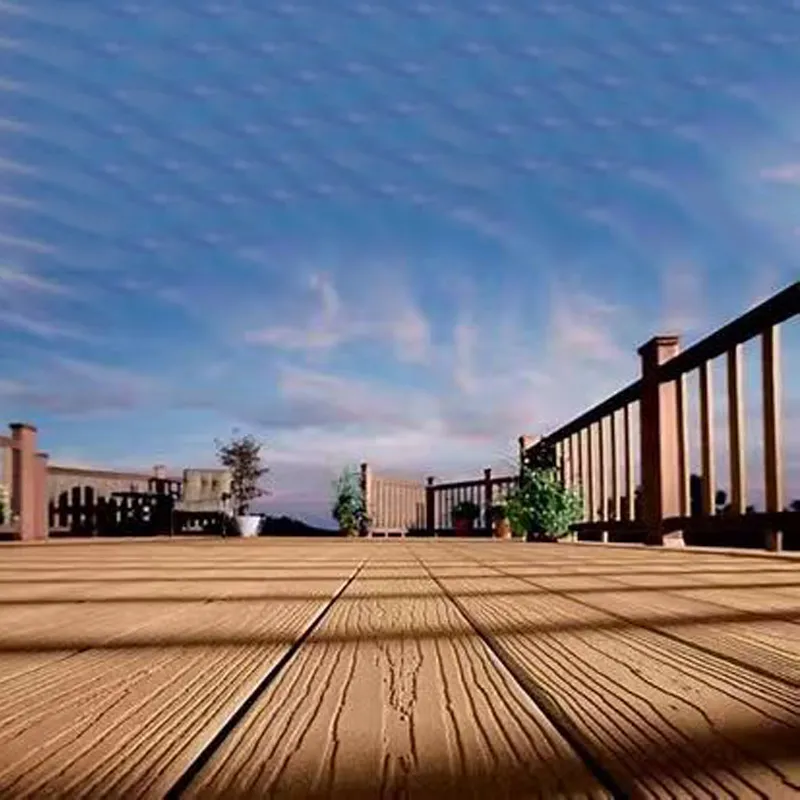
These advantages collectively contribute to higher production yields, superior product quality, reduced operational costs, and greater overall profitability for manufacturers investing in state-of-the-art pvc profile production line technology.
Vendor Comparison and Customized Solutions
Selecting the right vendor for a pvc profile production line is a critical decision that impacts long-term operational efficiency and profitability. Various factors differentiate manufacturers, from technological prowess to after-sales support and customization capabilities.
Key Vendor Comparison Criteria:
| Feature | High-Tier Vendor (Example) | Mid-Tier Vendor (Example) | Considerations |
|---|---|---|---|
| Technology & Innovation | Latest generation extruders, Industry 4.0 integration, specialized co-extrusion capabilities. | Reliable, proven technology, standard automation. | Future-proofing, competitive advantage, specialized profile production. |
| Component Quality | Premium international brands (Siemens, ABB, Schneider, Rexroth) for critical parts. | Mix of reliable domestic and some international components. | Durability, availability of spare parts, long-term maintenance costs. |
| Customization | Extensive R&D for bespoke profile geometries, complex multi-layer designs. | Adaptation of standard lines, limited complex profile design. | Ability to produce unique market-specific products, niche applications. |
| After-Sales Support | Global service network, 24/7 remote support, extensive spare parts inventory, dedicated engineers. | Regional support, standard hours, common spare parts. | Minimizing downtime, ensuring continuous operation, technical assistance. |
| Pricing | Premium investment reflecting advanced technology and support. | Competitive, balanced with features and support. | ROI calculation, budget alignment, long-term value vs. upfront cost. |
Customized Solutions:
Leading manufacturers offer highly customized pvc profile production line solutions. This includes:
- Profile Design and Die Manufacturing: Collaborating with clients to develop unique profile geometries for specific applications, then designing and manufacturing the corresponding high-precision extrusion dies.
- Material Specific Optimization: Tuning the line's parameters and components (e.g., screw design, heating zones) to optimally process different PVC compounds, including foamed PVC, rigid PVC, or compounds with high filler content.
- Integrated Downstream Solutions: Providing complete turnkey solutions that integrate the extrusion line with post-processing equipment such as embossing units, laminators, punching machines, online film applicators, and specialized packaging systems.
- Automation Levels: Offering varying degrees of automation, from semi-automatic lines to fully integrated, lights-out production systems, tailored to client budget and operational goals.
While a pvc profile production line focuses on PVC, it's worth noting that manufacturers in the extrusion space often also offer solutions for aluminium extrusion lines, demonstrating diverse expertise in material processing and highlighting the distinct technical requirements for each material.
Application Case Studies and Customer Experience
Real-world application case studies vividly demonstrate the impact and reliability of advanced extrusion technology. Here, we highlight typical scenarios and customer feedback.
Case Study 1: Large-Scale Window Profile Manufacturer
A leading European window profile producer, facing increasing demand and a need to upgrade aging equipment, invested in multiple high-output pvc window profile extrusion lines. They required lines capable of high-speed production of complex multi-chamber profiles with superior surface finish.
- Challenge: Increase production capacity by 30%, reduce energy consumption by 20%, and improve dimensional stability of profiles.
- Solution: Implementation of a fully automated twin-screw pvc profile production line featuring advanced melt pumps, optimized die heads for multi-chamber profiles, and energy-efficient servo motors. The lines were integrated with an automated stacking and packaging system.
- Results: The client achieved a 35% increase in throughput, a 25% reduction in specific energy consumption per kg of profile, and a significant improvement in profile straightness (reduced deviation by 0.5 mm over 6 meters), leading to fewer rejects and higher customer satisfaction. Customer feedback highlighted the stability of the lines and the precision of the cutting system.
Case Study 2: Niche Industrial Profile Producer
A company specializing in technical profiles for the automotive and electrical industries required a flexible pvc profile extrusion line capable of handling a wide range of specialized PVC compounds (e.g., high-impact, fire-retardant) and frequent product changeovers.
- Challenge: Produce small-batch, high-precision profiles from diverse PVC formulations with quick changeover times.
- Solution: A modular pvc profile production line with quick-change die systems, highly responsive PID temperature control, and a PLC system with pre-programmed recipes for different materials and profiles. The line included a precision laser-measurement system for inline quality control.
- Results: The client successfully reduced changeover times by 40%, minimized material waste during transitions, and achieved consistent product quality even with complex formulations. The inline measurement system ensured compliance with strict industrial tolerances. The customer praised the flexibility and ease of operation of the new line, noting a significant reduction in operator training time.
Ensuring Trustworthiness: FAQ, Lead Time, Warranty, and Support
Transparency and robust support mechanisms are crucial for building trust with B2B clients. Our commitment to expertise and reliability extends to our comprehensive support services for every pvc profile production line.
Frequently Asked Questions (FAQ):
- Q: What kind of raw materials can your line process?
- A: Our pvc profile production line is primarily designed for rigid PVC (RPVC) and foamed PVC compounds. With minor adjustments, it can also handle CPVC and specific wood-plastic composite (WPC) formulations.
- Q: How do you ensure the dimensional accuracy of the profiles?
- A: We utilize high-precision extrusion dies manufactured in-house, combined with multi-chamber vacuum calibration tanks and advanced haul-off units. Many lines also feature inline laser measurement systems for continuous monitoring and feedback control.
- Q: What is the typical power consumption of a line?
- A: Power consumption varies significantly with line size and output. Our modern lines, incorporating servo motors and optimized heating, are designed for maximum energy efficiency, typically consuming 0.2-0.3 kWh per kg of profile produced, depending on profile complexity and material formulation.
Lead Time and Fulfillment:
Standard pvc profile production line configurations typically have a lead time of 60-90 business days from order confirmation to shipment. Customized solutions or complex integrations may require 90-120 days. Our project management team provides regular updates throughout the manufacturing, assembly, and testing phases.
Warranty Commitments:
We offer a comprehensive 12-month warranty on all mechanical and electrical components of our pvc profile production lines, effective from the date of final commissioning or 18 months from shipment, whichever comes first. This warranty covers manufacturing defects and component failures under normal operating conditions. Extended warranty options are available.
Customer Support and After-Sales Service:
- Installation and Commissioning: Our experienced engineers provide on-site installation, commissioning, and optimization services to ensure seamless startup.
- Operator Training: Comprehensive training programs are provided for client personnel on machine operation, maintenance, and troubleshooting.
- Technical Assistance: 24/7 remote technical support via phone, email, and video conferencing. On-site technical visits can be arranged if required.
- Spare Parts Supply: A dedicated spare parts department ensures prompt delivery of genuine components globally, minimizing downtime.
- Preventative Maintenance Programs: Optional service contracts for routine inspections and preventative maintenance to extend machine life and optimize performance.
Conclusion
The modern pvc profile production line stands as a testament to engineering excellence, driving innovation and efficiency in the building materials and industrial sectors. With an increasing focus on energy efficiency, automation, and customization, these lines are not just machines but strategic assets that enable businesses to produce high-quality, durable, and cost-effective PVC profiles. The continuous evolution of extrusion technology, supported by robust after-sales services and a commitment to standards, ensures that manufacturers can confidently meet market demands and achieve sustainable growth. Investing in advanced production lines is an investment in future success and market leadership.
References
- Grand View Research. (2023). Polyvinyl Chloride (PVC) Market Size, Share & Trends Analysis Report By Application (Pipes & Fittings, Films & Sheets, Wires & Cables, Bottles), By Region, And Segment Forecasts, 2024 - 2030.
- ISO 9001:2015 - Quality management systems — Requirements. International Organization for Standardization.
- Rauwendaal, C. (2014). Polymer Extrusion. Hanser Publications.
- Standard DIN EN 12608-1:2016 - Unplasticized polyvinylchloride (PVC-U) profiles for the fabrication of windows and doors — Part 1: Classification, requirements and test methods.
-
High Efficiency PE Extrusion Line Guide for Plastic ManufacturingNewsApr.16,2026
-
High Speed Steel Wire Mesh HDPE Composite Pipe Production Line - Anhui Dongchai|High Automation&Energy EfficiencyNewsApr.13,2026
-
High Speed Steel Wire Mesh HDPE Composite Pipe Production Line - Anhui Dongchai|High Automation&Energy EfficiencyNewsApr.13,2026
-
Guide to Choosing High Efficiency ppr pipe extrusion machineNewsApr.09,2026
-
Comprehensive Guide to Modern Pipe Production Line Technologies and OptimizationNewsApr.07,2026
-
Choosing the Right Extrusion Pipe Machine for Optimal Plastic Pipe ProductionNewsApr.04,2026
-
Comprehensive Guide to PPR Pipe Extrusion Line Technology and ApplicationsNewsMar.31,2026


