
Understanding PVC Pipe Manufacturing Machines: The Backbone of Modern Piping Solutions
If you've ever marveled at the extensive network of water, gas, or sewage pipes crisscrossing towns and cities, chances are many of these are made from PVC, or polyvinyl chloride. The machines that bring these pipes to life — famously referred to as pvc pipe manufacturing machine — are a fascinating blend of engineering and innovation. Why does this matter globally? Well, from ensuring clean drinking water to supporting industrial infrastructure, PVC pipes are everywhere. Understanding the machines behind them helps us appreciate not just infrastructure but also the growth and sustainability they enable worldwide.
The Global Context: Why PVC Pipe Manufacturing Matters Now More Than Ever
Globally, demand for durable piping solutions is skyrocketing. According to the United Nations, infrastructure development is a key pillar of sustainable urban growth, especially in fast-growing economies. The global PVC pipes market was valued at over $20 billion in 2023, reflecting a steady growth fueled by urbanization and sanitation improvements (source: Wikipedia).
Yet, the challenge remains: how do manufacturers consistently produce quality pipes at scale to meet this need? Enter the pvc pipe manufacturing machine — a technology that automates production with precision and speed. Whether it's a city upgrading its water delivery systems or an NGO building sanitation for rural communities, these machines play a critical role. Without them, supplying reliable piping in volume would be a logistical nightmare.
Mini takeaway:
- PVC pipe manufacturing machines support global infrastructure needs and sustainability goals.
- They meet increasing demands by providing efficient, scalable production solutions.
What Exactly Is a PVC Pipe Manufacturing Machine?
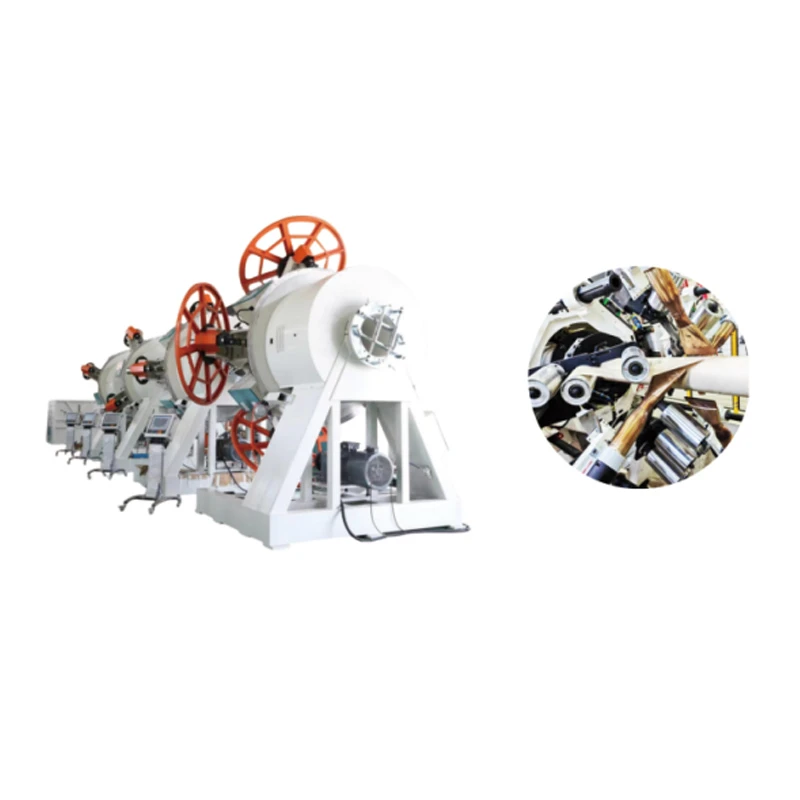
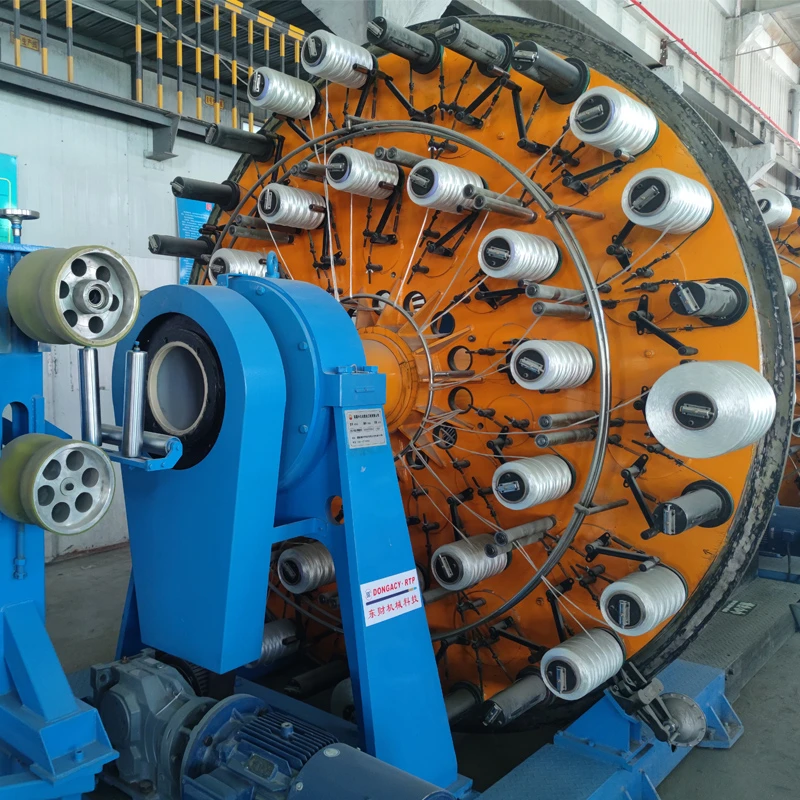
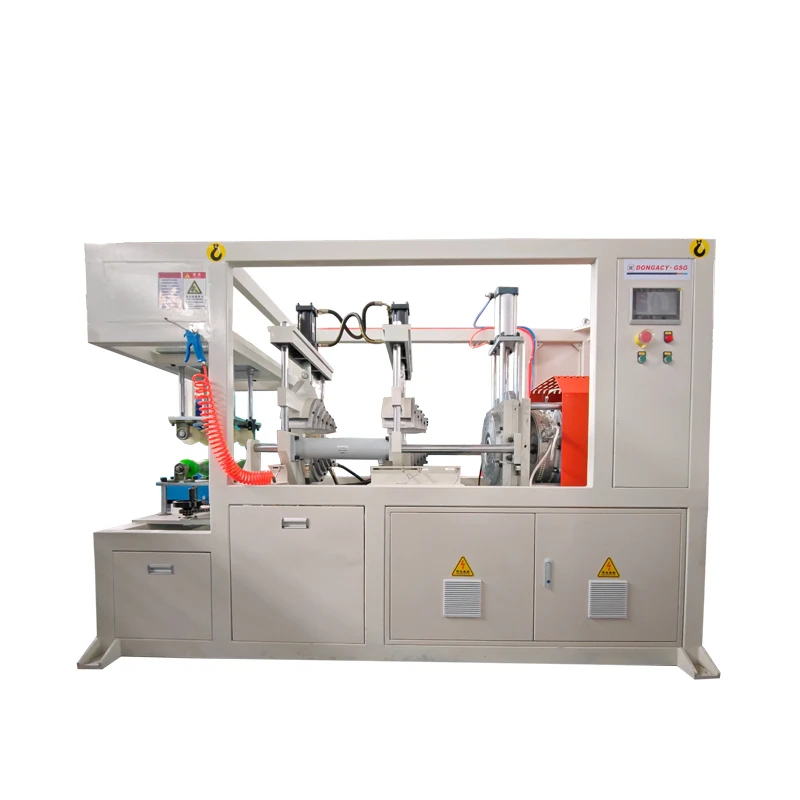
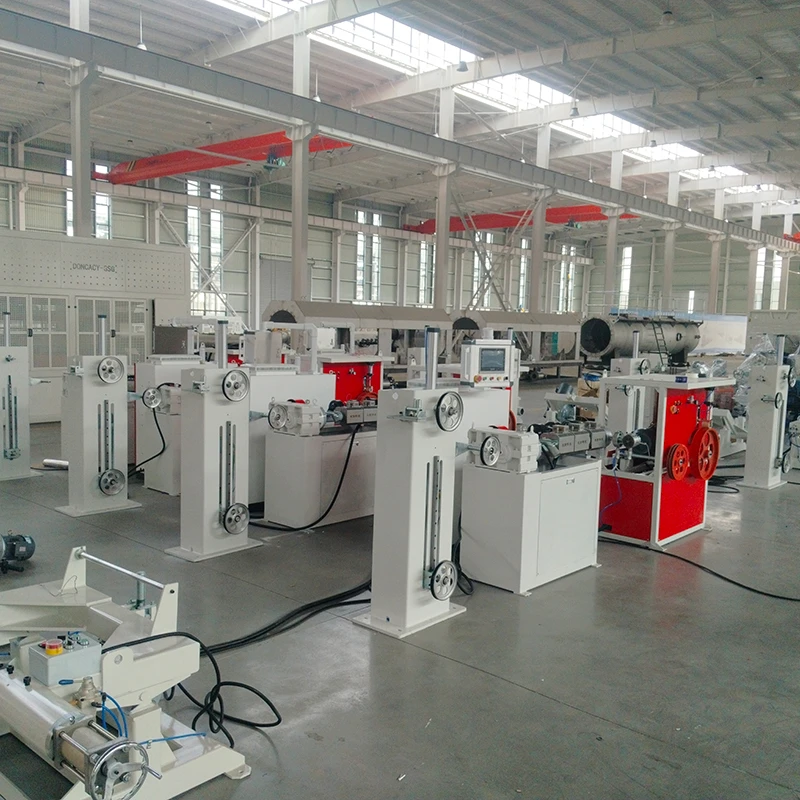
Simply put, a pvc pipe manufacturing machine is specialized industrial equipment designed to convert raw PVC resin into finished pipes of various diameters and thicknesses. The process generally involves melting, extruding, shaping, cooling, and cutting the PVC material. These machines range from semi-automatic units for small batches to fully automated systems that can churn out hundreds of meters of pipe per hour.
In modern industry, these machines connect the dots between raw materials and durable products, enabling everything from plumbing in homes to large-scale irrigation projects. Moreover, in humanitarian efforts, access to reliable water distribution can hinge on the efficient production of such pipes.
Core Components That Define Their Performance
1. Durability & Material Handling
Robust construction is a must, especially since these machines handle abrasive powders at high temperatures. The quality of screw extruders and heaters directly impacts product strength.
2. Scalability & Speed
Machines that can switch between pipe diameters quickly or ramp up output are invaluable for meeting changing demands without downtime.
3. Cost Efficiency
Energy consumption and raw material usage are optimized to reduce operational costs—often a make-or-break factor for manufacturers.
4. Precision & Automation
Accurate temperature and speed controls ensure consistent pipe wall thickness and diameter, critical for quality compliance.
5. Environmental Considerations
Newer models incorporate energy-saving motors and better emissions controls, aligning with global sustainability trends.
Mini takeaway:
- Durability, scalability, and precision are key to effective PVC pipe production.
- Environmental upgrades reflect industry moves toward greener manufacturing.
How Are PVC Pipe Manufacturing Machines Applied Worldwide?
Water supply companies in Europe rely heavily on PVC pipes for their corrosion resistance. Meanwhile, in Asia and Africa, rapid urbanization and rural development projects lean on these machines to provide infrastructure quickly and affordably. Post-disaster relief agencies deploy portable PVC pipe manufacturing setups to rebuild essential water systems fast.
Industries like agriculture (for irrigation), construction (for plumbing), and even telecommunications (for conduit casing) all turn to PVC pipes produced by these machines. Oddly enough, even cold regions use PVC pipes extensively because they resist freezing and cracking better than some metals.
Mini takeaway:
- From rural irrigation to urban plumbing, PVC pipe manufacturing machines serve diverse global sectors.
- Their adaptability supports emergency and long-term infrastructure needs alike.
Advantages & Why They’re Worth It In The Long Run
- Cost-effectiveness: PVC pipes made this way are cheaper than metal counterparts and easier to install, saving money at every step.
- Sustainability: Many machines now recycle scrap, lowering waste and energy use.
- Reliability: Automated precision reduces defects and failures in finished pipes.
- Social Impact: Ensuring sanitary water delivery boosts public health and dignity worldwide.
To me, it almost feels like these machines are quietly building the connective tissue of modern life — even if you don’t see the pipes themselves, their impact is everywhere.
Specifications: A Typical PVC Pipe Manufacturing Machine at a Glance
| Specification | Typical Value |
|---|---|
| Pipe Diameter Range | 20 mm – 400 mm |
| Output Capacity | 100 – 500 meters/hour |
| Motor Power | 30 – 90 kW |
| Material Compatibility | PVC, CPVC, HDPE (some models) |
| Automation Level | Semi to Fully Automated |
| Energy Consumption | 5 – 7 kWh per 100 meters produced |
Comparing Leading Manufacturers of PVC Pipe Machines
| Manufacturer | Machine Type | Output Capacity | Energy Efficiency | Price Range |
|---|---|---|---|---|
| GlobalPipeTech | Fully Automated Extrusion | 400 m/hr | High | $$$ |
| PipeWorks | Semi-Automatic | 200 m/hr | Moderate | $$ |
| EcoTube Solutions | Green Energy Optimized | 350 m/hr | Very High | $$$$ |
Looking Ahead: The Future of PVC Pipe Manufacturing Machines
It’s fascinating how digital transformation is creeping into even traditional fields like pipe production. I’ve read that IoT sensors are now integrated into extrusion lines, providing real-time analytics on temperature, pressure, and wear—helping maintenance before breakdowns appear.
Meanwhile, the push for greener manufacturing has suppliers developing machines that incorporate recycled PVC without sacrificing pipe quality. Artificial intelligence promises better quality control with less waste, and flexible automation will let factories quickly shift production to different pipe types or sizes.
Challenges Facing PVC Pipe Manufacturing Machines—and Smart Workarounds
Of course, no tech is perfect. A few bottlenecks stand out — raw material quality inconsistency, high energy costs, and scaling up without compromising quality. Industry experts suggest adaptive heating controls and modular machine designs to help manufacturers pivot as needed.
Plus, training operators on the latest controls remains critical. After all, even the smartest machines need skilled human eyes and hands. Frankly, no startup wants to be stuck with a giant machine that’s a black box and a maintenance headache.
FAQ: Your Top Questions About PVC Pipe Manufacturing Machines
- Q: What pipe sizes can these machines produce?
A: Most pvc pipe manufacturing machines accommodate diameters from 20 mm up to about 400 mm, with some specialized machines capable of larger sizes depending on customer needs. - Q: How energy-efficient are PVC pipe production machines?
A: Energy consumption varies, but modern machines consume roughly 5–7 kWh per 100 meters of pipe produced. Machines optimized for green energy use tend to be more efficient and have smarter automation systems. - Q: Can recycled PVC be used in these machines?
A: Yes, many systems now accept recycled PVC resin, though the resulting pipe quality depends on the purity and processing. Operators generally blend recycled material with virgin resin to maintain integrity. - Q: How long does it take to install a production line?
A: Installation time ranges from days for smaller setups to several weeks for complex, fully automated lines. Proper training and commissioning usually extend the timeline for best results. - Q: Are there portable or modular PVC pipe manufacturing machines?
A: Yes, some manufacturers offer scalable modular lines designed for ease of transport—ideal for remote locations or emergency relief projects.
Final Thoughts: Why PVC Pipe Manufacturing Machines Are Indispensable
In an age where infrastructure is the foundation of development, the humble pvc pipe manufacturing machine quietly plays a starring role. They not only pump out vast quantities of piping but also embody a convergence of innovation, sustainability, and social impact. Whether you’re an industrialist, policymaker, or simply curious about how cities stay hydrated, these machines represent progress in motion.
If you're intrigued by how the industry is evolving or considering investing in manufacturing technology, checking out advanced models could be your next savvy step.
Visit our website: https://www.ahdc11.com to learn more about state-of-the-art pvc pipe manufacturing machines tailored to your needs.
References
-
High Efficiency PE Extrusion Line Guide for Plastic ManufacturingNewsApr.16,2026
-
High Speed Steel Wire Mesh HDPE Composite Pipe Production Line - Anhui Dongchai|High Automation&Energy EfficiencyNewsApr.13,2026
-
High Speed Steel Wire Mesh HDPE Composite Pipe Production Line - Anhui Dongchai|High Automation&Energy EfficiencyNewsApr.13,2026
-
Guide to Choosing High Efficiency ppr pipe extrusion machineNewsApr.09,2026
-
Comprehensive Guide to Modern Pipe Production Line Technologies and OptimizationNewsApr.07,2026
-
Choosing the Right Extrusion Pipe Machine for Optimal Plastic Pipe ProductionNewsApr.04,2026
-
Comprehensive Guide to PPR Pipe Extrusion Line Technology and ApplicationsNewsMar.31,2026


