
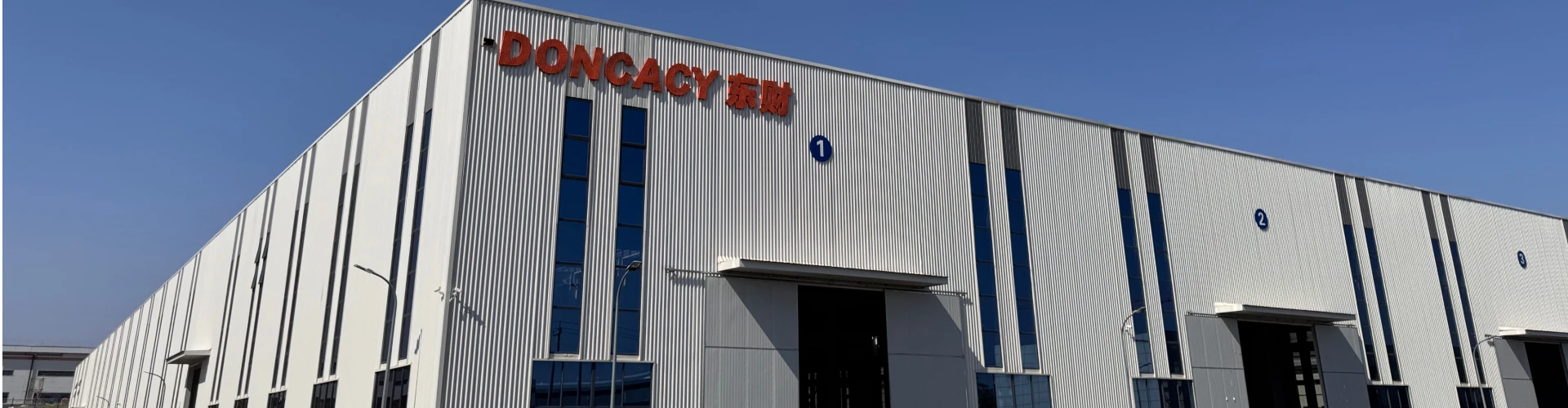
Understanding Pipe Processing Machinery: The Backbone of Modern Infrastructure
In an increasingly interconnected world, the humble pipe isn’t just about carrying water or gas—it’s part of the backbone that supports industry, humanitarian needs, and global infrastructure. But what makes those pipes ready for action? Enter pipe processing machinery, the unsung hero that shapes, cleans, bends, and prepares pipes for their journey underground or across sprawling industrial plants.
Understanding this technology matters because, frankly, without it, the world’s energy pipelines, water systems, and manufacturing lines wouldn’t function as reliably. From small-scale municipal projects to sprawling oil fields, pipe processing machinery delivers precision, efficiency, and quality assurance that’s vital worldwide.
Introduction: Why Pipe Processing Machinery Matters Globally
The scale of pipe usage globally is staggering. According to the International Standards Organization (ISO), the demand for high-quality pipe systems is expected to grow by nearly 5% annually over the next decade, fuelled by expanding urban infrastructure, energy transitions, and water management projects around the world.
Yet, with such growth comes challenges. Pipes need stringent processing to meet rising standards for durability, safety, corrosion resistance, and environmental sustainability. Unprocessed or poorly handled pipe materials risk catastrophic failures, which in infrastructure terms, can mean disasters both ecological and human. That’s where pipe processing machinery becomes a game-changer, providing automated solutions that meet global safety benchmarks efficiently.
What Exactly is Pipe Processing Machinery?
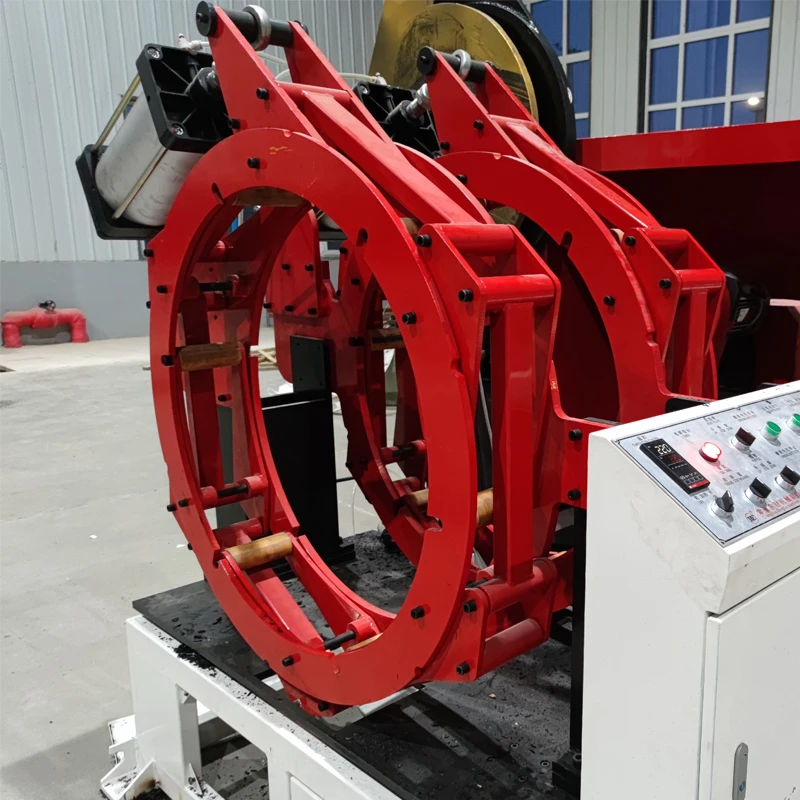
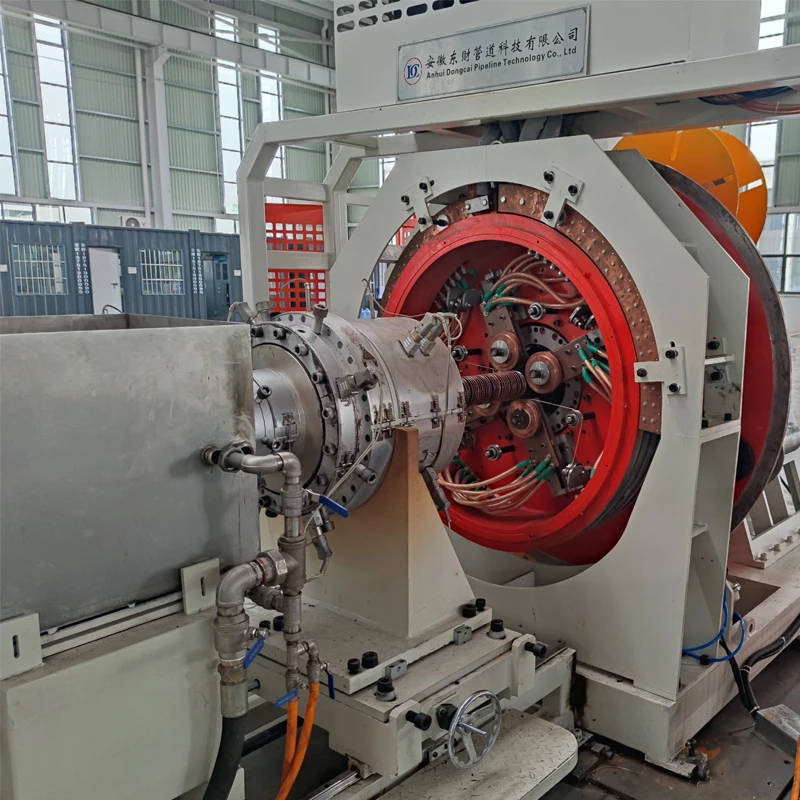
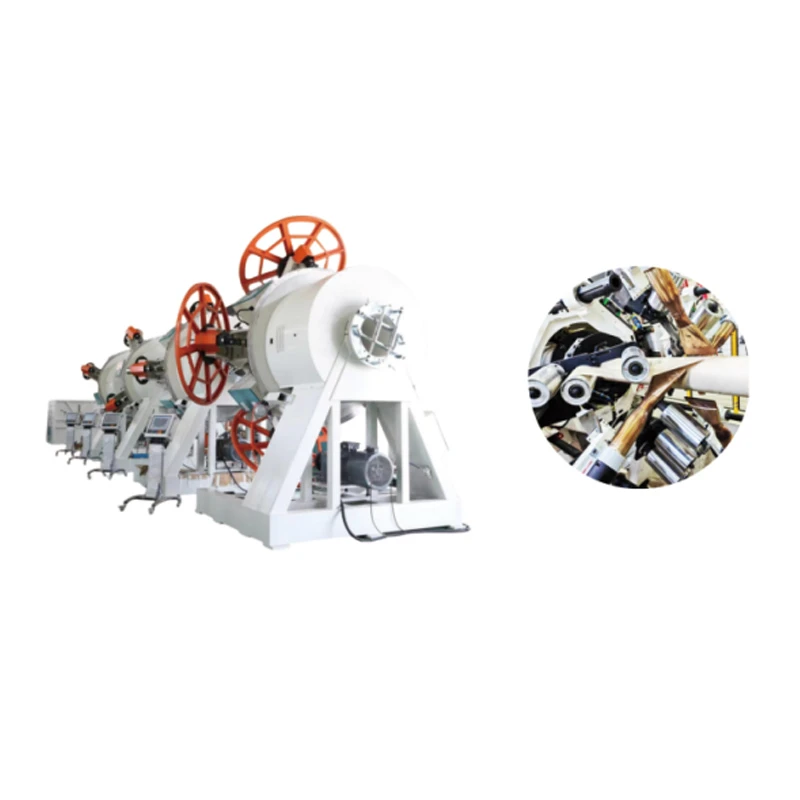
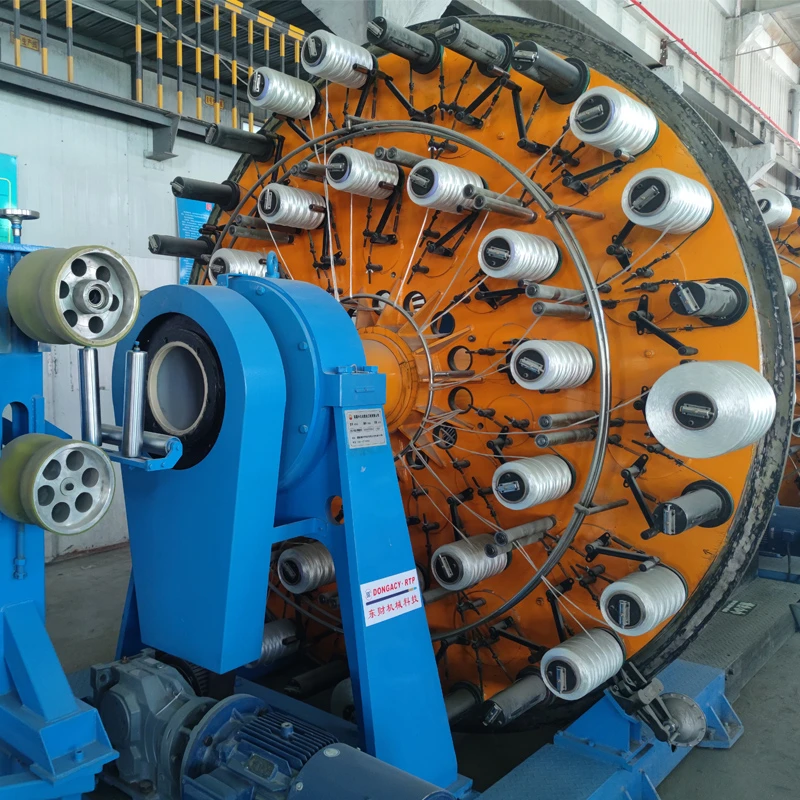
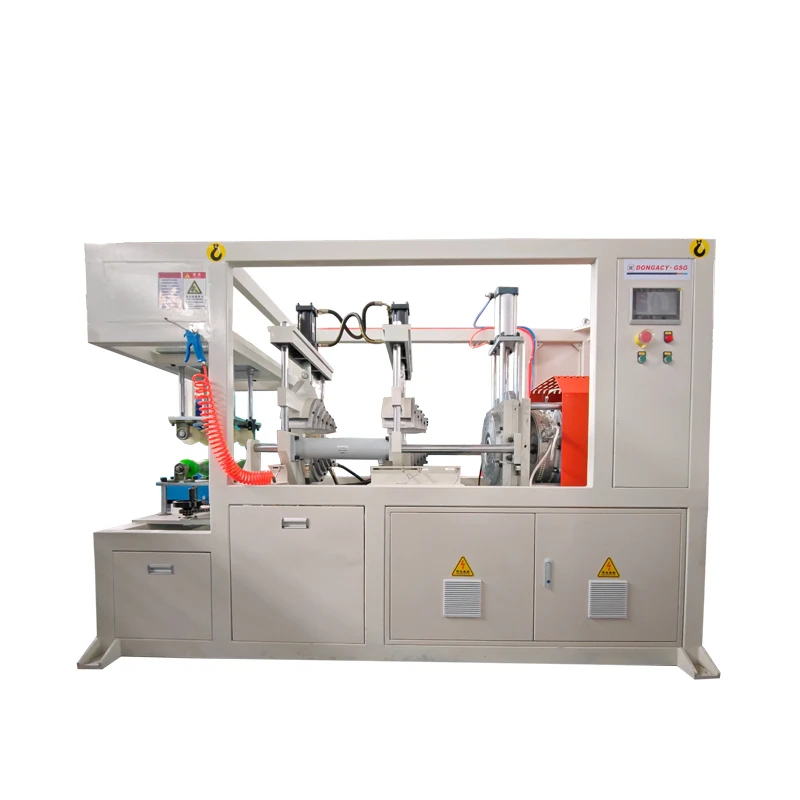
At its core, pipe processing machinery refers to the tools and equipment used to prepare pipes for their final use. This includes cutting, bending, beveling, welding preparation, cleaning, and sometimes testing. Rather than manual labor, these machines ensure accuracy, speed, and consistent quality in pipe production.
In real-world terms, it’s the difference between a pipe that fits perfectly and lasts decades versus one prone to leaks or failures. This technology is vital from extractive industries like oil and gas, through to water supply, sewage management, and even humanitarian logistics where quick-deploy pipe networks are crucial.
Key Components and What They Mean in Practice
1. Precision Cutting
A lot rides on a clean pipe cut. Modern machines use laser or circular saw cutting systems that minimize burrs and material stress. This precision helps avoid future weld failures.
2. Flexible Bending
Curved pipelines aren’t just aesthetic—they help navigate tricky terrains. Good pipe processing machinery uses hydraulic or servo-driven bending to achieve accurate arcs without compromising integrity.
3. Automated Beveling
To prep pipes for welding, edges need to be beveled just right. Automation here reduces human error drastically and ensures better joint strength.
4. Surface Cleaning and Treatment
Rust, oil, and dirt can undermine pipe durability. Machines that incorporate abrasive blasting or chemical cleaning help extend service life.
5. Quality Testing & Inspection
Ultrasonic, radiographic, and pressure tests built into processing lines detect flaws early, offering peace of mind that pipes won’t let you down.
Mini takeaway: When you break down pipe processing machinery to these core components, it becomes clear why this gear is central to modern infrastructure’s reliability.
Global Applications & Real-World Use Cases
Pipe processing machinery fuels major projects worldwide:
- Energy Sector: In the Middle East and Russia, huge oil and gas pipelines depend on flawlessly processed pipes to transport resources without leaks.
- Water Infrastructure: Developing countries in Africa and Asia upgrade municipal water supplies, relying on clean-cut, anti-corrosion treated pipes.
- Disaster Relief: Post-hurricane Puerto Rico used modular pipe systems for rapid restoration of water networks.
- Industrial Manufacturing: Steel plants in Germany and the US need precision machinery to keep pipe supply chains seamless.
These use cases illustrate a shared narrative: speed, quality, and durability benefit not only businesses but millions of end users.
Product Specification Table: Typical Pipe Processing Machinery Features
| Feature | Description | Typical Range |
|---|---|---|
| Pipe Diameter Range | Minimum and maximum diameter pipes that can be processed | 20mm to 1500mm |
| Cutting Accuracy | Tolerance level for cuts | ±0.1 mm |
| Bending Radius | Smallest possible bending radius without damage | 3× pipe diameter |
| Beveling Angle | Adjustable angle for welding prep | 0° to 45° |
| Processing Speed | Pipes handled per hour | 50–200 pipes/hr |
Comparing Leading Vendors of Pipe Processing Machinery
| Vendor | Key Strength | Notable Feature | Global Reach |
|---|---|---|---|
| PipeTech Solutions | Customization capability | Modular machine components | Americas, Europe |
| Global Pipe Masters | High-volume processing | Robust automation suite | Worldwide |
| EcoPipe Works | Sustainability focus | Energy-efficient machines | Europe, Asia |
Advantages & Long-Term Value of Pipe Processing Machinery
There’s a bunch of reasons piping professionals repeatedly trust automated processing machinery:
- Cost efficiency: While initial investment may feel steep, long-term savings on labor, waste, and maintenance are huge.
- Durability: Properly machine-prepared pipes endure harsh environments longer, saving repair headaches down the road.
- Sustainability: Reduced waste and the ability to use advanced coatings aligns with global green initiatives.
- Safety & Reliability: Better welds and consistent dimensions means safer installations, which frankly affects lives.
- Trust & Innovation: Knowing your equipment meets international standards transforms client relationships and project reputations.
It’s more than a machine: it’s part of a legacy that connects technology to real lives, from city planners to emergency responders.
Looking Ahead: Future Trends in Pipe Processing Machinery
The technological horizon is exciting. Here’s what many experts expect:
- Green Energy Integration: Machines powered by or designed for renewable energy project requirements.
- Digital Transformation: IoT-enabled machines offering real-time error detection and predictive maintenance.
- Advanced Materials: Handling composite, high-alloy, or even biodegradable pipes.
- Automation Upgrades: Collaborative robots ("cobots") working alongside humans for more flexible production lines.
Oddly enough, while the pipes themselves may seem basic, the machinery crafting them is anything but stagnant.
Challenges in Pipe Processing & How They're Being Tackled
Like all tech fields, pipeline processing machinery has its speed bumps:
- High capital cost: Not every company can afford state-of-the-art lines — leasing options and modular machines help.
- Material diversity: New pipe materials require machine adaptability, demanding frequent upgrades or new training.
- Workforce skills: Operators must constantly upskill to keep pace with automation.
Innovative collaborations between manufacturers and training organizations, alongside scalable machinery designs, are smoothing these challenges out.
FAQ: Your Top Questions on Pipe Processing Machinery
Q1: What types of pipes can these machines process?
A: Typically, pipe processing machinery handles a wide variety of materials, including carbon steel, stainless steel, copper, and certain composites. Machines are often tailored to specific diameters and thicknesses, so checking specs with vendors ensures compatibility with your project.
Q2: How does automation improve pipe processing?
A: Automation reduces human error, speeds up production, and allows for consistent quality control. For example, automatic beveling ensures every pipe end is precisely angled for welding, which reduces rework and enhances joint strength.
Q3: Can these machines be used in remote or temporary setups?
A: Yes, compact and modular pipe processing machinery are ideal for field deployment, especially in disaster zones or remote industrial sites where quick pipe preparation is critical.
Q4: What safety standards do pipe processing machines meet?
A: Leading machinery complies with international standards such as ISO 9001 for quality management and ISO 12100 regarding machine safety. This ensures operators' safety and product reliability.
Q5: How do environmental regulations affect pipe processing?
A: Increasingly, eco-friendly practices like waste treatment, energy-efficient systems, and low-emission operations are mandated. Modern machines are designed to meet or exceed these environmental standards.
Conclusion: Why Investing in Pipe Processing Machinery Pays Off
Thinking long term, pipe processing machinery is more than production gear. It’s the keystone for a safer, more efficient, and sustainable industrial future. Whether you're running pipelines in the farthest corners of the world or upgrading city infrastructure, these machines deliver unmatched precision and reliability.
Ready to explore how this technology can elevate your projects? Don’t hesitate—visit https://www.ahdc11.com to dive deeper into leading pipe processing solutions tailored for your needs.
References:
-
High Efficiency PE Extrusion Line Guide for Plastic ManufacturingNewsApr.16,2026
-
High Speed Steel Wire Mesh HDPE Composite Pipe Production Line - Anhui Dongchai|High Automation&Energy EfficiencyNewsApr.13,2026
-
High Speed Steel Wire Mesh HDPE Composite Pipe Production Line - Anhui Dongchai|High Automation&Energy EfficiencyNewsApr.13,2026
-
Guide to Choosing High Efficiency ppr pipe extrusion machineNewsApr.09,2026
-
Comprehensive Guide to Modern Pipe Production Line Technologies and OptimizationNewsApr.07,2026
-
Choosing the Right Extrusion Pipe Machine for Optimal Plastic Pipe ProductionNewsApr.04,2026
-
Comprehensive Guide to PPR Pipe Extrusion Line Technology and ApplicationsNewsMar.31,2026


