
Understanding Pipe Machines: Vital Tools in Modern Infrastructure
It might sound mundane at first—pipe machines—but don’t be fooled. These are the quiet heroes behind everything from urban plumbing networks to massive oil and gas pipelines stretching thousands of miles. With growing global infrastructure demands, understanding pipe machines is more relevant than ever. Why? Because efficient pipe manufacturing and handling means safer, more durable infrastructure, lower costs, and faster project completion worldwide.
In this article, we'll explore what pipe machines really are, their key features, global applications, and why they matter in industries and humanitarian work alike. Plus, I'll share some critical insights on innovations and practical challenges in their use.
Global Context: Why Pipe Machines Matter Today
Let’s set the stage with some gritty facts. The World Bank estimates hundreds of billions of dollars are poured globally into infrastructure annually—with pipelines making up a significant chunk, especially in energy and water sectors.
That means the quality, speed, and reliability of pipe production have vast economic and social consequences. UN infrastructure development goals highlight sustainable, robust water and energy delivery systems as essential to reducing poverty and climate risks. Pipe machines, used in everything from bending and cutting to welding and testing pipes, are critical for meeting these challenges.
However, many regions face issues like outdated equipment, supply chain bottlenecks, and skill shortages, which make pipe installation delayed or substandard. So the industry is pushing for smarter, faster pipe machines to address these global infrastructure hurdles.
What Exactly is a Pipe Machine?
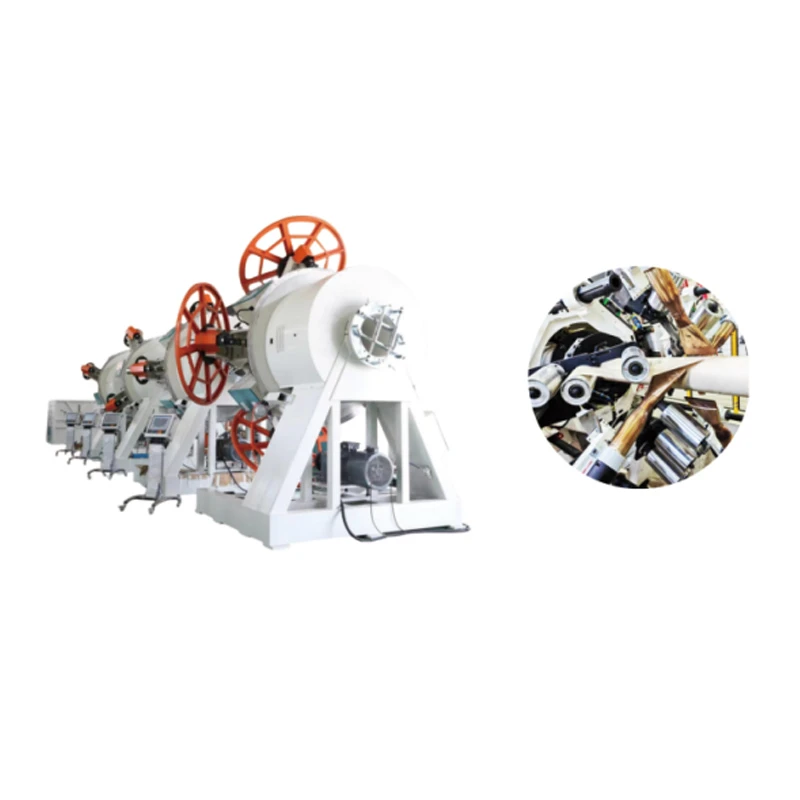
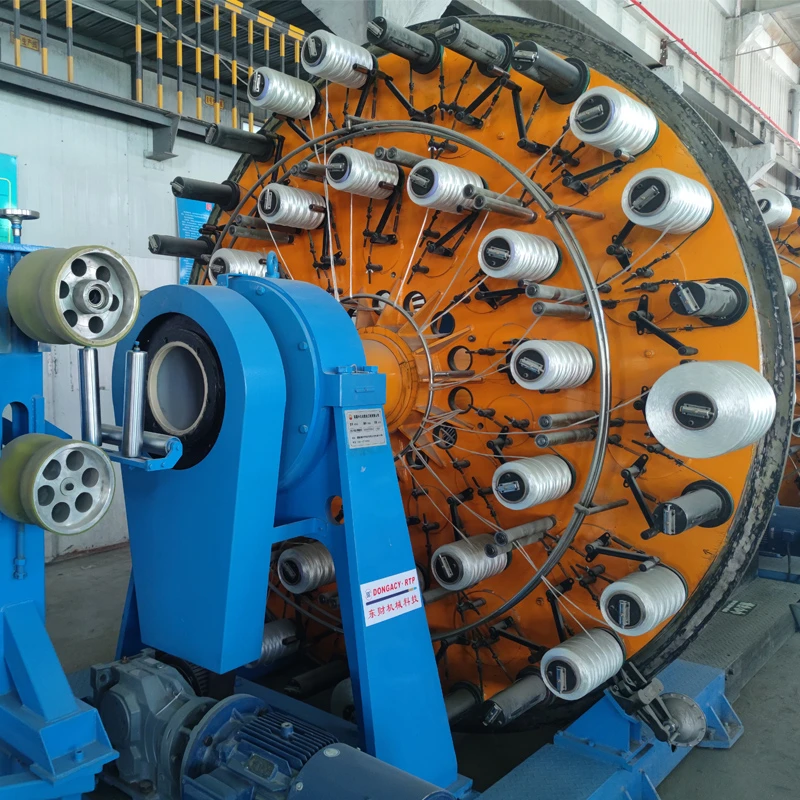
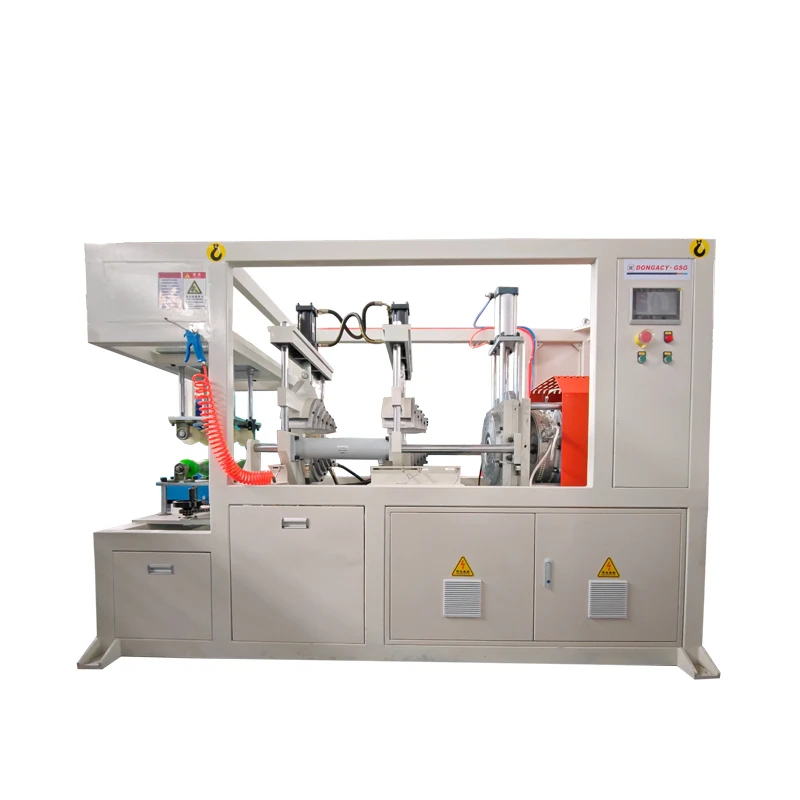
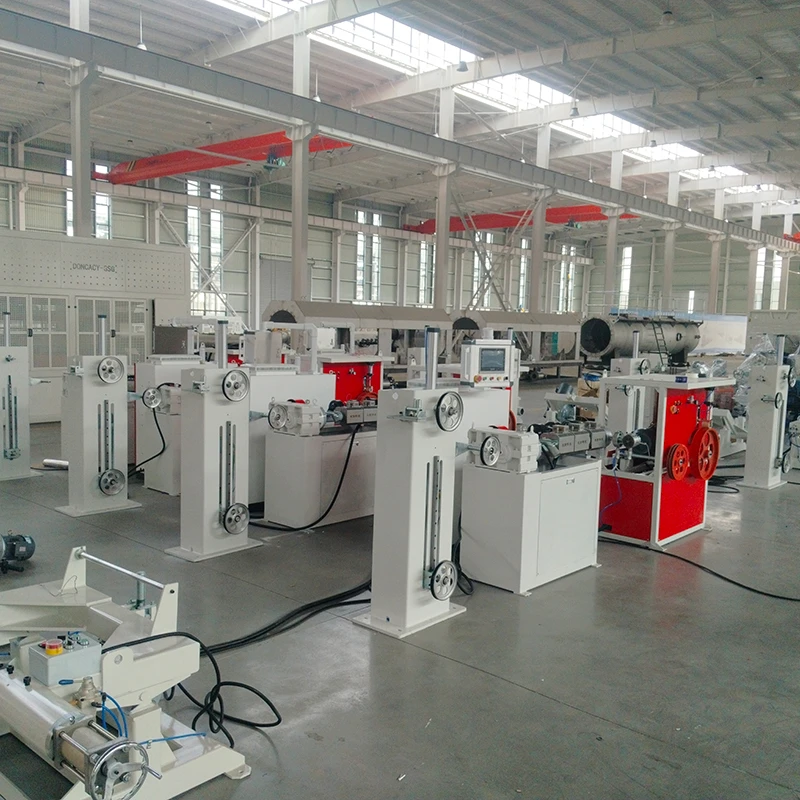
In simple terms, a pipe machine is an industrial device used to form, process, or test pipes and tube components. Think of it as the backbone of pipe manufacturing and installation—from shaping raw metal sheets into tubes, to bending pipes for complex layouts, or even heavy-duty welding and coating equipment designed specifically for pipes.
Pipe machines connect directly to an array of modern industries—oil & gas, construction, water treatment, chemical processing, and even disaster relief logistics. For example, in humanitarian emergency water supply, high-quality pipe assembly ensures safe access to clean water quickly.
Key Features of Pipe Machines
1. Durability & Material Compatibility
Pipe machines often handle materials ranging from steel, aluminum, PVC, to specialized alloys. Durability is vital – engineers look for machines designed to endure harsh industrial environments and heavy workloads while maintaining precision.
2. Precision & Automation
In modern facilities, computerized control and automation features allow extremely accurate cuts, bends, and welds. This reduces material waste and ensures pipes meet tight tolerances—key for safety and efficiency.
3. Portability & Scalability
Some pipe machines are designed portable for on-site use, especially in remote or disaster-affected zones. Others are large-scale setups ideal for mass production lines. The right balance depends on project scope.
4. Cost Efficiency
Operators always want machines with lower maintenance needs, energy-efficient motors, and minimal downtime. Smart manufacturing software integration also helps optimize workflow, indirectly saving costs.
5. Safety Features
Pipes and machines handling them can be hazardous. Safety interlocks, guards, and emergency stops are standard but vary by model—important when training new operators.
Mini Takeaway:
In a nutshell, pipe machines are tailored to handle different materials and workflows, with an eye on precision and safety—all vital for building lasting infrastructure.
Worldwide Applications: Where Pipe Machines Make a Difference
Across continents and industries, pipe machines play very tangible roles. For instance:
- Oil & Gas Pipelines: In North America and the Middle East, pipe bending and welding machines lay miles of pipeline under extremely tough environments.
- Water & Sanitation Projects: NGOs deploying emergency water supply systems in sub-Saharan Africa rely on portable pipe machines to rapidly install durable piping.
- Chemical Plants & Manufacturing Hubs: Europe and Asia host automated pipe fabrication lines producing high-precision pipes for sensitive industrial setups.
- Infrastructure Rebuild: Japan’s earthquake recovery projects have famously used mobile pipe machines for quick restoration of water and gas connections.
Mini Takeaway:
The versatility of pipe machines makes them indispensable in both cutting-edge industries and humanitarian efforts alike—pretty cool for a machine that’s “just” making pipes.
Advantages & Long-term Value of Pipe Machines
Using advanced pipe machinery brings many benefits worth unpacking:
- Cost Savings: Automation cuts labor and reduces raw material waste.
- Durability: Precision machining avoids flaws that degrade pipes prematurely.
- Sustainability: Efficient machines consume less power and optimize material use, aligning with ISO 14001 standards for sustainability.
- Safety & Trust: Consistently well-manufactured pipes mean safer infrastructure, which builds trust among communities and investors alike.
Plus, there’s an emotional side: when communities see new sustainable water lines or energy delivery pipes working reliably, it brings dignity and hope—something often overlooked but hugely motivating.
Future Trends & Innovations in Pipe Machines
Looking ahead, pipe machinery is undergoing exciting shifts:
- Smart Automation: AI-powered monitoring systems predict maintenance needs and optimize machine usage.
- Green Tech: Machines powered by renewable energy sources and made from recyclable components.
- Modular Designs: Quick-change components and portable setups catering to emergency response and remote industrial sites.
- Digital Twins: Virtual replicas of pipe machines helping engineers simulate and troubleshoot production lines remotely.
Mini Takeaway:
The pipe machine space is quietly buzzing with innovations that promise more efficient, green, and adaptive solutions.
Challenges & Solutions in Deploying Pipe Machines
Not everything is rosy. Common challenges include:
- High upfront costs that deter small operators
- Skill gaps in managing advanced machinery
- Logistics hurdles for transporting bulky equipment to remote zones
Solutions? Leasing models reduce initial capital barriers, training programs elevate workforce skills, and modular, lighter machine designs ease transport woes.
Product Specifications: An Example Pipe Machine Model
| Specification | Details |
|---|---|
| Model | PMX-450B |
| Bending Capacity | Up to 450mm diameter pipes |
| Material Compatibility | Steel, Aluminum, PVC |
| Automation Level | Semi-automatic with CNC control |
| Portability | Mounted on mobile trailer chassis |
| Power Requirement | 220V/380V, 5.5kW motor |
| Safety Features | Emergency stop, light curtains, overload protection |
Vendor Comparison: Choosing the Right Pipe Machine Supplier
| Vendor | Price Range | Product Range | Customer Support | Global Reach |
|---|---|---|---|---|
| PipeTech Solutions | $$$ | Wide (bending, welding, testing) | 24/7 hotline, training programs | North America, Europe |
| Global Pipe Machinery Co. | $$ | Medium (mostly bending & cutting) | Email & phone support only | Asia, Africa |
| RapidPipe Tech | $ | Limited (mobile pipe machines) | Basic online manuals | Global (via distributors) |
FAQs About Pipe Machines
Q1: What types of pipes can a pipe machine typically handle?
A: Most pipe machines are compatible with steel, aluminum, and plastics like PVC. However, specialized machines exist for alloys or composite pipes. Choosing depends on your industry and pipe specifications.
Q2: How portable are pipe machines for emergency deployment?
A: Portable pipe machines, often trailer-mounted or modular, are designed for rapid set-up in field operations. They're essential in disaster zones where infrastructure must be rebuilt fast and reliably.
Q3: Can pipe machines be integrated into digital manufacturing systems?
A: Absolutely. Many modern machines come with CNC controls and can connect to factory management software or even IoT platforms for real-time monitoring and predictive maintenance.
Q4: What maintenance challenges should buyers expect?
A: Regular calibration, lubrication, and checking safety features are standard. Machines with digital monitoring can reduce unexpected downtime. Skilled technicians are a must, so training is critical.
Q5: Is it possible to customize pipe machines for unique projects?
A: Yes, many manufacturers offer custom configurations to handle special pipe materials, sizes, or workflows—especially important for niche industries or complex infrastructure projects.
Wrapping It Up: Why Pipe Machines Are An Investment in the Future
Pipe machines might not be glamorous, but they quietly hold together the arteries of civilization. Whether supplying potable water in a drought, supporting sprawling energy grids, or helping rebuild post-crisis infrastructure, they are indispensable.
Choosing the right machine – one that suits your scale, budget, and application needs – can save time, money, and sometimes lives. And as pipe machine technology keeps evolving with smarter automation and greener designs, the future looks both efficient and sustainable.
Curious to learn more or ready to upgrade your pipe processing? Visit our website https://www.ahdc11.com to explore the latest pipe machine options tailored to your needs.
Until next time, keep those pipelines flowing smooth and steady.
References
-
High Efficiency PE Extrusion Line Guide for Plastic ManufacturingNewsApr.16,2026
-
High Speed Steel Wire Mesh HDPE Composite Pipe Production Line - Anhui Dongchai|High Automation&Energy EfficiencyNewsApr.13,2026
-
High Speed Steel Wire Mesh HDPE Composite Pipe Production Line - Anhui Dongchai|High Automation&Energy EfficiencyNewsApr.13,2026
-
Guide to Choosing High Efficiency ppr pipe extrusion machineNewsApr.09,2026
-
Comprehensive Guide to Modern Pipe Production Line Technologies and OptimizationNewsApr.07,2026
-
Choosing the Right Extrusion Pipe Machine for Optimal Plastic Pipe ProductionNewsApr.04,2026
-
Comprehensive Guide to PPR Pipe Extrusion Line Technology and ApplicationsNewsMar.31,2026


