
Understanding the Impact of PVC Pipe Machines in Today’s Industry
At first glance, a pvc pipe machine might seem like just another industrial equipment — yet, it powers a vast network of everyday essentials, from water supply lines to irrigation systems and even medical waste management. Worldwide, PVC piping accounts for a significant portion of the plastics used in construction, and the machinery behind producing these pipes is both a marvel and a necessity.
Why does this matter? Globally, over 2 billion people still lack reliable access to clean water (UN data). High-quality, durable pipes made using advanced PVC pipe machines have become crucial to bridging this infrastructural gap. Understanding these machines doesn’t just mean appreciating manufacturing; it’s a window into sustainable development and global public health improvements.
Mini takeaway: PVC pipe machines are more than factory giants — they’re behind infrastructure that touches billions daily, ensuring water and safety.
Global Context: Why PVC Pipe Machines Matter More Than Ever
The demand for efficient piping solutions shows no signs of slowing. The global PVC pipe market is projected to grow with an annual rate exceeding 6% by 2025, according to ISO and other industry analyses. Urbanization, climate challenges, and evolving agricultural needs push manufacturers to innovate continuously.
However, challenges such as supply-chain disruptions, energy consumption, and environmental regulations put pressure on the industry to optimize. That’s where the role of state-of-the-art pvc pipe machines turns critical—they strive to balance speed, precision, and sustainability.
For example, in many developing countries, older pipe production methods resulted in fragile pipes, leaky water systems, and increased contamination risks. Modern machines help fix these problems, delivering higher-quality pipes with less waste and more control.
What Is a PVC Pipe Machine, Really?
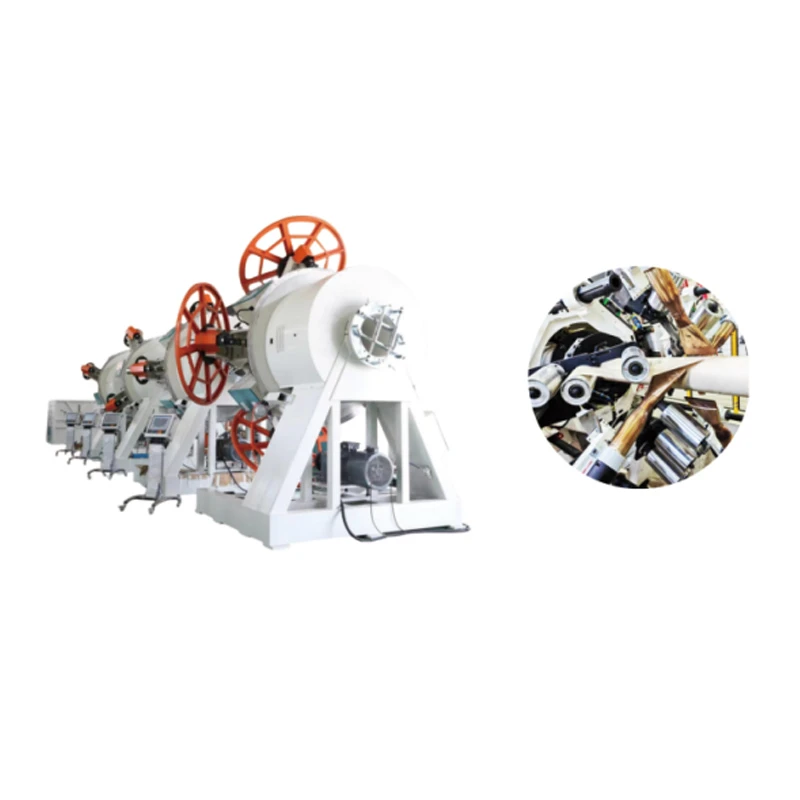
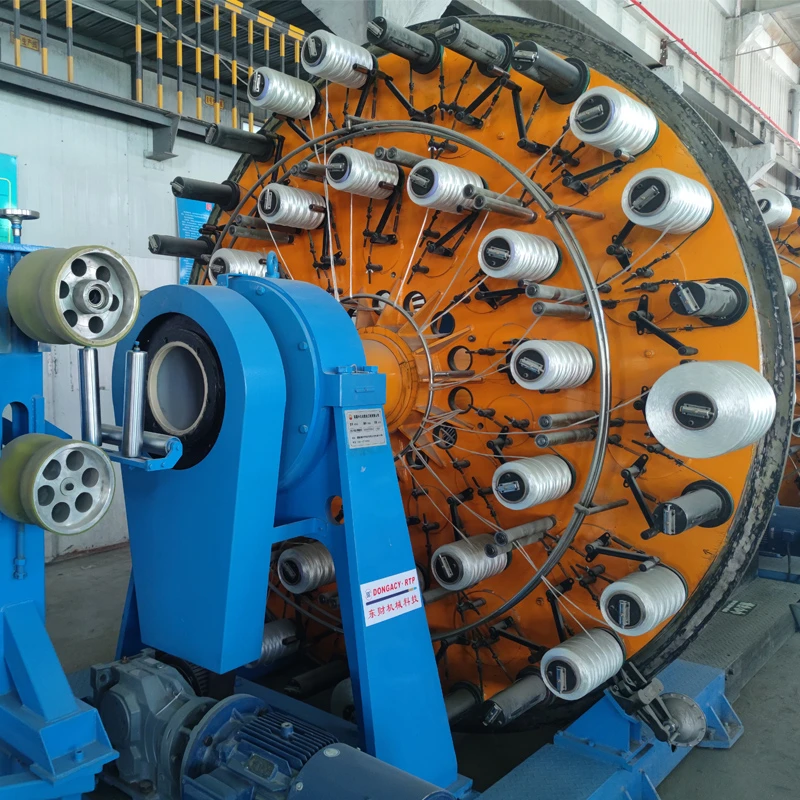
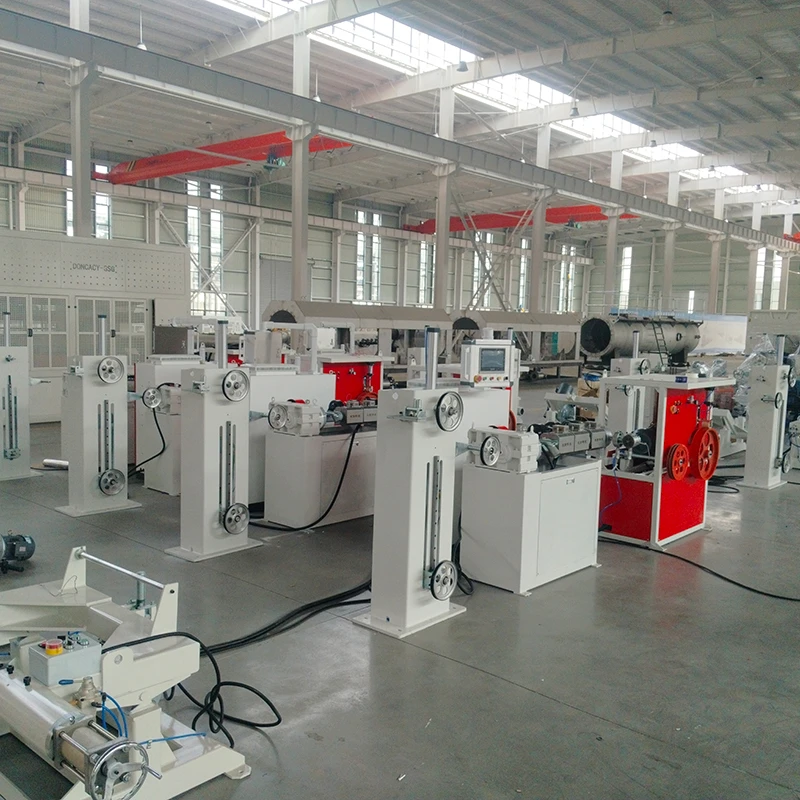
Simply put, a pvc pipe machine is a specialized extrusion system that transforms raw PVC resin pellets into usable pipes, catering to different sizes and grades. Think of it as a giant pasta maker, but for plastic piping. The process involves melting the PVC, extruding it through molds, calibrating, cooling, and cutting it to length.
This machinery is indispensable in the modern construction and agriculture sectors, as well as in emergency humanitarian responses, where quick deployment of clean water infrastructure can save lives. The science is straightforward but executing it at scale with consistency? That’s an art and a science rolled into one.
Core Components You Should Know About
1. Durability & Material Handling
The machine’s ability to uniformly melt and handle PVC resin — including additives for UV resistance or flexibility — determines the final pipe strength. Engineers often note that precise temperature control is key; too hot or too cold spells trouble.
2. Scalability & Output Speed
Whether a small town needs a few hundred meters or an industrial zone requires thousands annually, these machines scale their throughput. Some models now feature modular designs allowing rapid output adjustments.
3. Customization & Diameter Range
From thin irrigation pipes to thick sewer lines, being able to adjust diameter and wall thickness on the fly is a huge advantage. This flexibility means one machine can serve various sectors with minimal downtime.
4. Energy Efficiency
Modern pvc pipe machines incorporate energy-saving motors, smart heating systems, and waste recycling options. Reducing power draw is not just cost saving but environmental stewardship, a growing priority.
5. Automation & Controls
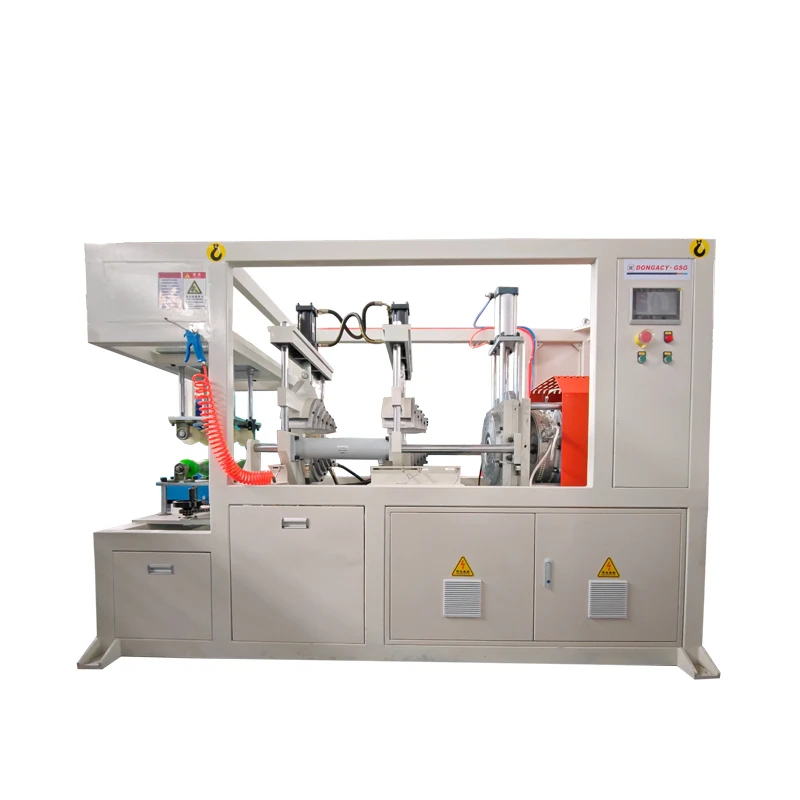
Incorporating PLC (programmable logic controller) systems allows for better quality control and less human error. Remote monitoring and fault detection enhance reliability further.
Mini takeaway: These core factors shape everything from pipe longevity to cost, making the machine choice critical for any PVC pipe producer.
Real-World Uses: Where PVC Pipe Machines Change the Game
Applications are everywhere. In sub-Saharan Africa, NGOs rely on PVC pipe machines to deploy quickly in water distribution projects post-flood. In industrial hubs like China and India, high-throughput machines feed booming urban infrastructure expansions.
A memorable case I came across involved a remote mining camp in Australia. They used a compact pipe machine to produce drainage pipes on-site — avoiding costly freight and ensuring immediate maintenance capability. It simply felt smarter.
| Specification | Details |
|---|---|
| Output Diameter Range | 20mm – 630mm |
| Output Speed | Up to 15 m/min |
| Power Consumption | 18 kW (typical) |
| Automation Level | PLC controlled with touchscreen |
| Cooling System | Water bath with temperature control |
Advantages & The Long-Term Value
- Cost-effectiveness: Producing pipes on-site or locally reduces import costs and supply chain delays.
- Environmental sustainability: PVC pipes last decades with minimal degradation — less replacement means reduced waste.
- Social impact: Safe drinking water and sanitation access improve health outcomes significantly.
- Reliability: Automated machines cut human errors, ensuring quality and safety standards.
It's easy to forget how something as "simple" as piping influences quality of life: proper sanitation saves lives, but it starts here — in machines quietly turning raw resin into lifelines.
Looking Ahead: Trends in PVC Pipe Manufacturing Machines
Technology’s march continues. Artificial intelligence and IoT integration mean machines tune themselves and alert operators before problems happen. "Smart factories" can now monitor pipe quality in real time, adjusting parameters on the fly.
Material science is pushing more eco-friendly additives and recycling plastics into feedstock, reducing dependency on virgin polymers, which ironically ties into global plastic pollution efforts championed by the UN Environment Programme.
Also on the horizon: solar-powered manufacturing units for remote locations, perfectly suited for off-grid disaster relief deployments or isolated communities.
Challenges & How Experts Are Tackling Them
Despite advances, limitations persist. For example, improper machine calibration yields waste, and outdated models are energy hogs. Some producers struggle with expensive spare parts or local technical expertise scarcity.
Innovations such as modular designs and online training platforms are making a difference. Collaborations between manufacturers and NGOs help tailor machines to field realities, making pipes not just cheaper but better adapted to local environments — which always matters.
FAQ: Your PVC Pipe Machine Questions Answered
- What sizes can PVC pipe machines produce?
- Most machines cover a diameter range from around 20mm up to 630mm or more, allowing manufacturers to produce pipes for various applications, from sprinkler systems to industrial conduits.
- How do these machines ensure pipe quality?
- Through precise temperature control, automated extrusion speeds, and cooling systems with calibration tanks, these machines maintain consistent pipe thickness and strength, reducing defects.
- Can PVC pipe machines operate in remote or off-grid areas?
- Yes, compact and energy-efficient models exist that can be powered by generators or even solar panels, making them ideal for remote construction and emergency water projects.
- What kind of maintenance do these machines require?
- Routine lubrication, calibration checks, and occasional replacement of wear parts like screw barrels keep the machines running smoothly. Many vendors offer training and after-sales support.
- Are PVC pipes produced by these machines recyclable?
- Generally, yes. Many manufacturers incorporate recycled materials into the process, and the pipes themselves can be reprocessed at the end of their lifecycle, supporting circular economy goals.
Vendor Comparison: Choosing the Right PVC Pipe Machine
| Vendor | Price Range | Max Output Speed (m/min) | Automation Features | Customer Support |
|---|---|---|---|---|
| A1 Extruders | $45,000 - $70,000 | 12 m/min | Full PLC with touchscreen | 24/7 phone & remote support |
| BuildPipe Tech | $30,000 - $50,000 | 10 m/min | Semi-automated controls | Business hours support |
| GreenLine Machinery | $55,000 - $80,000 | 15 m/min | AI-assisted quality monitoring | Dedicated field engineers |
In Summary: Why Invest in a PVC Pipe Machine Today?
The choice to adopt advanced pvc pipe machine technology goes beyond mere production speed or cost reduction. It touches on global initiatives of sustainability, water access, and health. With emerging automation and green technologies, it’s hard not to see this industry as a quietly evolving backbone of modern infrastructure.
If you’re a manufacturer, NGO, or government body looking to build resilient supply chains or quick deployment systems, investing in quality PVC pipe machinery is a strategic move with long-term payoffs.
Visit our website: https://www.ahdc11.com and explore our latest models designed to meet today's challenges head-on.
References
-
High Efficiency PE Extrusion Line Guide for Plastic ManufacturingNewsApr.16,2026
-
High Speed Steel Wire Mesh HDPE Composite Pipe Production Line - Anhui Dongchai|High Automation&Energy EfficiencyNewsApr.13,2026
-
High Speed Steel Wire Mesh HDPE Composite Pipe Production Line - Anhui Dongchai|High Automation&Energy EfficiencyNewsApr.13,2026
-
Guide to Choosing High Efficiency ppr pipe extrusion machineNewsApr.09,2026
-
Comprehensive Guide to Modern Pipe Production Line Technologies and OptimizationNewsApr.07,2026
-
Choosing the Right Extrusion Pipe Machine for Optimal Plastic Pipe ProductionNewsApr.04,2026
-
Comprehensive Guide to PPR Pipe Extrusion Line Technology and ApplicationsNewsMar.31,2026


