
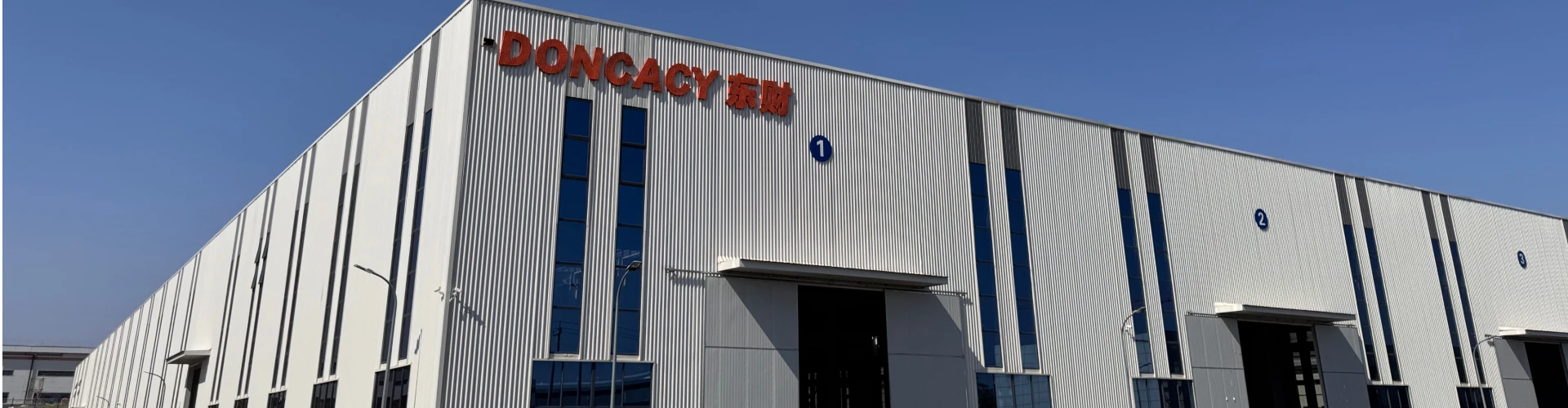
PVC Window Profile Extrusion Line: A Veteran’s Take on the Heart of Modern Window Production
Having spent over a decade knee-deep in the industrial equipment sector, specifically in extrusion technologies, I can confidently say: the PVC window profile extrusion line is one of those machines that often flies under the radar but is absolutely pivotal for manufacturers aiming for quality and efficiency. Oddly enough, it feels like these lines are the unsung heroes of many construction projects, quietly shaping the backbone of countless windows worldwide.
To really appreciate one of these extrusion lines, you need to think beyond the machine itself. We're talking precision engineering close to an art form — turning raw PVC powder into consistent, flawless window profiles that have to be sturdy, weather-resistant, and easy to work with during installation. The real challenge is balancing speed and quality. Too fast? You risk imperfections. Too slow? That kills your throughput and margins. Frankly, it’s a dance many operators have learned over years of experience.
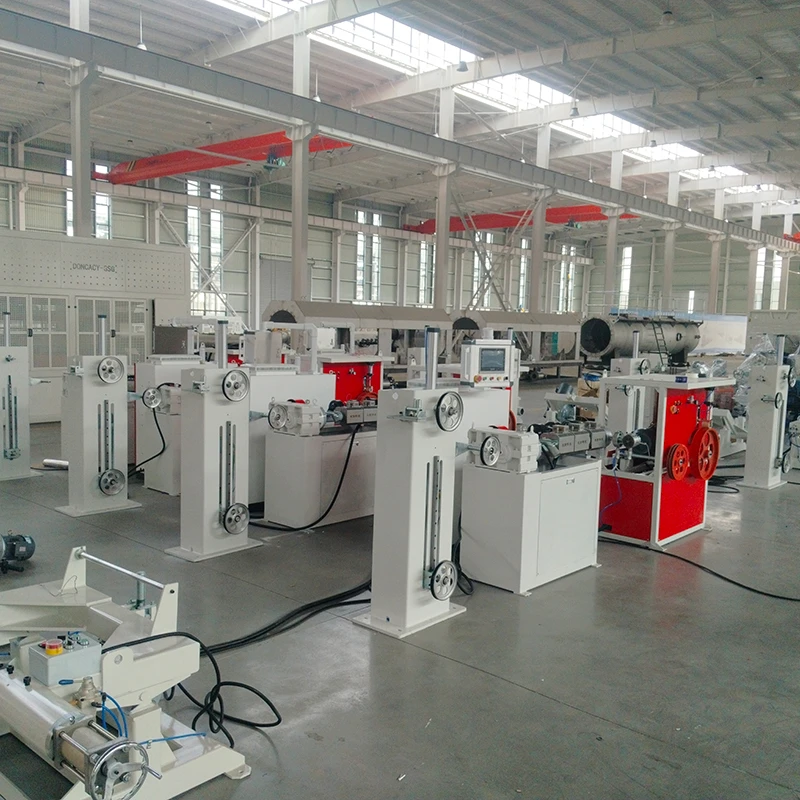
Material-wise, PVC compound feedstock is somewhat standardized but tuning the formulation to your line is where expertise comes in. The extrusion line typically melts and pushes this material through multi-cavity molds, cooling it rapidly to retain shape and strength. I noticed many engineers favor lines with modular designs allowing quick tooling changeovers, which is crucial when you switch profile designs or customize for different markets.
| Specification | Details |
|---|---|
| Extruder Type | Twin Screw, Co-rotating |
| Output Capacity | 200–350 kg/h (varies by model) |
| Profile Width Range | Up to 120 mm |
| Line Length | 20 – 30 meters (depending on configuration) |
| Cooling Method | Water bath with vacuum calibration table |
| Control System | PLC with touchscreen interface |
One thing I always emphasize with clients is the importance of solid after-sales support. Industrial extrusion lines are complex beasts. When something goes sideways — and it often does — quick parts and knowledgeable technicians are gold. I've worked with several suppliers, and while many can sell you impressive specs, the difference comes down to who stands behind their machines once the ink dries on the contract.
| Feature | Vendor A | Vendor B | Vendor C |
|---|---|---|---|
| Extruder Capacity | 250 kg/h | 300 kg/h | 220 kg/h |
| Automation Level | Medium (semi-automatic line) | High (full automation) | Low (manual intervention needed) |
| Maintenance Support | 24/7 remote + onsite | Business hours only | Limited warranty support |
| Line Flexibility | High, modular tooling | Medium, custom tooling required | Low, fixed setup |
| Price Range | $$$ | $$$$ | $$ |
Customization is another facet I’ve seen evolve dramatically. Many companies used to push only standard profiles, but today’s market demands diversity — from sleek modern frames to soundproof and insulated designs. This drives extrusion line manufacturers to innovate with flexible molds and adjustable speed controls.
A quick story I like to share: A client in Eastern Europe once switched from a simple extrusion line to a higher-end modular machine—initially skeptical about the capital required. But the ability to rapidly swap tooling and dial in precise parameters cut their profile defects by nearly half and boosted throughput by 30%. It fundamentally changed their production rhythm, making them more competitive — you know, real-world gains.
In the industrial equipment field, it feels like these extrusion lines are more than just production tools; they’re investments into a company’s future agility and product excellence. Choosing the right line can determine whether you’re stuck waiting on replacements and repairs or actually innovating in your window designs.
For anyone in the market, exploring the PVC window profile extrusion line options on AHDC11 is definitely worth your time. Their blend of engineering finesse and after-sales service is, frankly, something I’ve respected after years navigating this sector.
At the end of the day, these lines embody a core truth of industrial manufacturing: success lies in the details and the people behind the machines. It’s never just about making plastic shapes—it’s about crafting components that stand up to decades of weather, use, and scrutiny.
Footnotes:
- Industry reports on extrusion line trends, 2023.
- Material science journals on PVC formulation, 2022.
- Case studies on extrusion line optimization, client data (anonymized), 2021.
-
High Efficiency PE Extrusion Line Guide for Plastic ManufacturingNewsApr.16,2026
-
High Speed Steel Wire Mesh HDPE Composite Pipe Production Line - Anhui Dongchai|High Automation&Energy EfficiencyNewsApr.13,2026
-
High Speed Steel Wire Mesh HDPE Composite Pipe Production Line - Anhui Dongchai|High Automation&Energy EfficiencyNewsApr.13,2026
-
Guide to Choosing High Efficiency ppr pipe extrusion machineNewsApr.09,2026
-
Comprehensive Guide to Modern Pipe Production Line Technologies and OptimizationNewsApr.07,2026
-
Choosing the Right Extrusion Pipe Machine for Optimal Plastic Pipe ProductionNewsApr.04,2026
-
Comprehensive Guide to PPR Pipe Extrusion Line Technology and ApplicationsNewsMar.31,2026


