
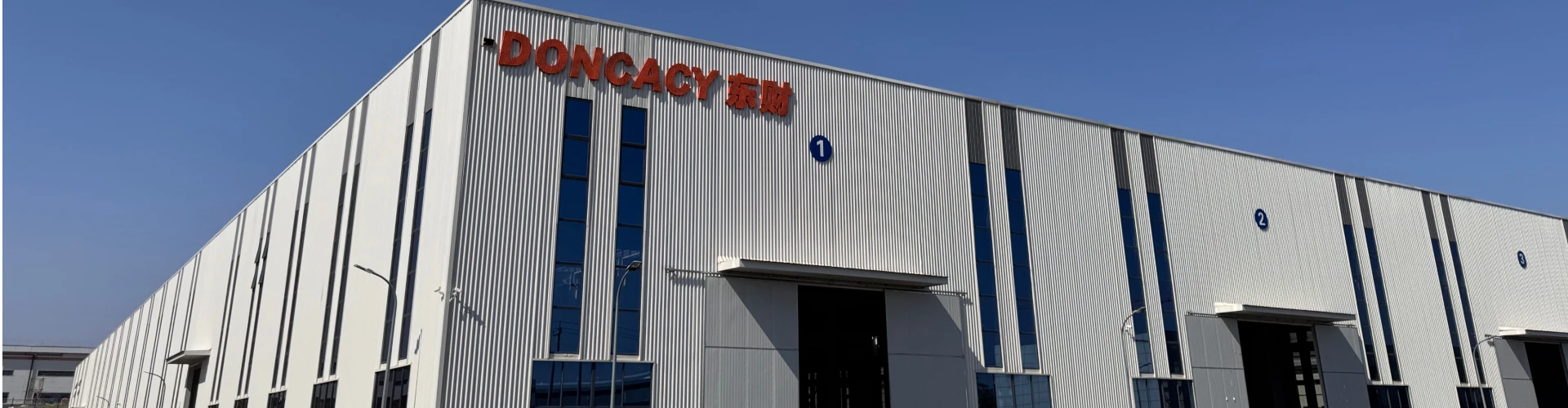
Pvc Profile Production Line is a key solution in the industry, specifically within manufacturing sectors focusing on durable construction materials and customized plastic profiles. This article explores how ahdc11.com supports professionals with durable, high-performance products, and explains why this product is an ideal choice for businesses in these sectors.
Table of Contents
- Pvc Profile Production Line Overview
- Benefits & Use Cases of Pvc Profile Production Line
- Cost, Maintenance & User Experience
- Sustainability & Market Trends
Pvc Profile Production Line Overview
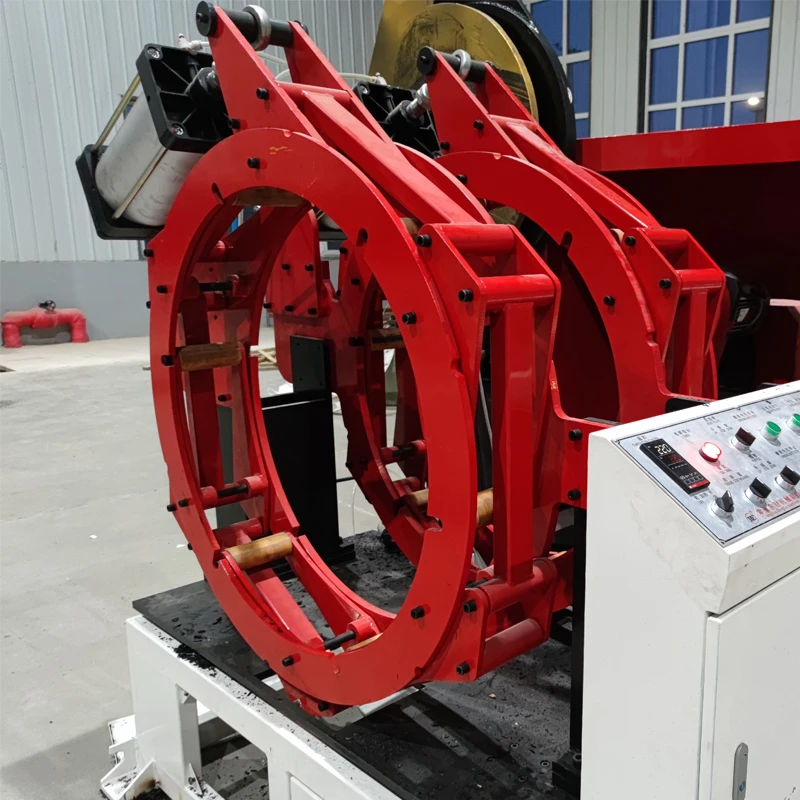
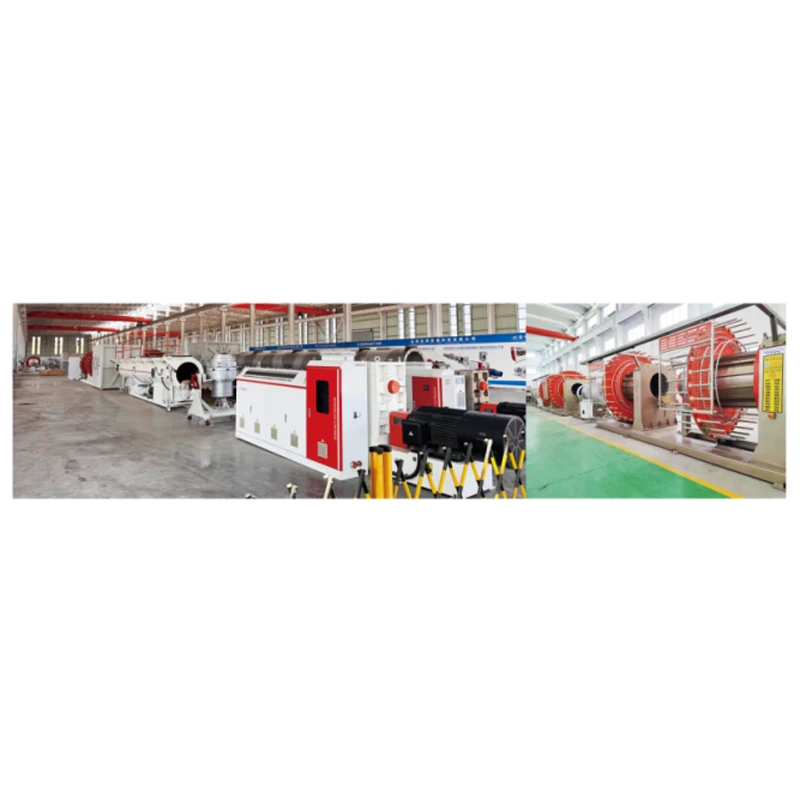
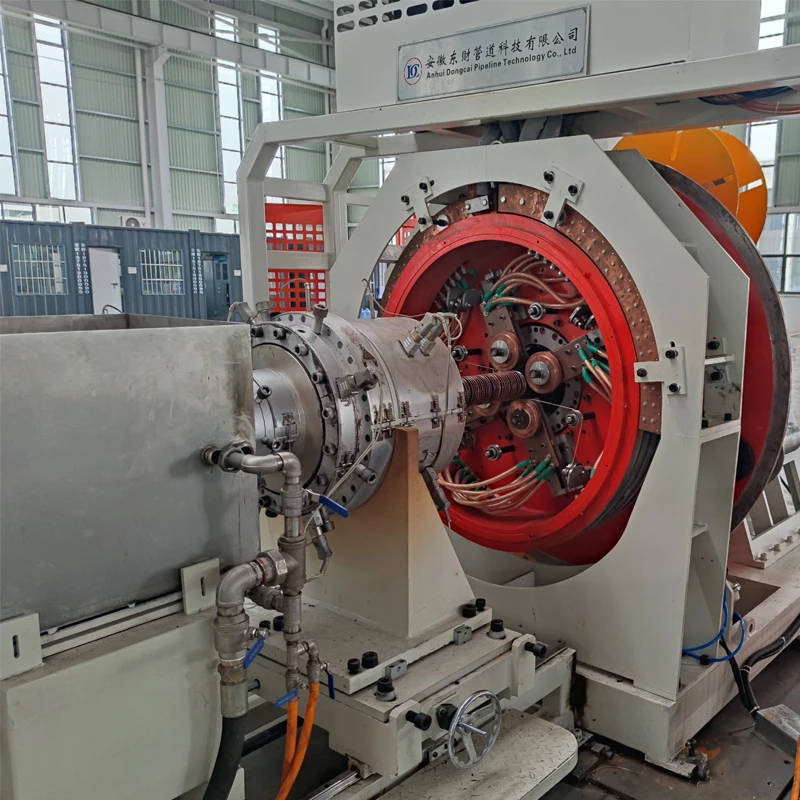
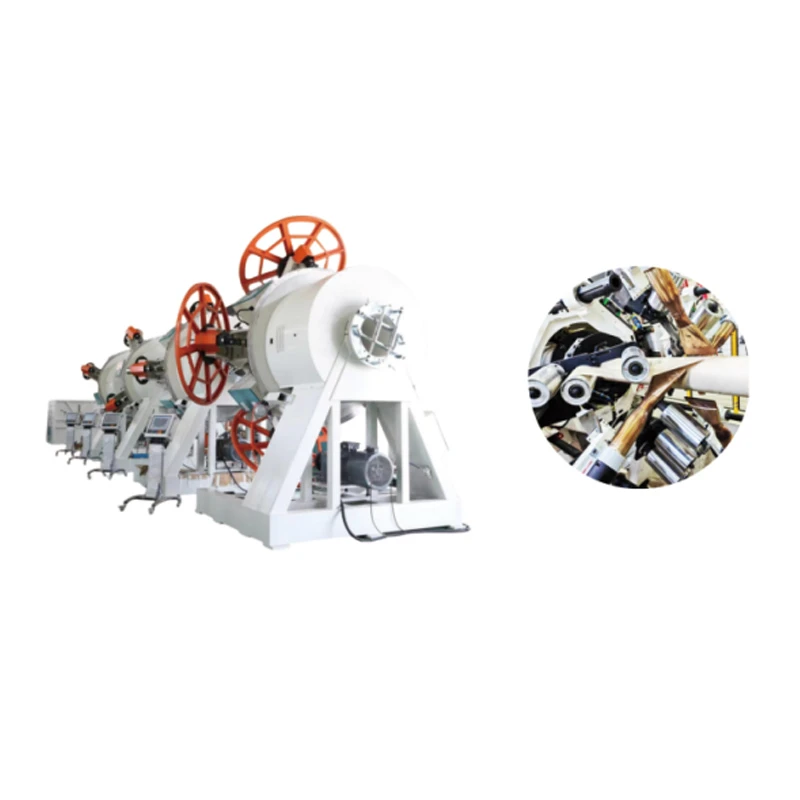
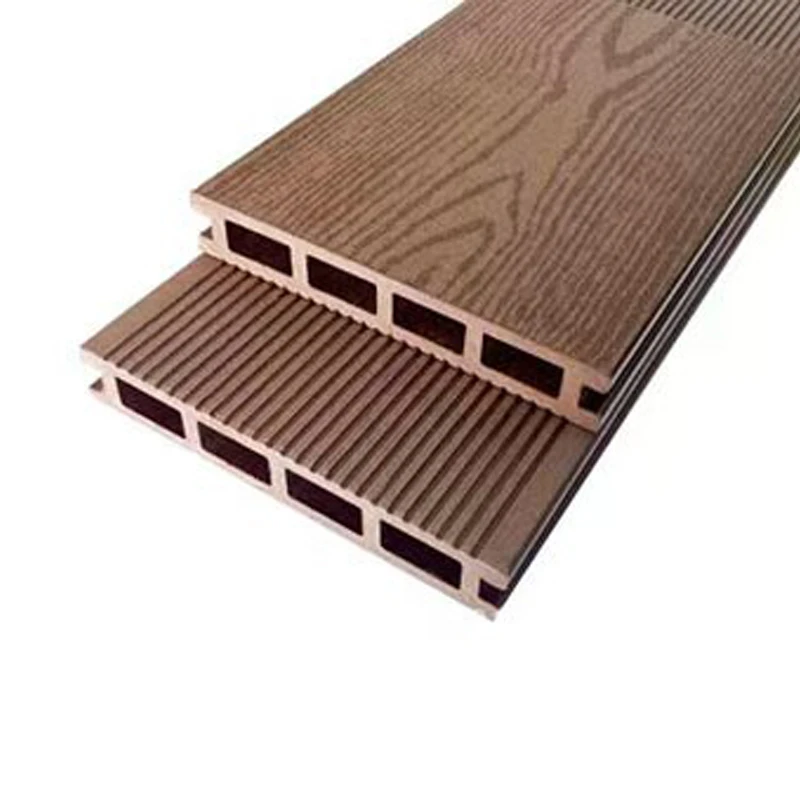
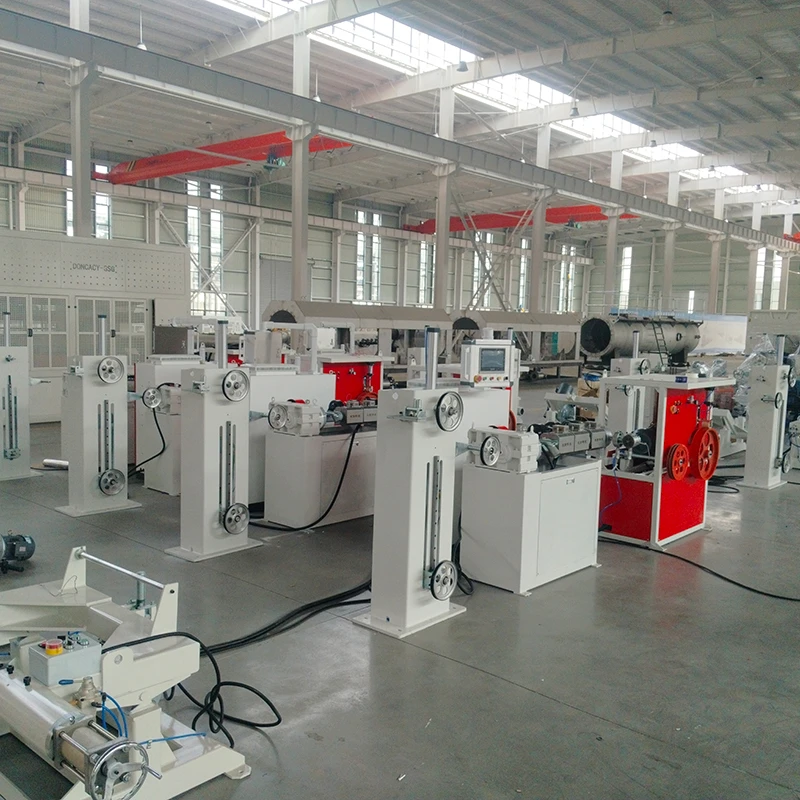
At its core, a Pvc Profile Production Line is a sophisticated assembly of machinery that turns raw PVC resin into finished profiles – those elongated plastic shapes used in window frames, door trims, partition panels, and more. These production lines are essentially the backbone for companies wanting to produce high-quality PVC components consistently and efficiently.
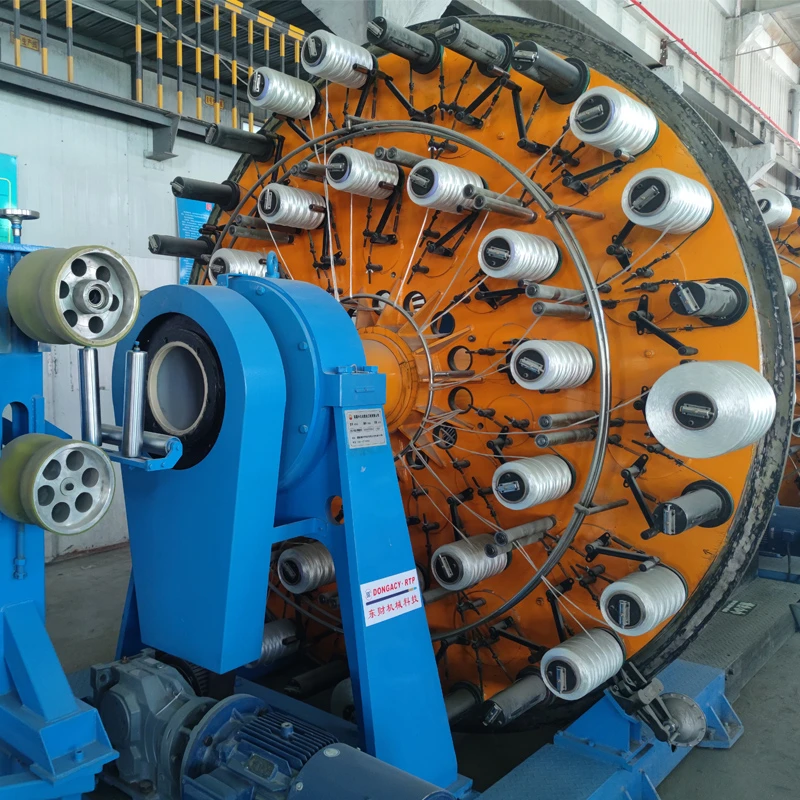
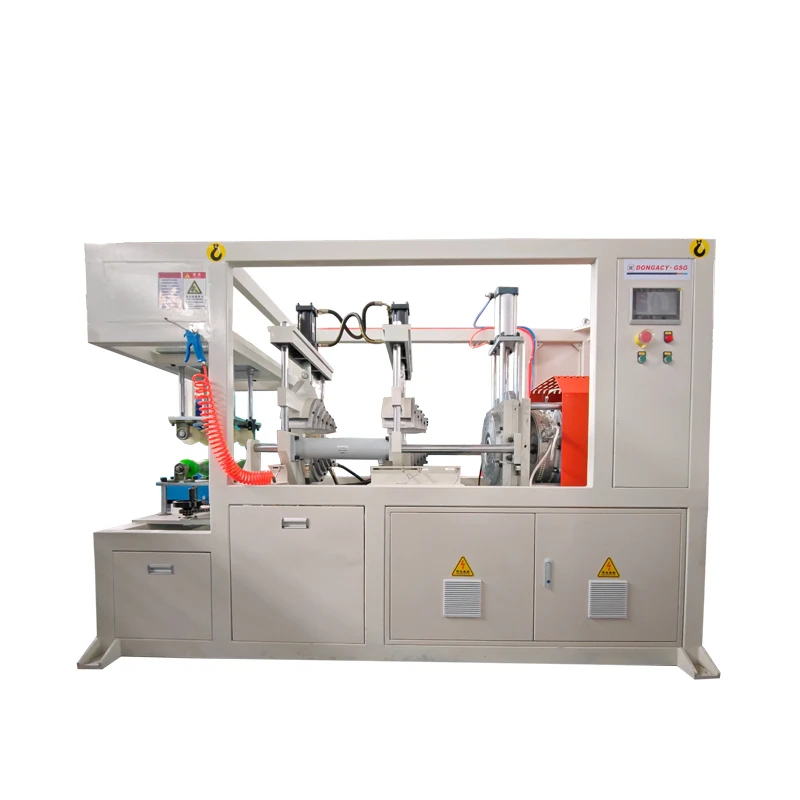
Technically speaking, the system integrates several key units: mixing, extruding, calibrating, cooling, haul-off, and cutting. The extruder melts the PVC compound, shaping it by pushing it through precisely machined dies. The calibration stage ensures exact dimensions are maintained, which is vital because even minor deviations in profiles can cause big problems during installation down the line.
- Typical line speed ranges between 10 to 25 meters per minute depending on profile complexity.
- Profiles usually vary in width from 50 mm up to 400 mm with thickness options tied to structural requirements.
For instance, one recent case study from a customer using AHDC11’s line reported increased output by 20%, attributing it to the line’s smart automation and precise temperature controls. It’s not just about cranking out PVC shapes; it’s about delivering high-consistency and tailored dimensions that meet strict industry standards.
| Specification | Typical Range / Value |
|---|---|
| Extruder Power | 55–75 kW |
| Line Speed | 10–25 m/min |
| Profile Width | 50–400 mm |
| Profile Thickness | 1.5–10 mm |
| Material Type | PVC + Additives (Stabilizers, Fillers) |
Benefits & Use Cases of Pvc Profile Production Line
The versatility of the Pvc Profile Production Line means it serves numerous industries beyond just construction. Furniture manufacturers use it for decorative framing, electrical companies rely on it for cable conduits, and even automotive suppliers produce lightweight trim parts this way. Its ability to produce complex cross-sections with hollow chambers offers thermal insulation benefits, which manufacturers love.
Honestly, one of the big draws is the system’s precise control over product quality. The advanced calibration and cooling units maintain profile shape straightness and surface finish—features that set AHDC11’s lines apart. This results in fewer defects, less scrap, and better material utilization, all translating into tangible cost savings.
- Widely used for window and door frame manufacturing.
- Popular in producing pipe conduits and electrical insulation channels.
- Favored for its consistent extrusion output and modular customization.
Cost, Maintenance & User Experience
Looking at the total cost of ownership, these lines are definitely an investment. But in real terms, the longevity and relative ease of maintenance often tip the scales in their favor. The robust build ensures steady operation over years, and vendor support from AHDC11 means downtime is minimized with quick parts replacement and expert assistance.
Customer feedback often highlights the user-friendly interface for machine control and the automatic fault detection systems as real time-savers. One mid-sized manufacturer reported a ROI within 18 months, mostly because scrap rates dropped drastically and production efficiency rose. Frankly, when users feel the machine is "smart" enough to help them rather than just run, it makes a huge difference on the floor.
| Feature | AHDC11 | Vendor B | Vendor C |
|---|---|---|---|
| Automation Level | High with remote diagnostics | Medium, manual adjustments required | Low, mostly mechanical controls |
| Maintenance Frequency | Quarterly, streamlined parts access | Monthly, more downtime | Monthly, higher maintenance labor |
| Initial Investment | Mid-range | Lower | High |
| User Interface | Touchscreen with multilingual support | Basic LCD panel | No digital interface |
Sustainability & Market Trends
In recent years, I’ve noticed a steadily growing emphasis on sustainability within pvc profile manufacturing. The push for eco-friendly additives, recycling of scrap, and energy-efficient processing technologies has reshaped how lines like those offered by AHDC11 function. Regulations in key markets now demand reduced emissions and lower waste footprints — something this line acknowledges with energy-saving drives and modular machinery designed to minimize scrap.
The market itself is expanding, especially in developing regions where affordable, durable building materials are in strong demand. Oddly enough, as these PVC profiles replace wood or metal frames, the environmental impact paradoxically can go down, mainly due to PVC’s durability and low maintenance needs over decades.
Frequently Asked Questions about Pvc Profile Production Line
- What is Pvc Profile Production Line and how does it work?
- It's basically a manufacturing setup where PVC resin is melted and extruded through molds to form specific profile shapes. These profiles are then cooled, cut, and prepared for end-use in products like window frames or piping. The line automates this to ensure continuous high-quality output.
- What are the main benefits of using Pvc Profile Production Line in industrial applications?
- Benefits include consistent product quality, faster production speeds than manual shaping, cost savings from reduced scrap, and flexibility in profile design. Plus, these lines help companies meet stringent quality standards while improving ROI.
- How does Pvc Profile Production Line compare to traditional alternatives?
- Compared to manual fabrication or less automated lines, these production lines offer higher precision, better scalability, and less labor intensity. They also integrate smarter controls which reduce human error and material waste.
- What industries can benefit most from Pvc Profile Production Line implementation?
- The construction, furniture, electrical, and automotive industries commonly use these lines. Their ability to produce customized, durable, and lightweight profiles is especially beneficial in these sectors.
Conclusion on Pvc Profile Production Line from china
To sum it up, the Pvc Profile Production Line remains an anchor for companies wanting scalable, cost-efficient manufacturing of PVC profiles. Its combination of reliability, precision, and sustainability considerations clearly supports modern industry needs. For those seeking a tested solution from China with a solid reputation, it’s definitely worth exploring further.
- Recap the value of Pvc Profile Production Line.
- - Visit our website: https://www.ahdc11.com
Reflecting on all this, I find it fascinating how these production lines quietly transform raw resin into the everyday building blocks of modern life. For decision makers, understanding their subtle nuances can mean the difference between good enough — and truly best-in-class.
References:
1. Industry extrusion standards and best practices.
2. AHDC11 customer success stories.
3. Market sustainability reports, 2023.
-
High Efficiency PE Extrusion Line Guide for Plastic ManufacturingNewsApr.16,2026
-
High Speed Steel Wire Mesh HDPE Composite Pipe Production Line - Anhui Dongchai|High Automation&Energy EfficiencyNewsApr.13,2026
-
High Speed Steel Wire Mesh HDPE Composite Pipe Production Line - Anhui Dongchai|High Automation&Energy EfficiencyNewsApr.13,2026
-
Guide to Choosing High Efficiency ppr pipe extrusion machineNewsApr.09,2026
-
Comprehensive Guide to Modern Pipe Production Line Technologies and OptimizationNewsApr.07,2026
-
Choosing the Right Extrusion Pipe Machine for Optimal Plastic Pipe ProductionNewsApr.04,2026
-
Comprehensive Guide to PPR Pipe Extrusion Line Technology and ApplicationsNewsMar.31,2026


