
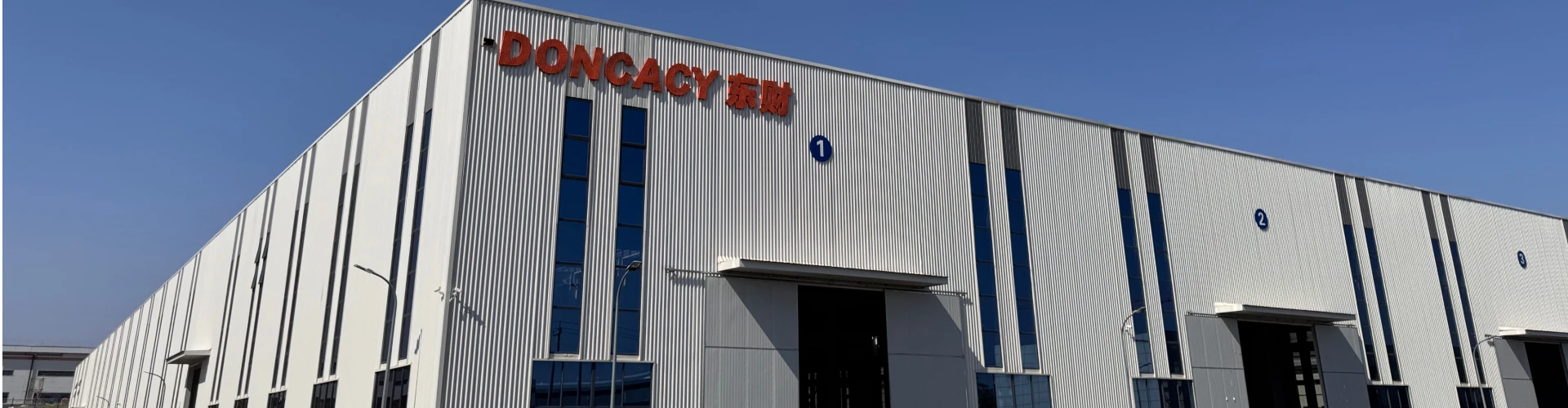
PVC Profile Extrusion: A Veteran’s Perspective on an Ever-Evolving Process
Having spent well over a decade navigating the ins and outs of industrial equipment—especially around plastics and profiles—I’ve come to appreciate how PVC profile extrusion quietly drives many of the products you see daily. It’s oddly satisfying knowing that the window frame on my office is a result of this continuous, precise process.
In real terms, PVC profile extrusion involves melting polyvinyl chloride (PVC) pellets and forcing them through a shaped die to create continuous lengths of a specified cross-section. What I find fascinating is how this seemingly straightforward process is actually layered with complexity—material formulation, temperature controls, screw design, and tooling all dance together to produce a flawless product.
Trends I've noticed lately include a growing focus on customization. Customers don’t just want standard shapes anymore; increasingly, extrusion machines are equipped for rapid switchovers and fine-tuned control to handle complex profiles and colors. This calls for robust machinery and skilled operators—a combination I've seen less emphasized but crucial for quality outcomes.
Speaking of machinery, the quality and design of extruders significantly influence the end product’s performance, especially in terms of durability and resistance to weathering or UV exposure. In fact, many engineers I chat with stress that extruder screw geometry and processing conditions can mean the difference between profiles that last 10 years or those failing prematurely.
Key Product Specifications for Typical PVC Profile Extrusion Equipment
| Specification | Typical Range | Notes |
|---|---|---|
| Screw Diameter | 45mm - 90mm | Affects output rate and melting efficiency |
| Output Rate | 50 - 300 kg/hr | Depends on profile complexity and machine |
| Temperature Range | 160°C - 220°C | Crucial for consistent profile quality |
| Cooling Method | Water bath or spray cooling | Determines surface finish and dimensional accuracy |
| Die Design | Custom-made per profile | Highly specialized and critical |
One of the facets I often reflect upon is how PVC extrusion blends science and art. You can optimize parameters, but some tweaks come from experience—knowing when to adjust cooling times, or how to spot when a die’s wear might mean subtle changes in the profile shape.
Now, when selecting equipment or vendors, price alone isn’t the primary factor. Frankly, reliability and technical support matter much more. I remember a client who switched suppliers only to find their downtime tripled because the “cheaper” machine lacked spare parts availability locally. Kind of a nightmare, and one I suggest any prospective buyer keep in mind.
Quick Vendor Comparison Snapshot
| Vendor | Machine Output (kg/hr) | Customization Options | After-Sales Support | Typical Price Range (USD) |
|---|---|---|---|---|
| Alpha Extrusion | 80 - 250 | High (profile and color) | Strong, global network | $70,000 - $110,000 |
| Beta Machinery Co. | 50 - 180 | Moderate | Regional support only | $55,000 - $90,000 |
| Gamma Tech | 100 - 300 | Extensive, rapid tooling changes | Excellent (24/7 hotline) | $85,000 - $130,000 |
The proof really comes from the field. I've seen profiles made on machines from all three vendors – and honestly, the differences can be subtle, yet each has its niche. If you want dependability and after-sales care, Gamma Tech usually edges ahead, but Alpha Extrusion machines tend to be the favorite for custom profile jobs.
In closing, PVC profile extrusion remains an industrial pillar that’s deceptively simple but technically demanding. The technology evolves, but the fundamentals and the craftsmanship behind it remain steady. For anyone looking into this, investing in quality equipment and partnering with knowledgeable vendors feels like spending wisely, even if it doesn’t make headlines.
Oh, and if you want to explore some reliable options or see a lineup of extrusion solutions, check out PVC profile extrusion machinery tailored for various industrial needs.
Thanks for reading this slice of my industry experience—I hope it helps steer your extrusion ventures towards success.
References:
1. Plastics Technology Journal, “Modern PVC Extrusion Techniques,” 2023.
2. Industry Insider Interview with senior extrusion engineers, 2022.
3. Machine Manufacturer Product Manuals (Alpha, Beta, Gamma), 2023.
-
High Efficiency PE Extrusion Line Guide for Plastic ManufacturingNewsApr.16,2026
-
Guide to Choosing High Efficiency ppr pipe extrusion machineNewsApr.09,2026
-
Comprehensive Guide to Modern Pipe Production Line Technologies and OptimizationNewsApr.07,2026
-
Choosing the Right Extrusion Pipe Machine for Optimal Plastic Pipe ProductionNewsApr.04,2026
-
Comprehensive Guide to PPR Pipe Extrusion Line Technology and ApplicationsNewsMar.31,2026
-
Understanding the Functionality and Applications of a Pipe Extruder SystemNewsMar.28,2026
-
Comprehensive Guide to Pipe Extrusion Machine Technology and ApplicationsNewsMar.26,2026


