
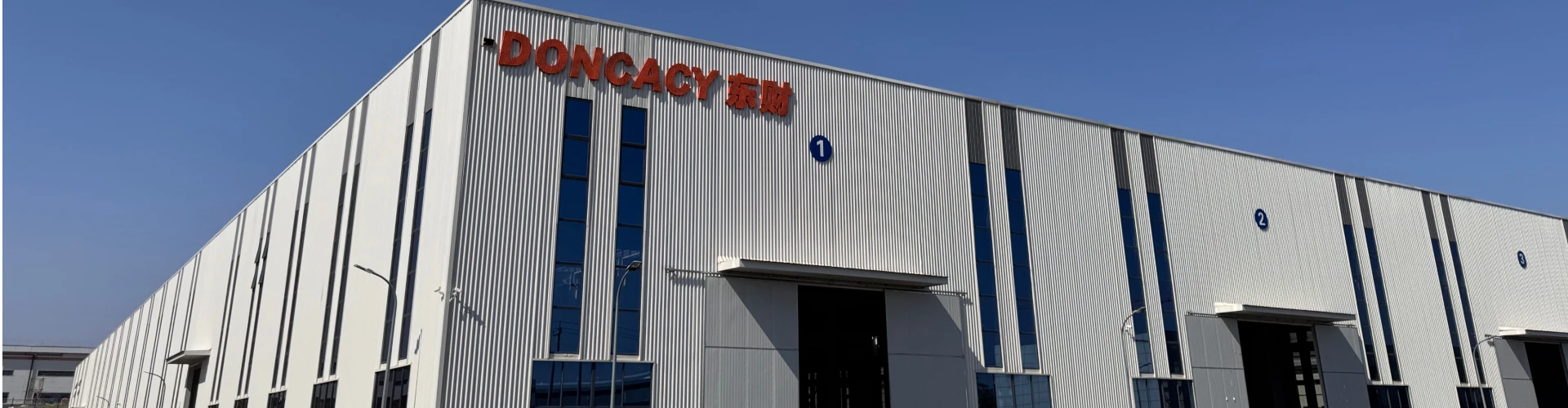
Understanding the Role of Extruder Companies in Modern Industry
At first glance, an extruder company might sound pretty niche—but honestly, their impact is surprisingly broad. Globally, these companies provide the technology and solutions that shape everything from plastic packaging and food production to advanced manufacturing materials. Given the surging demand for sustainable and efficient production methods, knowing what an extruder company does is more relevant today than ever. They help industries cut waste, improve product quality, and innovate more eco-friendly processes. So, understanding this sector basically means understanding a key engine behind many global supply chains.
Global Context: Why Extruder Companies Matter Worldwide
According to the International Organization for Standardization (ISO), extrusion is one of the foundational manufacturing processes worldwide, accounting for millions of tons of products annually.[1] For example, in the packaging industry alone, extruded plastic films account for nearly 40% of materials used globally.[2] The challenge? Balancing high output with sustainability and minimizing environmental impact.
Globally, with rising environmental regulations and consumer awareness, extruder companies face growing pressure to innovate green technologies. They are the ones who can help industries reduce raw material waste, energy consumption, and improve recyclability.
Mini takeaway: Extruder companies play a crucial role in meeting global production demands while spurring sustainability efforts.
What Exactly Is an Extruder Company?
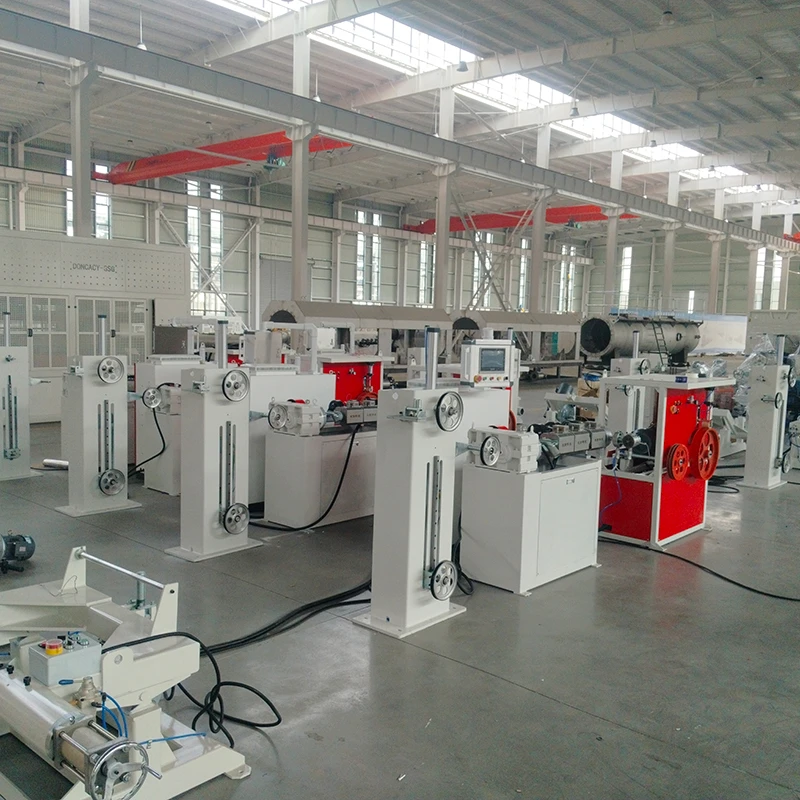
Simply put, an extruder company designs, manufactures, and often services extrusion machinery. These machines push raw material—like plastics, metals, or food dough—through shaped dies to create continuous profiles with a specific cross-section.
This process is central to industries like packaging, automotive parts, construction materials, and even food processing. Interestingly, it can also support humanitarian goals. For instance, producing affordable, easily transportable building materials or food products for disaster relief efforts depends heavily on extrusion technology.
Core Components of an Extruder Company's Offerings
1. Durability and Reliability
Extrusion machines must withstand continuous operation under high temperatures and pressures. A solid build ensures minimal downtime and maximizes ROI.
2. Scalability and Flexibility
Many businesses want to start small and scale quickly. Good extruder companies offer modular setups that grow with demand or adapt to different products.
3. Cost Efficiency
Energy-efficient motors and optimized screw designs reduce raw material waste and electricity use—translating to huge savings over time.
4. Precision and Customization
The ability to create complex profiles or tailored formulations is a real competitive edge. Being able to tweak production parameters flexibly is key.
5. Support and Service
Extruder machinery can be complicated. Companies that back their equipment with solid training and responsive service often stand out.
Mini takeaway: A holistic extruder company balances sturdy design, adaptable technology, and strong client support.
Extruder Companies in Action Around the World
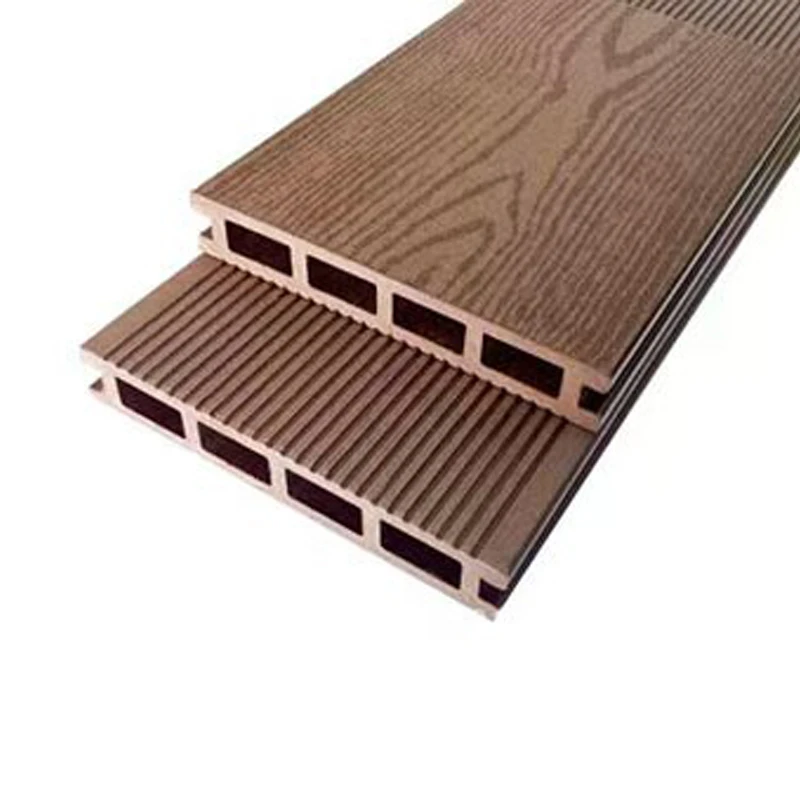
Think about packaging industries in Southeast Asia, where high-volume extrusion makes affordable food wraps and bags. Or consider recycling initiatives in Europe using extruders to produce new plastic profiles from reclaimed materials. In post-disaster zones like parts of Africa, extruder companies supply machinery that local entrepreneurs use to make low-cost building boards—quick, durable, and transportable materials to rebuild communities.
Additionally, the food industry’s use of extrusion (think snack foods or pasta production) is booming in North America and South America, providing both local jobs and mass-produced items.
Sample Extrusion Machine Specification Table
| Model | Output Capacity (kg/hr) | Screw Diameter (mm) | Max Temperature (°C) | Power (kW) |
|---|---|---|---|---|
| XT-250 | 250 | 45 | 280 | 18.5 |
| PRO-X60 | 600 | 80 | 320 | 45 |
Comparing Leading Vendors in Extruder Machinery
| Company | Specialty | Global Reach | Sustainability Focus | After-Sales Support |
|---|---|---|---|---|
| Alpha Extrusions | Plastic Packaging | Global | High | 24/7 Hotline |
| Beta Machines | Heavy-Duty Construction | Europe, Asia | Medium | On-Site Experts |
| Gamma Tech | Food Extrusion | North America | High | Remote Diagnostics |
Advantages and Long-Term Benefits
Why invest in extrusion technology? The long-term value includes significant cost savings, not just upfront. From reducing scrap material to automating processes, these machines increase efficiency. There’s also a strong sustainability angle: modern extruders can incorporate recycled inputs and use less energy.
On the human side, communities benefit from durable, affordable goods that support local industries—helping people maintain dignity and safety. Companies investing here often build long-term trust with clients by delivering innovative, reliable solutions.
Looking Ahead: Trends and Innovations
Automation and digital controls are becoming standard, enabling remote monitoring and quick adjustments for different materials. Green energy integration—solar-powered extrusion lines, for instance—is on the rise, which is exciting.
Materials science advances mean extruder companies can handle bio-based plastics and composites, encouraging a shift towards circular economies. Frankly, the future looks like a balance of tech-savvy machines and environmental responsibility.
Challenges and Solutions
No industry is without hurdles. Extruder companies sometimes face challenges related to high initial capital costs and the complexity of servicing advanced equipment in remote areas. Luckily, modular designs and better global service networks are helping overcome these barriers.
Besides, training programs aimed at local operators significantly improve uptime and customization capabilities on-site. This combination of smart design and knowledge transfer is kind of the secret sauce here.
FAQ: What You Might Want to Know About Extruder Companies
- Q: What types of industries rely on extruder companies most?
A: Packaging, construction, food processing, and automotive are among the primary sectors—essentially anywhere continuous profiles or shaped products are needed. - Q: How do extruder companies contribute to sustainability?
A: By designing machines that use less energy, support recycled materials, and generate minimal waste, extruder companies help reduce environmental footprints. - Q: Can extruder machinery be customized for small businesses?
A: Absolutely. Many companies offer modular, scalable extruders ideal for startups or growing operations. - Q: How do I start working with an extruder company internationally?
A: Contacting vendors through online channels (like extruder company websites) and inquiring about export logistics or local representatives is a good first step.
Conclusion: Ready to Harness the Power of an Extruder Company?
By now, it’s clear: extruder companies aren’t just behind-the-scenes players but vital drivers of modern manufacturing innovation and sustainability. Whether you’re in packaging, food, construction, or beyond, engaging with a trusted extruder company means embracing reliability, efficiency, and future-ready technology.
If you want to dive deeper or get started, visit our website for more info on cutting-edge extrusion solutions tailored to your needs.
Key takeaway: Extruder companies blend robust tech with sustainability and social impact—pretty fascinating, right?
References
-
High Efficiency PE Extrusion Line Guide for Plastic ManufacturingNewsApr.16,2026
-
Guide to Choosing High Efficiency ppr pipe extrusion machineNewsApr.09,2026
-
Comprehensive Guide to Modern Pipe Production Line Technologies and OptimizationNewsApr.07,2026
-
Choosing the Right Extrusion Pipe Machine for Optimal Plastic Pipe ProductionNewsApr.04,2026
-
Comprehensive Guide to PPR Pipe Extrusion Line Technology and ApplicationsNewsMar.31,2026
-
Understanding the Functionality and Applications of a Pipe Extruder SystemNewsMar.28,2026
-
Comprehensive Guide to Pipe Extrusion Machine Technology and ApplicationsNewsMar.26,2026


