
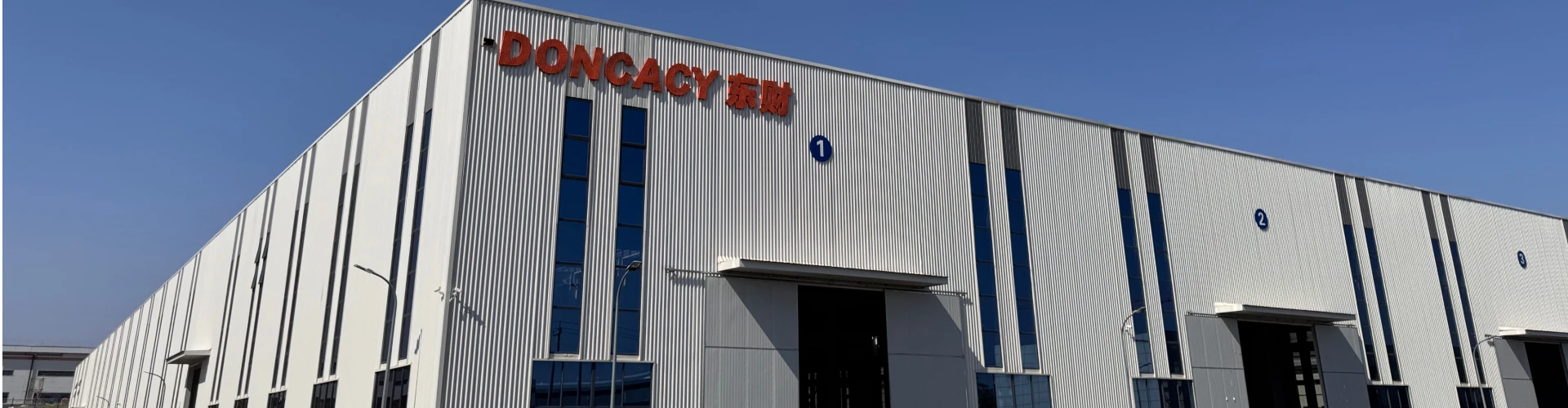
Plastic Extruder Companies: Powering Global Manufacturing and Sustainability
Plastic extruder companies—yes, that’s a mouthful—might not be the first thing people think about when they consider global industry, but frankly, they’re quietly shaping our world in profound ways. From packaging to construction, these businesses manufacture the vital machinery that melts, shapes, and produces an endless array of plastic products we rely on daily. Understanding their role isn’t just a matter of industrial curiosity; it touches on sustainability efforts, economic development, and even humanitarian aid worldwide.
Introduction: Why Plastic Extruder Companies Matter Globally
The global plastics industry was worth over $600 billion in 2023 according to recent estimates, with plastic extruder companies serving as the keystone players in this vast ecosystem (source: Wikipedia - Plastics Industry). These companies manufacture the equipment responsible for shaping raw plastic into usable products. However, as environmental concerns mount, the pressure is on for these firms to innovate — not just on output but also on sustainable manufacturing practices.
For example, the ISO 17422 standard emphasizes sustainable disposal and material safety, pushing extruder manufacturers to adapt their equipment for eco-friendly plastic types like bioplastics or recycled materials. The challenge: meeting huge demand while reducing ecological footprints and improving energy efficiency.
What Are Plastic Extruder Companies?
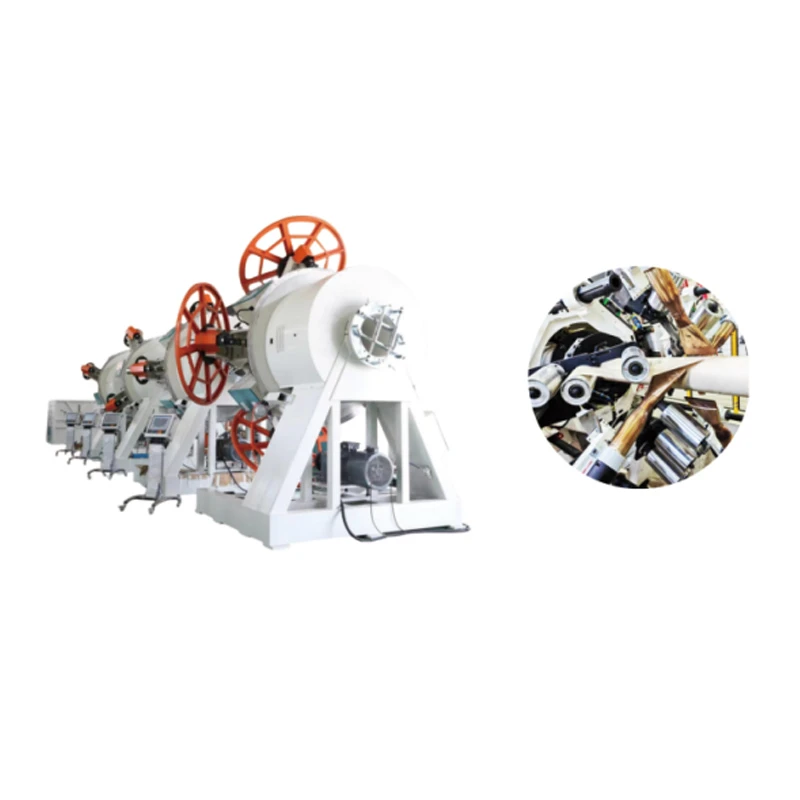
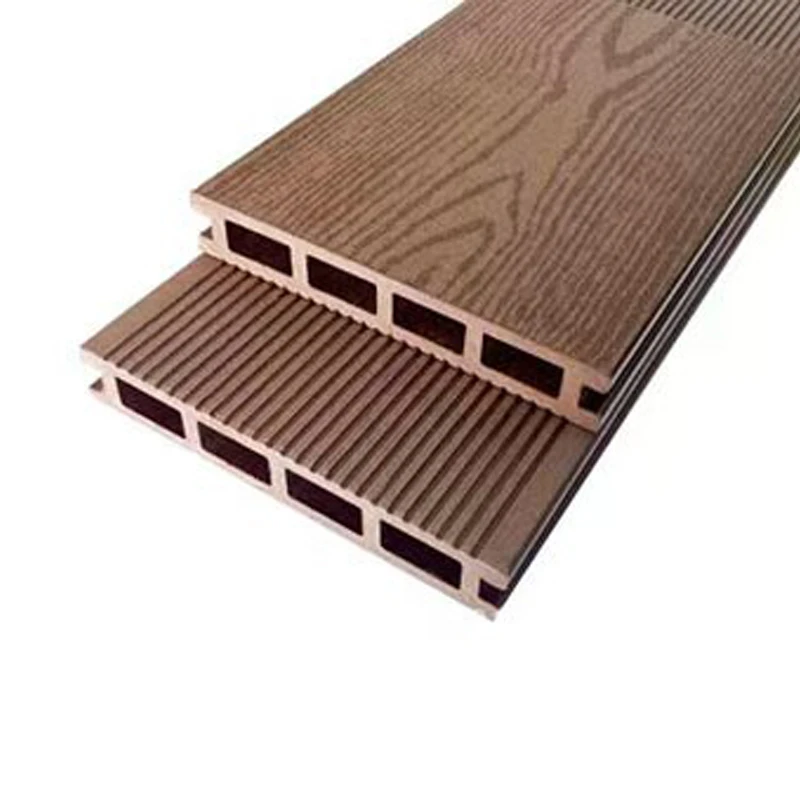
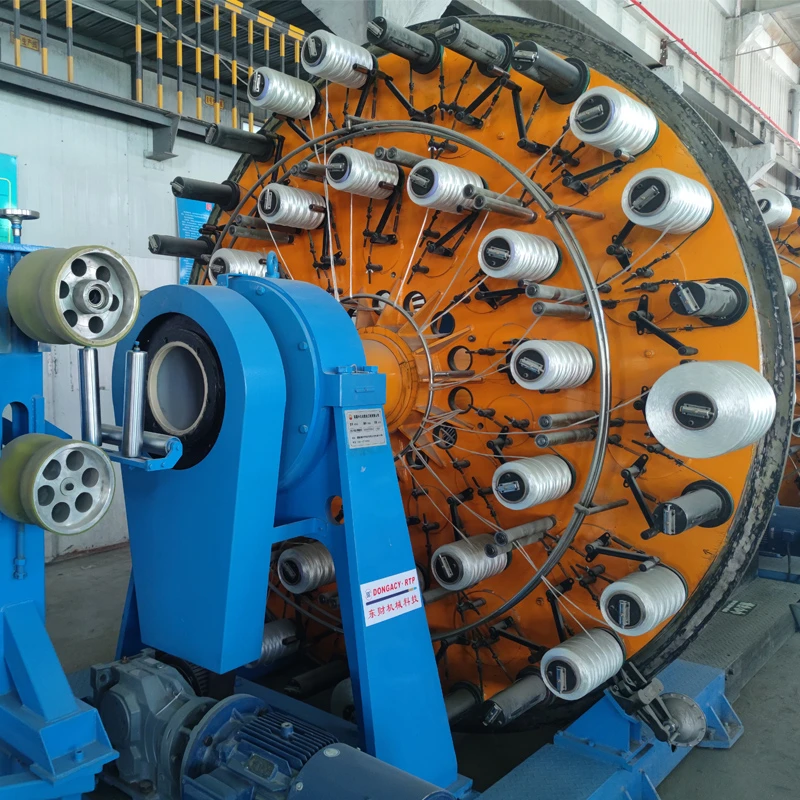
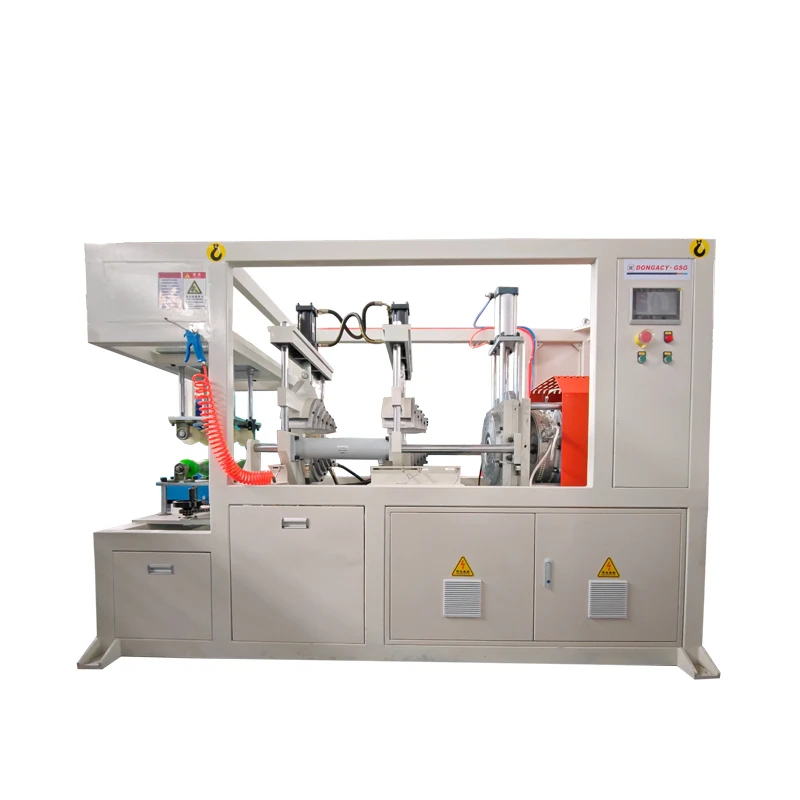
Put simply, plastic extruder companies design and produce machines called extruders. These machines melt and form plastic pellets or powders into continuous shapes — think pipes, films, sheets, or profiles. These machines are central to the plastics manufacturing process, connecting raw material input to finished product. Without them, industries ranging from automotive to agriculture would face major bottlenecks.
But beyond manufacturing lines, there’s a humanitarian angle, too. In disaster zones for example, flexible plastic extrusion equipment can be vital for making emergency water pipes or shelter components quickly and locally, improving response times and reducing logistics headaches.
Core Aspects of Plastic Extruder Companies
Durability
Extruder machines work under intense conditions: high heat, pressure, and continuous operation. Companies that focus on sturdy, reliable machines are valued highly. Long uptime means less downtime, better production continuity, and lower maintenance costs.
Scalability
From small-scale local workshops to huge industrial plants, plastic extruder companies provide machines ranging from compact, portable models to massive multi-ton installations. Scalability is key to adapt to customer needs.
Cost Efficiency
Energy consumption and raw material recovery during extrusion are huge cost factors. Machines designed to reduce waste and lower power usage help manufacturers control their bottom line.
Customization
Clients often require unique profiles, pipe diameters or special polymers. Flexible design and quick tooling changes feature prominently among top extruder companies’ offerings.
Innovation in Materials
Leading extruder companies experiment with bioplastics and recycled polymers, staying ahead of evolving environmental regulations and market demand.
Global Applications & Use Cases
Plastic extruder companies serve a wide array of industries worldwide, impacting different regions uniquely. Here are some practical examples:
- Construction and Infrastructure: In Asia, extruded plastic pipes and profiles are widely used for affordable housing and plumbing solutions.
- Packaging Industry: Europe leads in extruded films for sustainable packaging alternatives, often relying on local extruder manufacturers.
- Humanitarian Aid: Post-disaster relief in Africa often depends on extrusion equipment to locally manufacture water supply pipes and shelter materials, speeding up rebuilding efforts.
- Agriculture: North and South America use extruded plastic tubing for irrigation systems, optimizing water usage in drought-prone farming regions.
In real terms, these versatile machines help industries adapt to local needs—whether that’s speeding production, decreasing costs, or tailoring materials for a particular environment.
Advantages & Long-Term Value of Plastic Extruder Companies
Investing in quality extruder technology often yields long-term benefits:
- Cost Savings: Lower energy use and material waste improves profitability.
- Sustainability: Enabling recycled and biodegradable plastics reduces environmental impact.
- Reliability & Safety: Durable machines minimize downtime and safety risks in factories.
- Social Impact: Local production capabilities empower communities and reduce dependency on imports.
From a human perspective, these advantages translate into safer jobs, cleaner environments, and stronger economies—which frankly, feels like progress in the truest sense.
Future Trends & Innovations in Plastic Extruder Companies
Looking ahead, the industry is edging toward several exciting developments:
- Green Energy Integration: Solar- or wind-powered extrusion units reduce carbon footprints.
- Automation & Digitalization: IoT-enabled machines allow real-time monitoring and precision control.
- Bio-Composite Materials: Extruders capable of processing new, sustainable polymers.
- Modular Design: Faster repair and upgrades extend machine lifespans.
It’s an era where innovation doesn’t just mean faster or cheaper—but smarter and more responsible.
Challenges & Solutions in Plastic Extruder Manufacturing
Of course, hurdles remain:
- Environmental Concerns: Plastic pollution remains a thorn despite innovations.
- Energy Consumption: Extrusion is energy-intensive, requiring efficiency breakthroughs.
- Material Variability: Recycling plastics presents processing challenges.
Expert manufacturers tackle these by investing in R&D and embracing circular economy principles — you know, turning waste into resource loops.
Product Specification Table: Example Extruder Model
| Specification | Model PX-500 |
|---|---|
| Output Capacity | 500 kg/hour |
| Power Consumption | 50 kW |
| Material Compatibility | PP, PE, Recycled Plastics |
| Machine Weight | 1,200 kg |
| Automation Level | Semi-Automatic with PLC controls |
Vendor Comparison: Leading Plastic Extruder Companies
| Company | Scalability | Sustainability Focus | Customer Support | Price Range |
|---|---|---|---|---|
| Extrudech Global | High | Advanced R&D on bioplastics | 24/7 Technical Support | $$$ |
| PolyShape Inc. | Medium | Use of recycled polymers | On-site Training Provided | $$ |
| Green Extrusion Ltd. | Low - Specialty Machines | 100% Renewable Energy Operations | Email & Phone Support | $$$$ |
Frequently Asked Questions About Plastic Extruder Companies
1. What types of plastics can extrusion machines handle?
Most plastic extruder companies design machines compatible with a variety of thermoplastics such as polyethylene (PE), polypropylene (PP), polyvinyl chloride (PVC), and increasingly, recycled plastics and bioplastics. Choice depends on machine temperature range and screw design.
2. How do plastic extruders impact sustainability?
By enabling use of recycled and bio-based materials, efficient extrusion machines reduce waste and energy consumption. Innovations like solar-powered extruders further drive down carbon footprints, aligning manufacturing with eco-friendly goals.
3. Can extrusion technology be customized for specific industries?
Absolutely. Plastic extruder companies often tailor machine specifications—like output size, processing speed, and automation level—to meet unique industry requirements such as medical device tubing, agricultural films, or packaging sheets.
4. Are there portable extrusion machines for remote or emergency uses?
Yes, some companies offer small, mobile extruder units suitable for on-site production in disaster relief, remote industrial facilities, or developing regions, where quick local manufacturing is a game changer.
5. How do companies support international import and installation?
Leading vendors provide comprehensive services including documentation for customs, remote training, and on-site support to help international clients smoothly import, install, and operate extrusion equipment.
Conclusion: Why Plastic Extruder Companies Will Continue Shaping Our World
At the end of the day, plastic extruder companies are more than just machine builders. They’re catalysts for innovation, sustainability, and localized manufacturing solutions. As the global demand for plastics evolves with environmental pressures and digital technologies, these firms are adapting — driving smarter, greener production that benefits industries and communities alike.
If you want to explore reliable partners or learn more about how extrusion machinery can fit your business needs, I encourage you to visit plastic extruder companies here. It’s where technical know-how meets practical impact.
Mini takeaway: Plastic extruder companies might feel like behind-the-scenes players in manufacturing, but their innovations ripple across economies, environments, and lives globally.
References
-
High Efficiency PE Extrusion Line Guide for Plastic ManufacturingNewsApr.16,2026
-
High Speed Steel Wire Mesh HDPE Composite Pipe Production Line - Anhui Dongchai|High Automation&Energy EfficiencyNewsApr.13,2026
-
High Speed Steel Wire Mesh HDPE Composite Pipe Production Line - Anhui Dongchai|High Automation&Energy EfficiencyNewsApr.13,2026
-
Guide to Choosing High Efficiency ppr pipe extrusion machineNewsApr.09,2026
-
Comprehensive Guide to Modern Pipe Production Line Technologies and OptimizationNewsApr.07,2026
-
Choosing the Right Extrusion Pipe Machine for Optimal Plastic Pipe ProductionNewsApr.04,2026
-
Comprehensive Guide to PPR Pipe Extrusion Line Technology and ApplicationsNewsMar.31,2026


