
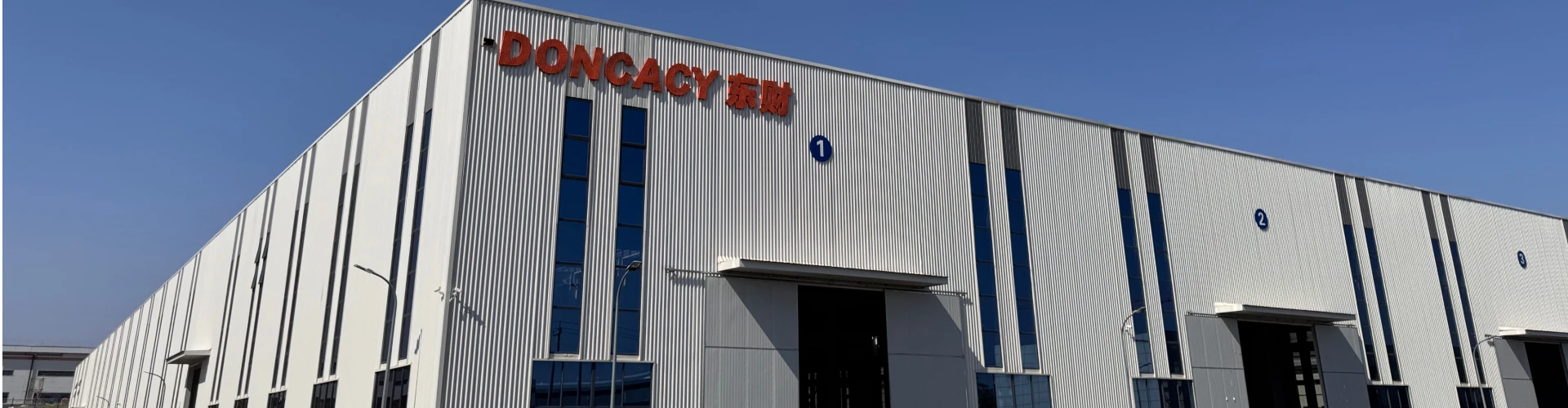
What Is a Profile Extrusion Machine and Why It Matters Globally
If you’ve ever marveled at how intricate plastic shapes—from window frames to automotive trims—are produced seamlessly, then you’re touching the magic of the profile extrusion machine. These machines form the backbone of modern manufacturing for profiles, offering precision and efficiency that ripple across multiple industries worldwide. Understanding how these machines work and their global impact is key not only for manufacturers but also for anyone interested in sustainable, efficient production methods.
Globally, the extrusion market is projected to grow steadily, driven by construction, automotive, and packaging sectors. Organizations like the International Organization for Standardization (ISO) emphasize the role of extrusion technology in creating durable and sustainable products (1). But beyond stats, the real charm remains in how profile extrusion machines blend engineering ingenuity with practical needs—creating shaped plastic or metal that fits exact applications without waste, often speeding up entire supply chains.
Mini takeaway: In a nutshell, profile extrusion machines quietly power modern manufacturing by precisely shaping materials used in everyday objects, fueling industries from building to transport.
The Global Importance of Profile Extrusion Machines
The profile extrusion process is surprisingly global—its effects ripple from sprawling industrial parks in China and Germany to remote building projects in Africa and Latin America. According to the United Nations Industrial Development Organization (UNIDO), extrusion technologies contribute to economic development by enhancing local manufacturing capabilities and reducing import reliance (2).
However, challenges remain: energy consumption, raw material costs, and a need for customization can hinder smaller manufacturers’ abilities to compete. A profile extrusion machine addresses some of these by offering scalable production with adaptability to different materials—from standard PVC to newer bioplastics—thereby supporting sustainability goals and cost efficiency.
Mini takeaway: The machines are adaptors in a fluctuating global market—balancing cost, efficiency, and sustainability to meet diverse demands.
Defining the Profile Extrusion Machine
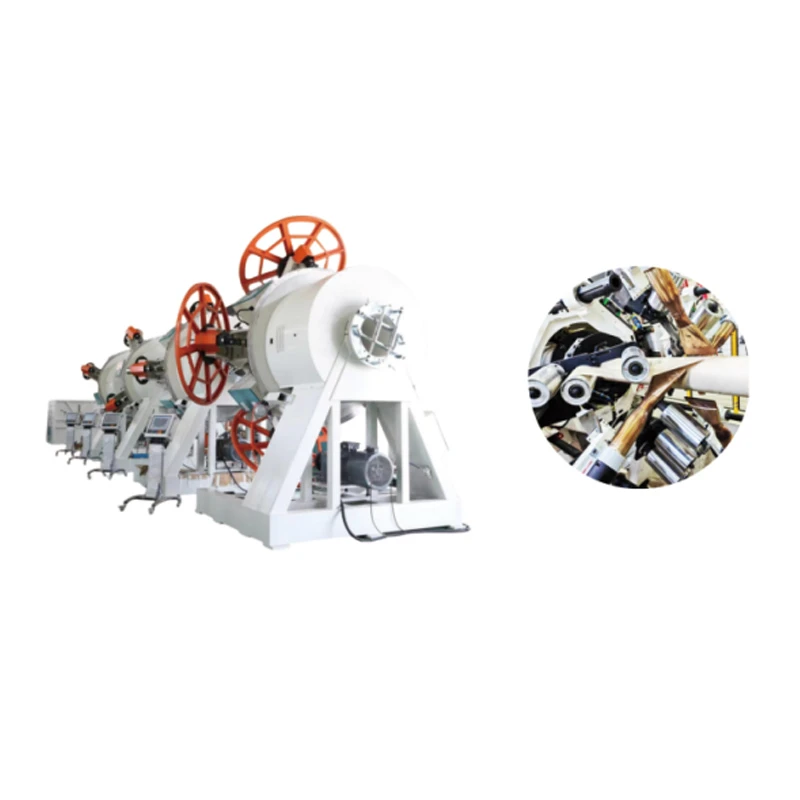
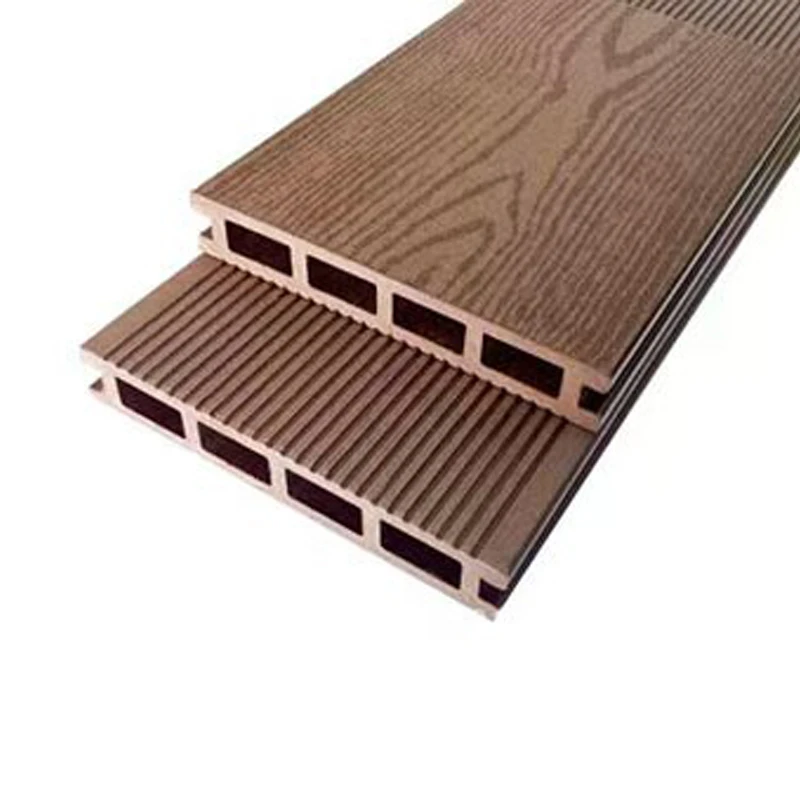
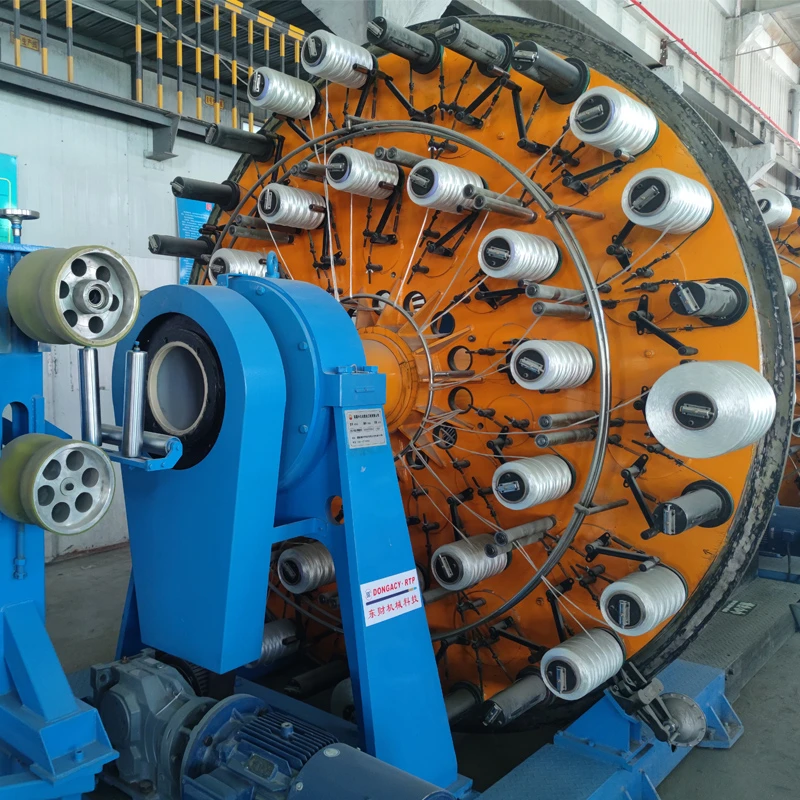
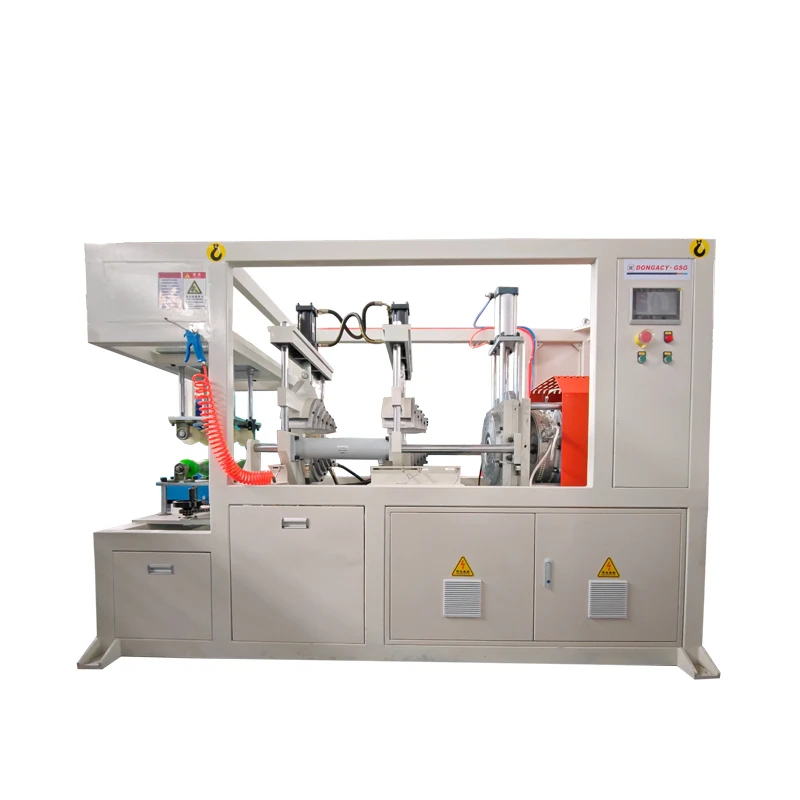
Simply put, a profile extrusion machine is an industrial device that pushes raw materials—usually plastic or aluminum—through a shaped die under heat and pressure to create continuous lengths of profiles with specific cross-sectional shapes. Think of it like squeezing toothpaste through a mold, but much bigger and more precise.
Its role extends beyond manufacturing cool shapes; it’s central to modern building practices, including energy-efficient windows, durable fencing, or automotive parts designed to reduce vehicle weight (which, by the way, helps with fuel economy). From humanitarian housing to consumer goods, profile extrusion impacts how we build and live.
Mini takeaway: At its core, this machine is a specialized tool turning raw materials into tailored profiles that meet specific industrial and social needs.
Key Components and Their Significance
1. Durability and Material Versatility
These machines generally handle polymers like PVC, PE, or sometimes aluminum—each with different processing temperatures and flow characteristics. I learned from manufacturers that balancing the screw design and barrel heating controls is vital to sustain consistent product quality, especially when switching materials.
2. Scalability and Throughput
Whether producing a few meters for prototypes or thousands for an international contract, throughput flexibility is key. The screw size, motor power, and cooling system intricately determine how fast or slow the line runs without compromising the profile’s integrity.
3. Cost Efficiency
Operational costs stem from energy consumption, raw materials, and maintenance. Newer machines aim at cutting idle energy use through automation and integrating better insulation in heated barrels.
4. Quality Control and Automation
Inline thickness gauges, laser scanners, and computer controls are common now. These shorten quality check time drastically. Automation can also reduce human error—a big plus for mass production environments.
5. Environmental Impact
Many plants are adopting eco-friendly additives and recyclable materials. Interestingly, the extrusion technology allows using recycled plastics without losing performance, a huge advantage for sustainability-minded firms.
Mini takeaway: From raw material handling to finish, these core factors shape both product quality and machine efficiency, driving real-world applications.
Where Profile Extrusion Machines Make a Real Difference
It’s fascinating how industries and geographies use these machines differently. In Europe, green building certifications push manufacturers to develop advanced thermal break profiles via extrusion. Some regions, like Southeast Asia, rely on economical extrusion for mass-produced window frames to support booming construction.
- Construction and Building: Supply of window & door profiles, facade cladding.
- Automotive: Lightweight interior trims and seals.
- Medical: Extrusion for tubing and conduits with special biocompatibility.
- Humanitarian Applications: Modular housing components that can be quickly produced and assembled — crucial in disaster relief operations.
- Renewable Energy: Specialized profiles used in framing solar panels.
Mini takeaway: These machines’ versatility means their impact crosses multiple sectors—from everyday living spaces to life-saving relief efforts.
Advantages and Long-Term Benefit of Profile Extrusion Technology
Why are so many engineers and manufacturers swearing by profile extrusion? For starters, it offers unmatched consistency—a necessity for parts that must fit perfectly over thousands of runs. The process generates less waste versus traditional machining, which trims raw material cost and landfill load.
From an emotional angle, products made on these machines bolster safety and reliability. For example, in building materials, extruded profiles mean better weather sealing and strength, keeping families safe and warm year-round. On a broader note, extrusion allows innovative designs that can reduce energy consumption or enhance recyclability, aiding environmental goals.
Mini takeaway: Beyond cost-effectiveness, profile extrusion blends innovation and sustainability with social impact, all while providing durable, trustworthy products.
Looking Toward the Future: Trends and Innovations
The profile extrusion sector is evolving fast, driven by digital transformation, additive manufacturing integration, and material science breakthroughs. For example, real-time IoT monitoring now helps operators optimize production for energy savings and reduced downtime. Automation means machines can self-adjust to maintain profile dimensions with near-zero manual intervention.
Meanwhile, green energy initiatives and biodegradable plastics challenge extrusion to process new feedstocks efficiently. Some developers are prototyping extrusion machines powered by solar or wind energy, a cool glimpse at where manufacturing could head next.
Mini takeaway: Innovations promise a future where profile extrusion machines are smarter, greener, and more adaptable than ever before.
The Challenges We Face, And How to Solve Them
No system is perfect. Common hurdles include sensitivity to raw material inconsistencies, high upfront cost for advanced equipment, and limitations in creating extremely complex geometries. Plus, energy use is still substantial, particularly for heavy metals.
Experts recommend preventive machine maintenance, investing in flexible screw designs, and harnessing AI-powered diagnostics to overcome these challenges. Outsourcing some production segments during peak demand can also help manufacturers maintain agility without heavy capital expenditure.
Mini takeaway: Challenges invite creativity—combining tech upgrades with smarter production planning mitigates common extrusion headaches.
FAQ: Common Questions About Profile Extrusion Machines
- What makes profile extrusion machines better than other forming methods?
- Profile extrusion offers continuous, precise shaping of materials with minimal waste and high throughput. Unlike machining, extrusion forms complex cross-sections in a single step, reducing labor and costs.
- How long does an extruded profile typically last in construction applications?
- Extruded profiles, especially those made from PVC or aluminum, can last 30+ years with proper maintenance and are designed to withstand weathering and physical stress effectively.
- Are profile extrusion machines eco-friendly?
- Yes, especially newer models. They allow the use of recycled materials and aim for energy-efficient operation, reducing carbon footprints relative to other manufacturing methods.
- Can small businesses access profile extrusion technology easily?
- Although initial investments can be high, modular and smaller-scale extrusion machines are increasingly available. Many vendors offer financing or leasing options to support small and medium enterprises.
- How can companies ensure quality when switching extrusion materials?
- It requires recalibrating machine parameters such as temperature, screw speed, and cooling profiles. Using automation and inline measurement tools helps maintain consistent quality during material transitions.
Specification Table: A Typical Profile Extrusion Machine
| Feature | Specification |
|---|---|
| Screw Diameter | 45 mm - 120 mm |
| Max Output | 150 - 400 kg/hr |
| Motor Power | 15 kW - 50 kW |
| Heating Zones | 4 - 7 zones, digital control |
| Automation Level | Semi to Full (optional PLC) |
Comparing Leading Profile Extrusion Machine Vendors
| Vendor | Key Strength | Customization | Price Range |
|---|---|---|---|
| Extrudech | High automation & IoT-enabled | Extensive die designs + software | $$$ |
| PlastiForm | Energy efficient, low emission | Moderate; focus on standard profiles | $$ |
| GlobalExtrude | Wide product range, customizable modules | High; retrofit options + consulting | $$$ |
| EcoExtrusion | Bioplastic compatibility + sustainable design | Limited; emerging tech | $ - $$ |
Wrapping Up: Why Profile Extrusion Machines Are Here to Stay
Taking a longer view, these machines do more than just press shapes out of plastics or metals; they build frameworks—both physical and economic—that support innovation, sustainability, and accessibility. For manufacturers, understanding and investing in the right profile extrusion machine means staying competitive and responsive to future demands.
If you want to explore how such technology can streamline your operation or innovate your offerings, I recommend checking out profile extrusion machine specialists who understand both the technical and business side of extrusion.
Here's to smarter manufacturing and more thoughtful production, one profile at a time.
References
-
High Efficiency PE Extrusion Line Guide for Plastic ManufacturingNewsApr.16,2026
-
High Speed Steel Wire Mesh HDPE Composite Pipe Production Line - Anhui Dongchai|High Automation&Energy EfficiencyNewsApr.13,2026
-
High Speed Steel Wire Mesh HDPE Composite Pipe Production Line - Anhui Dongchai|High Automation&Energy EfficiencyNewsApr.13,2026
-
Guide to Choosing High Efficiency ppr pipe extrusion machineNewsApr.09,2026
-
Comprehensive Guide to Modern Pipe Production Line Technologies and OptimizationNewsApr.07,2026
-
Choosing the Right Extrusion Pipe Machine for Optimal Plastic Pipe ProductionNewsApr.04,2026
-
Comprehensive Guide to PPR Pipe Extrusion Line Technology and ApplicationsNewsMar.31,2026


