
Understanding the Profile Extrusion Line: The Backbone of Modern Manufacturing
In the rapidly evolving world of manufacturing and material processing, the profile extrusion line occupies an essential place. Though it might sound like an obscure term to some, this technology is quietly shaping countless industries — from construction to automotive, from packaging to sustainable infrastructure. Globally, the demand for customized, durable, and cost-effective profiles has exploded, partially driven by urbanization, environmental concerns, and shifting supply chains. So, why should you care? Because grasping what a profile extrusion line entails unlocks insight into how everyday products around us are delivered, optimized, and even personalized.
The Global Context: Why Profile Extrusion Lines Matter
Here’s a quick snapshot: as of the latest World Bank data, emerging markets are pouring billions into infrastructure projects annually, often requiring tailor-made profiles for windows, panels, piping, and more. The ISO standards regulating material quality and process efficiency have pushed manufacturers worldwide to invest heavily in extrusion technology. However, one major challenge looms — how to ramp up mass production without compromising on environmental footprints or product durability? This is precisely where the profile extrusion line comes in, providing automated solutions that combine precision with scalability.
According to the UN’s reports on sustainable industrial development, efficient manufacturing processes are a keystone for meeting the Sustainable Development Goals (SDGs), especially Goal 9 (Industry, Innovation, and Infrastructure). Profile extrusion lines enable that by reducing waste, improving energy efficiency, and accelerating production cycles.
Mini takeaway: The profile extrusion line isn’t just a factory buzzword — it’s a vital player on the global stage of industrial innovation and sustainability.What Is a Profile Extrusion Line?
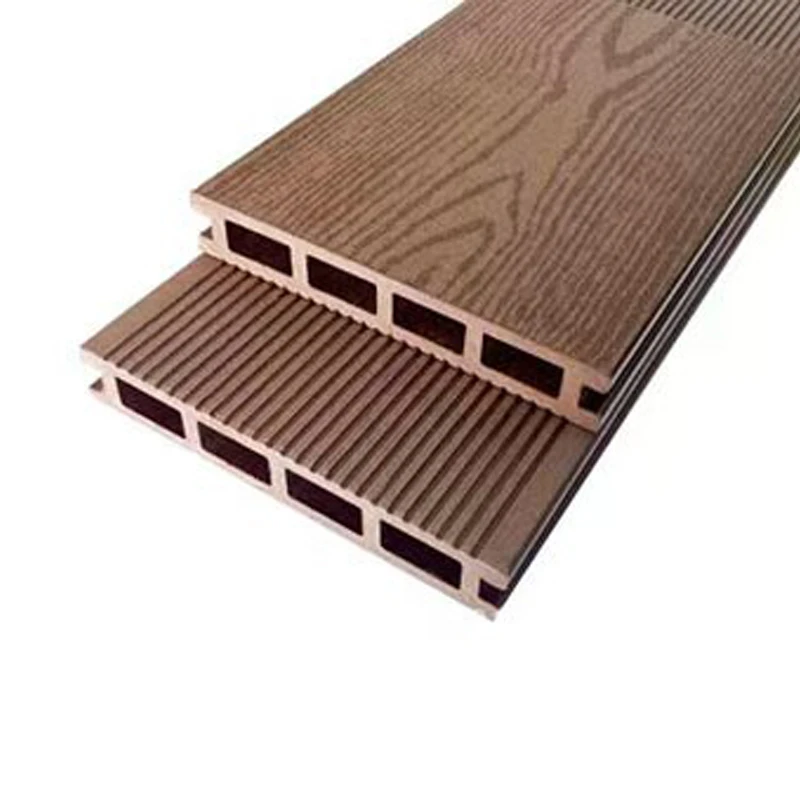
Simply put, a profile extrusion line is an integrated manufacturing setup that shapes materials — usually plastics, metals, or composites — into continuous lengths of customised profiles (or cross-sectional shapes). Imagine a sausage machine but for finely engineered shapes like window frames, decking boards, pipe conduits, or even furniture components. Raw resin pellets, granules, or metal powders feed into an extruder where heat and pressure reshape them as they pass through a die opening specifically designed for the target profile’s geometry.
This process is central to modern industry because it can produce high volumes of consistent, complex shapes with minimal manual intervention. It’s a win for humanitarian needs, too, by enabling affordable, durable structural components used in rapid housing or disaster relief shelters.
Core Components of a Profile Extrusion Line
1. Extruder Unit
This is the heart of the line. It melts and blends raw material before forcing it through the die. Various extruder designs (single-screw, twin-screw, etc.) cater to different material types and production speeds.
2. Die and Calibration Table
The die shapes the melted material, but it’s the calibration table—complete with cooling tanks and sizing tools—that ensures the profile cools and hardens to precise dimensions. Imagine how delicate shaping molten plastic is; it’s a bit like crafting frozen ribbons.
3. Haul-off System
After shaping, the profile must be pulled steadily to maintain consistency. The haul-off pulls the product at controlled speeds to avoid distortions or variations.
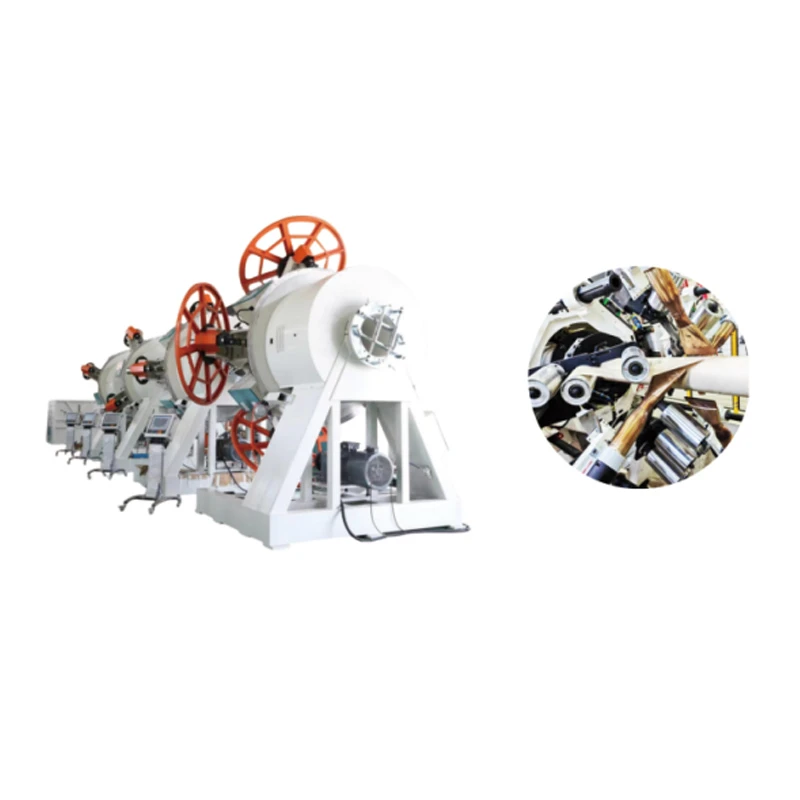
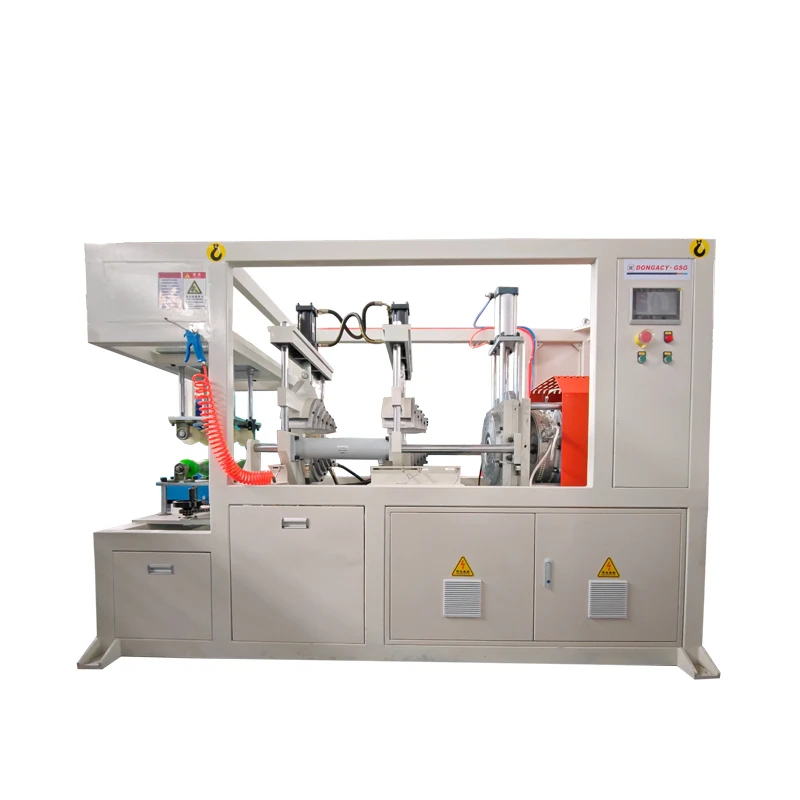
4. Cutting or Winding Station
Finally, depending on the product, profiles are either cut to length or wound into coils, ready for packaging or assembly.
5. Control and Monitoring Systems
Modern extrusion lines include PLC (Programmable Logic Controllers) or even IoT-enabled interfaces for real-time tracking, fault detection, and remote adjustments. This is a game changer for reducing downtime and optimizing yields.
Mini takeaway: The profile extrusion line is a symphony of components working in seamless coordination — a bit like a high-precision bakery assembly line turning out many shapes with exacting detail.Global Applications & Use Cases
Across continents, extrusion lines are the unsung heroes behind a spectrum of products:
- Construction industry: Producing PVC window frames, door sealing strips, weather-resistant cladding, and decorative moldings. In Europe and North America, these profiles meet stringent energy efficiency requirements.
- Automotive: Custom trim, bumpers, or sealing gaskets often start as extruded profiles adapted to withstand temperature and wear challenges.
- Agriculture: Irrigation pipes and drainage channels rely on extruded profiles that resist corrosion and environmental stress.
- Disaster relief and humanitarian applications: Rapidly deployable shelters sometimes use extruded aluminum or PVC profiles for frame construction, allowing quick assembly in remote or crisis-hit areas.
For example, after the 2019 floods in Southeast Asia, NGOs deployed modular housing kits assembled with extruded profiles for their impressive strength-to-weight ratios and easy transportability.
Mini takeaway: From city skyscrapers to emergency tents, profile extrusion lines quietly underpin many forms of modern shelter and utility.Advantages and Long-Term Value of Profile Extrusion Lines
Why invest in a profile extrusion line? Several benefits stand out:
- Cost efficiency: Automation cuts labor costs and reduces material waste through precision.
- Durability and quality: Uniform profiles resist warping and environmental degradation better than cut or assembled components.
- Sustainability: Many lines now support recycled materials and minimize energy usage, aligning with global green initiatives.
- Customization: Quick tooling changes allow manufacturers to pivot production as market needs shift, increasing agility.
- Social impact: Facilitates affordable infrastructure and housing solutions, enhancing safety and dignity.
Emotionally speaking, knowing that a factory can quickly deliver sturdy window frames to a fast-growing city or easy-to-assemble shelter parts post-disaster adds a layer of human connection to this technical process.
Product Specification Table: Typical Profile Extrusion Line Features
| Feature | Specification | Details |
|---|---|---|
| Extruder Type | Twin-screw | Handles diverse materials; good for mixing and compounding |
| Output Capacity | 300–500 kg/hr | Varies by material and product complexity |
| Max Profile Width | 600 mm | Suitable for window frames and wide panels |
| Control System | PLC with touch screen | Enables monitoring and remote access |
| Cooling Method | Water and air | Ensures consistent profile dimensions |
| Material Compatibility | PVC, PE, PP, Aluminum | Common materials for mainstream and specialty profiles |
Top Vendors of Profile Extrusion Lines: A Quick Comparison
| Vendor | Strength | Pricing | Customization | Support & Training |
|---|---|---|---|---|
| AlphaTech Extru | High throughput & energy efficiency | $$$ | Extensive die design options | Comprehensive on-site support |
| BetaLine Systems | User-friendly interface & modular upgrades | $$ | Standard dies + custom orders | Remote diagnostics & training |
| Gamma Extrusions | Specializes in recycled material handling | $$$ | Eco-focused customization | Green manufacturing consultancy |
Future Trends and Innovations in Profile Extrusion Lines
Looking ahead, the extrusion world is buzzing with several exciting developments:
- Smart extrusion lines: IoT-connected systems are enabling predictive maintenance and detailed quality analytics. This means fewer production halts and higher yields.
- Eco-friendly materials: Biodegradable polymers and recycled composites are reshaping what profiles can be made of, aligning with circular economy principles.
- Advanced automation: Robotic material handling paired with AI-driven process controls help scale production seamlessly while maintaining precision.
- Integration with 3D printing: Hybrid lines that combine extrusion and additive manufacturing could soon offer unique multitasking capabilities.
Many engineers I know are particularly excited about new dies designed for multi-layer profiles, which could help manufacturers combine strength, insulation, and aesthetics in one go.
Common Challenges and How Industry Experts Tackle Them
Of course, no technology is perfect. Common issues include:
- Material flow inconsistencies: Leading to defects or uneven thickness — often addressed by improved screw design and real-time monitoring.
- Energy consumption: High heat and pressure demand power, but innovations like variable frequency drives help reduce waste.
- Adaptability limitations: Switching between profile types can cause downtime; modular tooling and quick-change dies are partial solutions.
- Environmental concerns: Handling recycled material sometimes affects quality; however, new compounding techniques are improving results.
Expert insight? Solid partnerships between equipment manufacturers and material suppliers are crucial. Because extrusion lines don’t run in isolation — they’re part of a bigger ecosystem.
FAQ: Your Top Questions About Profile Extrusion Lines
Q1: How does a profile extrusion line differ from standard plastic extrusion?
A profile extrusion line specifically produces continuous custom-shaped profiles, like frames or tubes, while standard extrusion can produce sheets, films, or pellets. The line includes calibration and haul-off systems tailored for long profiles.
Q2: What industries benefit most from profile extrusion lines?
Construction, automotive, agriculture, and packaging sectors rely heavily on profile extrusion lines for their versatility and efficiency in producing precise shapes.
Q3: Can profile extrusion lines process recycled materials?
Yes, many modern lines are designed to accept recycled resins or composites, supporting sustainability initiatives. However, the quality of recycled input must be consistent to avoid defects.
Q4: How long does it take to switch profiles in a production line?
Switching times vary, typically from a few hours to a day, depending on the die change complexity and calibration requirements. Innovations in quick-change tooling are reducing these times.
Q5: Is automation necessary for smaller profile extrusion operations?
While smaller setups can run semi-manually, automation improves consistency, safety, and scale efficiency, making it a worthwhile investment for growing operations.
Conclusion: Why Profile Extrusion Lines Are Worth Your Attention
At the intersection of industrial innovation, sustainability, and practical application, the profile extrusion line stands out as an indispensable technology. Its versatility supports numerous industries, and its evolving features address many modern challenges from environmental responsibility to digital transformation.
If you’re considering upgrading or investing in extrusion technology, keep in mind the long-term savings, adaptability, and global relevance it brings. For detailed info or tailored consultancy, don’t hesitate to visit our website: profile extrusion line.
Thanks for reading — sometimes the most unassuming industrial processes carry the biggest stories.
References
-
High Efficiency PE Extrusion Line Guide for Plastic ManufacturingNewsApr.16,2026
-
High Speed Steel Wire Mesh HDPE Composite Pipe Production Line - Anhui Dongchai|High Automation&Energy EfficiencyNewsApr.13,2026
-
High Speed Steel Wire Mesh HDPE Composite Pipe Production Line - Anhui Dongchai|High Automation&Energy EfficiencyNewsApr.13,2026
-
Guide to Choosing High Efficiency ppr pipe extrusion machineNewsApr.09,2026
-
Comprehensive Guide to Modern Pipe Production Line Technologies and OptimizationNewsApr.07,2026
-
Choosing the Right Extrusion Pipe Machine for Optimal Plastic Pipe ProductionNewsApr.04,2026
-
Comprehensive Guide to PPR Pipe Extrusion Line Technology and ApplicationsNewsMar.31,2026


