
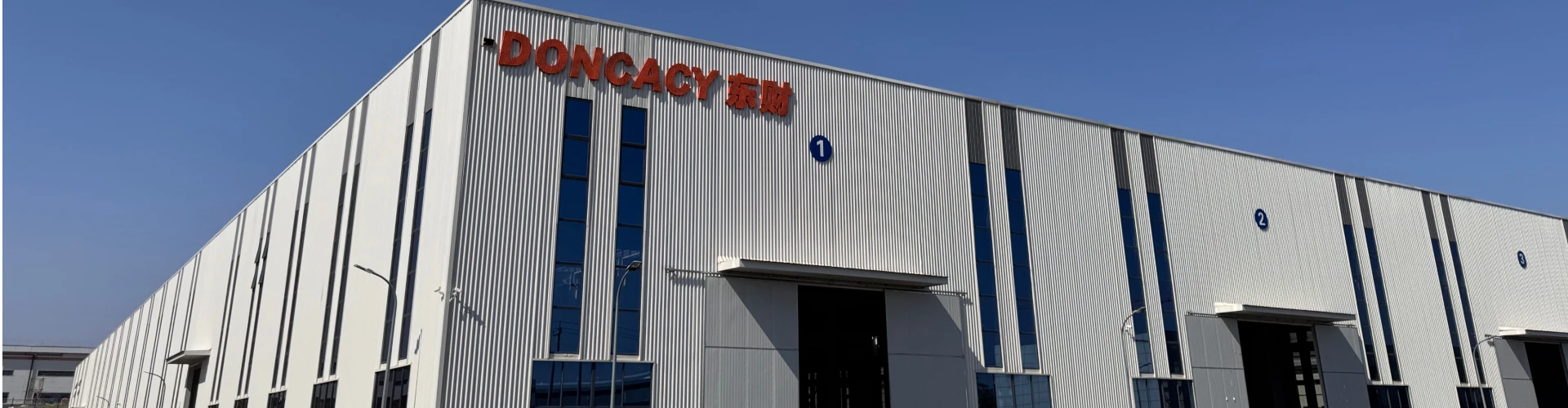
Understanding the HDPE Extrusion Line: The Backbone of Durable Plastic Manufacturing
In a world where plastic pipes, sheets, and profiles form the silent infrastructure behind clean water systems, construction, and packaging, the hdpe extrusion line plays a quiet yet crucial role. But why should anyone beyond the plastics industry care? Simply put, mastering the technology behind these extrusion lines unlocks global benefits: improved infrastructure reliability, cost efficiencies, and advancements in sustainability. Whether you’re a manufacturer, engineer, or policymaker, a good grasp of what an hdpe extrusion line does—and how it impacts everyday life—is invaluable.
The Global Context: Why HDPE Extrusion Lines Matter More Than Ever
High-Density Polyethylene, or HDPE, is no newcomer; it’s been a workhorse polymer for decades. Globally, the demand for HDPE products is skyrocketing, driven by industries like water management, agriculture, and electrical conduits. According to data from the International Organization for Standardization (ISO) and reports by the World Bank, the polyethylene market is expected to grow by roughly 5% annually, closely linked to urbanization and infrastructure development in emerging economies.
But here’s where it gets tricky: producing high-quality HDPE products consistently requires precision machinery — enter the hdpe extrusion line. This equipment transforms raw HDPE granules into usable forms through melting and shaping. Without efficient extrusion lines, the supply chain for essential infrastructure components faces bottlenecks, increased costs, and quality issues — all of which hurt both end-users and manufacturers worldwide.
Mini takeaway:
HDPE extrusion lines are not just industrial machines; they're vital tools in meeting global infrastructure demands with quality, speed, and cost-effectiveness.
What Exactly Is an HDPE Extrusion Line?
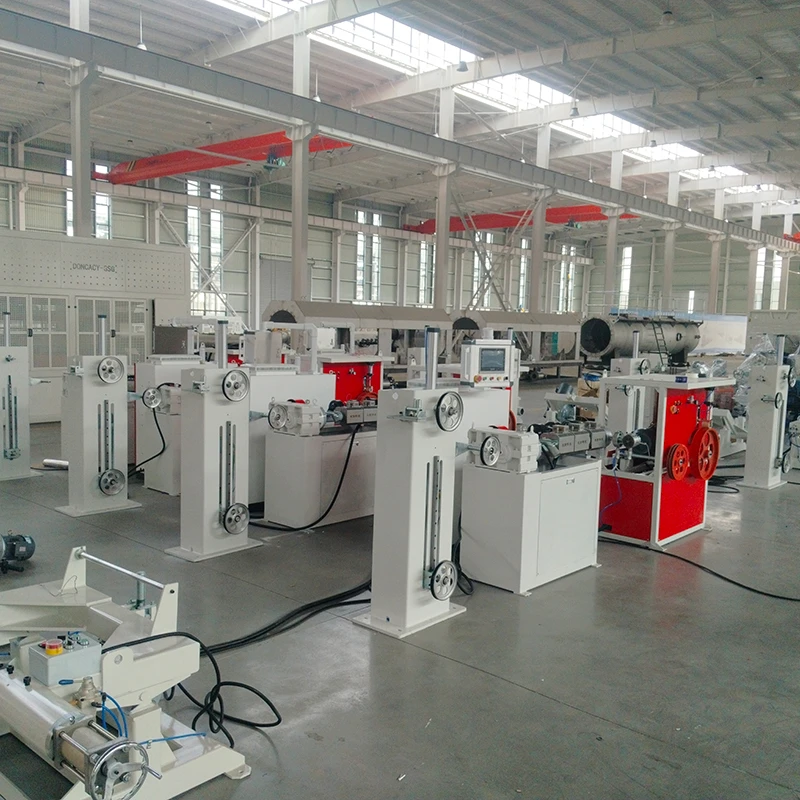
At its core, an hdpe extrusion line is an assemblage of machinery designed to convert HDPE resin pellets into a continuous profile — pipes, sheets, or custom shapes. The process involves feeding raw material into a heated barrel where it melts, then forcing it through a die to form the desired shape. After shaping, it cools and solidifies as it moves along a conveyor or cooling tank.
This line is crucial in modern manufacturing, not only because of its efficiency but because HDPE’s properties—like chemical resistance, flexibility, and durability—make it ideal for harsh environments or humanitarian needs such as water delivery systems in disaster recovery zones.
Mini takeaway:
An hdpe extrusion line is essentially the “printer” of the plastic world, printing pipes and sheets that hold up communities.
Key Components and Their Practical Impact
1. Barrel and Screw Design
Many engineers emphasize that the extrusion screw is the true heart of the line. It controls melting, mixing, and pressure. A well-designed screw ensures consistent material flow and reduces waste — which translates directly to cost savings.
2. Die and Calibration Unit
This part shapes the molten HDPE. Precision dies mean precise pipes or profiles with the required thickness and dimensions. Calibration helps cool and maintain shape, avoiding warping — crucial for reliability in pipelines or paneling.
3. Cooling System
Water baths or air cooling play a vital role. Cooling too fast or too slow disrupts the product’s integrity. Interestingly, a consistent cooling rate can enhance the lifespan of pipes used in harsh weather.
4. Haul-Off Unit
This mechanism controls the speed and tension, pulling the product at a steady pace without deformation. Attention to speed variants also allows customization of pipe diameters or sheet thickness.
5. Cutting and Stacking
Finally, the line often features automated cutters and stackers for finished products, minimizing manual handling and improving throughput.
Mini takeaway:
Every piece of the hdpe extrusion line influences product quality, efficiency, and ultimately, the end user's trust in the infrastructure.
Specifications of a Typical HDPE Extrusion Line
| Component | Specification | Function |
|---|---|---|
| Screw Diameter | 90-120 mm | Ensures uniform melting and mixing |
| Extrusion Output | 50-300 kg/hr | Production capacity variation by model |
| Die Diameter Range | 20-630 mm | Pipe/profile size customization |
| Cooling System | Water Bath, Air Cooling | Solidifies and stabilizes products |
| Haul-Off Speed | 0–30 m/min | Controls final product tension |
Comparing Top Vendors of HDPE Extrusion Lines
| Vendor | Output Capacity (kg/hr) | Customization | Price Range (USD) | Tech Features |
|---|---|---|---|---|
| AlphaMachinery | 50–200 | Standard & custom dies | 40,000–70,000 | Auto control, remote monitoring |
| Betaplast | 80–300 | Wide die selection, modular | 55,000–90,000 | Energy-saving tech, CNC dies |
| Gamma Extrusion | 40–150 | Focus on small to medium sizes | 30,000–60,000 | PLC interface, low maintenance |
Global Applications & Use Cases: More Than Just Pipes
HDPE extrusion lines have found their niche worldwide across diverse sectors. In regions such as Southeast Asia and Sub-Saharan Africa, these lines produce water pipes vital for clean drinking water access, transforming lives (UN reports highlight water infrastructure as a development priority). Post-disaster relief agencies often deploy HDPE pipes rapidly because they resist corrosion and can endure varying terrains—essential when infrastructure is compromised.
In industrial zones of South America, manufacturers use extrusion lines to create cable protection conduits, ensuring long-lasting durability for electrical networks prone to environmental stressors. And oddly enough, even in the packaging industry, HDPE sheets extruded with specialized lines provide strong, lightweight containers and protective barriers.
Mini takeaway:
The versatility of hdpe extrusion lines makes them indispensable—whether rebuilding cities, farming efficiently, or ensuring power grids thrive.
Advantages and Long-Term Value of HDPE Extrusion Technology
- Cost Efficiency: The continuous process reduces waste and labor costs.
- Durability: HDPE products withstand harsh chemicals, UV exposure, and mechanical stress.
- Sustainability: Modern lines support recycled HDPE feedstock, lowering environmental impact.
- Scalability: Lines can be customized from small batch to full industrial scale.
- Social Impact: Reliable pipes improve health outcomes and strengthen communities.
From a social viewpoint, there's also something satisfying knowing you’re investing in tech that literally shapes the foundations of cities and communities. Added to this is the innovation ripple effect: many engineers I’ve talked to say working with extrusion lines pushes their problem-solving skills to a new level — kind of inspiring, actually.
Future Trends & Innovations Shaping HDPE Extrusion
The future is almost here: new extrusion lines incorporate IoT-enabled sensors that monitor product quality in real-time, drastically reducing defects. Automation platforms optimize energy usage, while novel screw designs increase throughput without sacrificing quality. Add to this a surge in biopolymers compatible with existing extrusion tech, hinting at a greener, circular economy ahead.
With global regulatory emphasis on sustainability—for instance, European Commission’s circular economy action plan—manufacturers are pushing for lines that handle recycled HDPE with near-zero performance loss. It’s a game-changer in reducing plastic waste and dependency on virgin materials.
Challenges & Potential Solutions
Of course, no tech is flawless. Some challenges current hdpe extrusion lines face include:
- Material Variability: Impurities in recycled HDPE can clog or damage screws.
- High Energy Consumption: Heating extruders eats up significant power.
- Maintenance Downtime: Precision parts need frequent upkeep to avoid prolonged stops.
Innovations like advanced filtration systems, energy recovery units, and predictive maintenance using AI sensors are promising solutions to these issues, aiming for smarter, greener extrusion lines.
FAQ: Frequently Asked Questions About HDPE Extrusion Lines
- Q1: How do HDPE extrusion lines improve product quality compared to traditional molding?
- A: Extrusion lines provide continuous, consistent shaping and cooling, which leads to uniform wall thickness and fewer defects, unlike batch molding that can introduce variability.
- Q2: Can these lines handle recycled HDPE without compromising output?
- A: Many modern lines are designed or upgraded with enhanced filtration and screw designs to process recycled HDPE effectively, though some product-specific tweaking may be necessary.
- Q3: What is the typical lifecycle of an HDPE extrusion line?
- A: With proper maintenance, these lines can last 10–15 years, but timely upgrades and part replacements keep performance consistent over time.
- Q4: Are hdpe extrusion lines easy to integrate into existing production setups?
- A: Most manufacturers offer modular systems that can be tailored or scaled, facilitating integration without major overhauls.
- Q5: Is it feasible for small businesses to invest in such extrusion lines?
- A: Yes. Several vendors provide smaller capacity lines optimized for SMEs, offering cost-effective entry points into extrusion manufacturing.
Conclusion: Why Investing in an HDPE Extrusion Line Makes Sense Long-Term
To wrap it up, the hdpe extrusion line remains a cornerstone technology in the plastics industry, underpinning critical infrastructure and product innovation worldwide. For manufacturers, NGOs, and governments alike, understanding its workings, trends, and challenges enables smarter decisions leading to improved sustainability, social impact, and economic returns.
If you’re considering upgrading your production or expanding into HDPE extrusion, it really pays to dive deeper—because these lines do much more than melt plastic. They shape the future.
Visit our website for detailed product info and expert consultations: https://www.ahdc11.com
References
-
High Efficiency PE Extrusion Line Guide for Plastic ManufacturingNewsApr.16,2026
-
High Speed Steel Wire Mesh HDPE Composite Pipe Production Line - Anhui Dongchai|High Automation&Energy EfficiencyNewsApr.13,2026
-
High Speed Steel Wire Mesh HDPE Composite Pipe Production Line - Anhui Dongchai|High Automation&Energy EfficiencyNewsApr.13,2026
-
Guide to Choosing High Efficiency ppr pipe extrusion machineNewsApr.09,2026
-
Comprehensive Guide to Modern Pipe Production Line Technologies and OptimizationNewsApr.07,2026
-
Choosing the Right Extrusion Pipe Machine for Optimal Plastic Pipe ProductionNewsApr.04,2026
-
Comprehensive Guide to PPR Pipe Extrusion Line Technology and ApplicationsNewsMar.31,2026


