
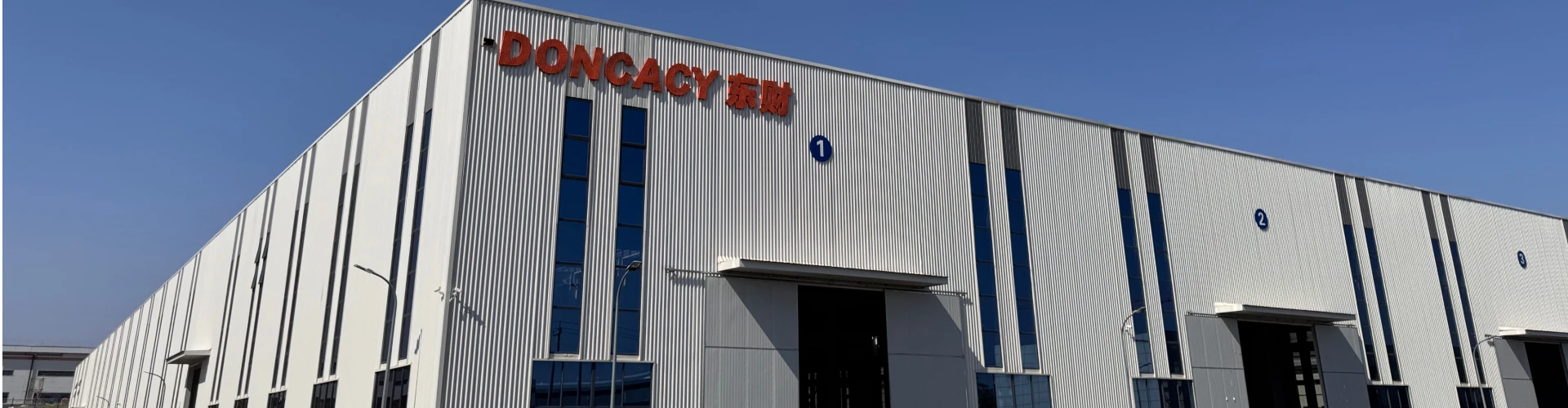
The Ups and Ins of HDPE Pipe Extrusion Machines: Why It Matters Today
At first glance, a hdpe pipe extrusion machine might sound like just another industrial gadget, but dig a little deeper and you’ll find it plays a quiet yet crucial role in shaping modern infrastructure worldwide. From water supply networks to gas distribution and protective conduits, these machines churn out pipes that keep civilizations running smoothly. The need to understand their potential, efficiency, and future has never been more pressing given sustainable development goals and growing urban infrastructure demands globally.
Why is this important? HDPE (High-Density Polyethylene) pipes offer incredible durability, corrosion resistance, and flexibility. Their fabrication through extrusion machines makes large-scale, cost-efficient production possible — essential for nations expanding their water access or industries seeking reliable conduit solutions. So understanding these machines is a gateway to grasping both engineering advances and humanitarian progress.
Global Context: A Growing Demand Across Continents
Look around, and infrastructure is booming — the World Bank estimates that over $94 trillion will be required globally in infrastructure investment by 2040 to meet population and climate challenges. Water and gas distribution pipes form the backbone of such development. According to the ISO, HDPE pipes produced through extrusion are increasingly favored for their sustainability credentials and reduced leakage rates versus traditional materials like steel or PVC.
However, producing these pipes at scale isn’t trivial. The extrusion process requires precision machinery to ensure consistent quality. Developing nations, in particular, face challenges in adopting and localizing these technologies, often relying on imports or outdated equipment. Hence, the global push for reliable hdpe pipe extrusion machines could unlock both economic and environmental benefits on a grand scale.
So, What Exactly Is an HDPE Pipe Extrusion Machine?
In plain terms, an hdpe pipe extrusion machine is a manufacturing device that melts and shapes raw HDPE resin pellets into pipes by forcing them through a shaped die. Think of it as a large, highly controlled pasta maker, but instead of noodles, it produces strong, dependable piping systems.
These machines are the heart of HDPE pipe manufacturing, which plays a vital role in sanitation, irrigation, and gas delivery infrastructure. The pipes themselves are lightweight, flexible, and resistant to chemicals and UV rays — making them excellent for harsh environments and long-term usage.
Core Components Explained
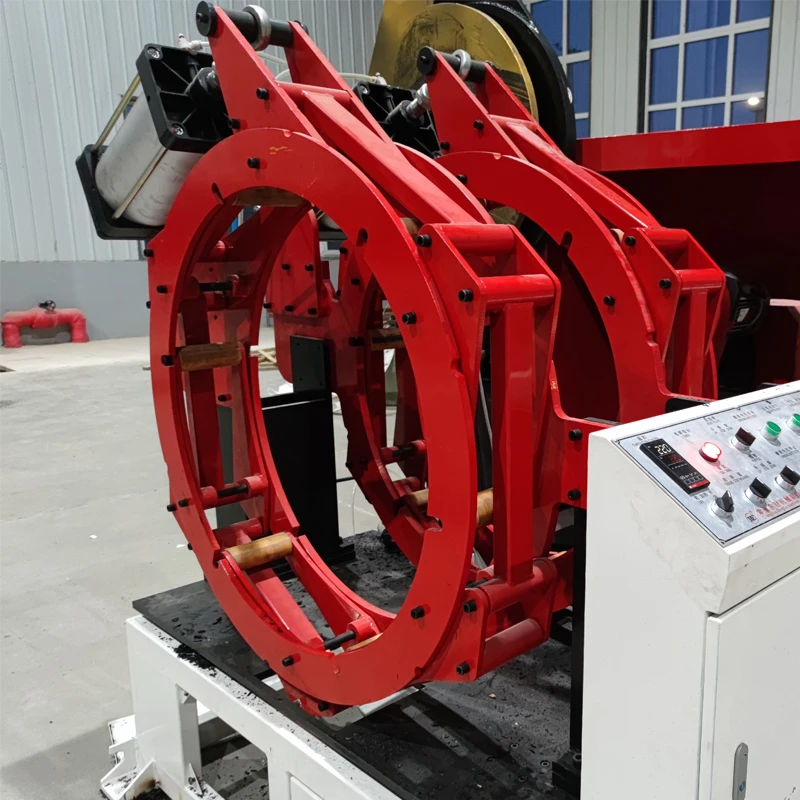
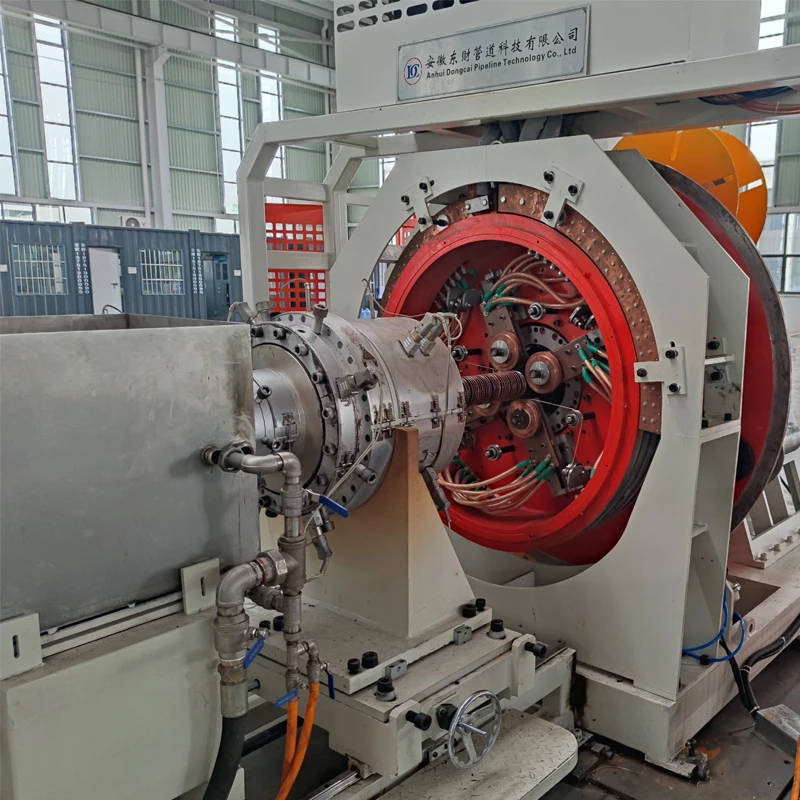
- Extruder Unit: The workhorse that melts and pushes material forward.
- Die Head: Shapes the molten HDPE into a pipe profile.
- Cooling System: Usually water baths or air cooling to solidify pipe shape quickly.
- Haul-off Unit: Pulls the pipe steadily to ensure uniform thickness and length.
- Cutter or Coiler: Ends the pipe at desired lengths or coils it for transport.
Each part needs to sync perfectly, or you risk warped, weak pipes — a disaster when you’re dealing with high-pressure gas or potable water lines.
Key Features to Consider in HDPE Pipe Extrusion Machines
Durability and Build Quality
Robust machines minimize downtime. Steel frames and corrosion-resistant components are standard for longevity, especially in dusty or humid factory conditions.
Production Capacity
Some machines can output pipes ranging from 16mm up to 1200mm diameter, catering from small irrigation projects to city-scale water mains.
Automation & Control Systems
Modern extrusion lines come with PLC controls and sensors to tweak temperature, pressure, and haul-off speed — key to achieving consistent pipe wall thickness and quality.
Energy Efficiency
With rising energy costs worldwide, machines with energy-saving motors or heat recovery systems are increasingly desired.
Customization Flexibility
Being able to produce pipes of different sizes or adding multi-layer or color features directly during extrusion can open new market niches.
Where The Rubber Meets The Road: Global Applications & Use Cases
HDPE pipes fabricated from extrusion machines are omnipresent, silently performing in sectors like:
- Municipal Water Supply: Cities in India and Brazil have embraced HDPE pipelines to reduce leakage and maintain drinking water purity.
- Agriculture: In Sub-Saharan Africa, flexible pipes help with micro-irrigation systems critical for food security.
- Oil & Gas: Corrosion-resistant pipelines in North America and Middle East ensure safer hydrocarbon transport.
- Disaster Relief: NGOs rely on quickly installed HDPE piping for sanitation installations after flooding or earthquakes.
- Telecom & Electrical: HDPE pipes protect underground cables essential to growing urban infrastructure.
In remote industrial zones, where replacement and maintenance are difficult, these pipes offer a sturdy, cost-effective solution lasting decades.
Comparing Leading HDPE Pipe Extrusion Machines
| Specification | Model A | Model B | Model C |
|---|---|---|---|
| Pipe Diameter Range | 16-630 mm | 20-800 mm | 50-1200 mm |
| Output Capacity | 120 kg/hr | 200 kg/hr | 350 kg/hr |
| Automation | Semi-automatic | Fully automatic PLC | Fully automatic + AI diagnostics |
| Energy Efficiency | Standard motor | Variable frequency drive | Eco-friendly heat recovery |
| Price Range (USD) | $30,000 - $40,000 | $50,000 - $65,000 | $85,000 - $110,000 |
Why Invest in HDPE Pipe Extrusion Technology? The Long View
The benefits are multi-layered:
- Cost-Effectiveness: Reduced leakage and maintenance equals big savings over the pipe's life.
- Sustainability: HDPE pipes are recyclable and less energy-intensive in production compared to metals.
- Durability: Resistance to corrosion and chemicals means longer service life and fewer disruptions.
- Public Health & Safety: Reliable water and sanitation access fosters dignity and well-being.
On a human level, knowing the water flowing into homes passes through robust HDPE pipes made from precision extrusion machinery adds an unseen layer of trust in our infrastructure.
Emerging Trends: What’s Next for HDPE Pipe Extrusion?
Automation is fast advancing — today’s lines can detect anomalies and self-adjust in real-time, drastically reducing waste. Then there’s the push toward using bio-based polyethylenes to reduce carbon footprints, nudged along by stricter environmental policies. IoT integration means production monitoring from remote locations is becoming standard, invaluable for factories in developing regions.
Oddly enough, producers are also experimenting with multi-layered pipes that combine different materials during extrusion to optimize strength or add UV resistance — a neat trick to customize for harsh environments right out of the gate.
Common Obstacles & How Experts Suggest Overcoming Them
Machine downtime, inconsistent raw material quality, and skilled labor shortages remain stubborn problems. Some manufacturers adopt modular machine designs for easier maintenance, while training programs for operators have stepped up, sometimes in collaboration with international tech providers.
Also, supply chain disruptions influence access to quality HDPE resin — which means extrusion machines must be flexible enough to run on varying grades. This adaptability can save projects from costly delays or compromised pipe quality.
FAQ: Your Burning Questions on HDPE Pipe Extrusion Machines
- Q1: What pipe diameters can hdpe pipe extrusion machines produce?
- A: Typically, machines can produce pipes ranging from very small diameters (~16 mm) up to large ones exceeding 1200 mm, depending on the machine model and die setup.
- Q2: How energy-consuming are these extrusion machines?
- A: Energy consumption varies by model and automation level, but modern machines often feature energy-saving motors and heat recovery to keep operational costs and environmental impact down.
- Q3: Can HDPE pipes made by these machines be recycled?
- A: Yes! HDPE pipes are highly recyclable, and waste generated during extrusion can often be reprocessed into new pipes, making the process more sustainable.
- Q4: How do automation and PLC controls improve pipe quality?
- A: Automation ensures precise control over temperature, pressure, and haul-off speed, significantly reducing human error and producing pipes with consistent wall thickness and strength.
- Q5: Are these machines suitable for small-scale or startup manufacturers?
- A: There are models catering to smaller output needs with semi-automatic controls, but for best ROI, matching machine capacity with production goals is essential.
Wrapping Up: Why This Matters And What’s Next
The hdpe pipe extrusion machine is more than an industrial necessity; it’s a linchpin of modern infrastructure projects that literally help sustain life—clean water, safe gas, protected cables. Investing time in understanding, choosing, and innovating these machines benefits engineers, communities, and the planet. As technology evolves and global demands rise, staying informed will pay dividends for decades to come.
Curious about upgrading your production line or entering the HDPE pipe market? Visit us at https://www.ahdc11.com — let’s get pipes flowing smoothly, together.
References
-
High Efficiency PE Extrusion Line Guide for Plastic ManufacturingNewsApr.16,2026
-
High Speed Steel Wire Mesh HDPE Composite Pipe Production Line - Anhui Dongchai|High Automation&Energy EfficiencyNewsApr.13,2026
-
High Speed Steel Wire Mesh HDPE Composite Pipe Production Line - Anhui Dongchai|High Automation&Energy EfficiencyNewsApr.13,2026
-
Guide to Choosing High Efficiency ppr pipe extrusion machineNewsApr.09,2026
-
Comprehensive Guide to Modern Pipe Production Line Technologies and OptimizationNewsApr.07,2026
-
Choosing the Right Extrusion Pipe Machine for Optimal Plastic Pipe ProductionNewsApr.04,2026
-
Comprehensive Guide to PPR Pipe Extrusion Line Technology and ApplicationsNewsMar.31,2026


