
The Essential Role of PPR Pipe Production Line in Modern Infrastructure
If you've ever considered how clean water travels through cities, or why urban plumbing has gotten so efficient over the last few decades, chances are you've brushed up against the world of ppr pipe production line. These specialized production lines manufacture PPR (Polypropylene Random Copolymer) pipes — the backbone of modern plumbing, heating, and industrial piping systems that rely on durability, efficiency, and safety. Understanding this isn’t just a matter of industrial curiosity; it’s a peek into the global dance of materials science, manufacturing ingenuity, and sustainable development.
Worldwide, the demand for safe and affordable piping solutions is surging. According to UN Water, roughly 2.2 billion people lack access to safely managed drinking water services even today. Efficient production of PPR pipes can directly support improved water infrastructure, offering long-term value where it’s needed the most.
Mini takeaway: The ppr pipe production line is not just about making pipes; it’s about building the infrastructure that supports life, industry, and growth globally.
Why Global Industries Rely on Advanced PPR Pipe Production Lines
Globally, we’re witnessing rapid urbanization and industrialization, especially in Asia-Pacific, the Middle East, and parts of Africa. The World Bank estimates that the global urban population will reach 68.4% by 2050 — meaning more pipes, more durable and cost-effective pipelines. That’s where automated and scalable ppr pipe production lines come into play.
Modern manufacturing demands are higher than ever: faster production speeds, precision, and materials that last decades without corrosion or contamination. Plus, governments and industries face rising regulatory pressures about sustainable production and reduction of carbon footprints. Traditional piping materials, like metal or PVC, can’t always keep up with these requirements. Polypropylene random copolymer pipes, produced on dedicated lines, strike that balance of strength, flexibility, and eco-friendliness.
Mini takeaway: These production lines aren’t just a niche factory component; they respond to real challenges from environmental demands, urban growth, and regulatory compliance worldwide.
What Exactly Is a PPR Pipe Production Line?
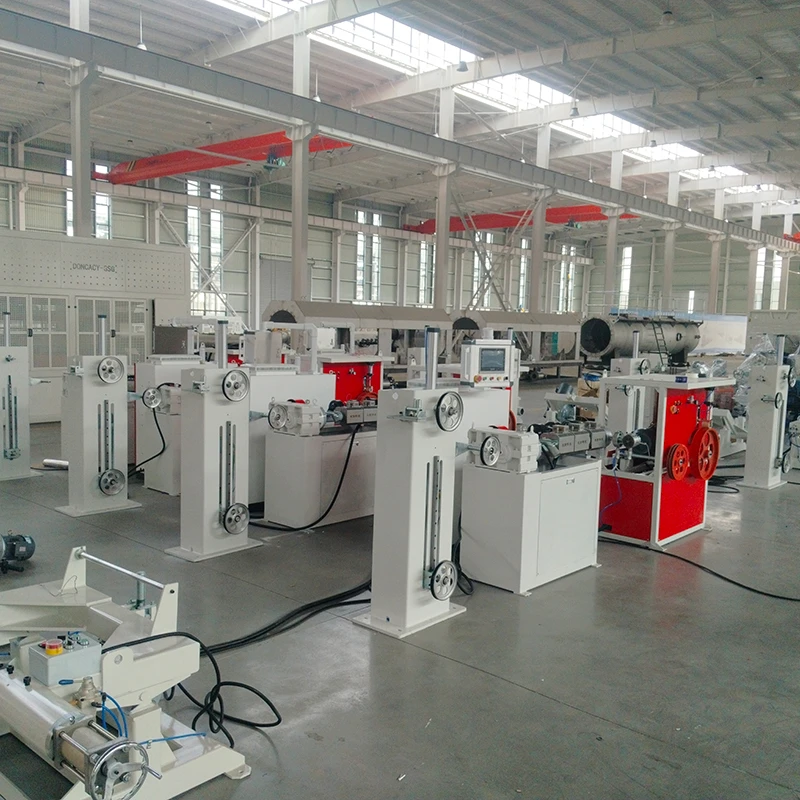
The term sounds technical, but the idea is pretty straightforward. A ppr pipe production line is a collection of machines designed to manufacture PPR pipes continuously and automatically. It typically includes:
- Extruders that melt and shape polypropylene pellets.
- Calibration units that cool and size the pipes precisely.
- Cutting devices that cut the pipes into desired lengths.
- Stackers or packaging sections for transport-ready products.
It’s essentially a production highway where raw polymer transforms into resilient pipes ready to carry drinking water, hot water, or chemical fluids. Their impact reaches both industrial settings and humanitarian efforts — think improved water supply in remote areas or safer heating solutions in temperature-sensitive climates.
Mini takeaway: The ppr pipe production line is where raw plastic meets engineering precision to create vital infrastructure products.
Core Components That Define a Good PPR Pipe Production Line
Durability & Material Quality
PPR pipes are valued for resisting chemical corrosion and heat. The production line must handle polymers without degrading their molecular structure. Many manufacturers use co-extrusion technology to add barrier layers — improving lifespan and resistance.
Production Speed & Scalability
Depending on demand, production lines can run at speeds between 5 to 20 meters per minute. Modern lines include multiple extruders to produce different pipe diameters on the fly, allowing quick product changes for various markets.
Energy Efficiency
Energy consumption in plastics manufacturing is always a concern. Newer lines employ servo motor technologies and optimized heating systems to reduce kilowatt-hours per ton of pipe produced — making plants greener and more cost-effective.
Automation and Digital Controls
Operators often control the entire line through integrated PLC (Programmable Logic Controller) systems with touchscreen interfaces. Real-time data monitoring ensures quality and reduces waste — a big plus in keeping costs down.
Customization Capability
Some lines allow piping manufacturers to produce multi-layered or reinforced pipes to meet specialized needs, such as enhanced thermal insulation or extra impact resistance.
Mini takeaway: These production lines blend material science, engineering, and technology to deliver pipes that meet exacting industry demands.
| Parameter | Specification |
|---|---|
| Pipe Outer Diameter | 20mm–110mm |
| Production Speed | 5–15 m/min |
| Power Consumption | 45–60 kW |
| Automation Level | Semi to Full Automatic |
| Calibration Range | ±0.1 mm |
Real-World Applications and Regional Demand
Across Asia, from China to India and Southeast Asia, manufacturers heavily invest in ppr pipe production lines as governments upgrade municipal water systems. In Europe, where sustainability is a big focus, these pipes replace older materials to cut plastic waste and boost recyclability. Even NGOs turn to PPR solutions in disaster zones to create temporary water distribution networks thanks to their easy installation and durability.
Here are some specific use cases:
- Post-disaster relief: Quickly deployable water pipelines in flood-affected areas.
- Industrial sites: Chemical-resistant piping in factories, refineries, and plants.
- Residential construction: Clean and hot water supply in apartments and new housing projects.
- Agriculture: Irrigation systems needing durable, UV-resistant conduits.
Oddly enough, the versatility of these pipes means you’ll find them in luxury apartments and rugged construction projects alike. That’s the beauty of a solid production line — it meets diverse demands at scale.
Mini takeaway: Different regions and industries find varied but vital uses for PPR pipes — showing how versatile the production line needs to be.
The Advantages and Long-Term Value of a PPR Pipe Production Line
From financial perspectives to social benefits — the production of PPR pipes offers multiple layers of value:
- Cost-efficiency: Durable pipes reduce maintenance and replacement costs, saving governments and industries millions.
- Safety & Health: Non-toxic, BPA-free pipes ensure water quality for millions of people.
- Environmental impact: Many lines use recyclable materials and focus on reducing energy usage during production.
- Social trust: Reliable infrastructure builds confidence in public services, which — honestly — is sometimes undervalued.
- Innovation: Integration of IoT sensors is emerging, enabling predictive maintenance along pipelines.
So yes, this is more than plastic extrusion: it’s building trust and innovation into everyday essentials.
Mini takeaway: PPR pipes made on well-designed lines combine economic, environmental, and societal benefits — triple win.
What’s Next? Trends Shaping PPR Pipe Production Lines
Technology and sustainability continue to push these lines forward:
- Green manufacturing: Automation paired with energy monitoring platforms to cut down carbon footprints.
- Smart pipes: Embedding sensors that communicate pipe health and flow rates in real-time.
- New materials: Enhanced composites for higher temperature tolerance and flexibility.
- Customization technology: 3D printing-inspired tech allows manufacturers to experiment with pipe shapes and wall thicknesses.
Adoption of AI for process optimization, too, isn’t far off. Despite the industry’s tradition roots, it’s catching up fast. Even clients — especially in Europe and North America — want transparent sourcing and social compliance, nudging manufacturers to innovate faster.
Mini takeaway: The future of ppr pipe production line is digital, green, smart, and customizable — driven by end-user demands and policy goals.
Challenges in PPR Pipe Production and How Industry is Tackling Them
Practical realities exist. For example:
- Material contamination: Polymer batches must be perfectly clean to avoid weak pipes.
- High energy costs: Despite efficiency upgrades, heating and extrusion consume significant power.
- Skill gaps: Operating and maintaining high-tech lines demands skilled technicians, sometimes scarce in developing regions.
Innovative R&D teams focus on:
- Advanced filtration and pellet quality checks.
- Energy recovery systems during extrusion.
- Comprehensive operator training and remote diagnostics.
Addressing these head-on shows industry resilience — you can’t keep a good production line down.
Mini takeaway: Challenges persist, but solutions like advanced QC, training, and tech upgrades keep the ppr pipe sector on track.
FAQ: Common Questions About PPR Pipe Production Line
Q: What types of pipes can a typical PPR pipe production line manufacture?A: Most lines produce single-layer PPR pipes ranging from 20mm to 110mm in diameter, used for water supply and heating systems. Some advanced lines can manufacture multi-layer or composite pipes with improved performance characteristics.
Q: How energy-efficient are modern PPR pipe production lines?
A: Modern lines integrate servo motors and optimized heaters reducing energy consumption by 15–30% compared to older models. Many also include real-time monitoring to minimize waste and consumption during idle times.
Q: Can these production lines be customized based on regional needs?
A: Absolutely. Depending on local market demands, manufacturers can modify speed, diameter range, and automation levels. Many suppliers work closely with customers to design tailored solutions.
Q: What kind of maintenance does a typical production line require?
A: Routine maintenance includes lubrication of moving parts, calibration of sensors, and cleaning of extruders. Scheduled inspections and occasional replacement of heating elements are also standard.
Q: How can NGOs access PPR pipe production technologies for humanitarian projects?
A: NGOs often partner with manufacturers or import ready-made pipes, but some engage manufacturers offering training and leasing programs. Contacting suppliers such as those listed on ppr pipe production line portals can help connect directly with producers.
Vendor Comparison: Leading PPR Pipe Production Line Suppliers
| Vendor | Automation | Energy Efficiency | Custom Diameter Range | Customer Support |
|---|---|---|---|---|
| TechPipe Solutions | Full Automation | High (Servo Motors) | 20–160mm | 24/7 Remote Support |
| GreenTub Manufacturing | Semi-Automatic | Moderate | 20–110mm | Local On-Site Teams |
| PipeLine Tech Corp | Full Automation | High | 25–125mm | Comprehensive Training Programs |
Wrapping Up: Why the PPR Pipe Production Line Matters More Than Ever
It's fascinating how something as humble as a ppr pipe production line quietly supports billions of lives—bringing water, heating, and industrial fluids to where they’re needed, often under the radar. Investing in efficient production processes means better infrastructure, healthier communities, and greener industry. As trends lean towards smart manufacturing and sustainability, there’s never been a better time to explore, understand, and optimize these lines.
To dive deeper into equipment, technical specs, or consult with experts, be sure to visit ppr pipe production line. They offer a wealth of resources and connections to the best suppliers globally.
After all, when it comes to infrastructure, every detail counts — even the pipes you rarely see.
References
-
High Efficiency PE Extrusion Line Guide for Plastic ManufacturingNewsApr.16,2026
-
Guide to Choosing High Efficiency ppr pipe extrusion machineNewsApr.09,2026
-
Comprehensive Guide to Modern Pipe Production Line Technologies and OptimizationNewsApr.07,2026
-
Choosing the Right Extrusion Pipe Machine for Optimal Plastic Pipe ProductionNewsApr.04,2026
-
Comprehensive Guide to PPR Pipe Extrusion Line Technology and ApplicationsNewsMar.31,2026
-
Understanding the Functionality and Applications of a Pipe Extruder SystemNewsMar.28,2026
-
Comprehensive Guide to Pipe Extrusion Machine Technology and ApplicationsNewsMar.26,2026


