
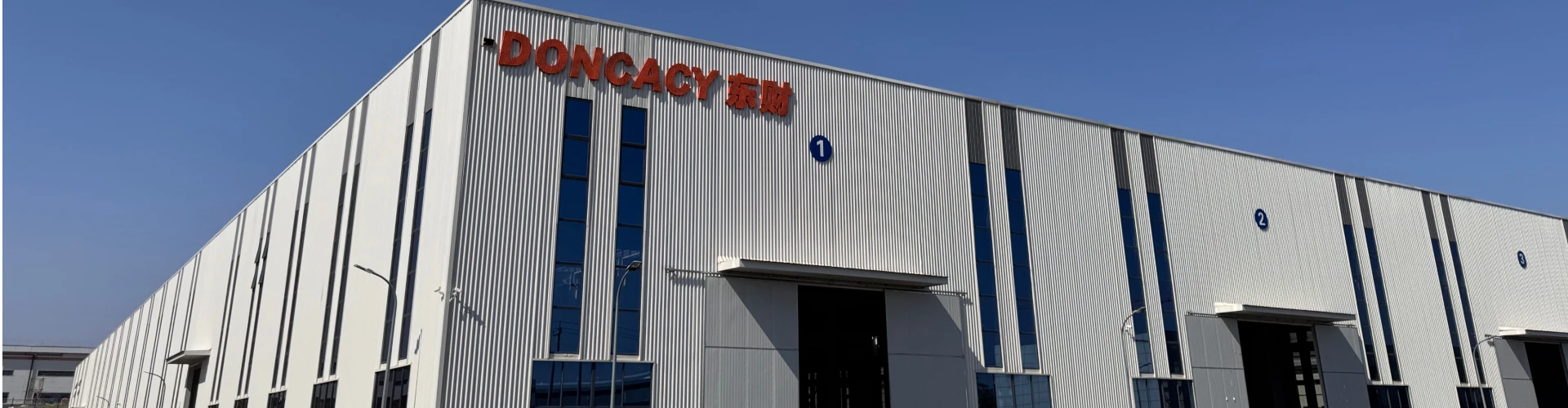
Understanding the Tube Production Line and Its Global Importance
At first glance, a tube production line might sound like just another piece of industrial jargon. But consider that tubes and pipes are the very veins of modern infrastructure — from the water you drink to the oil that fuels economies, from medical devices to renewable energy tech. This process isn't only about mass production but about shaping reliability, safety, and innovation on a global scale.
With the rise of urbanization and the pressing need for sustainable infrastructure, understanding the nuances of tube production becomes more than just an industry issue—it’s a vital piece in the puzzle of future-ready economies worldwide.
The Global Context: Why Tube Production Lines Matter Now More Than Ever
According to the International Organization for Standardization (ISO), the demand for seamless and durable tubing has surged by nearly 30% in the past decade, driven largely by sectors like construction, oil and gas, automotive, and healthcare. The World Bank also notes that infrastructure investments in emerging markets are catalyzing a boom in tube manufacturing capacity, especially in regions like Southeast Asia and Latin America.
However, this growth isn’t without challenges: meeting stringent quality standards, ensuring environmental compliance, and adapting to digitization remain top concerns. Tube production lines are evolving to address these, but the industry still grapples with inefficiencies and waste, which can throw a wrench into timely delivery and sustainability goals.
Defining the Tube Production Line: More Than Just a Factory Setup
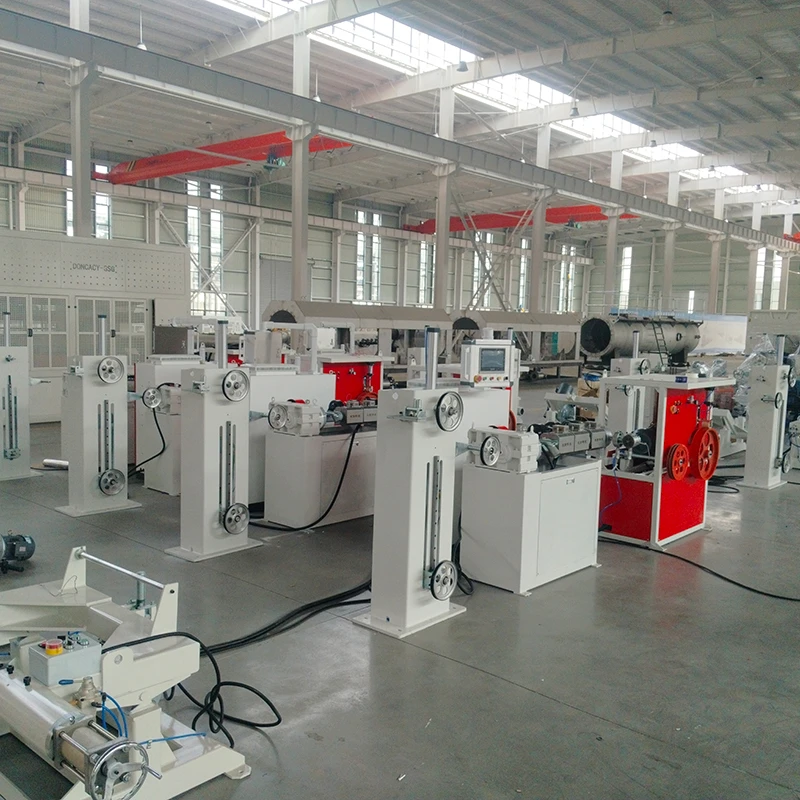
Simply put, a tube production line is an integrated sequence of machines and processes designed to produce tubes or pipes from raw materials like steel, aluminum, or plastics. It encompasses everything from forming, welding, shaping, cutting, to finishing—all coordinated to deliver consistent, high-quality tubes at scale.
What’s interesting is that these lines aren’t just factory staples—they are essential links in humanitarian efforts such as water sanitation systems in developing countries or medical tubing for life-saving equipment. In that sense, their impact stretches far beyond the factory walls.
Core Components of a Tube Production Line
1. Durability
Durability is critical; the tubes must withstand pressure, weather, and chemical exposure depending on their use. Many engineers focus on metallurgy and heat treatments during production to enhance this.
2. Scalability
In practical terms, scalability means a production line can easily ramp up or tailor outputs without compromising quality. This flexibility is crucial when orders fluctuate or specialized tubes are needed.
3. Cost Efficiency
With raw material prices always in flux, optimizing energy consumption and minimizing waste during the tube-making process is vital to stay competitive.
4. Precision & Quality Control
Automated sensors and real-time testing (e.g., ultrasonic) help detect flaws early, avoiding costly recalls. Industry 4.0 technologies increasingly play a role here.
5. Customization Capabilities
From diameter to wall thickness, the ability to customize tubes quickly adds value—especially for niche industrial requirements.
How Tube Production Lines Serve Industries Around the Globe
From the vast construction sites of the Middle East to high-tech manufacturing hubs in Germany, tube production lines underpin many critical industries:
- Energy Sector: In oil, gas, and increasingly, renewable wind turbines.
- Healthcare: Delivering sterile, precise tubing for medical devices and hospital infrastructure.
- Water & Sanitation: Providing durable piping systems crucial for reliable public water supply.
- Transportation: Automotive exhausts, aircraft hydraulic lines, and more.
For example, after the 2015 Nepal earthquake, rapidly deployed tube-based water pipelines helped restore clean water in remote villages—proving that a reliable tube production line is often a silent hero in disaster relief.
Advantages and Long-Term Value of Modern Tube Production Lines
Cost? Sure, that's important. But beyond savings on materials and energy—which can be 15-20% better than older setups—the impact is also emotional and societal.
Reliable tubes mean safe water, reduced contamination risk, and infrastructure resilience. For communities and businesses, that reliability builds trust. For manufacturers, it inspires innovation and promotes sustainability goals.
In short, a well-optimized tube production line isn’t just about steel and machinery; it’s about safety, dignity, and progress.
What’s Next? Innovations Shaping the Future of Tube Production
The future is looking shiny—sometimes literally. Innovations like carbon-fiber reinforced tubing and additive manufacturing are beginning to complement traditional lines, bringing lighter, stronger, and more versatile products.
Automation and AI-driven quality control mean fewer human errors and more predictive maintenance, reducing downtime.
On the sustainability front, manufacturers invest in energy-efficient ovens and explore greener lubricants. Some have adopted circular economies, recycling metal scrap back into the production stream, aligning with global carbon reduction commitments.
Common Challenges and Smart Solutions
Tube production can be energy-intensive, and raw material supply volatile. Plus, upskilling a workforce to operate complex lines is no small feat. But many are countering these through partnerships with tech providers, investing in continuous training, and retrofitting older lines with modern sensors.
Another challenge? Ensuring compliance across different countries—especially with export regulations. Here, modular and adaptable production lines come in handy, allowing manufacturers to tweak outputs to meet various standards seamlessly.
Product Specification Table: Typical Tube Production Line Features
| Feature | Description | Typical Range |
|---|---|---|
| Tube Diameter | Internal diameter of tubes produced | 6 mm – 1000 mm |
| Production Speed | Output rate of finished tubes | 5 – 60 m/min |
| Material Compatibility | Types of metals/plastics processed | Steel, Aluminum, PVC, Copper |
| Welding Technology | Joining method applied on tubes | High-frequency, Laser, TIG |
| Automation Level | Degree of line mechanization | Manual to Fully Automated |
Comparing Leading Vendors of Tube Production Lines
| Vendor | Specialty | Customization Options | Approx. Lead Time | Global Reach |
|---|---|---|---|---|
| SteelFlow Inc. | Heavy steel tube lines | High: Diameter, wall thickness | 12-16 weeks | Europe, Americas, Asia |
| AluPipe Solutions | Lightweight aluminum tubes | Medium: Alloy types, automation | 10-14 weeks | Global |
| EcoLine Manufacturing | Sustainable, low-energy lines | High: Energy-saving tech, sensors | 14-18 weeks | Europe, North America |
| Global Tube Tech | Modular & compact lines | Medium: Portable and quick install | 8-12 weeks | Asia, Africa |
FAQ: Common Questions About Tube Production Lines
Q: What are the main benefits of automating a tube production line?
A: Automation increases production accuracy, reduces human error, and improves throughput. It also enables real-time monitoring for quality control and predictive maintenance, minimizing downtime. Though the initial investment can be high, long-term savings and product consistency typically justify the cost.
Q: How do manufacturers ensure tubes meet international standards?
A: Compliance is ensured through rigorous testing processes—including dimensional checks, tensile tests, and non-destructive testing like ultrasonic scanning—combined with ISO and ASTM certifications. Many tube production lines integrate these tests inline, allowing continuous quality assurance.
Q: Can tube production lines handle different materials without major adjustments?
A: Modern lines are designed with flexibility in mind, often accommodating a range of metals and plastics. However, switching materials may require recalibration or changing tooling parts depending on thickness and properties. Efficient design minimizes downtime during changeovers.
Q: Are there environmentally friendly options for tube production lines?
A: Yes, some manufacturers focus on energy-efficient ovens, waste scrap recycling, and use of green lubricants. Additionally, automation reduces material waste, and some lines include closed-cycle water cooling to minimize environmental impact.
Q: How quickly can a new tube production line be installed and start operating?
A: Installation time varies by complexity but typically ranges from 8 to 18 weeks. Modular designs and vendor support can shorten this. Adequate operator training during this period is also crucial for smooth startup.
Wrap-Up: Why the Tube Production Line Is a Critical Manufacturing Backbone
It feels almost ironic how something as seemingly mundane as a tube can have such a ripple effect—from supporting water infrastructure in rural communities to underpinning billion-dollar industrial projects.
Investing in a cutting-edge tube production line means embracing quality, adaptability, and sustainability. It’s a commitment not just to the bottom line, but to innovation that carries real-world impact.
Whether you're an industrialist or part of a humanitarian project, it pays dividends to explore modern tube production systems—because the pipes you make today shape the world tomorrow.
For more details and tailored solutions, feel free to visit our website: https://www.ahdc11.com
References
-
High Efficiency PE Extrusion Line Guide for Plastic ManufacturingNewsApr.16,2026
-
High Speed Steel Wire Mesh HDPE Composite Pipe Production Line - Anhui Dongchai|High Automation&Energy EfficiencyNewsApr.13,2026
-
High Speed Steel Wire Mesh HDPE Composite Pipe Production Line - Anhui Dongchai|High Automation&Energy EfficiencyNewsApr.13,2026
-
Guide to Choosing High Efficiency ppr pipe extrusion machineNewsApr.09,2026
-
Comprehensive Guide to Modern Pipe Production Line Technologies and OptimizationNewsApr.07,2026
-
Choosing the Right Extrusion Pipe Machine for Optimal Plastic Pipe ProductionNewsApr.04,2026
-
Comprehensive Guide to PPR Pipe Extrusion Line Technology and ApplicationsNewsMar.31,2026


