
Understanding the Steel Pipe Production Line: Why It Matters Today
Steel pipes may seem like humble building blocks, but their production lines are the heartbeats of some of the world’s most critical industries. From infrastructure and oil pipelines to urban plumbing and construction, the steel pipe production line powers global economies in ways many don't realize. In a world increasingly dependent on resilient infrastructure, grasping how these lines operate not only helps industries optimize costs and efficiency but also supports sustainability — a genuinely global challenge.
Even in emerging markets, the surge in infrastructure projects has pushed demand for steel pipe production lines, which in turn fuels innovation and accelerates safer, faster manufacturing methods. It's like the invisible web holding up billions of tons of industry and everyday convenience. So why care about this complex machinery? Because better steel pipe lines mean safer structures, less waste, and ultimately, more reliable and sustainable supply chains.
Steel Pipe Production Line in a Global Context
Looking at numbers from institutions like World Bank and ISO, steel remains one of the world’s most produced commodities, with over 1.8 billion tons annually. Within that, the manufacture of steel pipes and tubes represents a significant share, propelling industries such as petroleum, construction, energy, and more.
But with demand surging, manufacturers face a twin challenge: how to boost output without sacrificing quality or environmental responsibility? Enter the steel pipe production line: a finely tuned orchestration of machinery, control systems, and raw materials, designed to churn out pipes that precisely meet standards needed for critical applications — all while adapting to more sustainable production methods.
For example, the global steel pipe production market is projected to grow at around 5% per year, fueled by urbanization and emerging energy projects in Asia and the Middle East. But this growth also flags issues like resource use, emissions, and supply chain bottlenecks that modern production lines must address.
Mini takeaway:
- The steel pipe production line is a key catalyst in global industrial growth but faces substantial pressure to innovate sustainably.
Defining the Steel Pipe Production Line
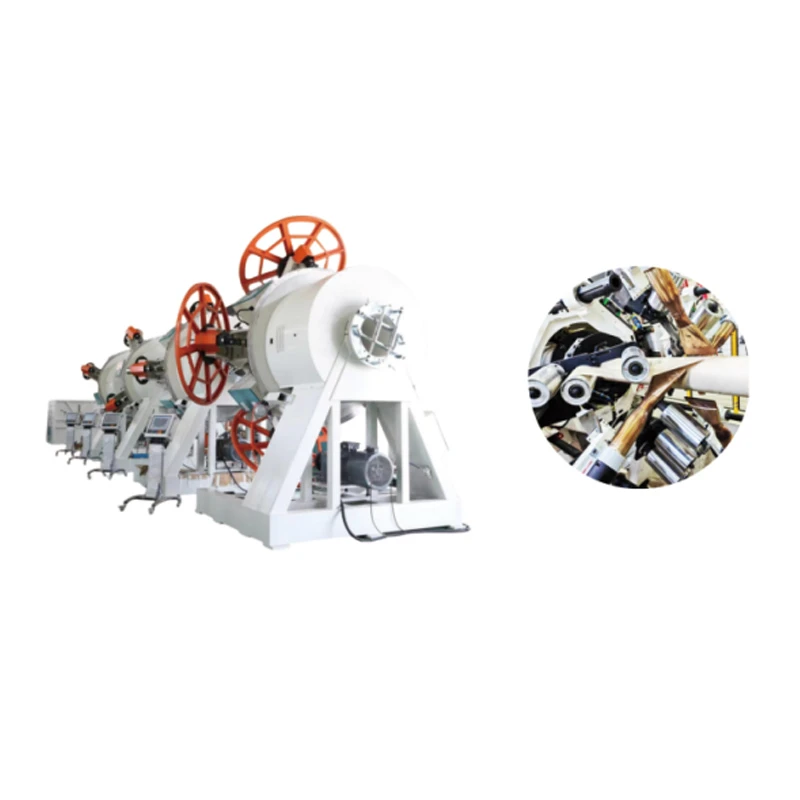
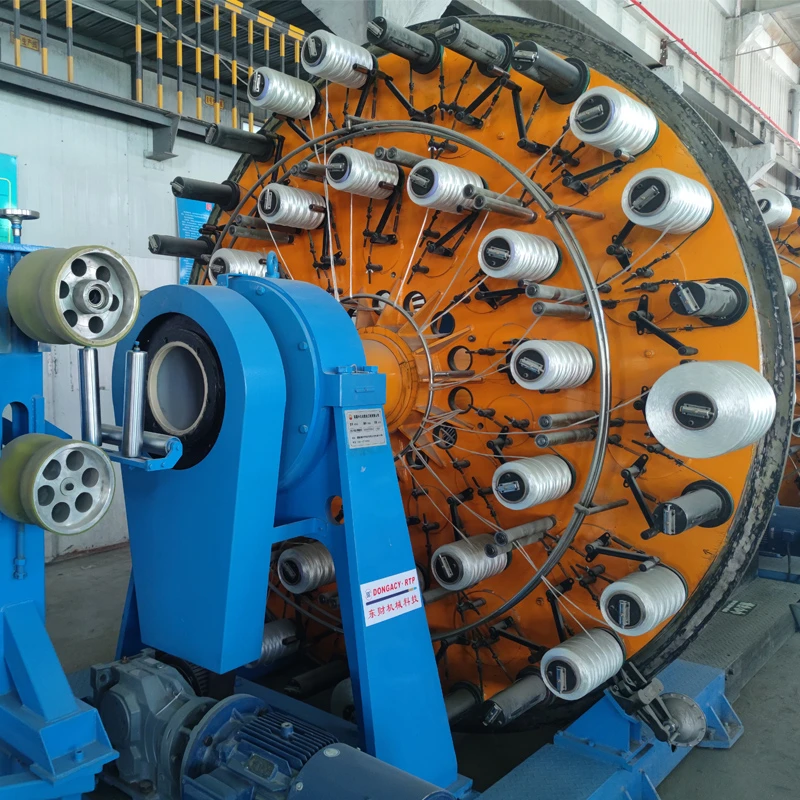
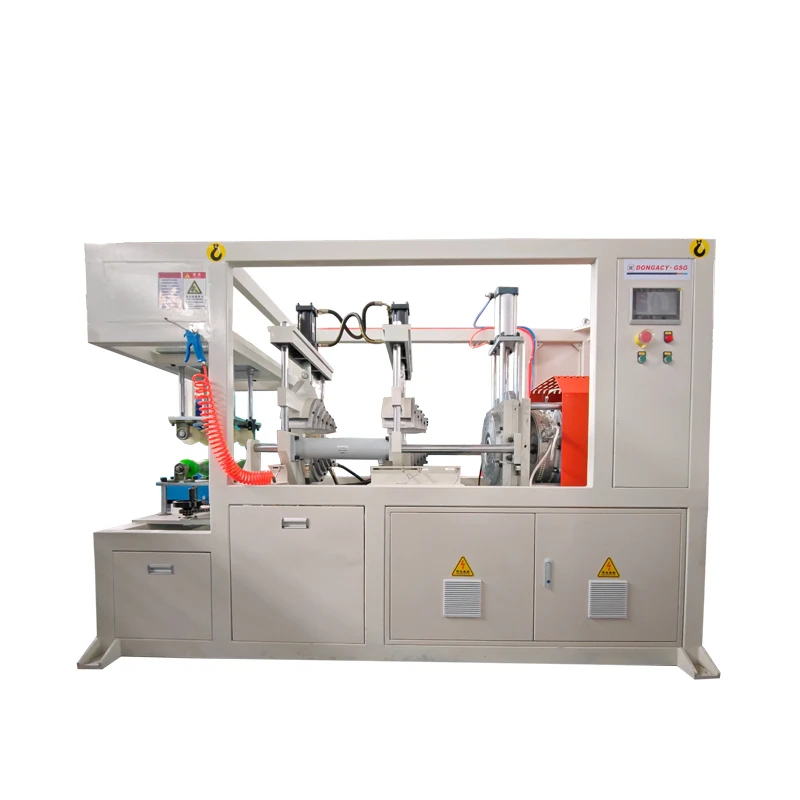
Simply put, a steel pipe production line refers to the integrated sequence of equipment and processes used to transform steel raw materials into finished steel pipes. This encompasses everything from unwinding steel coils, forming, welding, sizing, heat treatment, to inspection and cutting. Think of it as the factory’s bloodstream — continuously moving steel through stages to shape essential components.
In modern industry, this line is not just about turning out pipes. It connects deeply with humanitarian needs, such as building reliable water supply systems or gas pipelines for emergency relief zones, where quality and speed are vital. The flexibility and precision of production lines enable manufacturers to tailor pipes for these diverse, sometimes life-saving applications.
Mini takeaway:
- A steel pipe production line is a complex yet essential process chain that transforms raw steel into versatile pipe solutions for industry and humanitarian use.
Key Components and Features of Effective Steel Pipe Production Lines
1. Durability and Quality Control
Robustness starts with the machinery itself and extends into the welding methods and heat treatment processes. Many engineers swear by continuous non-destructive testing (NDT) integrated right into the line for real-time quality checks. It ensures each pipe meets safety and longevity standards, especially for high-pressure applications like oil transport.
2. Scalability and Flexibility
Steel pipe needs vary from micro-scale precision tubes for automotive use to massive conduits carrying crude oil across continents. Production lines capable of quick format changes or adjustable speeds help manufacturers meet diverse demands without costly downtime. Sometimes, engineers integrate modular units that can be added or removed swiftly.
3. Cost Efficiency Through Automation
Automation isn’t just a buzzword here. Reducing manual labor while improving consistency lowers production costs and increases output volume. Sophisticated controls with AI-assisted monitoring are increasingly common to anticipate maintenance needs, thereby avoiding unexpected stoppages.
4. Energy and Resource Efficiency
With sustainability becoming non-negotiable, newer production lines embed energy recovery systems, optimized heating cycles, and raw material recycling to reduce carbon footprints. This means greener steel pipes without compromising performance — a bit of a balancing act.
5. Integration With Digital Systems
From PLCs (Programmable Logic Controllers) to IoT sensors, digital integration lets operators oversee the entire process remotely, analyze data for improvements, and ensure traceability — crucial for regulatory compliance and customer trust.
Mini takeaway:
- Effective steel pipe production lines combine durable equipment, adaptability, automation, and sustainability — enabling quality, cost-effective pipes.
Global Applications and Real-World Examples
Steel pipes made from these production lines underpin everything from giant hydroelectric dam projects in South America to water network upgrades in urban Asia. The Middle East’s surge in natural gas infrastructure depends heavily on pipelines fabricated on advanced production lines capable of meeting strict international standards.
Humanitarian operations also rely on these pipes. For instance, in post-disaster zones like after earthquakes or floods, quickly laying water or gas pipes stands between chaos and recovery. A few NGOs have partnered with manufacturers to deploy fast, modular pipeline sections produced on efficient steel pipe lines — a practical blend of technical prowess and social impact.
Regionally, Asia-Pacific dominates demand due to rapid industrialization, while Europe focuses on upgrading aging infrastructure, thus demanding both high-tech innovation and sustainable production methods in steel pipe manufacturing.
Mini takeaway:
- Steel pipe production lines fuel diverse applications worldwide—from energy megaprojects to urgent humanitarian relief—demonstrating their vast importance.
Advantages and Long-Term Value of Steel Pipe Production Lines
The immediate benefits are obvious: faster production, consistent quality, lower costs per unit. But on a deeper level, efficient steel pipe production lines foster reliability in critical infrastructure which protects communities and enables economic growth. There’s an undeniable emotional relief in knowing water lines won’t leak or oil pipelines won't fail.
Moreover, these lines can reduce waste through improved process control and recycling measures, aligning manufacturing with sustainable development goals (SDGs). This means future generations inherit safer environments alongside modern infrastructure.
Future Trends & Innovations in Steel Pipe Production
Oddly enough, what excites many in the sector right now isn’t just bigger machines but smarter ones. Advanced sensors and AI-driven analytics are transforming production lines into self-optimizing systems. Combined with 3D printing prototypes for tooling and augmented reality for training machine operators, the future feels both high-tech and hands-on.
Materials science also enters the fray—with new steel alloys enhancing corrosion resistance or lighter pipes reducing installation costs. Plus, green energy integration using solar or regenerative power assists in shrinking the carbon footprint of production facilities.
Challenges and Solutions Facing the Industry Today
Despite all progress, challenges remain. Raw material price volatility, regulatory hurdles across countries, and supply chain disruptions can halt even the most efficient lines. Skilled labor shortages also threaten continuous operation.
Innovative solutions, such as predictive maintenance powered by IoT, flexible modular line designs for easier reconfiguration, and partnerships to secure raw materials, help mitigate these risks. Manufacturers increasingly collaborate with technology providers to embed resilience throughout the supply chain.
Frequently Asked Questions About Steel Pipe Production Lines
- Q1: How does automation improve steel pipe production efficiency?
- A1: Automation in steel pipe production reduces human error, accelerates production speed, and enhances consistency. Systems like AI-driven monitoring predict maintenance needs, minimizing downtime and improving overall output quality.
- Q2: What factors determine the cost of a steel pipe production line?
- A2: Costs depend on capacity, automation level, technology sophistication (like NDT integration), energy efficiency features, and customization. Larger, fully automated lines with advanced control systems naturally cost more but offer better ROI.
- Q3: Can steel pipe production lines be adapted for different pipe sizes or materials?
- A3: Yes. Modern lines are often modular with adjustable tooling to handle varying diameters and thicknesses. Some can switch between carbon steel, stainless steel, or alloyed pipe production, depending on equipment capability.
- Q4: What are the main sustainability benefits of modern production lines?
- A4: Reduced energy consumption, recycling of scrap steel, lower waste from precise forming and cutting processes, and integration with green energy sources all lower the environmental footprint of steel pipe production.
- Q5: How important is quality control in these production lines?
- A5: Vital. Steel pipes often operate under high pressure or harsh environments. In-line quality control, including ultrasonic and magnetic testing (NDT methods), ensures pipes meet strict standards, avoiding catastrophic failures later.
Product Specification Table
| Specification | Typical Value | Notes |
|---|---|---|
| Production Capacity | 50-200 tons/day | Varies by model and automation level |
| Pipe Diameter Range | 20–1420 mm | Includes both small & large scale pipes |
| Material Compatibility | Carbon steel, stainless steel | Additional alloys optional |
| Automation Level | Semi to Fully Automated | Includes AI-assisted monitoring |
| Energy Consumption | 500-800 kWh/ton steel | Dependent on energy recovery technologies |
Vendor Comparison Table
| Vendor | Capacity | Automation | Sustainability Features | Price Range |
|---|---|---|---|---|
| AlphaSteel Machines | 100 tons/day | Fully Automated with AI | Energy recovery, waste recycling | $2M - $3.5M |
| GlobalPipe Systems | 50-150 tons/day | Semi-Automated | Recyclable tooling, low emissions | $1.5M - $2.8M |
| EcoSteel Fabricators | 75 tons/day | Fully Automated | Solar-powered, carbon-neutral focus | $2.2M - $3.2M |
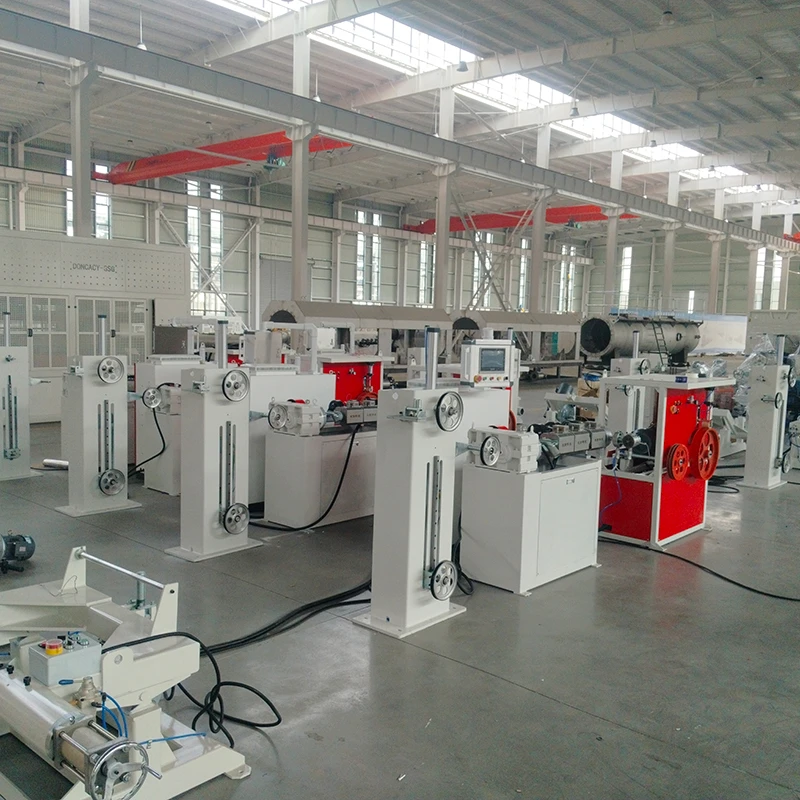
I could go on and on about how pivotal these production lines are — and frankly, many engineers I’ve met say understanding and investing in them correctly can transform a company’s future. It’s not just about pipes; it’s about designing the backbone of modern living. For those curious to see something practical, I’d recommend visiting steel pipe production line setups, which showcase the blend of tradition and innovation beautifully.
To wrap up, the steel pipe production line is a marvel in industrial engineering and sustainability balancing acts. With advances in automation and materials, the next decade promises even smarter, greener, and more adaptable pipelines—fundamentally shaping how we build and live.
References
For more insights and options, please visit our website.
-
High Efficiency PE Extrusion Line Guide for Plastic ManufacturingNewsApr.16,2026
-
High Speed Steel Wire Mesh HDPE Composite Pipe Production Line - Anhui Dongchai|High Automation&Energy EfficiencyNewsApr.13,2026
-
High Speed Steel Wire Mesh HDPE Composite Pipe Production Line - Anhui Dongchai|High Automation&Energy EfficiencyNewsApr.13,2026
-
Guide to Choosing High Efficiency ppr pipe extrusion machineNewsApr.09,2026
-
Comprehensive Guide to Modern Pipe Production Line Technologies and OptimizationNewsApr.07,2026
-
Choosing the Right Extrusion Pipe Machine for Optimal Plastic Pipe ProductionNewsApr.04,2026
-
Comprehensive Guide to PPR Pipe Extrusion Line Technology and ApplicationsNewsMar.31,2026


