
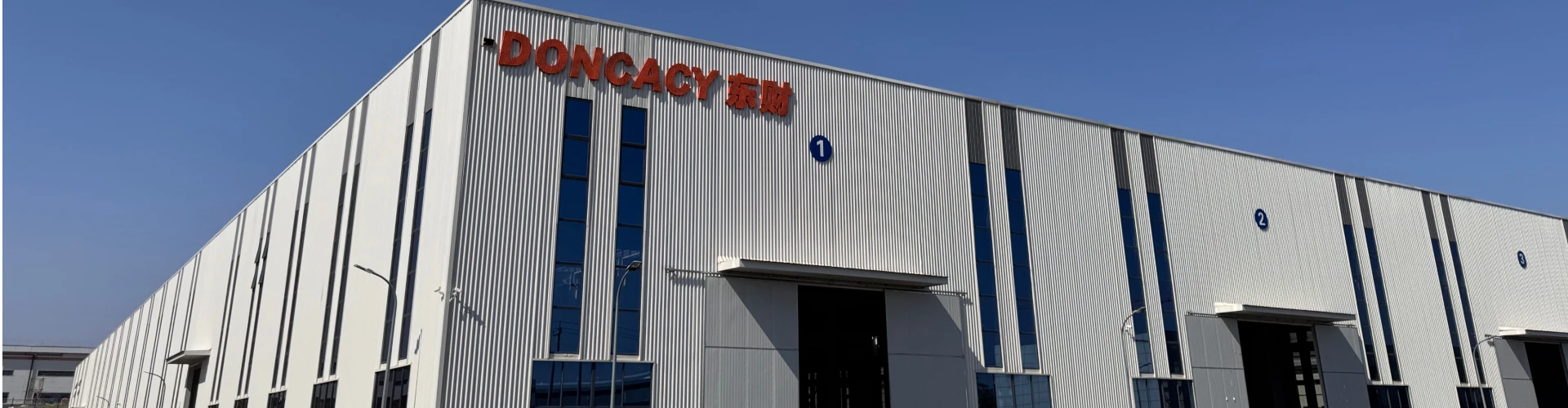
Understanding the Tube Mill Line: A Backbone of Modern Industry
When you think about the sturdy steel tubes supporting bridges, pipelines transporting resources, or frames in automotive factories—chances are they’ve been crafted on a tube mill line. This technology, although often working quietly behind the scenes, is fundamental to global manufacturing and infrastructure. Grasping what a tube mill line does and its far-reaching benefits sheds light on a fascinating segment of the industrial world that affects everything from clean water delivery to disaster relief housing.
Oddly enough, the machinery that shapes essential metal tubes isn’t just about industrial might; it also represents progress in sustainability, innovation, and global supply chains. Whether you are an engineer, buyer, or curious mind, understanding the tube mill line opens the door to appreciating how connectivity and resilience are built worldwide.
The Global Role of Tube Mill Lines in Industry and Infrastructure
Globally, the demand for steel tubes is significant — used in oil & gas, construction, automotive, and even agriculture. According to the World Steel Association, the steel tube market has grown steadily at around 3–5% annually over the past decade. A big chunk of this growth is powered by advanced tube mill lines that deliver precise, efficient, and cost-effective production.
The UN's Sustainable Development Goals (SDGs) emphasize infrastructure development and industrial innovation — two areas where tube mill lines hold considerable influence. Yet, despite this importance, many regions still face challenges meeting infrastructure needs due to cost, logistics, or outdated technology.
Tube mill lines address these issues by enhancing production speed and quality while reducing waste and energy consumption. They enable local businesses to compete on a global scale and supply critical materials for everything from water pipelines in Africa to fire safety systems in Asia.
What Exactly Is a Tube Mill Line?
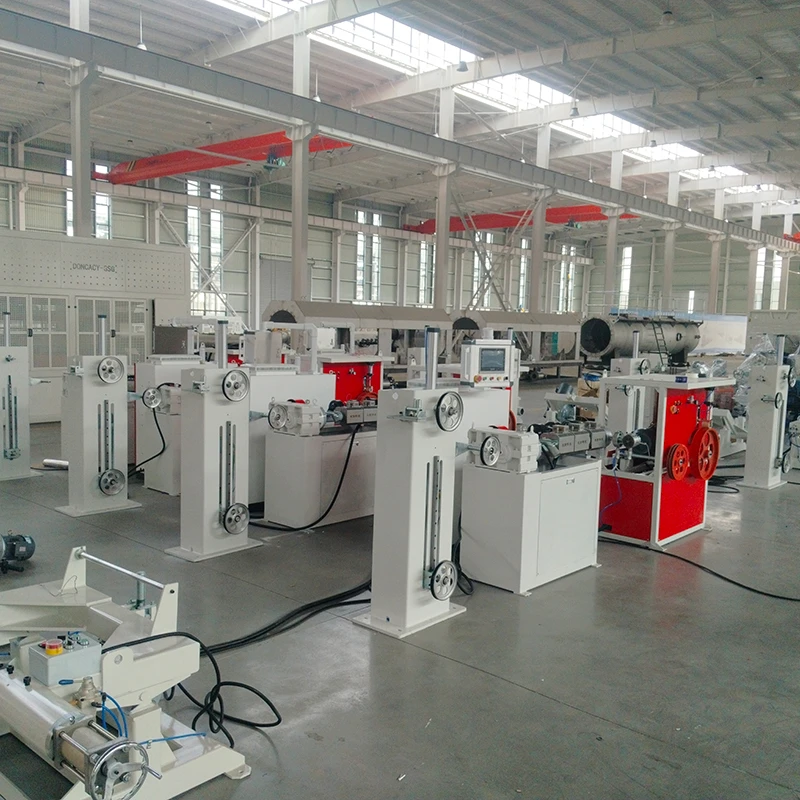
Simply put, a tube mill line is an integrated manufacturing system that processes raw steel strips or coils and transforms them into finished tubes or pipes. Starting with strip feeding, the line bends, welds, sizes, and cuts the steel into seamless or welded tubes of varying diameters and thicknesses.
Today’s tube mill lines are often highly automated, incorporating precision sensors, advanced welding tech, and computer controls. This means they're not just machines but complex production ecosystems that ensure quality, safety, and efficiency at scale.
Interestingly, this technology also ties closely to humanitarian needs — reliable steel tubes are vital for temporary shelter frameworks, energy infrastructure in disaster-prone areas, and rapidly deployable water systems. So, the tube mill line isn’t just metal; it’s a lifeline.
Key Components of a Tube Mill Line
1. Durability and Material Versatility
The heart of any tube mill line is its ability to process various steel grades from carbon steel to stainless and alloyed variants. Durability means the tubes can withstand extreme climates, pressures, and environments.
2. Precision and Quality Control
Integrated sensors check weld seams, tube diameter, roundness, and surface finish continuously. It’s this precision that keeps tubes safe for structural and fluid transport applications.
3. Scalability and Output Speed
From small batches to high-volume production, a tube mill line can adapt—making it useful for startups and established manufacturers alike.
4. Energy Efficiency and Sustainability
Modern tube mill lines incorporate energy-saving drives and recycling systems that help the entire process meet ISO 50001 energy management standards.
5. Automation and Digital Integration
With automation, the lines reduce human error and downtime. Digital controls can link to broader factory management systems, enabling real-time adjustments and predictive maintenance.
Mini Takeaway
The tube mill line is more than steel shaping; it’s a carefully orchestrated system leveraging precision, durability, and sustainability to fuel countless industries worldwide.
Where Are Tube Mill Lines Making the Biggest Impact?
- Construction and Infrastructure: In developing countries, reliable steel tubes are essential for bridge supports, water supply lines, and housing frameworks.
- Energy Sector: Oil, gas, and renewable energy projects rely on precise piping systems produced by tube mill lines. For example, the Middle East’s booming energy markets depend heavily on this technology.
- Automotive Industry: Automotive frames and exhausts use custom steel tubes, tailored by these production lines.
- Disaster Relief and Humanitarian Aid: Temporary shelters and water distribution networks benefit directly from fast and cost-efficient tube production — a less obvious but crucial application.
If you’re curious about real-world applications, check out the tube mill line setups serving industrial parks in Southeast Asia. Their impact spans commercial growth and improved community resilience.
Mini Takeaway
Whether supporting metropolitan skyscrapers or life-saving water pipes in remote regions, tube mill lines are quietly enabling progress everywhere.
What Advantages Make Tube Mill Lines a Smart Investment?
- Cost Efficiency: Automated lines reduce labor costs and material waste significantly.
- Reliability and Safety: Consistent weld quality means safer pipes under pressure.
- Sustainability: Lower energy consumption and recyclable scrap steel make production greener.
- Customization: Flexibility to produce diverse tube sizes for multiple industries.
- Social Impact: By shortening supply chains, local tube production supports jobs and local economies.
Many engineers say purchasing a modern tube mill line is not just about machines—it's about trading stagnation for innovation and growth. It feels like investing in the future of steel-based infrastructure.
Technical Specifications Overview
| Specification | Typical Range | Notes |
|---|---|---|
| Tube Outer Diameter | 20mm – 250mm | Adjustable via roll set changer |
| Wall Thickness | 1mm – 10mm | Material-dependent |
| Production Speed | 15 – 60 m/min | Higher speeds for smaller sizes |
| Welding Type | High-frequency, laser (optional) | Depends on tube specs |
| Automation Level | Semi to Full | Integrated digital controls |
Comparing Leading Tube Mill Line Vendors
| Vendor | Production Capacity | Technologies | Energy Efficiency | Customization Options |
|---|---|---|---|---|
| MillTech Solutions | Up to 50 m/min | High-frequency weld, AI quality checks | ISO 50001 certified | Wide size range |
| SteelLine Innovators | Up to 60 m/min | Laser weld option, IoT monitoring | Moderate | Highly modular systems |
| Global Tubing Co. | Up to 40 m/min | Traditional weld, manual QC | Low | Standard projects only |
Looking Ahead: The Future of Tube Mill Lines
Automation continues to reshape tube mill lines with artificial intelligence and IoT sensors providing real-time defect analysis and predictive maintenance schedules. I noticed companies are testing greener energy integrations — solar-powered lines, waste-heat recovery, and electrification of drives — which align with global carbon reduction targets.
Material innovation also has a role to play. Advances in high-strength, lightweight steel alloys mean tube mill lines must adapt to process more complex materials, useful for electric vehicles and aerospace. The digital transformation trend means lines will become smarter, safer, and more sustainable.
Challenges Engineers and Operators Face
Despite all the progress, challenges remain. Many smaller manufacturers struggle with the upfront capital costs and technical know-how to operate sophisticated tube mill lines. In developing countries, inconsistent power supply and raw material quality can hamper production goals.
Experts recommend modular and scalable lines that can be expanded gradually and partnerships with vendors offering on-site training and support. Remote diagnostics and cloud-based control solutions are also increasingly important — especially in today's pandemic-influenced supply chain world.
Frequently Asked Questions About Tube Mill Lines
- What is the difference between a tube mill line and a pipe mill line?
- Tube mill lines typically produce precision tubes with smaller diameters and tighter tolerances, often for structural or tubing applications. Pipe mill lines generally produce larger-diameter pipes primarily used for fluid transport, such as oil or water. The machinery and processes overlap but differ in scale and specifications.
- How long does it take to set up a tube mill line?
- Setup times vary based on line complexity but generally take between 3 to 6 months for installation, calibration, and operator training. Rapid deployment models exist but usually suit smaller diameter production or less automated lines.
- Can tube mill lines handle recycled steel input?
- Yes, provided the recycled steel conforms to necessary purity and grade standards. Many modern tube mill lines incorporate quality scanners to detect contaminants and adjust process parameters accordingly.
- Is automation critical for modern tube mill lines?
- Increasingly so. Automation improves consistency, reduces labor needs, and integrates with digital factory systems. However, semi-automated lines remain in demand where costs or skill levels are limiting factors.
- How do tube mill line manufacturers support international customers?
- Most leading vendors offer installation support, training, remote diagnostics, and spare parts management internationally. Due diligence on vendor reputation and local after-sales service is key to a smooth experience.
Conclusion: Why Tube Mill Lines Matter More Than Ever
In an age where infrastructure drives economic growth and sustainable solutions are paramount, tube mill lines stand as unsung heroes. They blend precision engineering, automation, and smart manufacturing to produce the steel tubes that scaffold modern life—literally and figuratively.
If you're considering advancing your operations with a new tube mill line or just want to learn more, visit our website at https://www.ahdc11.com. It’s the first step toward tapping into decades of innovation and a future that’s as strong as the tubes themselves.
Final Mini Takeaway
Tube mill lines are not just machines; they’re enablers of global industry and progress — and that’s pretty exciting when you think about it.
References & Further Reading
-
High Efficiency PE Extrusion Line Guide for Plastic ManufacturingNewsApr.16,2026
-
Guide to Choosing High Efficiency ppr pipe extrusion machineNewsApr.09,2026
-
Comprehensive Guide to Modern Pipe Production Line Technologies and OptimizationNewsApr.07,2026
-
Choosing the Right Extrusion Pipe Machine for Optimal Plastic Pipe ProductionNewsApr.04,2026
-
Comprehensive Guide to PPR Pipe Extrusion Line Technology and ApplicationsNewsMar.31,2026
-
Understanding the Functionality and Applications of a Pipe Extruder SystemNewsMar.28,2026
-
Comprehensive Guide to Pipe Extrusion Machine Technology and ApplicationsNewsMar.26,2026


