
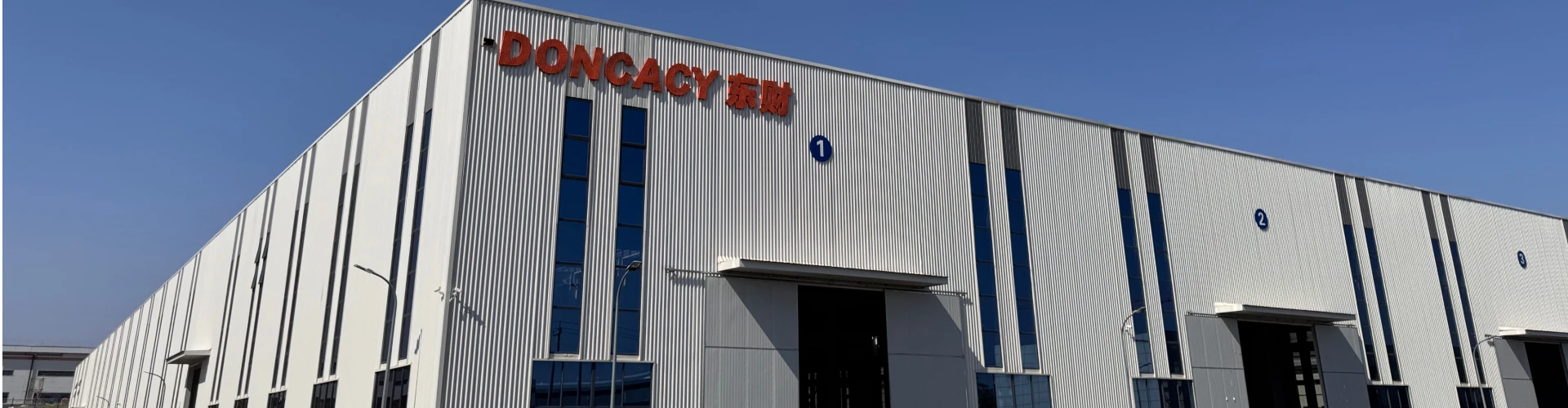
Understanding PE Pipe Production Line: A Gateway to Modern Infrastructure
If you’ve ever wondered how those long, sturdy plastic pipes making up much of our water, gas, or irrigation systems come to life, the answer lies in the PE pipe production line. These industrial setups churn out polyethylene pipes that have quietly transformed infrastructure worldwide—offering durability, flexibility, and ease of installation. As demand for sustainable and resilient piping grows, mastering what drives these production lines matters globally.
While pipes might not sound glamorous, the story behind their manufacture touches on economics, environmental concerns, and humanitarian efforts, reaching from remote villages to sprawling urban centers.
Global Context: Why PE Pipe Production Lines Matter More Than Ever
Globally, infrastructure development and maintenance represent a massive share of public and private investments. According to the United Nations’ Sustainable Development Goal 6, ensuring availability and sustainable management of water and sanitation is critical. That’s where PE pipe production lines come in, contributing massively to plumbing, irrigation, and gas distribution networks.
Data from the International Organization for Standardization (ISO) shows polyethylene (PE) pipes now account for over 60% of plastic pipe usage worldwide, largely due to their reliability and environmental friendliness.
However, challenges loom: many regions lack the local machinery to produce these pipes, relying on imports that hike costs and delay projects. Plus, inefficient or outdated production lines struggle to meet rising quality standards and output demands.
Understanding PE pipe production lines — the complex dance of extrusion, cooling, cutting, and punching — is essential to overcoming these challenges and scaling infrastructure affordably and sustainably.
What Exactly Is a PE Pipe Production Line?
Put simply, a PE pipe production line is a collection of machinery designed to manufacture polyethylene pipes from raw plastic materials. Polyethylene—a versatile thermoplastic polymer—is melted, extruded through molds, cooled, calibrated, and finally cut into specified lengths for various uses.
These lines come equipped with subsections for compounding the PE resin with additives, extruding the pipe, quality testing, and packaging. What fascinates many is how these lines manage high speeds without sacrificing pipe quality, largely thanks to precise temperature controls and synchronized systems.
Fundamentally, a PE pipe production line supports industries ranging from urban water supply to rural agriculture and disaster relief — wherever durable, flexible piping is critical.
Key Components Determining Quality and Performance
1. Extrusion System
The heart of the production line—where raw pellets become molten plastic and shaped pipes. Many modern lines feature twin-screw extruders allowing consistent melting and blending of materials.
2. Calibration & Cooling Tank
After extrusion, pipes enter a calibration tank where vacuum pressure and cooled water stabilize their shape and size. This matters for tight dimensional tolerances (think seamless fittings).
3. Haul-Off Unit
This mechanism pulls the pipe gently but steadily, ensuring the product doesn’t deform as it cools and hardens.
4. Cutting & Stacking
Pipes are cut into lengths based on customer needs and stacked or coiled for transport. Sometimes, an online testing station — checking thickness, ovality, or pressure limits — is integrated here.
5. Control System
Modern production lines rely on smart PLC controls that monitor temperatures, speeds, and pressures, allowing operators to fine-tune the process in real time.
In practical terms, these factors translate directly to pipe life expectancy, leak resistance, and installation ease — the real criteria end users care about.
Real-World Applications Across Continents
- Urban Water Supply: Cities across Asia and South America increasingly rely on PE pipes for underground networks, reducing leaks compared to traditional metal pipes.
- Agricultural Irrigation: In arid African regions, flexible PE piping enables efficient drip irrigation, conserving water while boosting crop yields.
- Gas Transmission: Europe’s emphasis on safety sees a surge in certified PE gas pipes for domestic and industrial uses.
- Disaster Relief: In post-tsunami or flood-hit areas, quickly deploying PE piping ensures rapid restoration of clean water and sanitation.
Oddly enough, the adaptability of PE pipes—produced via these lines—means they’re also popular in emerging industries such as geothermal energy and even temporary oilfield operations.
Advantages and Long-Term Value Drivers
- Cost Efficiency: PE pipes require less maintenance, cutting long-term expenses significantly.
- Environmental Sustainability: Lightweight production reduces shipping emissions; certain lines even recycle scrap back into the process.
- Reliability: High resistance to corrosion and chemical erosion extends pipe lifespan beyond 50 years.
- Social Impact: Safe, leak-free pipes protect communities from contamination and foster dignity.
- Innovation-Enabled: The production line’s modularity allows quick changes to pipe size or type—perfect for custom projects.
Overall, choosing a high-quality PE pipe production line is an investment in resilience and trustworthiness of infrastructure — something engineers never take lightly.
Product Specification Table: Typical PE Pipe Production Line
| Parameter | Specification | Remarks |
|---|---|---|
| Pipe Diameter Range | 16mm – 630mm | Varies by die head |
| Production Speed | 5 – 30 m/min | Dependent on pipe size |
| Extruder Power | 55 – 110 kW | Twin-screw preferred |
| Control System | PLC with HMI | Touchscreen interface |
| Power Supply | 380V, 50Hz, 3 Phase | Standard industrial supply |
Comparing Leading PE Pipe Production Line Vendors
| Vendor | Product Range | Automation Level | After-Sales Support | Price Range (USD) |
|---|---|---|---|---|
| Acme Plastics Machinery | 16–500mm pipes | Semi-automatic | Global 24/7 service | $120K – $350K |
| GlobalPipe Solutions | 20–630mm pipes | Fully automatic | Regional hubs | $200K – $500K |
| EcoLine Machines | 16–400mm pipes | Manual to semi-automatic | Strong regional presence | $90K – $280K |
Emerging Trends and Innovations in PE Pipe Production
Emerging technologies continually reshape the PE pipe production line landscape. For example, automation powered by AI and IoT helps operators detect faults early, minimizing defects and waste. Smart sensors monitor extrusion temperature and pipe thickness instantaneously, cutting down human error.
Another hot topic is sustainability. Some manufacturers integrate recycled PE plastics into the feeding system, reducing environmental impact without compromising pipe strength. There’s also growing interest in bioplastics and PE blends that are biodegradable or have better UV resistance.
And then there’s the digital shift: 3D modeling of pipe profiles, virtual training simulators for staff, and even blockchain for supply chain transparency. While not standard yet, these innovations hint that PE pipe production might look quite different in the next decade.
Challenges Facing PE Pipe Production and Potential Solutions
Despite advances, certain challenges stay persistent. Raw material price volatility often disrupts cost planning. Small manufacturers may lag in automation due to upfront expenses. Also, training operators to manage these semi-complex lines is an ongoing concern.
Experts suggest partnering with OEMs who offer modular equipment and robust training packages as a way to ease the learning curve. Additionally, leveraging pe pipe production line suppliers who provide integrated testing and quality assurance can prevent costly product recalls and warranty claims.
Frequently Asked Questions About PE Pipe Production Lines
- What materials are typically used in PE pipe production lines?
- Primarily high-density polyethylene (HDPE) resins, often blended with stabilizers, UV protectants, and colorants to meet performance demands.
- How customizable are PE pipe production lines?
- Very customizable. Lines can be tuned for pipe diameters from 16mm to more than 630mm, with optional systems for coiling, marking, or online testing depending on client needs.
- Can these lines run recycled plastic material?
- Yes, but it requires careful compounding and filtration to prevent clogging. Many modern lines incorporate recycling units to improve sustainability.
- What are the typical maintenance requirements?
- Regular calibration, lubrication, and temperature control system checks are essential. Most manufacturers recommend scheduled downtime for thorough inspection once a year.
- How do I choose the right production line vendor?
- Consider factors like pipe size range, automation level, after-sales support, and ability to meet your local standards. A site visit or pilot run is often invaluable.
Wrapping Up: Why Investing in PE Pipe Production Lines Pays Off
Ultimately, the PE pipe production line is more than an assembly of machines; it’s a smart investment into public health, environmental stewardship, and economic development. By enabling efficient, safe, and customizable pipe manufacturing, these lines underpin projects that last decades and impact millions.
So, if you’re thinking of scaling up your production or entering the piping industry, diving deeper into the pe pipe production line details is worthwhile. After all, modern infrastructure demands modern solutions.
Care to explore more or get hands-on with the latest lines? Visit our website to see models, specs, and support offers that could boost your business.
1. United Nations Sustainable Development Goals, Goal 6 – Clean Water and Sanitation, https://sdgs.un.org/goals/goal6
2. ISO/TC 138 – Plastics Pipes, Fittings and Valves for the Delivery of Fluids, https://www.iso.org/committee/53598.html
3. Wikipedia contributors, "Polyethylene pipe", https://en.wikipedia.org/wiki/Polyethylene_pipe
-
High Efficiency PE Extrusion Line Guide for Plastic ManufacturingNewsApr.16,2026
-
High Speed Steel Wire Mesh HDPE Composite Pipe Production Line - Anhui Dongchai|High Automation&Energy EfficiencyNewsApr.13,2026
-
High Speed Steel Wire Mesh HDPE Composite Pipe Production Line - Anhui Dongchai|High Automation&Energy EfficiencyNewsApr.13,2026
-
Guide to Choosing High Efficiency ppr pipe extrusion machineNewsApr.09,2026
-
Comprehensive Guide to Modern Pipe Production Line Technologies and OptimizationNewsApr.07,2026
-
Choosing the Right Extrusion Pipe Machine for Optimal Plastic Pipe ProductionNewsApr.04,2026
-
Comprehensive Guide to PPR Pipe Extrusion Line Technology and ApplicationsNewsMar.31,2026


