
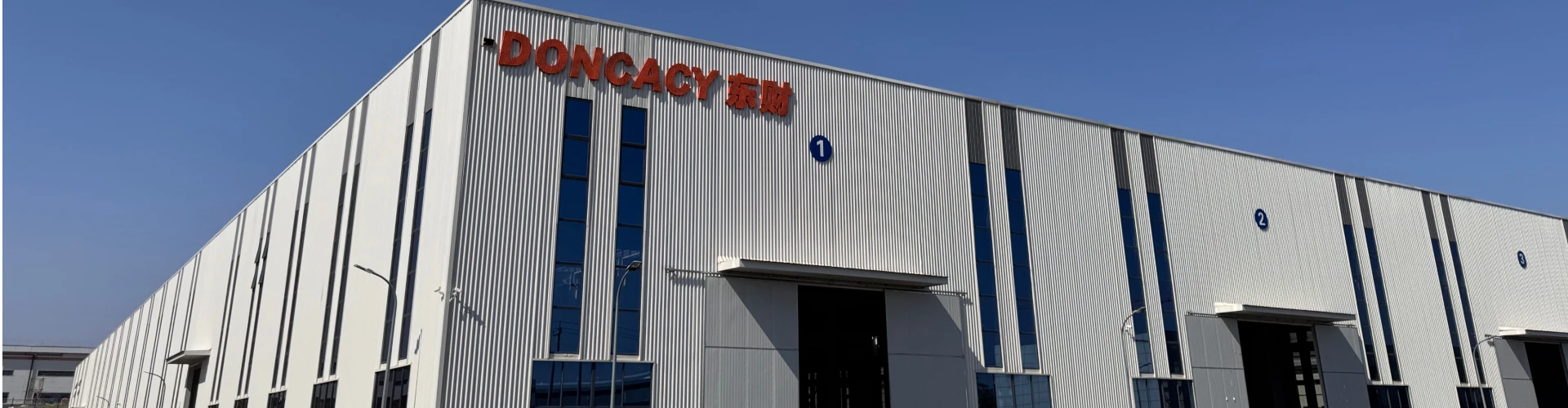
Understanding PVC Pipe Extrusion Machine Manufacturers: A Global Industrial Perspective
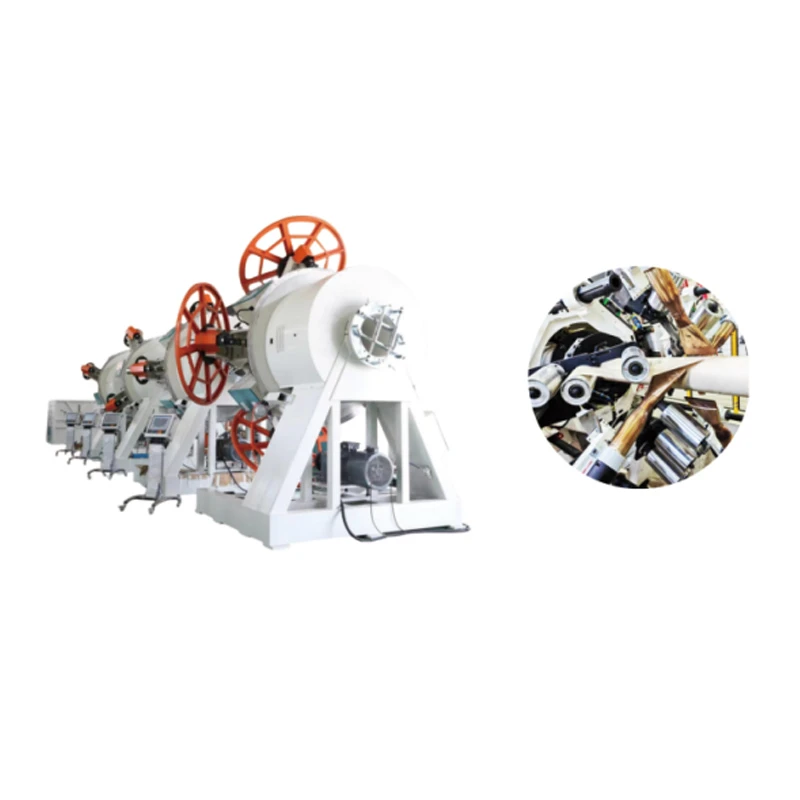
PVC pipe extrusion machine manufacturers play an essential role in the manufacturing supply chain, shaping the infrastructure that supports water supply, agriculture, and construction globally. These machines are the workhorses behind manufacturing durable and cost-effective PVC pipes, vital for everything from potable water systems to irrigation networks. Understanding the industry behind these manufacturers isn’t just for engineers—it's crucial for anyone invested in global development, manufacturing innovation, or sustainable industrial practices.
Global Context: Why PVC Pipe Extrusion Machines Matter
Globally, PVC piping systems have become a backbone for infrastructure development. According to the International Trade Centre, the global PVC pipe market size was valued at several billion USD and is expected to grow owing to rising urbanization and infrastructure investment, especially in Asia and Africa. Yet supply chain disruptions and technological gaps remain challenges. Manufacturers of PVC pipe extrusion machines answer a pressing need: efficient, scalable equipment capable of producing pipes that meet stringent quality standards.
It’s a complex market forced to innovate rapidly, especially with rising environmental regulations worldwide (see ISO standards on plastics).
PVC pipe extrusion machine manufacturers are not just machine builders but drivers of modernization in plastic processing and industrial automation.
What Are PVC Pipe Extrusion Machine Manufacturers?
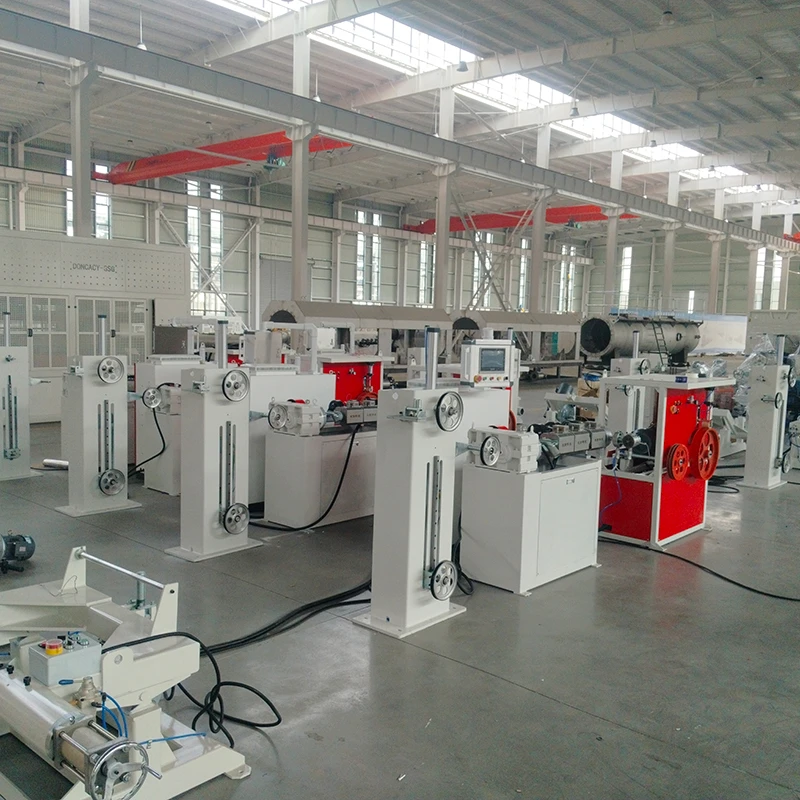
Put simply, these manufacturers design, build, and supply machines that extrude molten PVC through dies to form pipes of varying diameters and thicknesses. The process requires precision engineering and deep knowledge of polymer behavior. PVC pipe extrusion machine makers serve industries ranging from construction to automotive, aligning with modern demands for durability, environmental safety, and cost efficiency.
In humanitarian contexts—for example, disaster relief water systems—reliable PVC pipe manufacturing equipment allows for quick local production, enhancing responsiveness and sustainability.
Core Components of PVC Pipe Extrusion Machines
1. Durability and Build Quality
Given that extrusion machines operate continuously under high temperatures and pressure, they require components made from wear-resistant alloys and robust mechanical designs. Manufacturers emphasize frame rigidity and corrosion-resistant parts to maximize uptime and minimize maintenance.
2. Scalability and Output Range
Leading manufacturers offer a spectrum from small-scale lab machines to industrial lines capable of producing large-diameter pipes for municipal use. Scalability allows flexibility in addressing both niche applications and mass production needs.
3. Automation and Precision Controls
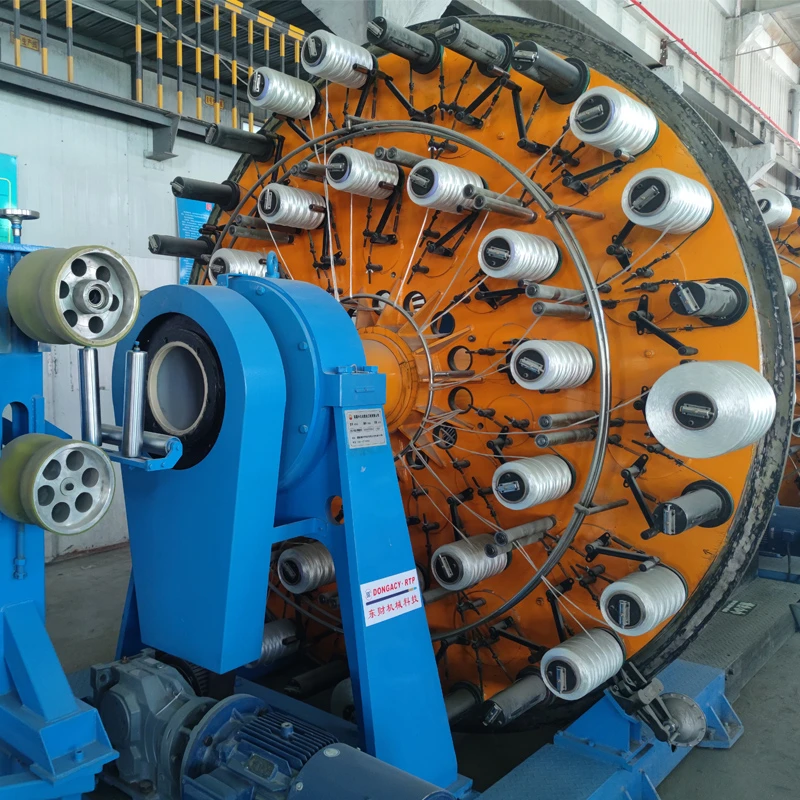
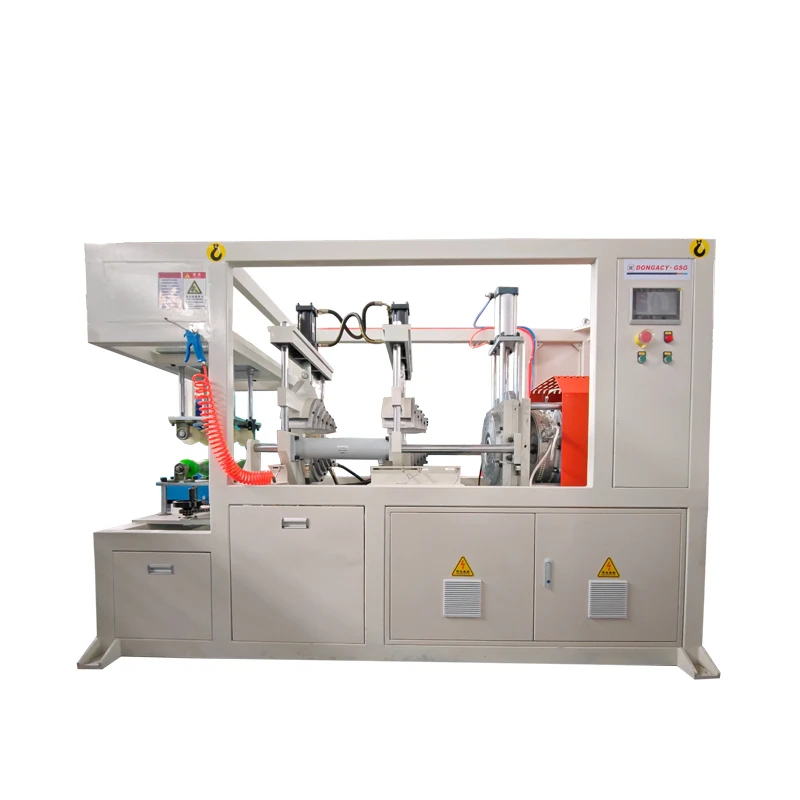
Modern machines integrate digital controls, PLC systems, and real-time monitoring to keep extrusion parameters within tight limits. This ensures consistent pipe quality, reduces waste, and allows quick changeovers between pipe specifications.
4. Energy Efficiency
With increased awareness of industrial energy consumption, manufacturers innovate with better screw designs, thermal insulation, and smart drive systems that reduce power use without sacrificing output.
5. Compliance with Environmental Standards
Compliance with environmental and safety regulations is non-negotiable. Manufacturers often develop equipment aimed at minimizing emissions and facilitating recycling of scrap PVC, aligning with ISO 14001 and other standards.
Mini Takeaway
Durability, scalability, automation, and eco-friendliness form the backbone of what to look for in PVC pipe extrusion machines—these factors define industry leadership and long-term value.
Global Applications & Use Cases
- Agriculture: In regions like India and Mexico, PVC pipelines are central to efficient irrigation—machines that produce these pipes locally reduce import costs and enhance supply chain resilience.
- Urban Infrastructure: Cities worldwide rely on PVC pipes for potable water, sewage, and electrical conduits. Manufacturers serving local production reduce delays and improve customization for regional standards.
- Disaster Relief: After floods or earthquakes, quick deployment of water and sanitation systems can be lifesaving. Mobile extrusion lines have been used in some relief operations to make pipes on-site for rapid rebuilding.
- Industrial Zones: Specialized pipes for chemical transport, high durability, or specific dimensions often necessitate high-end extrusion machines with multi-layer capabilities.
Advantages & Long-Term Value of Advanced Extrusion Machines
Frankly, purchasing the right extrusion machine has a ripple effect on operational cost, sustainability, and social impact. Efficient machines reduce energy and material waste, cutting costs over time. They enable manufacturing plants to meet rising demands without sacrificing quality or safety.
Moreover, reliable machines build trust with customers, especially in water and sanitation sectors where longevity and durability mean public health and environmental protection. You can think of it like trusting a good pair of shoes—you don’t want to replace them every season.
Product Specification Table
| Specification | Typical Range | Notes |
|---|---|---|
| Pipe Diameter | 20mm to 1600mm | Varies by machine model |
| Output Capacity | 50-500 kg/hr | Dependent on screw size & motor power |
| Energy Consumption | 5-20 kW | Optimized in high-efficiency models |
| Automation | PLC Controls + Touchscreen | Standard in mid to high-end machines |
Vendor Comparison: Leading PVC Pipe Extrusion Machine Manufacturers
| Manufacturer | Product Range | Automation Level | Energy Efficiency | Global Reach |
|---|---|---|---|---|
| TechPlas Corp. | 20mm-800mm pipes | High (full PLC) | A+ | Asia, Europe |
| GreenLine Machines | 50mm-1600mm pipes | Medium (semi-automatic) | A | Worldwide |
| PlastiFlow Inc. | 20mm-400mm pipes | Basic Manual Controls | B+ | North America, Latin America |
Future Trends & Innovations
We’re seeing exciting trends in extrusion tech. Manufacturers are increasingly integrating IoT sensors to monitor machine health remotely, reducing downtime. Also, material science advances enable machines to handle recycled PVC blends better, aiding circular economy efforts.
Green energy usage is gaining ground too. Some plants incorporate solar-powered extrusion or heat recovery systems, aligning with stricter environmental policies worldwide. Plus, AI-driven quality control systems promise more uniform pipe products with less operator intervention. It feels like extrusion machines will soon be smarter, greener, and more adaptable than ever.
Challenges & Expert Solutions
One challenge many manufacturers mention is balancing cost with quality and sustainability. High-efficiency technology isn’t cheap, and smaller producers may struggle investing in it. Solutions include modular machine designs that allow gradual upgrades and renting advanced equipment during peak demand. Also, operator training is critical—many failures come from improper setup rather than the machine itself.
Manufacturers often partner with research institutes to stay ahead in materials and process optimization, which frankly, is necessary in a fast-evolving market.
Frequently Asked Questions About PVC Pipe Extrusion Machine Manufacturers
- What factors should I consider when selecting a PVC pipe extrusion machine manufacturer?
- Look for durability, automation features, energy efficiency, and the ability to provide spare parts and after-sales service. Also, check if they support customization for different pipe sizes and formulations.
- How do extrusion machines handle different pipe diameters?
- Manufacturers design extrusion dies and calibration systems to fit specific diameter ranges. Many machines offer modular tooling allowing quick changeovers between sizes within the supported range.
- Can these machines process recycled PVC materials?
- Yes, many advanced machines accommodate recycled PVC blends, though the material quality influences extrusion parameters. Manufacturers often provide guidance or specialized screw designs for these materials.
- What are the typical lead times for purchasing and installing these machines?
- Lead times can range from a few weeks for standard models to several months for customized industrial lines. Installation and commissioning usually take an additional few weeks depending on complexity.
- How do manufacturers ensure compliance with environmental standards?
- They incorporate emission control systems, energy-efficient designs, and scrap recycling workflows to meet ISO and local regulatory requirements. Documentation and testing often accompany machine delivery.
Conclusion: Building Sustainable Infrastructure Starts with the Right Machines
In sum, pvc pipe extrusion machine manufacturers are integral to building the world’s infrastructure sustainably and reliably. Investing in advanced extrusion technology is investing in long-term cost savings, environmental stewardship, and trusted supply chains. Whether for rural irrigation or urban water networks, the right extrusion machinery ensures durability, efficiency, and adaptability.
If you’re looking to upgrade or enter this space, visit our website to explore a range of innovative extrusion solutions tailored to diverse industrial needs.
It’s always struck me how these machines—often invisible in the grand scheme—actually underpin so much of our daily life. That’s industrial magic for you.
References
-
High Efficiency PE Extrusion Line Guide for Plastic ManufacturingNewsApr.16,2026
-
Guide to Choosing High Efficiency ppr pipe extrusion machineNewsApr.09,2026
-
Comprehensive Guide to Modern Pipe Production Line Technologies and OptimizationNewsApr.07,2026
-
Choosing the Right Extrusion Pipe Machine for Optimal Plastic Pipe ProductionNewsApr.04,2026
-
Comprehensive Guide to PPR Pipe Extrusion Line Technology and ApplicationsNewsMar.31,2026
-
Understanding the Functionality and Applications of a Pipe Extruder SystemNewsMar.28,2026
-
Comprehensive Guide to Pipe Extrusion Machine Technology and ApplicationsNewsMar.26,2026


