
Plastic Sheet Extrusion Machine Manufacturers: Powering Modern Industry
If you've ever wrapped a fresh sandwich or seen a flexible greenhouse panel, you've interacted with products made possible by plastic sheet extrusion machines. These machines are quietly revolutionizing manufacturing worldwide—making versatile plastic sheets that serve everything from packaging industries to construction. But why do plastic sheet extrusion machine manufacturers matter so much on a global scale? Simply put: they shape the materials that underpin numerous industries integral to everyday life and economic development. Understanding these manufacturers and their products unlocks a deeper appreciation for how modern production adapts to demand, sustainability, and innovation.
Global Context: Why Plastic Sheet Extrusion Machine Manufacturers Are Vital
Industries worldwide rely heavily on plastic sheets for manifold applications — automotive panels, medical packaging, agriculture films, and more. According to the ISO, the global plastics market has grown by roughly 5.5% annually over the last decade, underscoring a rising need for consistent and efficient sheet production. Manufacturers of extrusion machines are the engine behind this growth, providing the technology to convert raw polymers into functional sheets with precision and scalability.
However, challenges exist — environmental concerns over plastic waste and energy-intensive production processes press manufacturers to innovate constantly. This makes the role of plastic sheet extrusion machine manufacturers even more critical: not just as equipment suppliers but as pioneers in greener, more efficient manufacturing technologies.
What Are Plastic Sheet Extrusion Machine Manufacturers?
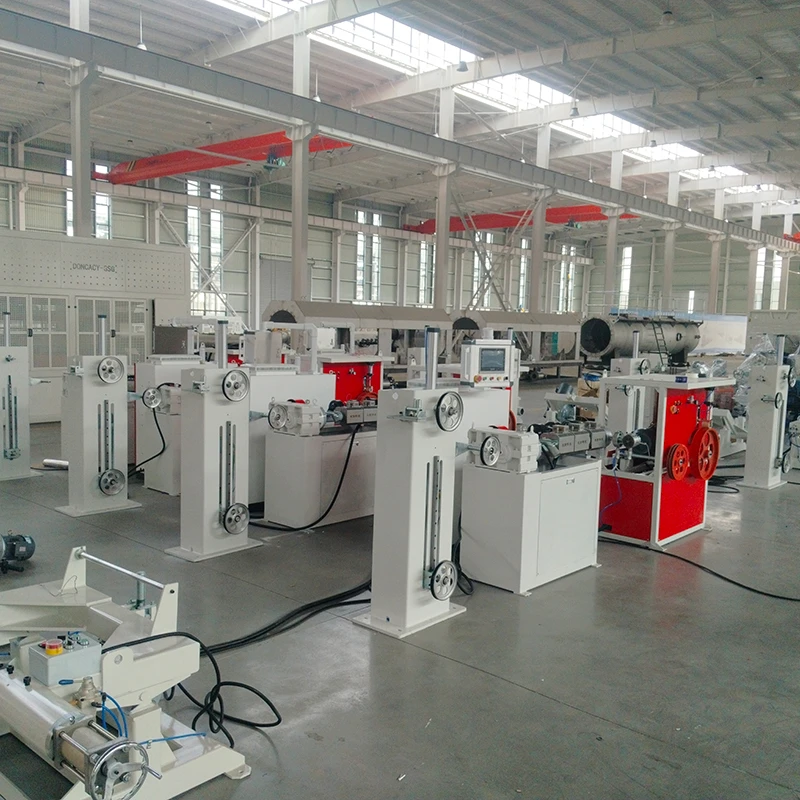
Put simply, these manufacturers design and build machines that turn plastic pellets or granules into thin, uniform sheets through a complex process called extrusion. The molten plastic is pushed through a shaped die and cooled, resulting in sheets of desired thickness and width. These machines come in various types like single-screw or twin-screw extruders, tailored to specific polymers and sheet qualities.
These manufacturers serve both heavy industries and humanitarian needs alike—think plastic sheets used for temporary shelters in disaster zones, where rapid, economical production means lives can be sheltered quickly and safely.
Core Components & Key Factors in Plastic Sheet Extrusion Machines
1. Durability
Machines have to operate continuously and under tough conditions. High-quality materials for screws and barrels increase lifespan and reduce maintenance. As many engineers say, a durable extruder means less downtime and cost savings—critical in high-volume industries.
2. Scalability
From small workshops to massive factories, extrusion machines come in sizes to match output needs. A scalable design allows manufacturers to upgrade with demand, avoiding expensive overhauls.
3. Energy Efficiency
Modern machines use optimized heaters and motors that reduce electricity consumption — an important factor as industries face rising energy costs and carbon footprints.
4. Precision & Customization
Advanced control panels and adjustable dies mean producers can fine-tune thickness, width, and texture. This flexibility serves industries needing specialized products, like anti-static sheets for electronics or UV-resistant films for agriculture.
5. Automation & Integration
With the rise of Industry 4.0, extrusion machines increasingly feature integrated sensors and networking capabilities. This allows remote monitoring, predictive maintenance, and tighter quality control.
Mini Takeaway
Durability, scalability, and evolving technology define the strength of plastic sheet extrusion machine manufacturers in meeting diverse production demands.
Product Specifications – Sample Extrusion Machine
| Specification | Value |
|---|---|
| Model | PEX-5000 |
| Processing Capacity | 500 kg/hour |
| Max Sheet Width | 1500 mm |
| Thickness Range | 0.2 mm – 5 mm |
| Energy Consumption | 22 kW |
| Automation Level | Full PLC control |
Global Applications & Use Cases
Plastic sheets manufactured using extrusion machines play crucial roles worldwide. In Asia, for instance, robust plastic films protect crops and conserve water in arid farming regions. European manufacturers heavily rely on precision extrusion sheets in automotive interiors. Meanwhile, African NGOs utilize plastic sheets as waterproof shelters during emergency disaster relief, making rapid deployment vital.
Additionally, plastic sheet extrusion machine manufacturers supply to the construction sector to create cost-effective insulation and vapor barriers—boosting energy efficiency in buildings. Remote industrial zones tap into extrusion technology for on-site production, eliminating lengthy supply chains.
Vendor Comparison: Leading Plastic Sheet Extrusion Machine Manufacturers
| Manufacturer | Country | Energy Efficiency | Automation | After-Sales Support |
|---|---|---|---|---|
| EXTRUCO | Germany | High (Energy-saving motors) | Advanced PLC & IoT-enabled | 24/7 Global service |
| PlastiTech | China | Moderate | Semi-automated controls | Standard warranty + training |
| AmeriExtrude | USA | High (Eco-certification) | Full automation & analytics | Dedicated regional teams |
Advantages & Long-Term Value
The value proposition for investing in top-tier plastic sheet extrusion machines is broad. Financially, these machines reduce operational costs by optimizing material use and decreasing energy consumption. Environmentally, many manufacturers are shifting towards designs that support recycled plastics and minimize emissions.
On a human level, reliable plastic sheet production supports safer packaging for pharmaceuticals, clearer greenhouse film for food security, and affordable materials for shelter—each a brick in the house of global well-being. It’s kind of remarkable when you think how industrial machinery translates into social dignity and trust.
Future Trends & Innovations
We’re at an interesting crossroads with extrusion technology. There's a strong push for machines that handle biodegradable polymers or bio-based plastics, aligning with sustainability goals. Plus, digital twin technologies allow manufacturers to simulate and perfect extrusion lines virtually—saving time and resources.
Automation will deepen, with AI-driven quality control that spots defects before sheets even leave the machine. Additionally, green energy integration, such as solar-powered extrusion plants, is beginning to reshape operational footprints.
Challenges & How Manufacturers Are Navigating Them
Despite advances, challenges remain. The extrusion process can be sensitive to raw material quality, affecting sheet clarity or strength. Energy costs and machine wear also weigh heavily. But some manufacturers are tackling this with adaptive screw designs that optimize material mixing and wear-resistant coatings that extend machine life.
Collaborative global research efforts and standards (such as through ISO committees) help normalize best practices and push innovation forward.
FAQ: Your Questions Answered on Plastic Sheet Extrusion Machine Manufacturers
- How do I choose the best extrusion machine for my production volume?
It depends on your expected throughput, sheet specifications, and budget. Smaller businesses often opt for single-screw extruders, while large manufacturers use twin-screw or multi-layer machines. Consulting with plastic sheet extrusion machine manufacturers can help tailor a solution. - What plastics can be processed in these machines?
Most extrusion machines can handle common polymers like PE, PP, PVC, and PET. Some are specialized for biodegradable or engineering plastics. Always verify compatibility with your manufacturer for best results. - Is automation necessary for quality extrusion?
Automation improves precision, reduces waste, and eases operation but isn't strictly necessary. Manual systems can work well for simpler or smaller scale needs but may incur higher labor costs and inconsistency. - Can extrusion machines process recycled plastics?
Yes, many manufacturers design machines to handle reclaimed plastic materials, promoting circular economies. However, recycled inputs require careful sorting and drying to avoid defects.
Conclusion: Why Plastic Sheet Extrusion Machine Manufacturers Matter Now and Ahead
In the grand scheme, these manufacturers are pivotal in shaping how industries adapt to global challenges—balancing efficiency, sustainability, and innovation. Choosing the right equipment unlocks not only production capability but also contribution to greener economies and social betterment.
If you’re exploring options or seeking partners that bring technical expertise fused with visionary goals, consider visiting plastic sheet extrusion machine manufacturers who understand the landscape deeply.
Final Thought
At the crossroads of technology and sustainability, extrusion machines quietly build the backbone of many modern solutions. And frankly, that’s quite something to reflect on.
References
-
High Efficiency PE Extrusion Line Guide for Plastic ManufacturingNewsApr.16,2026
-
Guide to Choosing High Efficiency ppr pipe extrusion machineNewsApr.09,2026
-
Comprehensive Guide to Modern Pipe Production Line Technologies and OptimizationNewsApr.07,2026
-
Choosing the Right Extrusion Pipe Machine for Optimal Plastic Pipe ProductionNewsApr.04,2026
-
Comprehensive Guide to PPR Pipe Extrusion Line Technology and ApplicationsNewsMar.31,2026
-
Understanding the Functionality and Applications of a Pipe Extruder SystemNewsMar.28,2026
-
Comprehensive Guide to Pipe Extrusion Machine Technology and ApplicationsNewsMar.26,2026


