
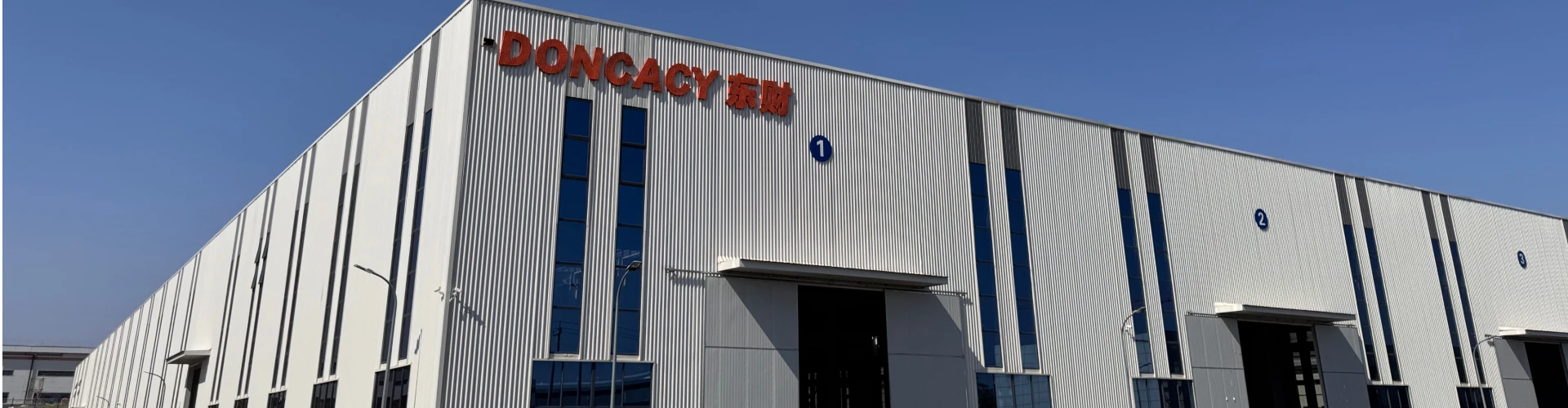
Extrusion Machine Manufacturers: Powering Modern Manufacturing Worldwide
Ever paused to think how countless products from plastic pipes to aluminum profiles come into existence? The answer, more often than not, involves extrusion—a manufacturing marvel heavily reliant on extrusion machine manufacturers. These companies don’t just spin up machines; they drive innovation that underpins industries as diverse as automotive, packaging, construction, and even renewable energy.
The significance of extrusion machine manufacturers stretches far beyond factory floors; they contribute to global infrastructure, improve sustainability through material efficiency, and help economies scale smarter. Given the continuous demand for customized, cost-effective, and eco-friendly products, understanding their role offers insight into modern industrial evolution.
Global Context: Why Extrusion Machine Manufacturers Matter Today
Globally, the plastics and metals processing sectors (big consumers of extrusion machinery) are projected to grow at a combined CAGR approaching 5% over the next decade (World Bank data). This growth mirrors not just rising consumer demand but also infrastructure expansion in emerging economies.
Yet, the challenge is clear: How can extrusion machine manufacturers meet increased production needs while minimizing environmental footprints? ISO standards increasingly require manufacturers to innovate toward energy efficiency and sustainable operation, putting pressure on the industry to adapt quickly.
What Exactly Are Extrusion Machine Manufacturers?
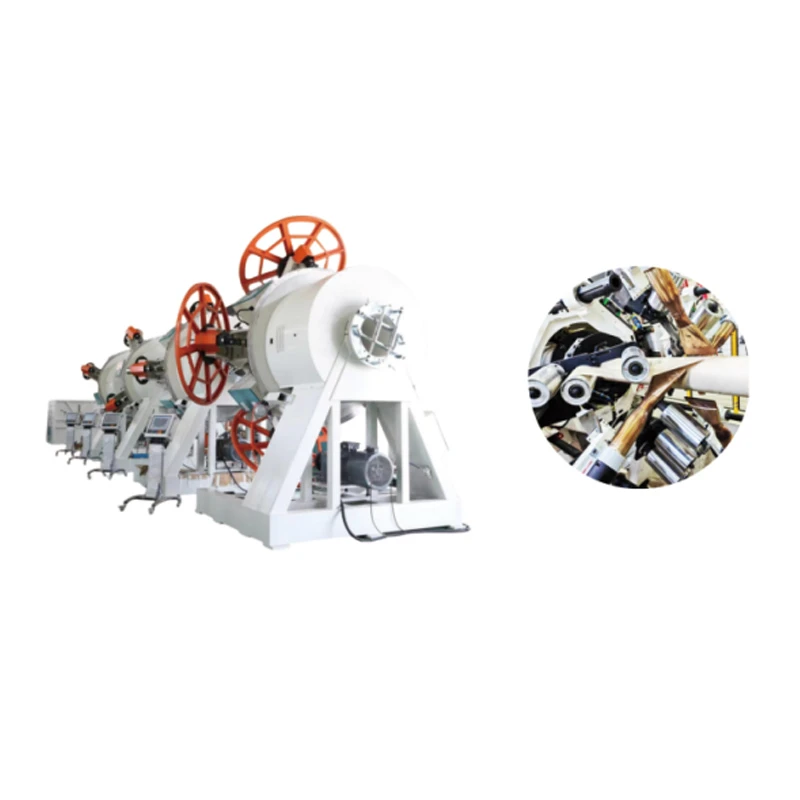
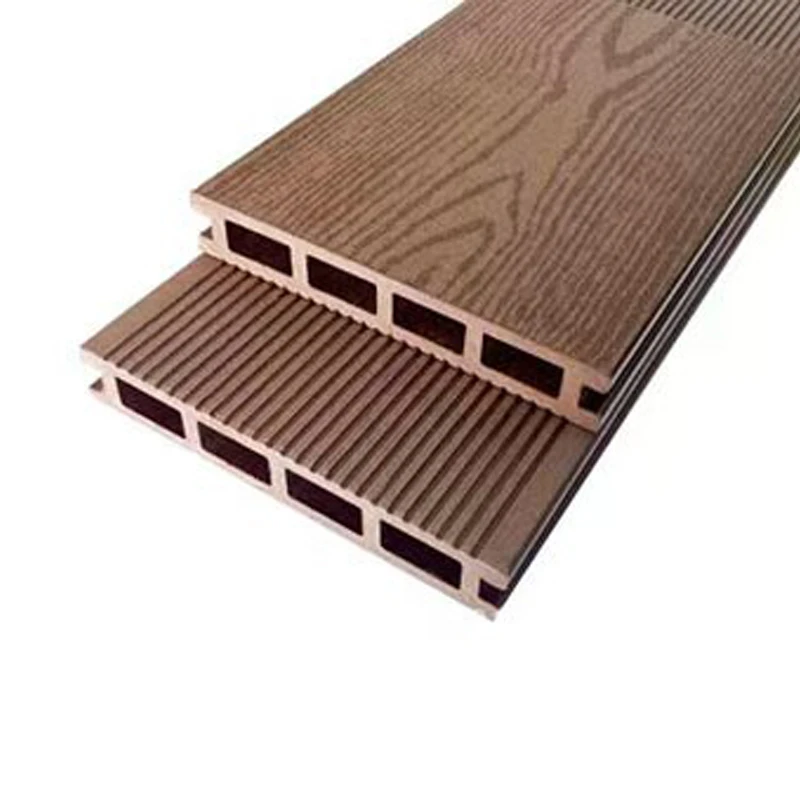
Simply put, extrusion machine manufacturers design, build, and supply equipment that force raw materials—plastics, metals, or composites—through shaped dies to create continuous profiles. Think of how plastic tubing or aluminum window frames are produced. The machines they craft enable complex shapes and precise dimensions at incredible speeds.
In many ways, these manufacturers are the backbone of modern fabrication, often supporting humanitarian efforts too, by helping produce materials for water pipes or shelters rapidly in post-disaster zones.
Core Components & Key Factors in Extrusion Machinery
1. Durability & Material Compatibility
Extrusion machines must handle abrasive or diverse raw materials—from PVC to high-grade aluminum alloys—without compromising lifespan. Manufacturers focus heavily on wear-resistant components like alloy steel screws and barrels.
2. Scalability & Throughput
Depending on client needs, machines are built to scale: from compact desktop-sized units for small parts to massive industrial lines churning out tons per hour. Flexibility is key.
3. Energy Efficiency
Energy consumption can make or break running costs. Leading manufacturers are integrating servo-driven motors and insulation tech to reduce power usage without sacrificing output.
4. Automation & Control Systems
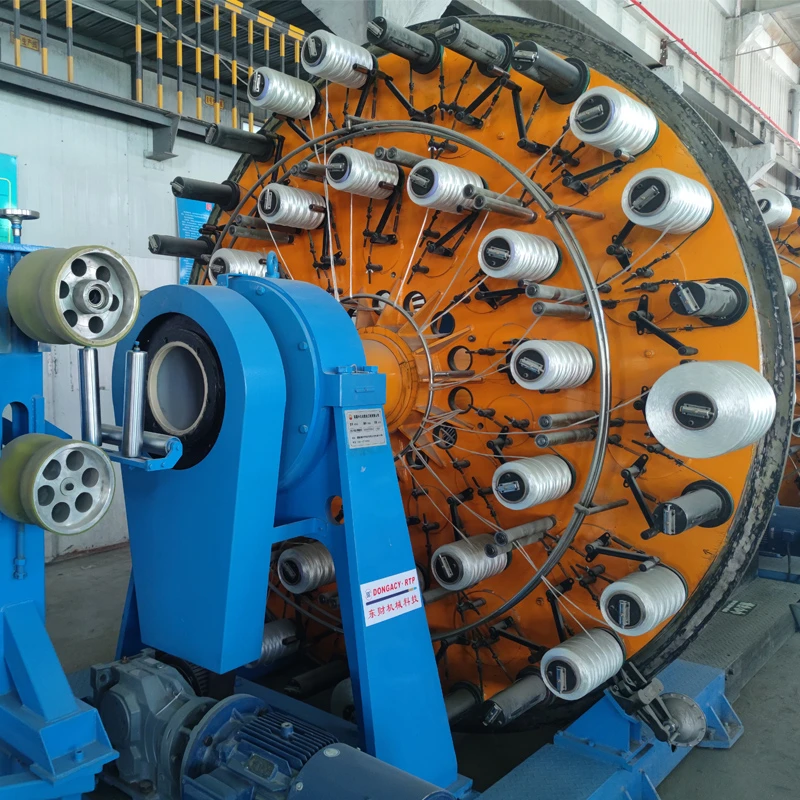
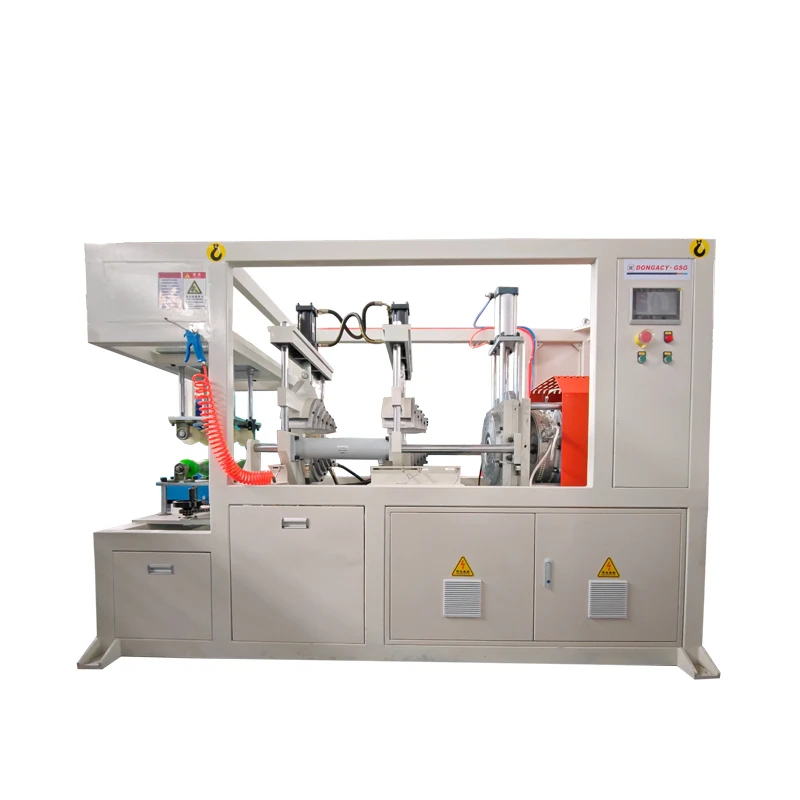
Modern extrusion machines often come equipped with sophisticated control panels and IoT sensors, enabling real-time monitoring and predictive maintenance—cutting downtime and boosting consistency.
5. Precision & Customization
Meeting tight tolerances demands meticulous engineering of dies and screw designs. Vendors offering tailored solutions stand out in a competitive marketplace.
| Specification | Typical Range | Importance |
|---|---|---|
| Screw Diameter | 30mm – 150mm | Affects throughput & melting quality |
| Output Capacity | 5kg/h – 1000kg/h+ | Determines production scale |
| Power Consumption | 5kW – 150kW | Influences operational costs |
| Max Operating Temperature | 250°C – 350°C | Defines material processing range |
Global Applications & Real-World Use Cases
Extrusion machines are everywhere—from automakers in Germany producing lightweight components to Southeast Asian manufacturers fabricating affordable plastic pipes servicing rural sanitation projects.
- Post-Disaster Relief: Rapid production of polyethylene sheets or piping for temporary shelters and water supply infrastructure.
- Renewable Energy: Custom aluminum frames for solar panels, helping deploy green tech worldwide.
- Medical Devices: Extruded tubing and components essential in health care equipment.
- Packaging: Lightweight yet durable films and profiles aiding shipping and food preservation.
Vendor Comparison: Top Extrusion Machine Manufacturers
| Manufacturer | Energy Efficiency | Customization Level | Global Reach | Average Lead Time |
|---|---|---|---|---|
| AlphaExtrude Inc. | High (IE4 motors) | Very high | Europe, Asia, Americas | 8-10 weeks |
| Beta Tools Ltd. | Moderate | Medium | Asia-Pacific focus | 6-8 weeks |
| Gamma Machines Corp. | Top-tier (solar powered options) | High | Global with emerging markets | 10-12 weeks |
Why Invest in Extrusion Machines? Advantages & Long-Term Value
Choosing extrusion equipment thoughtfully isn’t just about machinery—it's about investing in sustainable growth. Efficient extrusion reduces material waste and energy consumption, directly helping companies shrink their carbon footprints.
On the social front, faster and more reliable production means manufacturers can help provide critical infrastructure—things like clean water pipes or affordable building materials—which, frankly, can transform communities.
Emotionally, there's something reassuring about equipment built to last and innovate. Engineers I've chatted with often mention how predictive maintenance systems “feel like having a safety net” that strengthens trust.
Emerging Trends & Innovations Shaping the Industry
- Green Energy Integration: Solar-powered extrusion lines and waste heat recovery systems reduce operating costs and emissions.
- Digital Transformation: AI-driven process optimization enhances product quality and reduces errors.
- Advanced Materials: Bioplastics and composites requiring ultra-precise temperature controls expand product possibilities.
- Automation: Robotic loading/unloading and inline scanning accelerate production while ensuring consistency.
Challenges & Industry Solutions
Of course, there are obstacles. Machine downtime, upfront capital expenses, and adapting to material changes keep manufacturers on their toes. Plus, integrating new tech often demands operator retraining and infrastructure upgrades.
Innovative solutions include modular designs that simplify maintenance, leasing or financing models easing upfront costs, and user-friendly interfaces that flatten learning curves.
FAQs About Extrusion Machine Manufacturers
- Q: How do extrusion machine manufacturers customize machines for different industries?
- A: They tailor screw and die designs, control systems, and throughput capacities to the specific material and product requirements of each sector, ensuring optimal performance and product quality.
- Q: What are the typical lead times when ordering a custom extrusion machine?
- A: Lead times vary but generally range from 6 to 12 weeks depending on complexity, customization, and supply chain conditions.
- Q: Can extrusion machines process recycled materials effectively?
- A: Yes, with appropriate screw design and temperature control, many extrusion machines handle recycled plastics or metals, supporting sustainability goals.
- Q: How do manufacturers ensure energy efficiency in extrusion machines?
- A: By integrating high-efficiency motors, improving insulation, and using advanced process controls to minimize wasted energy during production.
Wrapping Up
Extrusion machine manufacturers occupy a pivotal niche bridging raw science and the tangible products shaping our built environment. Their evolution mirrors broader industrial trends toward smarter, greener, and more adaptable manufacturing. If you’re looking to explore reliable, advanced extrusion machinery, visiting extrusion machine manufacturers is a smart next step.
Ultimately, these manufacturers don’t just supply equipment—they empower industries worldwide to innovate with confidence and responsibility.
Small takeaway: With technology advancing fast, the extrusion machine sector is an exciting place where engineering meets sustainability and practical impact.
- Wikipedia: Extrusion
- ISO Standards on Plastics Processing Machinery
- World Bank Data on Manufacturing Industry Growth
Note: This overview is intended to provide a comprehensive understanding; however, specific product capabilities may vary by manufacturer and model.
-
High Efficiency PE Extrusion Line Guide for Plastic ManufacturingNewsApr.16,2026
-
High Speed Steel Wire Mesh HDPE Composite Pipe Production Line - Anhui Dongchai|High Automation&Energy EfficiencyNewsApr.13,2026
-
High Speed Steel Wire Mesh HDPE Composite Pipe Production Line - Anhui Dongchai|High Automation&Energy EfficiencyNewsApr.13,2026
-
Guide to Choosing High Efficiency ppr pipe extrusion machineNewsApr.09,2026
-
Comprehensive Guide to Modern Pipe Production Line Technologies and OptimizationNewsApr.07,2026
-
Choosing the Right Extrusion Pipe Machine for Optimal Plastic Pipe ProductionNewsApr.04,2026
-
Comprehensive Guide to PPR Pipe Extrusion Line Technology and ApplicationsNewsMar.31,2026


