
Seamless Pipe Production Line: Unlocking Industrial Potential Worldwide
When you think about the unsung heroes of infrastructure — the pipes that carry oil, gas, water, and more — it’s easy to overlook how they're made and why that matters. The seamless pipe production line is central to delivering durable, reliable piping solutions that hold up under pressure, literally and figuratively. Globally, industries rely on these high-quality pipes for everything from deep-sea drilling to urban water systems, making understanding their production an industrial priority with economic and safety ramifications.
In the end, grasping the nuances of seamless pipe production isn’t just technical trivia. It shapes how nations build, protect energy resources, and plan for future development — a quiet but powerful thread in the fabric of modern life.
Why Seamless Pipe Production Lines Matter on a Global Scale
To grasp the scope, consider some numbers: The global seamless pipe market was valued at around $45 billion in recent years, predicted to grow steadily driven by energy, automotive, construction, and aerospace sectors (source: Statista). Countries rich in natural resources, such as Gulf nations, Russia, and Canada, are heavily invested in production lines that can churn out flawless pipes capable of withstanding extreme conditions.
However, challenges like fluctuating raw material costs and the increasing demand for environmental compliance put pressure on manufacturers to innovate. The seamless pipe production line addresses these challenges by ensuring efficiency, quality control, and scalability — critical factors as industries race towards sustainable growth.
Understanding the Seamless Pipe Production Line
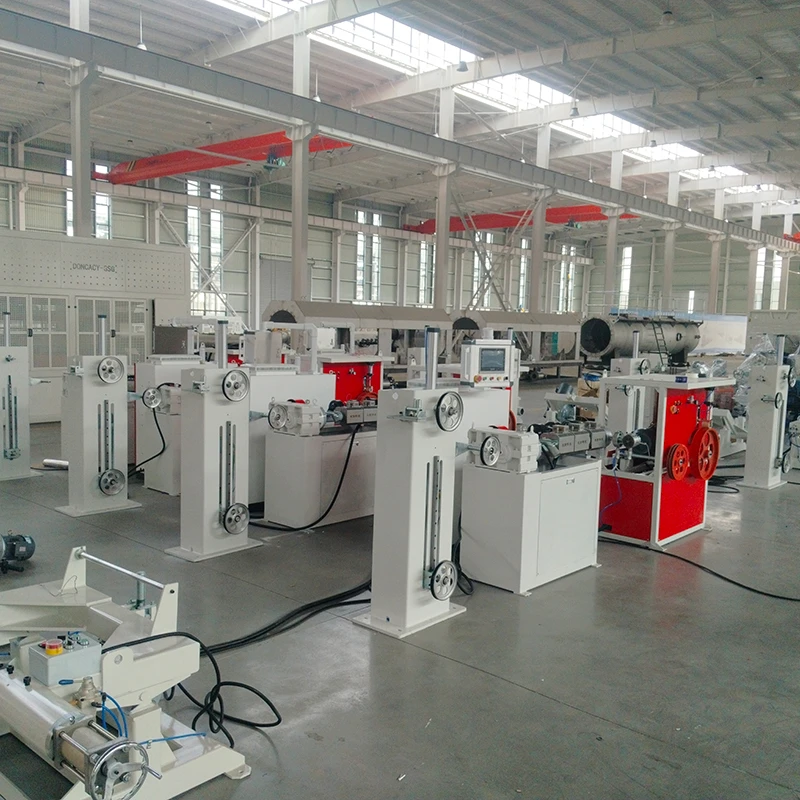
In simple terms, a seamless pipe production line refers to the entire manufacturing process and machinery setup used for producing pipes without any welding seams. Unlike welded pipes, seamless pipes are rolled or extruded from a solid billet, making them structurally stronger, without weak points that could cause failure.
This feature connects directly to modern industry demands — think oil and gas pipelines stretching thousands of miles under the sea or high-pressure nuclear reactors where safety is non-negotiable. Humanitarian efforts depend on reliable infrastructure too; water supply pipelines in remote or disaster-hit zones often utilize seamless pipes for resilience.
Core Components of a Seamless Pipe Production Line
1. Material Preparation and Billet Heating
The process begins with heating steel billets to around 1200°C. Proper material preparation is critical — uneven heating leads to defects, so many manufacturers opt for automated induction furnaces.
2. Piercing and Rolling Mill
This stage converts the solid billet into a hollow pipe by piercing it with an elongated mandrel. The tube then passes through rolling mills that elongate and shape it to precise diameters. Many engineers I’ve talked to say the piercing step is where the magic happens; it determines the pipe’s final mechanical properties.
3. Sizing and Stretch Reducing
Here, the pipe is fine-tuned to meet the exact thickness and diameter specifications. This part governs how well the pipe can handle internal pressure, impacting safety.
4. Heat Treatment and Cooling
To relieve internal stresses and improve microstructure, pipes are heat-treated (annealed or normalized). Controlled cooling prevents warping — it's a delicate balance akin to tempering a fine piece of steel.
5. Testing and Quality Control
Finally, rigorous non-destructive testing (NDT) ensures pipes meet international standards like ISO 3183 or API 5L. Ultrasonic and electromagnetic testing pick up any flaws — there’s zero margin for error.
Mini Takeaway: The production line is a symphony of heat, pressure, and precision — every component is indispensable for final product reliability.
Real-World Applications: Where Do Seamless Pipes Shine?
The applications stretch across continents and industries:
- Oil and Gas Extraction: Offshore rigs in the North Sea depend on seamless pipes to transport crude oil safely.
- Water Infrastructure: Many Asian megacities prefer seamless pipes for main water conduits because corrosion resistance reduces maintenance.
- Aerospace & Defense: High-performance tubes in jet engines call for the strength that only seamless pipes provide.
- Post-Disaster Relief: After earthquakes, quick deployment of durable pipelines ensures clean water reaches affected communities.
- Industrial Manufacturing: Seamless pipes serve as essential components for heavy machinery and boilers.
For example, in remote oil fields of Alberta, Canada, operators appreciate seamless pipes’ durability under frigid conditions — a quiet lifesaver that engineers swear by.
Why Invest in a Seamless Pipe Production Line? Advantages at a Glance
- Enhanced Mechanical Strength: No seams mean reduced failure risk, a must-have where safety stakes are sky-high.
- Cost Efficiency Over Lifetime: While upfront costs might be higher than welded pipes, maintenance savings and longevity add up.
- Environmental Sustainability: Modern production lines emphasize waste reduction and energy efficiency — green manufacturing is becoming standard.
- Versatility: The ability to produce pipes in diverse sizes and grades allows for customization solving varied industry needs.
- Trust & Innovation: Companies investing in these production lines signal to clients they prioritize quality and innovation, crucial for long-term partnerships.
There’s also a human element — providing safe, reliable infrastructure adds dignity and safety to daily life, whether in a city water line or remote mining operation.
Upcoming Trends in Seamless Pipe Production Lines
Technology marches on. Automation and digital twins are starting to integrate with these production lines, reducing human error and boosting throughput. Materials science is exploring advanced alloys offering even better corrosion and temperature resistance.
Green energy is reshaping demands, too. For example, hydrogen fuel pipelines require pipes that resist embrittlement — a challenge seamless production lines are adapting to. The shift toward Industry 4.0 means smart factories with real-time analytics control quality more tightly.
Challenges and Expert Solutions
Despite progress, challenges persist. High energy consumption during billet heating remains a barrier. Innovators are trialing induction heating and waste heat recovery to cut costs and emissions.
Material scarcity and price volatility also challenge sustainable production. Strategic sourcing and recycling steel scrap help alleviate pressures.
Quality control demands continued investment in advanced testing machines. Some companies now use AI-enhanced defect detection to catch issues earlier — saving time and money in the long run.
Product Specification Table: Typical Seamless Pipe Production Line Setup
| Component | Specification | Remarks |
|---|---|---|
| Billet Size | 120-150 mm diameter | Standard for medium to large pipes |
| Max Heat Temp | Up to 1300°C | Induction furnace preferred |
| Piercing Speed | 0.5 to 1 m/s | Variable for pipe thickness |
| Final Pipe Diameter | 20 mm to 300 mm | Customizable per order |
| Testing Methods | Ultrasonic, Eddy Current, Hydrostatic | International standards compliant |
Vendor Comparison: Who Leads in Seamless Pipe Production Systems?
| Vendor | Automation Level | Sustainability Features | Price Range | Global Reach |
|---|---|---|---|---|
| ASTM Technologies | High (AI integrated) | Energy recovery furnace | $$$ | North America, Middle East |
| Bauer Steelworks | Medium (automated mills) | Recycling integration | $$ | Europe, Asia |
| Zephyr Engineering | Low (manual control) | Basic emission controls | $ | Emerging markets |
Frequently Asked Questions About Seamless Pipe Production Lines
Q1: What makes a seamless pipe production line better than welded pipe production?
A seamless pipe production line avoids welded joints, which are often weak spots susceptible to failure under pressure or corrosive environments. Seamless pipes offer higher strength, better corrosion resistance, and improved longevity — crucial for industries where safety and reliability are paramount.
Q2: How customizable are seamless pipes in terms of size and material?
Very customizable. Production lines can adjust billet size, heating settings, and rolling parameters to produce pipes ranging from a few millimeters up to several hundred millimeters in diameter. Material grades can also vary, from carbon steel to special alloys for extreme conditions.
Q3: Can seamless pipe production lines be adapted for green manufacturing?
Definitely. Modern lines integrate energy-efficient furnaces, waste heat recovery, and advanced automation to reduce emissions. Sustainability trends push manufacturers to continually improve resource usage while maintaining quality.
Q4: Are seamless pipes suitable for use in hydrogen fuel infrastructure?
Yes. Hydrogen embrittlement is a concern, but advanced seamless pipes made from specific alloys and treated correctly can safely transport hydrogen, aligning with the clean energy shift.
Q5: How do manufacturers ensure quality and compliance in seamless pipe production?
Through rigorous testing procedures including ultrasonic inspection, hydrostatic testing, and surface flaw detection, all aligned with international standards like ISO, API, and ASTM. These protocols minimize risks and guarantee pipe integrity.
Wrapping Up: Why the Seamless Pipe Production Line is a Pillar of Modern Industry
In the grand scheme, the production line for seamless pipes might sound like just another industrial process. But when you think about the immense infrastructure projects it underpins, the safety of communities, and the economic engines it keeps running, it becomes clear this is vital technology. It’s where material science, engineering, and automation converge to solve real-world challenges — from arctic oilfields to urban water grids.
For businesses and governments aiming to stay competitive and responsible, investing in or understanding these production lines is a no-brainer. The long-term benefits stretch beyond cost savings to include sustainability, resilience, and innovation.
Interested in upgrading your operations or learning more about seamless pipe production technology? Visit our seamless pipe production line resource hub for detailed insights and solutions.
Mini Takeaway: Seamless pipes are more than tubes — they’re the backbone of safe, efficient infrastructure worldwide. Appreciating their production is appreciating an essential piece of modern life.
References
-
High Efficiency PE Extrusion Line Guide for Plastic ManufacturingNewsApr.16,2026
-
High Speed Steel Wire Mesh HDPE Composite Pipe Production Line - Anhui Dongchai|High Automation&Energy EfficiencyNewsApr.13,2026
-
High Speed Steel Wire Mesh HDPE Composite Pipe Production Line - Anhui Dongchai|High Automation&Energy EfficiencyNewsApr.13,2026
-
Guide to Choosing High Efficiency ppr pipe extrusion machineNewsApr.09,2026
-
Comprehensive Guide to Modern Pipe Production Line Technologies and OptimizationNewsApr.07,2026
-
Choosing the Right Extrusion Pipe Machine for Optimal Plastic Pipe ProductionNewsApr.04,2026
-
Comprehensive Guide to PPR Pipe Extrusion Line Technology and ApplicationsNewsMar.31,2026


