
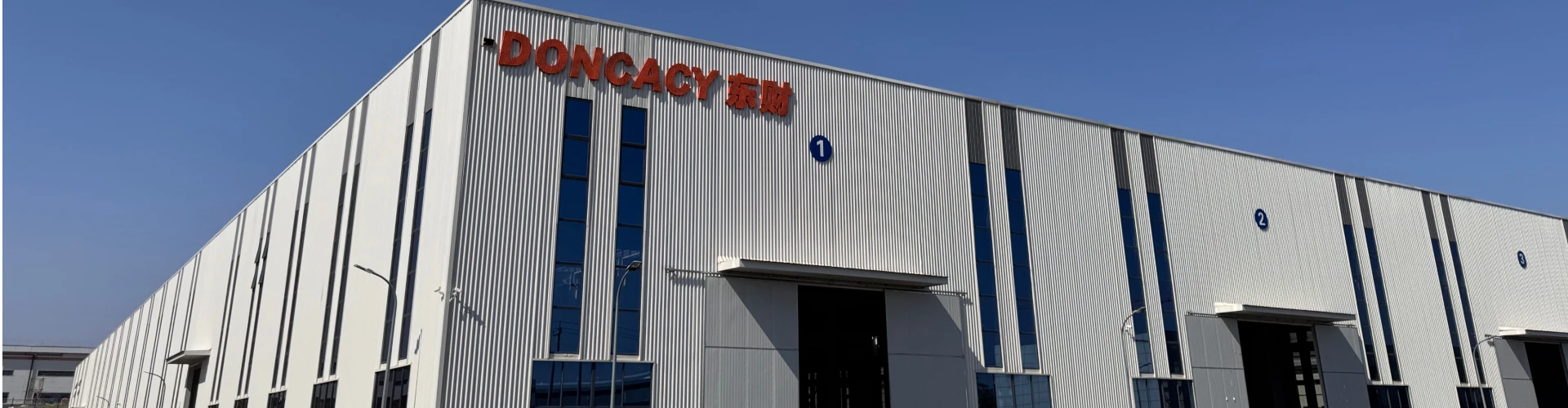
Understanding the Tube Mill Production Line: A Crucial Backbone of Modern Manufacturing
So, here's something that might seem behind-the-scenes but really shapes much of what we use daily: the tube mill production line. In simple terms, this is the machinery and workflow setup designed to manufacture steel tubes efficiently — those tubes find their way into everything, from pipelines to scaffolding, air conditioners to automotive frames. Why does it matter? Well, worldwide infrastructure development, energy distribution, and even humanitarian construction projects often hinge on reliably produced steel tubes. Having a grasp of how tube mill production lines work is no longer just for engineers; it gives insight into how modern industry transforms raw materials into essential goods while balancing cost, quality, and scalability.
Global Context: Why Tube Mill Production Lines Are More Relevant Than Ever
According to the World Steel Association, global steel production in 2023 hit nearly 1.9 billion metric tons, with a significant chunk destined for tubular products. That's no small feat! In an age marked by rapid urbanization, the demand for reliable, standardized tubes has surged. From expanding oil and gas pipelines across the Middle East to constructing high-rise buildings in Asia, tube mill production lines are quietly fueling growth.
But challenges abound: with rising raw material costs, stricter environmental standards set by ISO, and the urgent push toward sustainability, traditional tube making methods sometimes struggle. Modern tube mill lines address these by integrating automation and waste reduction, ensuring not just volume but also quality and environmental compliance.
What Exactly Is a Tube Mill Production Line?
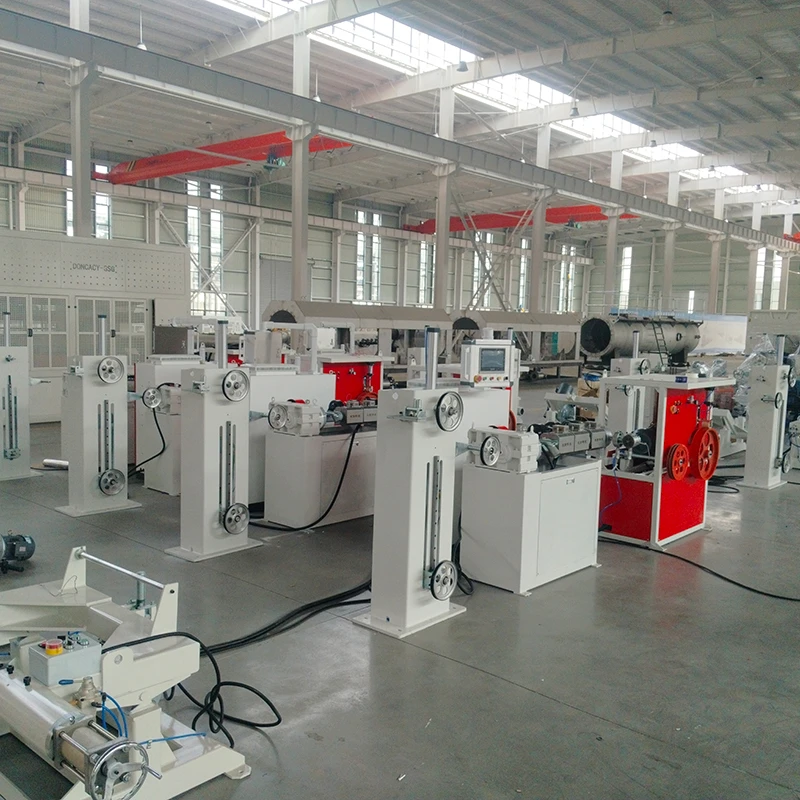
If you imagine taking flat steel plates and turning them into perfectly round or shaped tubes at a fast pace and consistent quality, you're basically picturing a tube mill production line. The system usually includes components like strip accumulators, forming rolls, welding units, sizing sections, and cutting machines all arranged sequentially. It’s a bit like an assembly line for steel tubes — but with precision, speed, and complexity that you might not guess at first glance.
These lines are vital not only for industrial purposes but also in humanitarian contexts. Think about the quick construction of water pipelines in disaster-stricken regions—relying on tubes manufactured precisely and rapidly to restore essential services.
Core Components and Essential Features of Tube Mill Production Line
1. Durability and Build Quality
One can't overstate how critical the machine's build is. High-quality components resist wear and tear from handling steel strips and continuous welding heat. Many operators favor stainless steel and precision-engineered rollers, which help maintain tube integrity throughout long production runs.
2. Scalability and Throughput
From small diameter electrical conduit tubes to massive pipeline sections, the production line’s ability to scale size and adjust speeds is crucial. Modern lines often feature modular designs allowing swift changes in tube dimensions without costly downtime.
3. Cost Efficiency
For factories aiming to stay competitive, minimizing waste is king. These production lines typically incorporate advanced welding technologies and strip feed optimization, drastically reducing scrap rates. Plus, automation helps cut labor costs and human error.
4. Versatility in Tube Shapes and Sizes
Gone are the days when lines only cranked out round tubes. Today's mills can produce square, rectangular, and even oval tubes, opening the door to wider industries like automotive chassis manufacturing or architectural framing.
5. Integration of Quality Control and Automation
Inline sensors and vision systems monitor weld quality in real time and measure dimensions without stopping the line—pretty neat, right? This reduces faulty batches and improves customer trust over time.
Real World Applications: How Tube Mill Production Lines Drive Industry and Aid Humanity
Tube mill production lines are everywhere, really. For example:
- Energy Sector: Producing high-pressure steel tubes for oil and gas pipelines in regions like the Gulf and Russia.
- Construction & Infrastructure: Manufacturing scaffolding and structural tubes for emerging megacities in Asia and Africa.
- Automotive Industry: Fabricating lightweight tubular frames that enhance fuel efficiency while maintaining safety.
- Disaster Relief: Fast production of cold-formed steel tubes for water supply frameworks or temporary shelters, often used by NGOs in post-disaster zones.
- Renewable Energy: Tubes for wind turbine towers and solar panel mounts, especially in Europe’s green energy initiatives.
Regions like Southeast Asia, the Middle East, and increasingly Africa benefit from these production lines underpinning their industrial ambitions and humanitarian efforts alike.
Mini takeaway:
Tube mill production lines aren't just manufacturing tools—they're enablers of modernization, resilience, and sustainability worldwide.
Advantages and the Long-Term Value of Investing in Advanced Tube Mill Lines
It's worth highlighting some nuanced benefits beyond just production speed:
- Cost Savings: Reduced scrap, less downtime, and automation translate to lower operating expenses.
- Sustainability: Higher efficiency means less energy consumption per tube, fewer raw materials wasted, and compliance with green manufacturing standards.
- Social Impact: Reliable supply chains help communities access clean water, energy, and infrastructure swiftly.
- Reliability and Trust: Consistent quality builds client confidence—vital for long-term contracts in sensitive industries like oil or construction.
- Innovation: The capability to quickly shift product specs enables companies to adapt to market needs and stay competitive.
Product Specification Table
| Specification | Typical Value | Notes |
|---|---|---|
| Tube Diameter Range | 12 mm – 168.3 mm | Covers most industrial tubes |
| Production Speed | Up to 120 m/min | Depends on steel grade and tube specs |
| Wall Thickness | 0.5 mm – 16 mm | Wide range for various strengths |
| Welding Type | High-frequency resistance welding | Ensures strong, consistent seams |
| Automation Level | Semi to fully automated | Varies by model and customer needs |
| Power Consumption | Approx. 100 kW | Energy-efficient designs available |
Comparing Top Vendors of Tube Mill Production Lines
| Vendor | Automation Level | Customization Options | Lead Time | Approximate Cost |
|---|---|---|---|---|
| MillTech Solutions | Full Automation | High - Modular design | 6 Months | $1.5 million+ |
| SteelForm Corp. | Semi-Automated | Medium - Standardized modules | 4 Months | ~$1.1 million |
| PipeLine Innovate | Manual to Semi-Automated | Low - Basic configuration | 3 Months | $700k – $900k |
Looking Ahead: Future Trends in Tube Mill Production Lines
Oddly enough, tube mill production lines are not just about heavy steel and clamping rollers anymore. They’re becoming smarter. Digital transformation plays a big role — AI-powered predictive maintenance reduces unexpected downtime, and IoT sensors allow remote monitoring. There's also a green push: some manufacturers are experimenting with powering lines via solar or waste heat recovery systems to lower emissions.
Material science is entering a new phase too. High-strength, lightweight alloys and even composites challenge the traditional steel tube market, pushing production lines to adapt faster than ever.
Challenges and How Experts Are Overcoming Them
Frankly, despite all the advances, producing tubes perfectly every time remains tricky. Materials change batch-to-batch, welding defects can sneak in, and real-time quality checking is complex. Many engineers say integrating inline ultrasonic and eddy current testing is a game-changer, though.
Supply chain disruptions and fluctuating steel prices also push companies to refine order forecasts and maintain flexible production. Smart software — coupled with skilled operators — is increasingly the best defense.
FAQ: Tube Mill Production Line Essentials
Q1: How long does it usually take to set up a tube mill production line?Generally, it ranges from 3 to 6 months depending on customization, vendor, and complexity. Planning and installation are key phases, and some lines come modular to speed up deployment.
Q2: Can tube mill lines manufacture customized tube profiles?Yes! Modern production lines often support square, rectangular, elliptical, and round profiles, with changeovers designed to be quick to minimize downtime.
Q3: How energy-efficient are these production lines?Thanks to innovations like high-frequency welding and better motors, contemporary tube mill lines consume roughly 15-30% less energy than lines from a decade ago. Energy-saving options are often available.
Q4: What’s the typical lifespan of a tube mill production line?When well maintained, these lines can run effectively for 15–20 years or longer, especially with periodic upgrades to control and automation systems.
Q5: Where can I find reputable manufacturers or suppliers?Explore industry exhibitions or visit authoritative websites like tube mill production line vendors, ensuring the company offers full support and customization matching your needs.
Wrapping It Up: The Long-Term Promise of Tube Mill Production Lines
Quite simply, investing in a modern tube mill production line means securing a future-proof foundation for manufacturing steel tubes that meet global demand reliably and sustainably. It’s a blend of engineering, automation, and innovation — together shaping the backbone of industries ranging from construction to energy, and even humanitarian work.
Considering how these lines are evolving, it's clear they’ll be essential for decades to come.
If you want to dive deeper or find the right partner for your needs, visit our website to explore solutions tailored for today’s challenges and tomorrow’s opportunities.
Quick Summary:
- Tube mill production lines turn steel coils into essential tubes used globally.
- They are crucial in energy, infrastructure, automotive, and humanitarian sectors.
- Modern lines emphasize automation, flexibility, and sustainability.
- Challenges exist, but advanced testing and AI help overcome them.
- Investing wisely ensures long-term efficiency, quality, and cost savings.
References:
-
High Efficiency PE Extrusion Line Guide for Plastic ManufacturingNewsApr.16,2026
-
High Speed Steel Wire Mesh HDPE Composite Pipe Production Line - Anhui Dongchai|High Automation&Energy EfficiencyNewsApr.13,2026
-
High Speed Steel Wire Mesh HDPE Composite Pipe Production Line - Anhui Dongchai|High Automation&Energy EfficiencyNewsApr.13,2026
-
Guide to Choosing High Efficiency ppr pipe extrusion machineNewsApr.09,2026
-
Comprehensive Guide to Modern Pipe Production Line Technologies and OptimizationNewsApr.07,2026
-
Choosing the Right Extrusion Pipe Machine for Optimal Plastic Pipe ProductionNewsApr.04,2026
-
Comprehensive Guide to PPR Pipe Extrusion Line Technology and ApplicationsNewsMar.31,2026


