
Understanding the Power of the Screw Type Extruder
Screw Type Extruders are, frankly, the workhorses of so many processing industries. It’s easy to take them for granted, but the precision and reliability they offer is… crucial. We at AHD C11 have been focusing on refining these machines for years, building on decades of experience. This article is intended to give B2B decision makers a clear picture of what a modern screw type extruder can do, and why choosing the right one – and the right partner – is so important. You know, it’s not just about the specs on a sheet.
Table of Contents
- Screw Type Extruder Overview
- Benefits & Use Cases of Screw Type Extruder
- Cost, Maintenance & User Experience
- Sustainability & Market Trends
Screw Type Extruder Overview
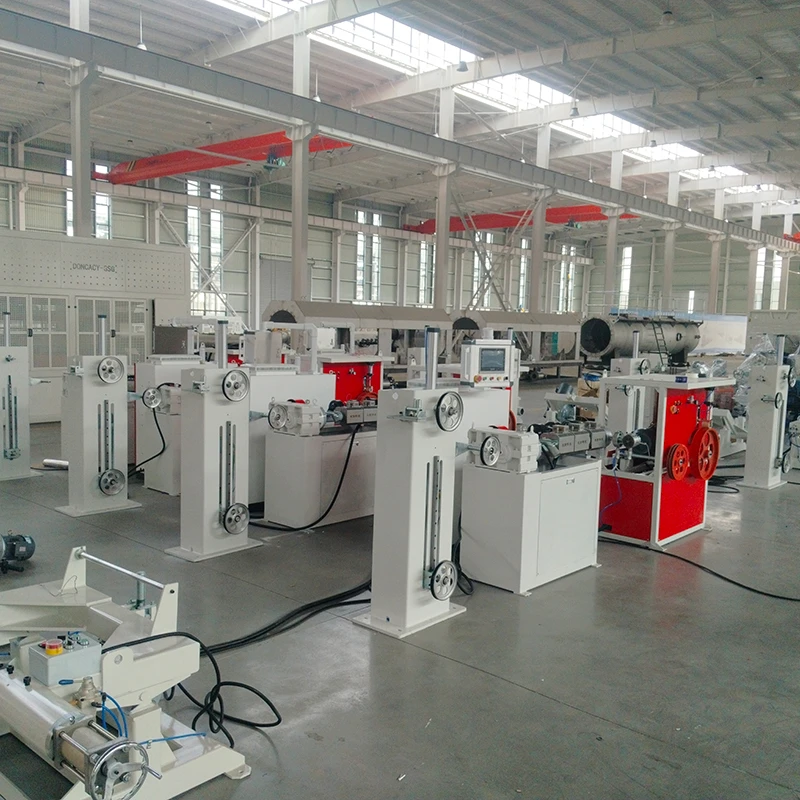
At its core, a screw type extruder uses a rotating screw to push material forward, melting and homogenizing it in the process. It’s a continuous process, which is a big advantage over batch methods. We’re talking about everything from plastics and rubber to food and pharmaceuticals. The screw itself—the heart of the machine—can be designed with different geometries to suit specific materials and processing needs. I suppose what’s changed most in recent years is the sophistication of the screw designs and the control systems. We use advanced modeling software to optimize screw profiles for maximum throughput and consistent quality. Here’s a quick look at some of the typical specs we work with:
| Parameter | Typical Value | Unit |
|---|---|---|
| Screw Diameter | 30-150 | mm |
| L/D Ratio | 24:1 - 36:1 | - |
| Output Capacity | Up to 2000 | kg/hr |
Benefits & Use Cases of Screw Type Extruder
The applications are vast, really. In the plastics industry, they're used for everything from producing pipes and profiles to manufacturing films and sheets. Food processing uses them for things like pasta and snack foods. Oddly enough, they even find use in recycling—reclaiming and reprocessing plastic waste. A key benefit is the consistency of the output. And, with modern controls, you get a lot of flexibility to adjust parameters on the fly. We recently worked with a client, a small manufacturer of PVC fencing, who was struggling with inconsistent wall thickness. After a few tweaks to the screw design and the control system, we were able to significantly improve their product quality and reduce waste. They saw a return on investment within six months.
| Vendor | Key Features | Price Range (USD) |
|---|---|---|
| AHD C11 | Customizable screws, advanced controls, robust construction | $50,000 - $200,000 |
| XYZ Extruders | Standard screw designs, basic controls | $40,000 - $150,000 |
| ABC Machines | Wide range of models, limited customization | $60,000 - $220,000 |
Cost, Maintenance & User Experience
The initial investment can be significant, of course. But you really need to look at the total cost of ownership. A well-built extruder, like ours, is going to have a longer lifespan and require less maintenance. Many engineers say preventative maintenance is key – regular inspections, lubrication, and screw cleaning. We offer comprehensive service packages to help customers with this. User experience is also becoming increasingly important. Modern control systems are much more intuitive and easier to learn. We focus on providing clear documentation and training to ensure our customers can get the most out of their equipment. It feels like the demand for user-friendly interfaces is only going to increase.
Sustainability & Market Trends
Sustainability is a huge driver right now. There’s a growing emphasis on using recycled materials and reducing waste. Extruders play a vital role in enabling the circular economy. We're seeing a lot of innovation in areas like bio-plastics and biodegradable materials. Regulations are also getting stricter, which is pushing manufacturers to adopt more sustainable practices. The market is definitely growing, and it's becoming more competitive. Companies that can offer high-performance, energy-efficient, and environmentally friendly solutions are going to be the ones that succeed. Kind of a no-brainer, really...
Frequently Asked Questions about Screw Type Extruder
- What is a Screw Type Extruder and how does it work?
- A Screw Type Extruder uses a rotating screw to push material through a heated barrel, melting and mixing it into a homogenous form. This continuous process is widely used in plastics, food, and pharmaceutical industries.
- What are the main benefits of using Screw Type Extruder in industrial applications?
- The key benefits include high throughput, consistent product quality, versatility in material processing, and scalability for various production needs.
- How does Screw Type Extruder compare to traditional alternatives?
- Compared to batch processing, Screw Type Extruders offer continuous operation, better control over material properties, and reduced labor costs. They're also more adaptable to different materials.
- What industries can benefit most from Screw Type Extruder implementation?
- Industries like plastics, food processing, pharmaceuticals, and recycling all greatly benefit from the efficiency and versatility of Screw Type Extruders.
Conclusion on Screw Type Extruder from China
Ultimately, a screw type extruder is a critical component in a huge range of manufacturing processes. Choosing the right one, and partnering with a reliable supplier, can make a significant difference to your bottom line. We at AHD C11 are committed to providing innovative, high-quality solutions tailored to your specific needs. Visit our website: https://www.ahdc11.com.
- Don't underestimate the power of a good screw.
-
High Efficiency PE Extrusion Line Guide for Plastic ManufacturingNewsApr.16,2026
-
High Speed Steel Wire Mesh HDPE Composite Pipe Production Line - Anhui Dongchai|High Automation&Energy EfficiencyNewsApr.13,2026
-
High Speed Steel Wire Mesh HDPE Composite Pipe Production Line - Anhui Dongchai|High Automation&Energy EfficiencyNewsApr.13,2026
-
Guide to Choosing High Efficiency ppr pipe extrusion machineNewsApr.09,2026
-
Comprehensive Guide to Modern Pipe Production Line Technologies and OptimizationNewsApr.07,2026
-
Choosing the Right Extrusion Pipe Machine for Optimal Plastic Pipe ProductionNewsApr.04,2026
-
Comprehensive Guide to PPR Pipe Extrusion Line Technology and ApplicationsNewsMar.31,2026


