
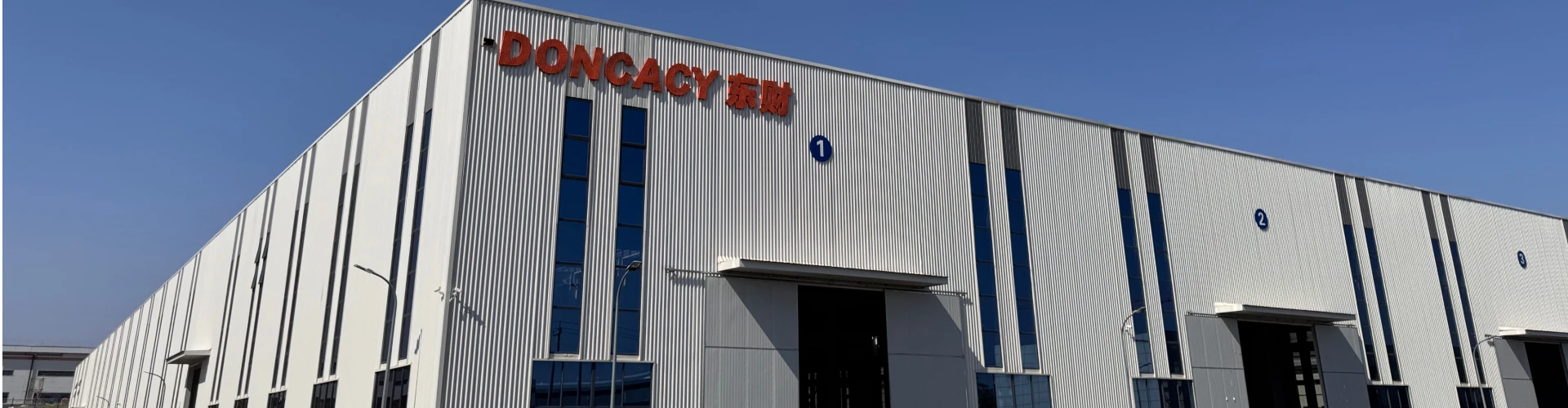
Understanding the Role of a Pipe Extrusion Line Manufacturer
So, you’re looking at pipe extrusion. It’s… fundamental, really. Almost invisible until something goes wrong. And when it does go wrong, well, things get expensive, fast. A pipe extrusion line manufacturer isn't just selling machinery; they’re selling reliability, frankly. It's about consistent output, minimizing waste, and meeting increasingly stringent industry standards. We’ve seen a huge shift in demand lately, especially for high-density polyethylene (HDPE) and polypropylene (PP) pipes—driven by infrastructure projects and, oddly enough, a renewed focus on sustainable water management. It feels like everyone is talking about longevity now, not just initial cost.
Table of Contents
- Pipe Extrusion Line Manufacturer Overview
- Benefits & Use Cases
- Cost, Maintenance & User Experience
- Sustainability & Market Trends
Pipe Extrusion Line Manufacturer Overview
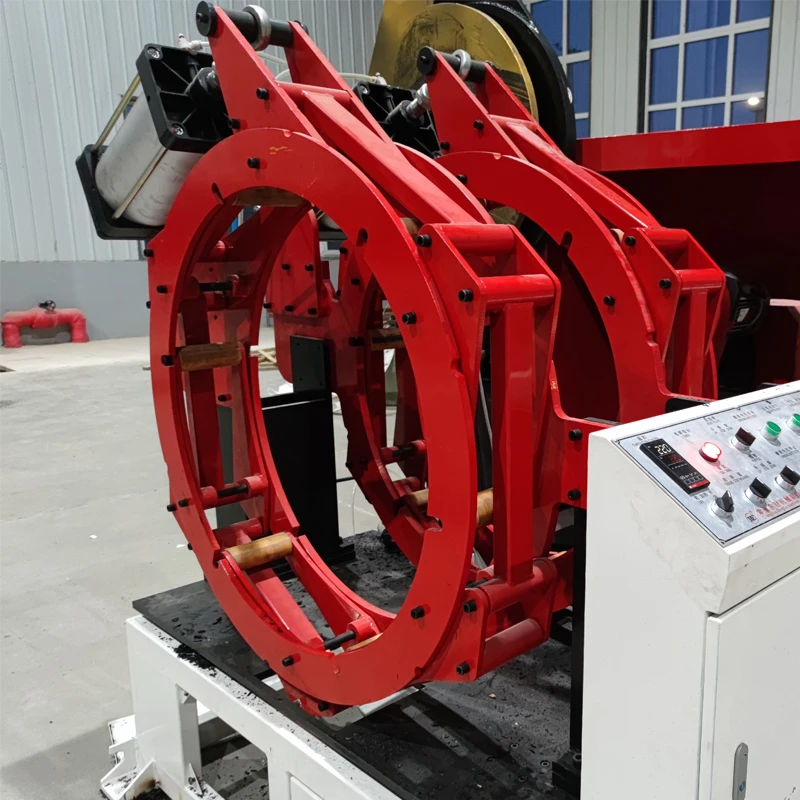
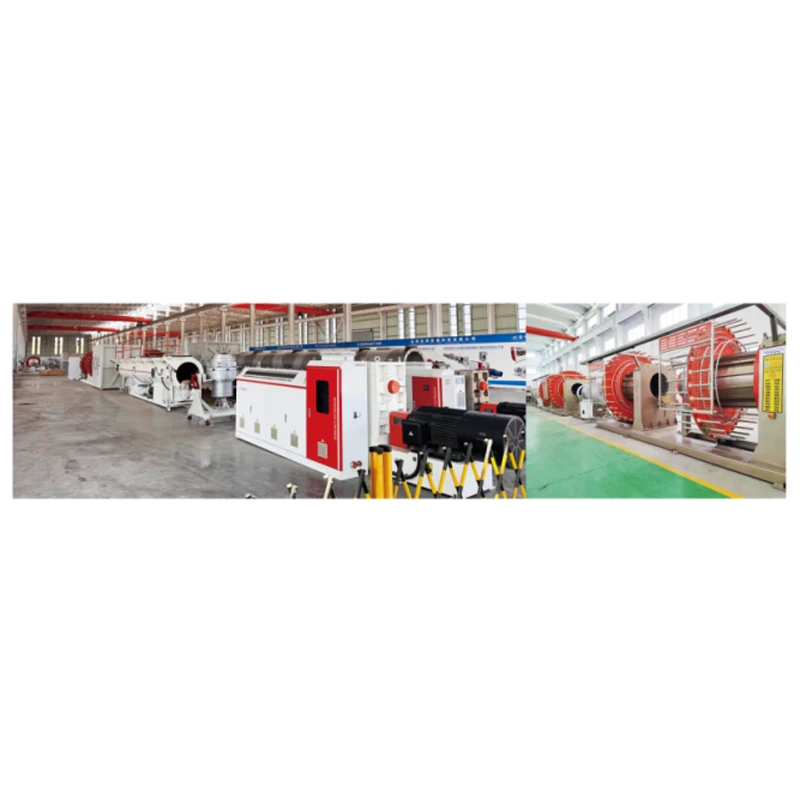
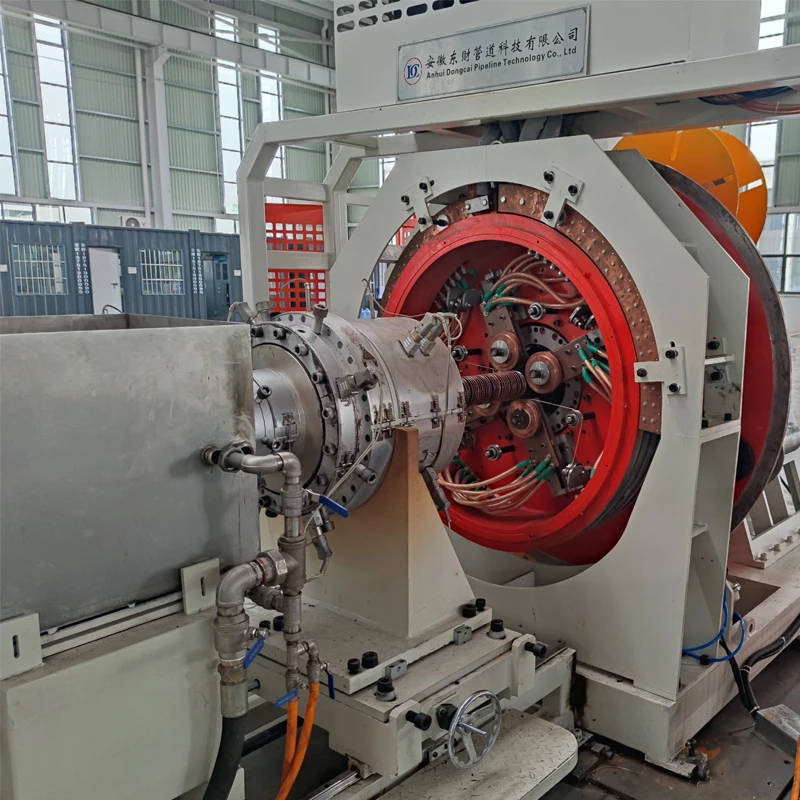
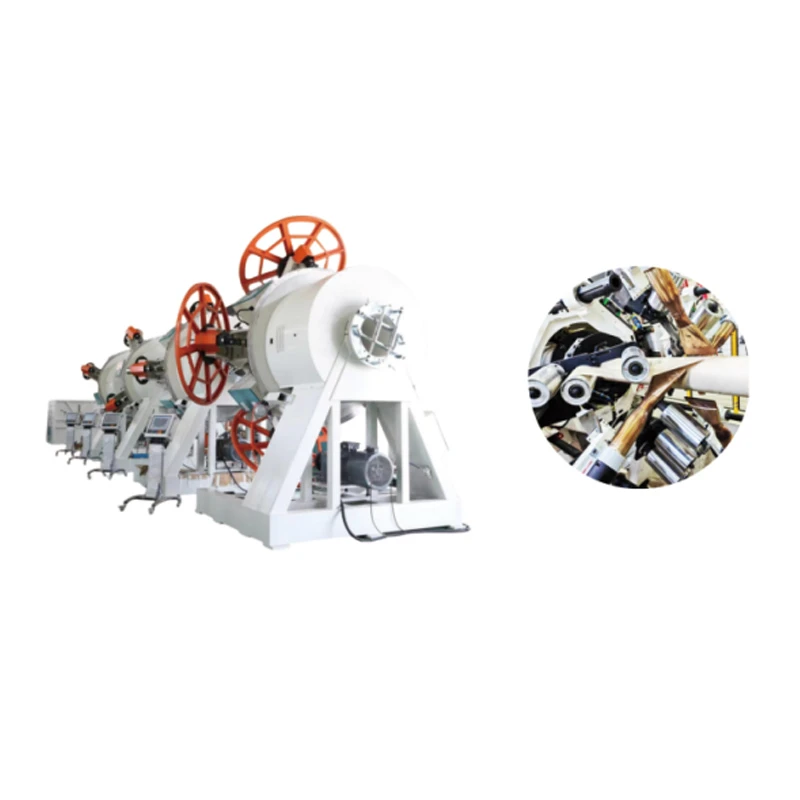
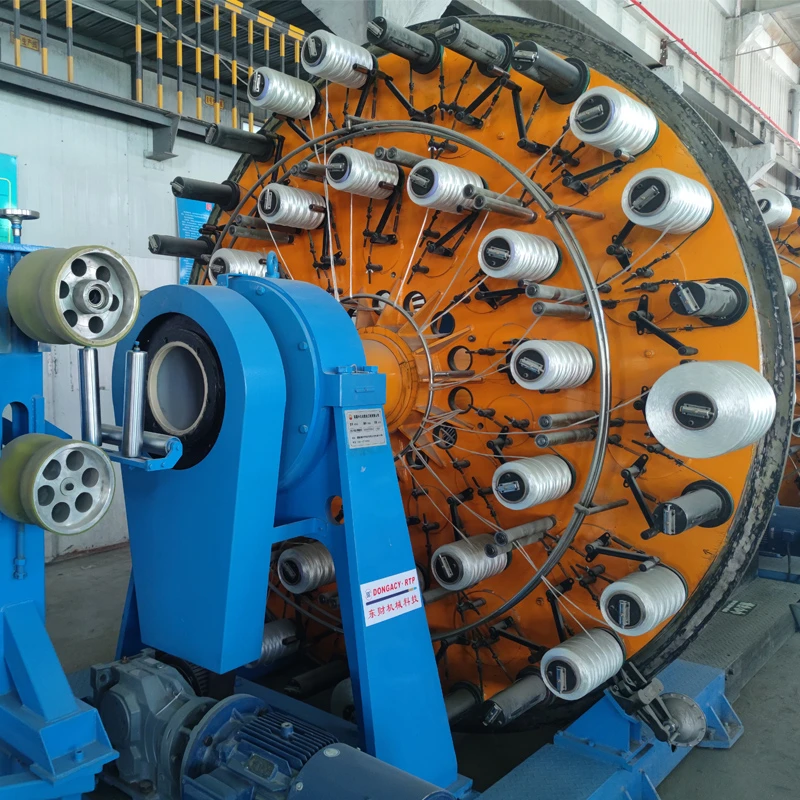
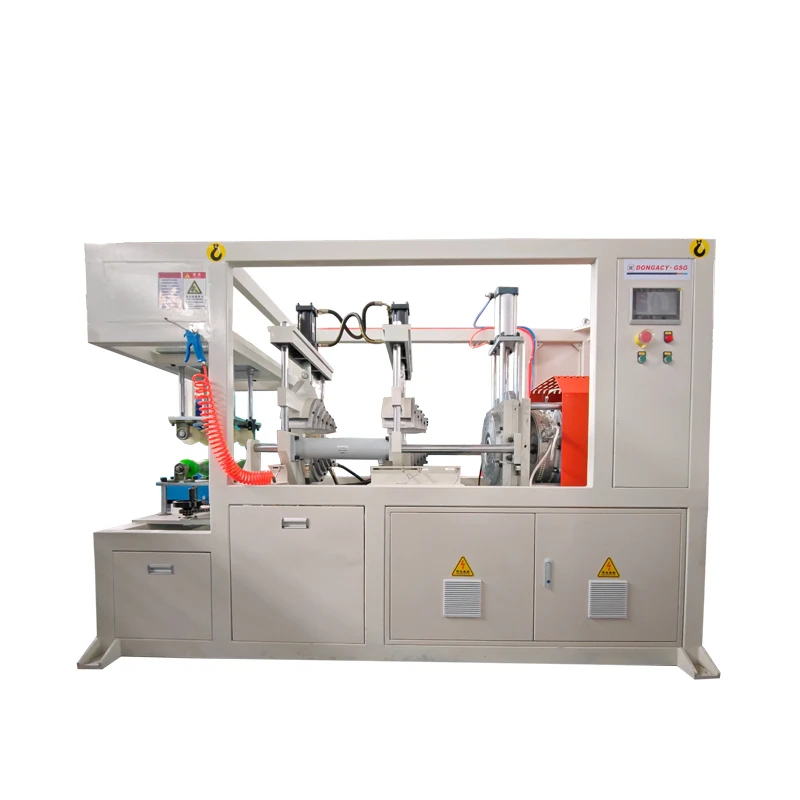
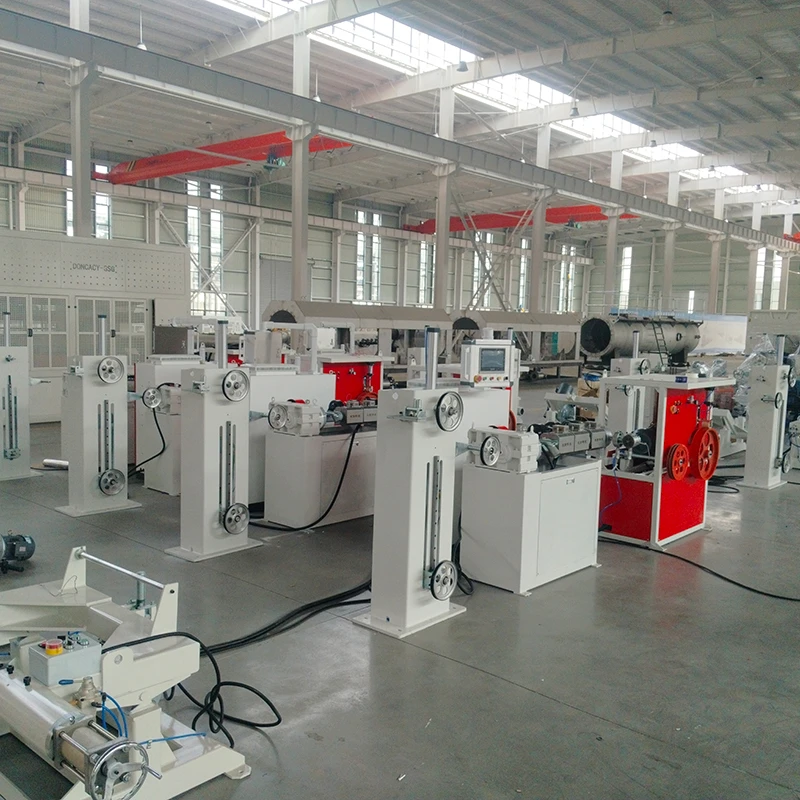
A pipe extrusion line takes raw plastic granules – that’s your HDPE, PVC, PP, etc. – melts them down, and forces the molten plastic through a die to create a continuous pipe. The key is consistency. Die design is critical. Then there’s the cooling process, the haul-off unit that pulls the pipe at a precise speed, and the cutting/winding station. It’s a surprisingly complex process, requiring tight control over temperature, pressure, and speed. Here's a quick look at typical specifications:
| Parameter | Specification | Notes |
|---|---|---|
| Max. Pipe Diameter | Up to 1600mm | Dependent on Die |
| Production Speed | 1-10 m/min | Material & Diameter Dependent |
| Material Compatibility | HDPE, PVC, PP, PE | Customizable Dies Available |
Benefits & Use Cases
Where do you see these pipes? Everywhere, honestly. Water supply, irrigation, drainage, gas distribution… even conduit for electrical cables. The benefits are pretty straightforward: corrosion resistance, lightweight compared to metal, and relatively low cost. But increasingly, it's about customization. A lot of our clients need specific pipe properties – UV resistance for outdoor applications, high pressure ratings for industrial use. That’s where a good pipe extrusion line manufacturer can really shine – they can tailor the line to your exact needs.
Cost, Maintenance & User Experience
Okay, let's talk money. Initial investment is significant, no getting around that. But long-term, the reliability and reduced waste can deliver a strong ROI. Maintenance is key, of course. Regular die cleaning, lubrication of moving parts, and monitoring of temperature sensors are all crucial. Many engineers say preventative maintenance is far cheaper than dealing with unexpected downtime. Here’s a quick comparison of a few key players in the market:
| Manufacturer | Price Range (USD) | Support & Service | Customization Options |
|---|---|---|---|
| AHDC | $150,000 - $500,000+ | Excellent, responsive | Highly Customizable |
| XYZ Plastics | $120,000 - $400,000+ | Good, standard support | Limited |
| Global Extrusion | $100,000 - $350,000+ | Average | Basic |
Sustainability & Market Trends
The push for sustainability is a huge driver. Recycled plastics are increasingly being used in pipe production, and manufacturers are focusing on minimizing energy consumption during the extrusion process. Regulations are getting tighter, too, particularly around water quality and infrastructure resilience. I suppose this is also pushing demand for higher-quality, longer-lasting pipes. We’re seeing a lot of interest in bio-based plastics as well, though those are still in the early stages of adoption. It’s a dynamic market, that’s for sure.
Frequently Asked Questions about Pipe Extrusion Line Manufacturer
- What is Pipe Extrusion Line Manufacturer and how does it work?
- A pipe extrusion line takes plastic materials and transforms them into pipes through melting, shaping, cooling, and cutting. The process involves precise control over temperature, pressure, and speed to ensure consistent quality and dimensions.
- What are the main benefits of using Pipe Extrusion Line Manufacturer in industrial applications?
- Key benefits include durability, cost-effectiveness, corrosion resistance, lightweight construction, and the ability to customize pipes for specific applications, reducing material waste and improving operational efficiency.
- How does Pipe Extrusion Line Manufacturer compare to traditional alternatives?
- Compared to metal pipes, plastic pipes offer advantages like lower cost, ease of installation, and resistance to corrosion. Extrusion lines enable mass production with consistent quality, surpassing manual methods in efficiency and precision.
- What industries can benefit most from Pipe Extrusion Line Manufacturer implementation?
- Industries such as construction, agriculture, water management, oil & gas, and telecommunications all benefit from utilizing pipe extrusion technology for infrastructure development and material conveyance.
Conclusion on Pipe Extrusion Line Manufacturer from china
At the end of the day, choosing the right pipe extrusion line manufacturer comes down to a balance of price, quality, and support. Don't skimp on the details— a little extra upfront investment can save you a lot of headaches down the road. Visit our website for a customized quote.
- Reliability is the foundation of any successful infrastructure project.
-
High Efficiency PE Extrusion Line Guide for Plastic ManufacturingNewsApr.16,2026
-
High Speed Steel Wire Mesh HDPE Composite Pipe Production Line - Anhui Dongchai|High Automation&Energy EfficiencyNewsApr.13,2026
-
High Speed Steel Wire Mesh HDPE Composite Pipe Production Line - Anhui Dongchai|High Automation&Energy EfficiencyNewsApr.13,2026
-
Guide to Choosing High Efficiency ppr pipe extrusion machineNewsApr.09,2026
-
Comprehensive Guide to Modern Pipe Production Line Technologies and OptimizationNewsApr.07,2026
-
Choosing the Right Extrusion Pipe Machine for Optimal Plastic Pipe ProductionNewsApr.04,2026
-
Comprehensive Guide to PPR Pipe Extrusion Line Technology and ApplicationsNewsMar.31,2026


