
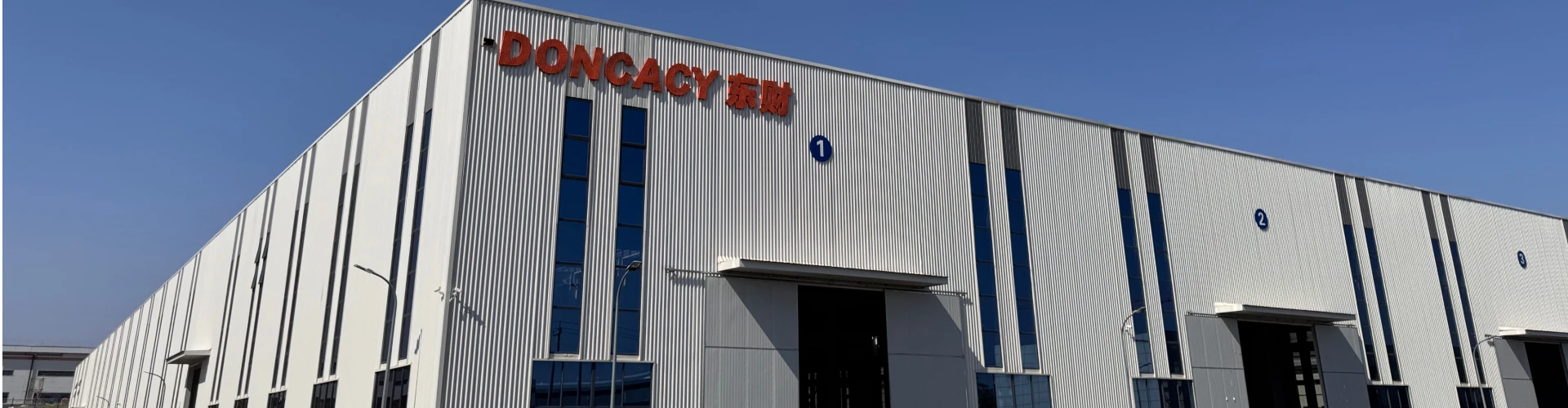
Understanding Plastic Extrusion Equipment Manufacturers
Plastic Extrusion Equipment Manufacturers… it’s a phrase that sounds very technical, and frankly, it is. But at its core, it’s about taking plastic materials and shaping them into continuous profiles. Think pipes, tubes, window frames, even complex automotive parts. It's a surprisingly versatile process, and the manufacturers, like AHDC, are continually innovating. It’s not just about pushing plastic through a die anymore; it's about precision, material science, and increasingly, sustainability.
Table of Contents
- Plastic Extrusion Equipment Manufacturers Overview
- Benefits & Use Cases
- Cost, Maintenance & User Experience
- Sustainability & Market Trends
Plastic Extrusion Equipment Manufacturers Overview
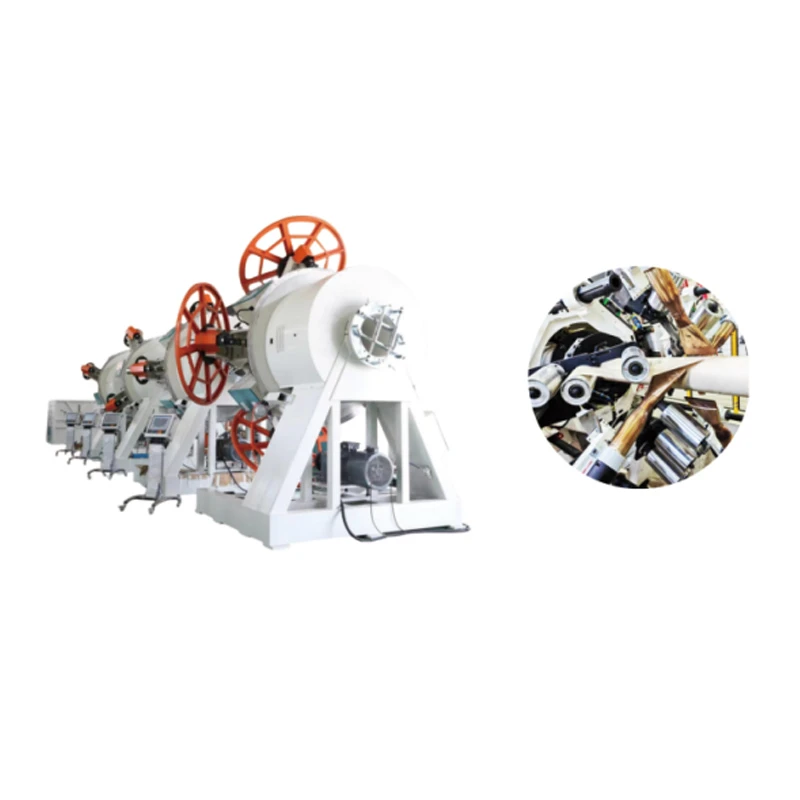
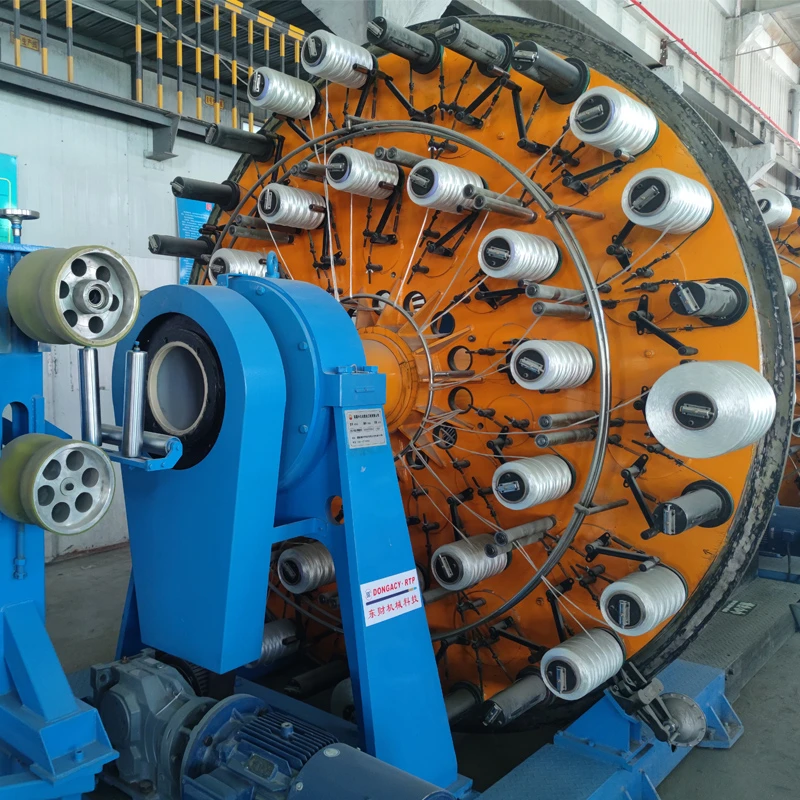
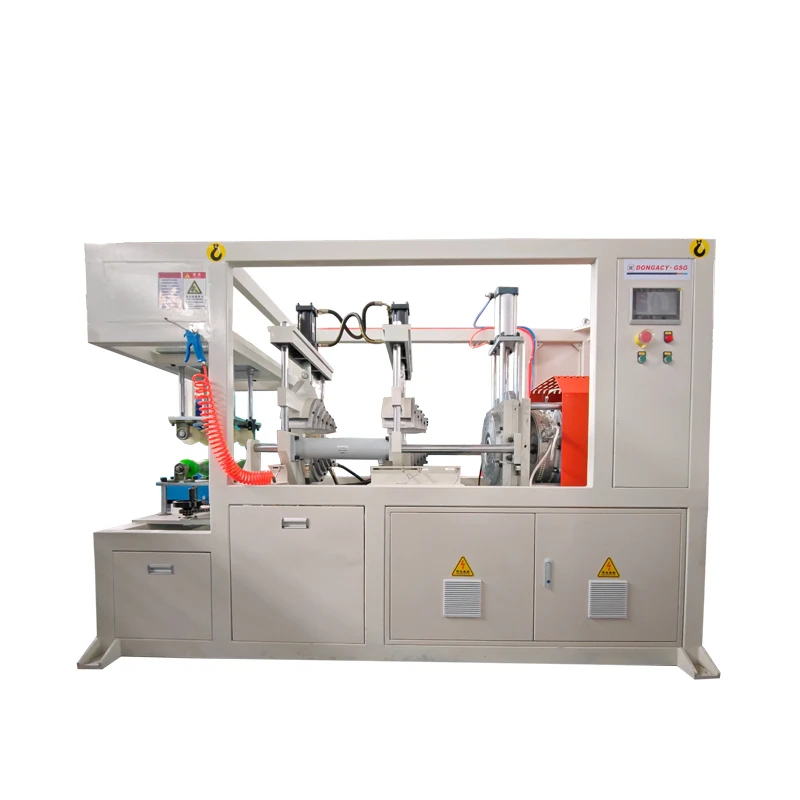
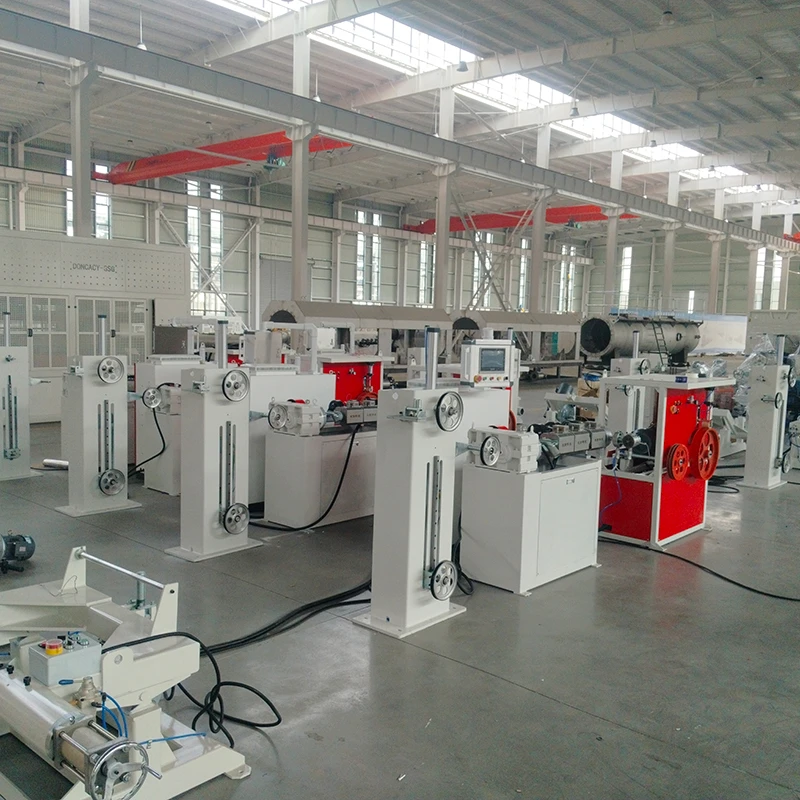
The core of plastic extrusion lies in the extruder itself. It takes plastic pellets – and there’s a huge range of plastics, from simple polyethylene to incredibly durable engineering polymers – melts them down, and forces the molten plastic through a shaped die. This creates a continuous profile. Now, there are single-screw extruders, twin-screw extruders… the choice depends on the material and the desired output. Twin-screw are more versatile, better for complex formulations, but also more expensive. I suppose it comes down to your specific needs. Here's a quick spec rundown for a typical mid-range extruder:
| Parameter | Specification | Notes |
|---|---|---|
| Screw Diameter | 65mm | Common mid-range size |
| Output Capacity | Up to 500 kg/hr | Material dependent |
| Power Consumption | 75 kW | Estimate |
Benefits & Use Cases
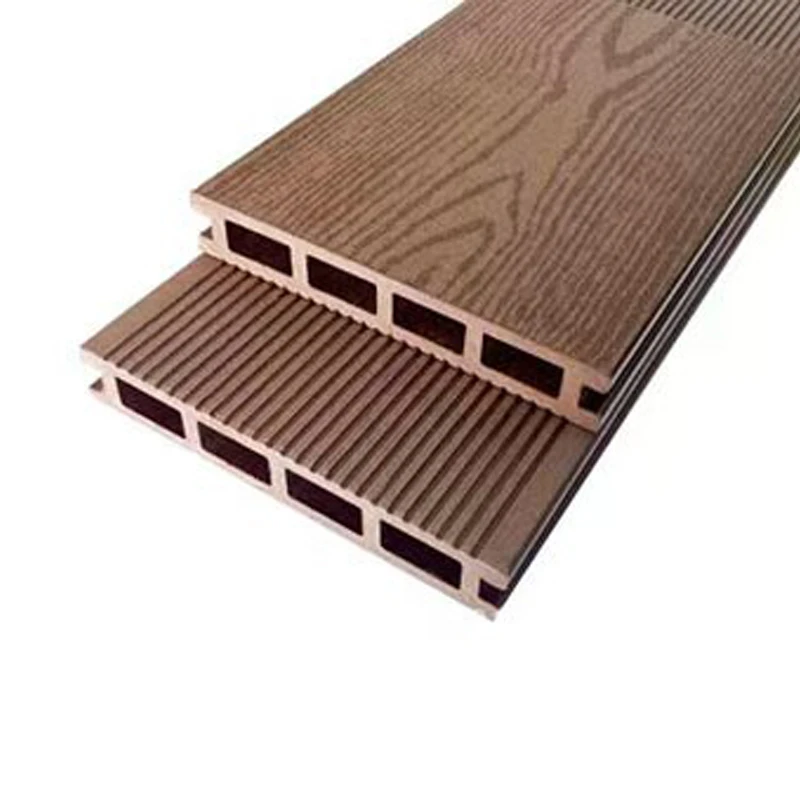
Where do you even start with the applications? Construction – PVC pipes, window profiles. Automotive – interior trim, weather stripping. Packaging – films, containers. Medical – tubing, devices. It’s… everywhere. And the benefits are clear: cost-effective production, design flexibility, and the ability to use a huge range of materials. Many engineers say that the real advantage, especially with modern equipment, is the ability to maintain extremely tight tolerances, which is crucial for things like medical applications. It’s also getting easier to integrate automation, which improves efficiency and reduces labor costs.
Cost, Maintenance & User Experience
Okay, let’s talk money. Upfront costs vary wildly depending on the size, complexity, and level of automation. But you’re looking at a significant investment. However, many manufacturers, like AHDC, are offering financing options. The real cost comes from maintenance, though. Regular cleaning, die changes, screw replacements… it adds up. It feels like a lot, but proper preventative maintenance can significantly extend the lifespan of the equipment. Here’s a quick vendor comparison. It’s not exhaustive, but it gives you a general idea:
| Vendor | Price Range (USD) | Warranty | Support |
|---|---|---|---|
| AHDC | $50,000 - $250,000+ | 1 Year | Excellent |
| XYZ Extrusion | $60,000 - $300,000+ | 6 Months | Good |
| ABC Plastics | $40,000 - $200,000+ | 9 Months | Average |
Sustainability & Market Trends
There's a growing push for sustainable plastics – recycled materials, biodegradable polymers, and more efficient manufacturing processes. That’s driving demand for more sophisticated extrusion equipment that can handle these new materials. Regulations are also tightening, forcing manufacturers to reduce waste and energy consumption. It’s a bit of a challenge, but also an opportunity for innovation. And oddly enough, I think we’ll see more specialized equipment emerging - machines tailored for specific materials and applications, rather than one-size-fits-all solutions.
Frequently Asked Questions about Plastic Extrusion Equipment Manufacturers
- What is Plastic Extrusion Equipment Manufacturers and how does it work?
- Plastic extrusion involves melting plastic and forcing it through a die to create a continuous profile. Equipment includes extruders, dies, cooling systems, and take-up units. The process allows for versatile shape creation and high-volume production.
- What are the main benefits of using Plastic Extrusion Equipment Manufacturers in industrial applications?
- Key advantages include cost-effectiveness, design flexibility, material versatility, and efficient high-volume production. They enable precise control over dimensions and shapes, making them ideal for various industrial needs.
- How does Plastic Extrusion Equipment Manufacturers compare to traditional alternatives?
- Compared to methods like injection molding or machining, extrusion is often more economical for continuous profiles. It offers greater design freedom and minimizes material waste, particularly with advanced technologies.
- What industries can benefit most from Plastic Extrusion Equipment Manufacturers implementation?
- Industries like construction, automotive, packaging, medical, and agriculture can significantly benefit from plastic extrusion. Applications include pipes, profiles, films, tubing, and customized components.
Conclusion on Plastic Extrusion Equipment Manufacturers from china
Ultimately, choosing the right Plastic Extrusion Equipment Manufacturers is a complex decision. It requires a thorough understanding of your specific needs, materials, and budget. But it’s an investment that can pay off handsomely in terms of efficiency, quality, and innovation. Visit our website: https://www.ahdc11.com for more details.
-
High Efficiency PE Extrusion Line Guide for Plastic ManufacturingNewsApr.16,2026
-
Guide to Choosing High Efficiency ppr pipe extrusion machineNewsApr.09,2026
-
Comprehensive Guide to Modern Pipe Production Line Technologies and OptimizationNewsApr.07,2026
-
Choosing the Right Extrusion Pipe Machine for Optimal Plastic Pipe ProductionNewsApr.04,2026
-
Comprehensive Guide to PPR Pipe Extrusion Line Technology and ApplicationsNewsMar.31,2026
-
Understanding the Functionality and Applications of a Pipe Extruder SystemNewsMar.28,2026
-
Comprehensive Guide to Pipe Extrusion Machine Technology and ApplicationsNewsMar.26,2026


