
PVC Wall Panel Extrusion Machine: A Veteran’s Take on Efficiency and Innovation
Working in the industrial equipment sector for well over a decade, I’ve seen machines come and go, but the PVC wall panel extrusion machine has steadily carved out its niche in manufacturing setups worldwide. It’s one of those devices that, frankly, feels like a silent workhorse in the background—rarely flashy, but essential. When I first encountered it, I was struck by its balance of precision and throughput, qualities many engineers say are hard to find together.
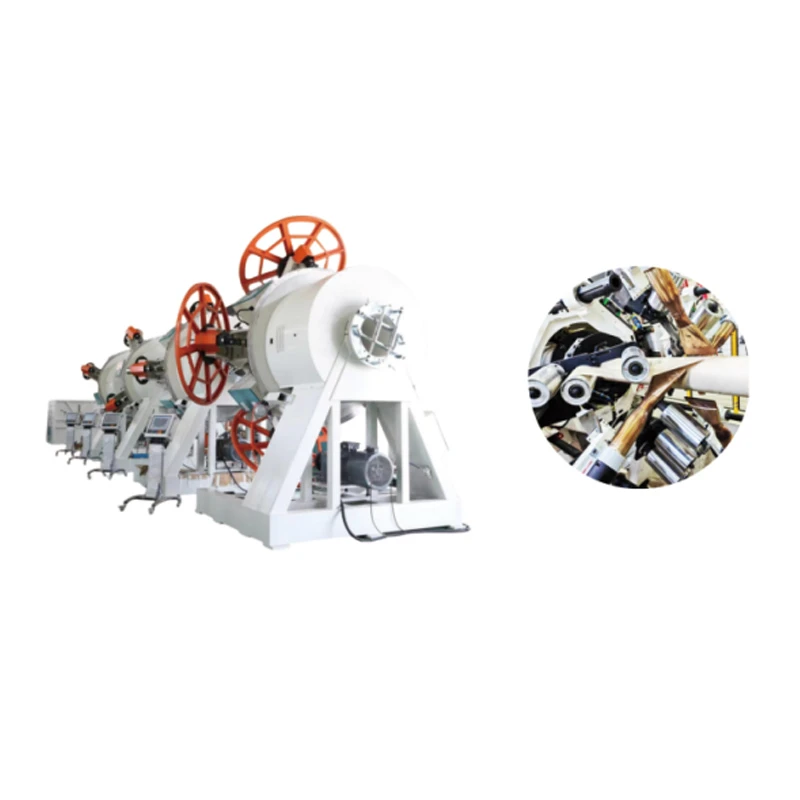
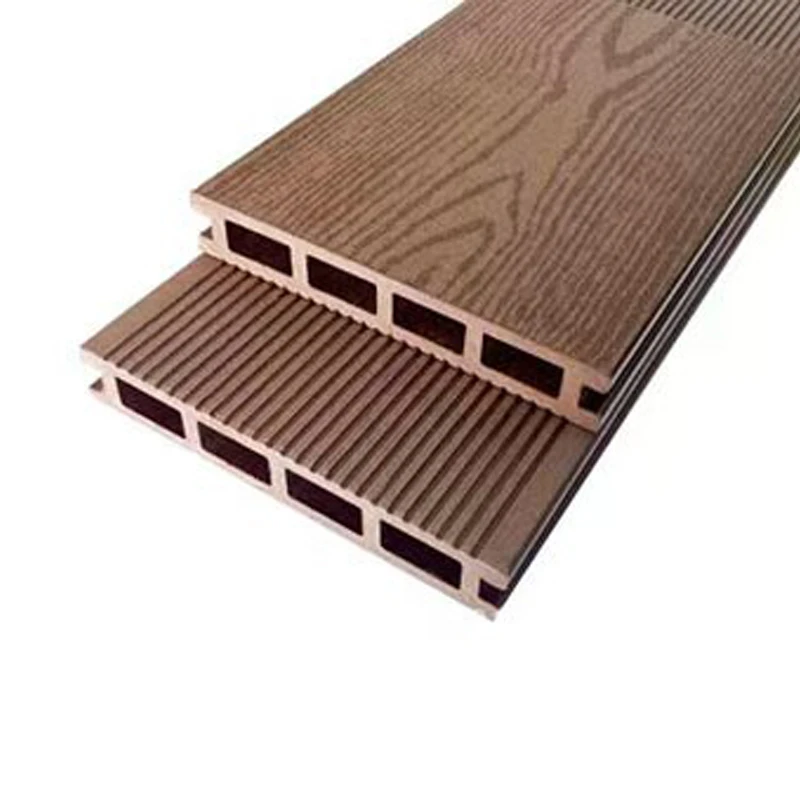
So, what exactly makes this equipment a standout? Well, for starters, the design centers around the extrusion process tailored specifically for producing PVC wall panels — lightweight yet remarkably durable building materials favored in commercial and residential projects alike. The machine constantly pushes melted PVC resin through a shaped die, forming panels that meet exacting dimensional and aesthetic standards.
Oddly enough, one thing I noticed early on is how these machines handle variations in raw materials. PVC compounds can differ somewhat batch to batch—some more rigid, others flexible. The extrusion system’s control units usually compensate for that in real-time, adjusting screw speeds and temperature zones to maintain product consistency. You might say it’s like a well-tuned instrument, intuitively reacting to keep the music going smoothly.
The customization options manufacturers offer here are impressive. From extruder screw lengths to die profiles and cooling mechanisms, you can tailor the setup to specific panel sizes and textures. This versatility proved crucial when a longtime client requested textured panels for a decorative interior wall system. We adapted the cooling section and die design until the finish was just right—no minor task, but that’s the beauty of extrusion precision.
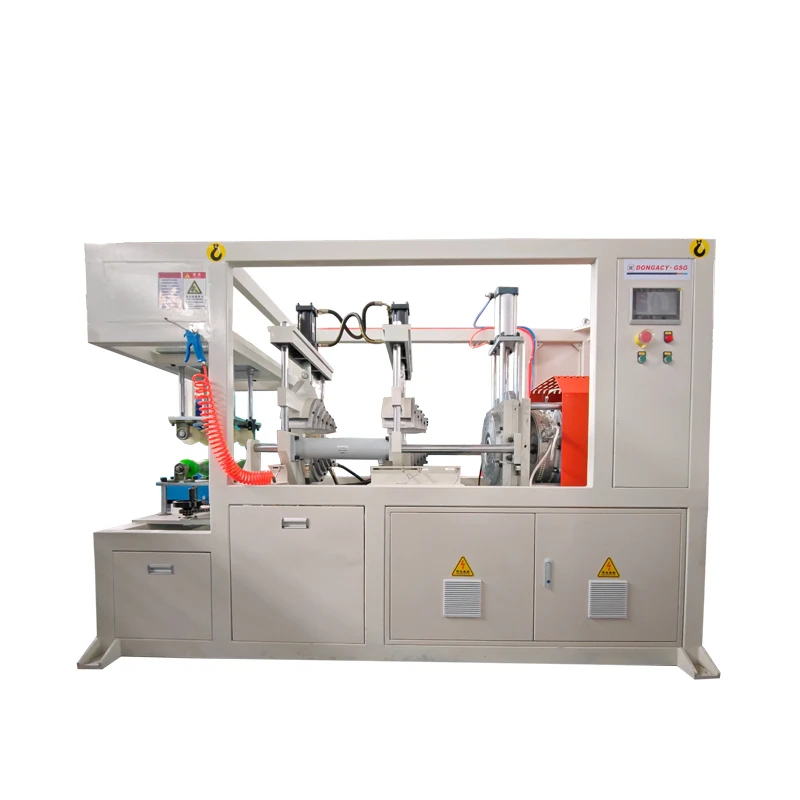
Now, in real terms, the operational efficiency of these machines impacts not only production speed but also energy consumption and material waste – areas manufacturers scrutinize heavily these days due to cost and sustainability pressures. Modern iterations of the PVC wall panel extrusion machines usually include digital monitoring—temperature sensors, motor torque analytics, and automated feed adjustment—that sharply reduce downtime through predictive maintenance.
I recall a particular case where a mid-sized furniture company switched to these extrusion machines from their older, generic plastic machinery. They reported a 15% improvement in output and a significant decrease in defective panels within months. It sort of confirms what I’ve observed: investing in technology aligned to specific application needs pays off quickly.
| Specification | Details |
|---|---|
| Screw Diameter | 75–120 mm (customizable) |
| Output Capacity | 300–700 kg/h |
| Power Consumption | 22–55 kW |
| Panel Width Range | 200–1200 mm |
| Control System | PLC with touchscreen HMI |
| Cooling Method | Water or air cooling (optional) |
Naturally, not all vendors are created equal. While evaluating suppliers, I found some notable differences that any savvy buyer should consider. Here’s a quick glance:
| Vendor | Price Range | Customization | After-Sales Service | Delivery Time |
|---|---|---|---|---|
| AHDC11 | $$$ | High - tailored die design & screw options | Excellent - 24/7 support, onsite training | 4–6 weeks |
| Vetti Tech | $$ | Medium - limited die shape options | Good - online support only | 3–5 weeks |
| ProExtrude | $$$$ | Very High - full system engineering | Premium - onsite and remote support | 6–8 weeks |
In my experience, AHDC11 tends to hit the sweet spot between cost and capability for most mid-market buyers—a balance I always appreciate. Their responsiveness and quality control protocols make them a solid pick if you want reliability without exorbitant premiums.
Of course, no machinery is perfect, but the modern PVC wall panel extrusion machine is as close as you get for this specific industrial niche. It’s a testament to the steady evolution of equipment designed with both operator needs and material science advances in mind.
You know, after years of seeing incremental improvements and output gains, I’ve come to respect the real craft behind PVC extrusion machines. Though often overlooked, they quietly enable diverse industries to build smarter, faster—and in a better environmental footprint than ever before.
Bottom line? Investing in the right extrusion machine isn’t just about specs or price tags; it’s about finding a partner in production that adapts, performs, and lasts.
References:
1. Industry reports on extrusion technology advancements, 2023.
2. AHDC11 official product brochures and technical sheets.
3. Client feedback collected during site visits 2021-2023.
-
High Efficiency PE Extrusion Line Guide for Plastic ManufacturingNewsApr.16,2026
-
Guide to Choosing High Efficiency ppr pipe extrusion machineNewsApr.09,2026
-
Comprehensive Guide to Modern Pipe Production Line Technologies and OptimizationNewsApr.07,2026
-
Choosing the Right Extrusion Pipe Machine for Optimal Plastic Pipe ProductionNewsApr.04,2026
-
Comprehensive Guide to PPR Pipe Extrusion Line Technology and ApplicationsNewsMar.31,2026
-
Understanding the Functionality and Applications of a Pipe Extruder SystemNewsMar.28,2026
-
Comprehensive Guide to Pipe Extrusion Machine Technology and ApplicationsNewsMar.26,2026


