
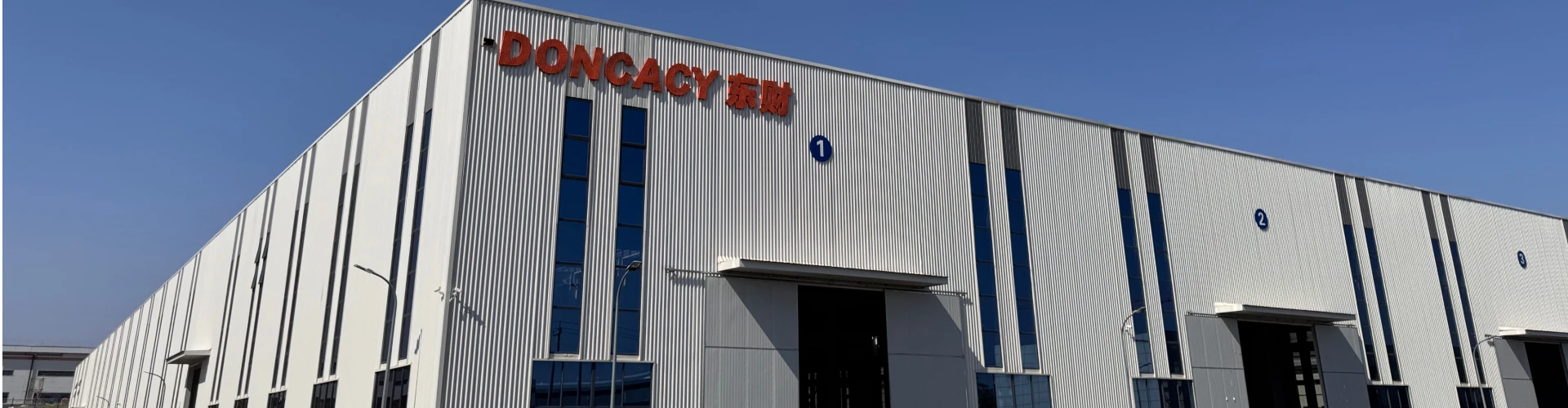
Exploring the PVC Twin Pipe Production Line: A Veteran's Perspective
Having clocked more than a decade in the industrial equipment sector, I’ve seen my fair share of manufacturing setups. But the PVC twin pipe production line always stands out — oddly enough, because it blends robust engineering with a surprisingly flexible manufacturing process.
Let me be frank: pipe extrusion lines aren’t glamorous, but when it comes to producing reliable twin pipes for water or electrical conduits, this machinery carries a large chunk of the responsibility. You know, twin pipes are basically two pipes joined side-by-side, which is handy for minimizing trench work and simplifying installations — something many engineers swear by.
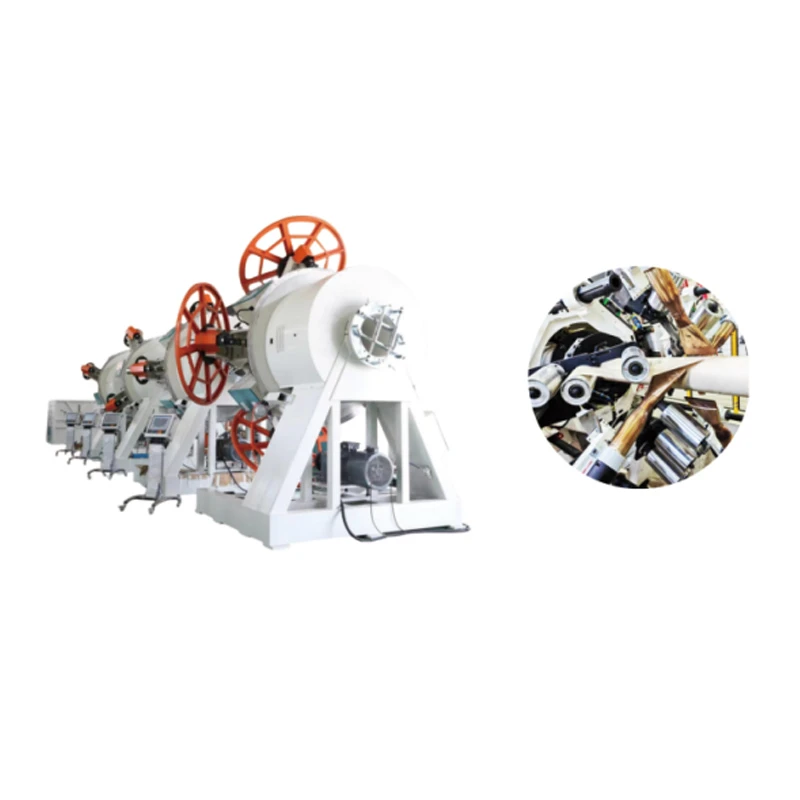
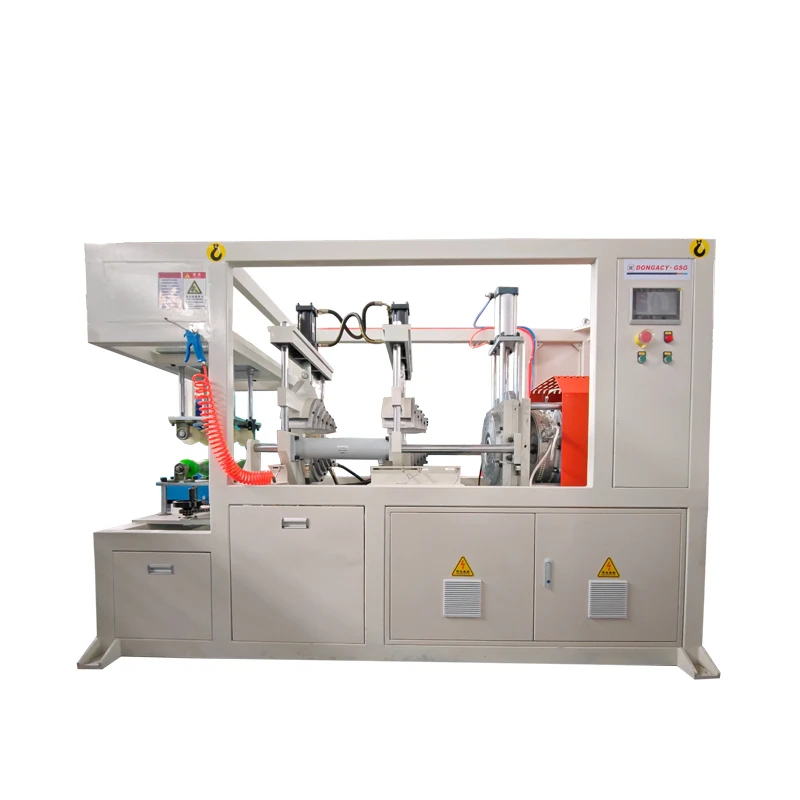
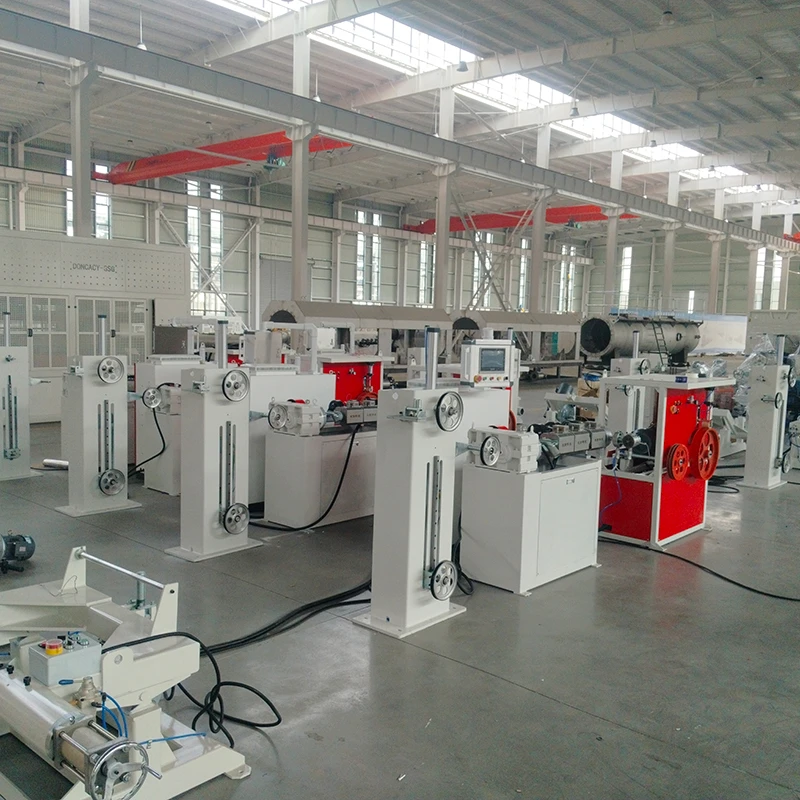
Now, designing these lines is no trivial matter. The production line needs to melt and extrude PVC consistently, ensure proper cooling, and then deliver uniform pipes stuck together with precision. Materials play a key role here — the often-used PVC compound must be stable under heat and pressure and resistant enough to endure outdoor exposure over the years. I’ve noticed that tweaking the polymer blend just slightly can mean the difference between a brittle pipe and one that’ll last decades.
Testing the pipes post-extrusion is another piece I find fascinating. The line must deliver outputs that pass standards for impact resistance, flexibility, and dimensional accuracy. One customer I worked with once shared they could immediately spot uneven wall thickness or bonding issues with inferior machines — that’s no surprise, since those defects translate to real-world failures.
The advantages of using a dedicated twin pipe production line? You get high throughput with consistent quality. Plus, since these lines are often programmable, customizing pipe dimensions or adding features like color stripes becomes simpler. It feels like the manufacturers are really listening to the market’s needs.
| Parameter | Value |
|---|---|
| Max Output Capacity | 300 kg/h |
| Pipe Diameter Range | 20 - 63 mm (per pipe) |
| Extruder Model | Single Screw, 65 mm |
| Line Length | 18 meters |
| Cooling System | Water tank with temperature control |
| Control System | PLC with touchscreen interface |
Now, when selecting a vendor, it’s not just about specs. Reliability, after-sales service, and ability to customize count hugely. To give you a quick rundown, here's how some well-known manufacturers stack up in these areas:
| Vendor | Customization | Warranty Period | After-Sales Support | Approx. Price |
|---|---|---|---|---|
| AHDC | High (modular options) | 2 years | Remote & onsite | $$$ |
| Vendor B | Medium (limited add-ons) | 1 year | Remote only | $$ |
| Vendor C | Low (standard line only) | 6 months | Onsite only | $ |
I remember a client once telling me that investing in a line with a flexible control system really saved them headaches down the line — because they were able to switch pipe specifications mid-run without major downtime. Frankly, that's something you don’t always get with lower-cost offerings.
Of course, all this depends on scale, budget, and your product targets. But if you want a blend of consistent output and real-world adaptability, a well-chosen PVC twin pipe production line is a solid bet. At least, that’s my on-the-ground take from witnessing multiple installs over the years.
Just goes to show: sometimes the most unassuming equipment holds the key to efficient manufacturing.
References:
1. Industry Reports on PVC pipe extrusion, Plastics Technology Journal, 2022
2. “Extrusion Equipment Guide,” Industrial Equipment Review, 2023
3. Customer testimonials from AHDC machinery portfolio, 2021–2023
-
High Efficiency PE Extrusion Line Guide for Plastic ManufacturingNewsApr.16,2026
-
Guide to Choosing High Efficiency ppr pipe extrusion machineNewsApr.09,2026
-
Comprehensive Guide to Modern Pipe Production Line Technologies and OptimizationNewsApr.07,2026
-
Choosing the Right Extrusion Pipe Machine for Optimal Plastic Pipe ProductionNewsApr.04,2026
-
Comprehensive Guide to PPR Pipe Extrusion Line Technology and ApplicationsNewsMar.31,2026
-
Understanding the Functionality and Applications of a Pipe Extruder SystemNewsMar.28,2026
-
Comprehensive Guide to Pipe Extrusion Machine Technology and ApplicationsNewsMar.26,2026


