
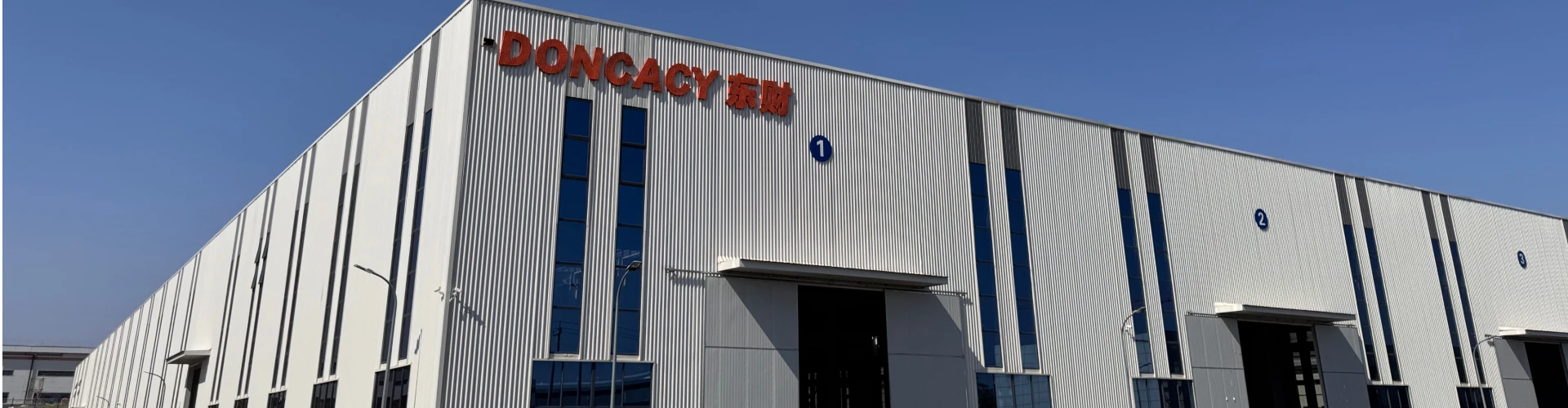
Ppr Pipe Production Line is a key solution in the industry, specifically within manufacturing and infrastructure sectors. This article explores how https://www.ahdc11.com supports professionals with durable, high-performance products, and explains why this product is an ideal choice for businesses in these sectors.
Table of Contents
- Ppr Pipe Production Line Overview
- Benefits & Use Cases of Ppr Pipe Production Line
- Cost, Maintenance & User Experience
- Sustainability & Market Trends
Ppr Pipe Production Line Overview
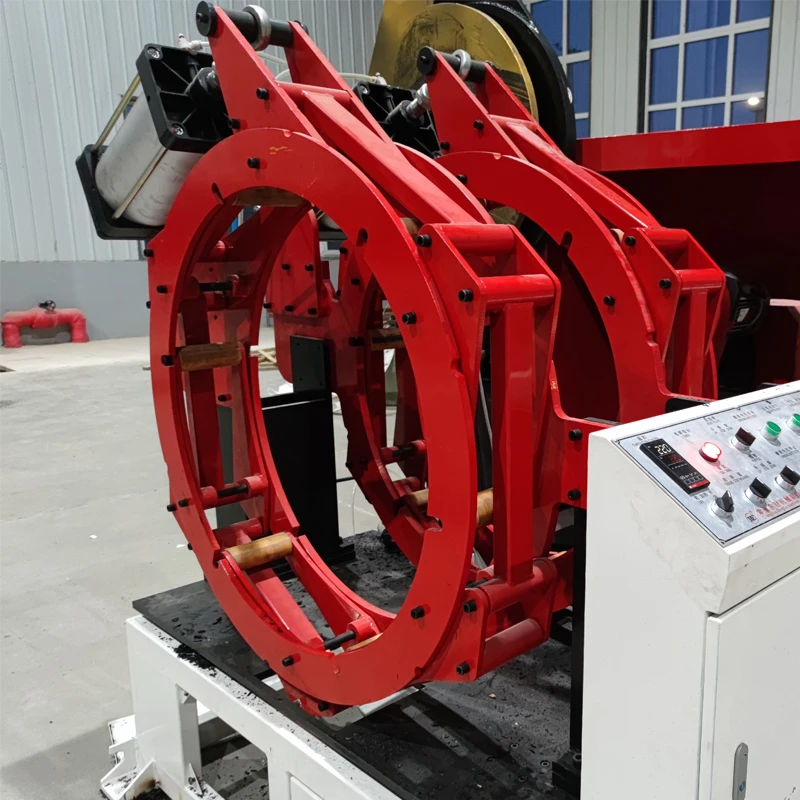
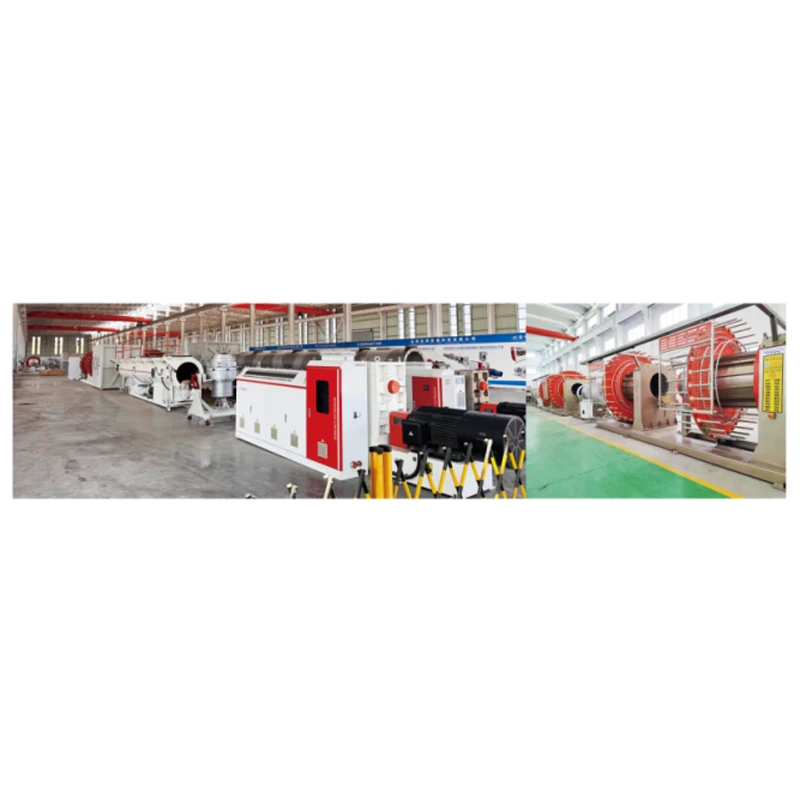
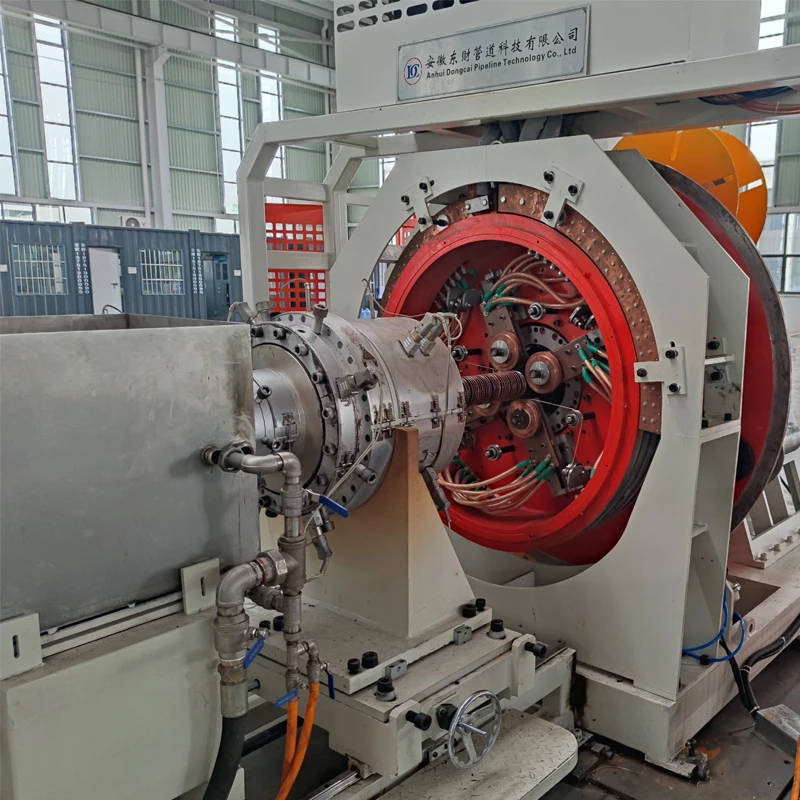
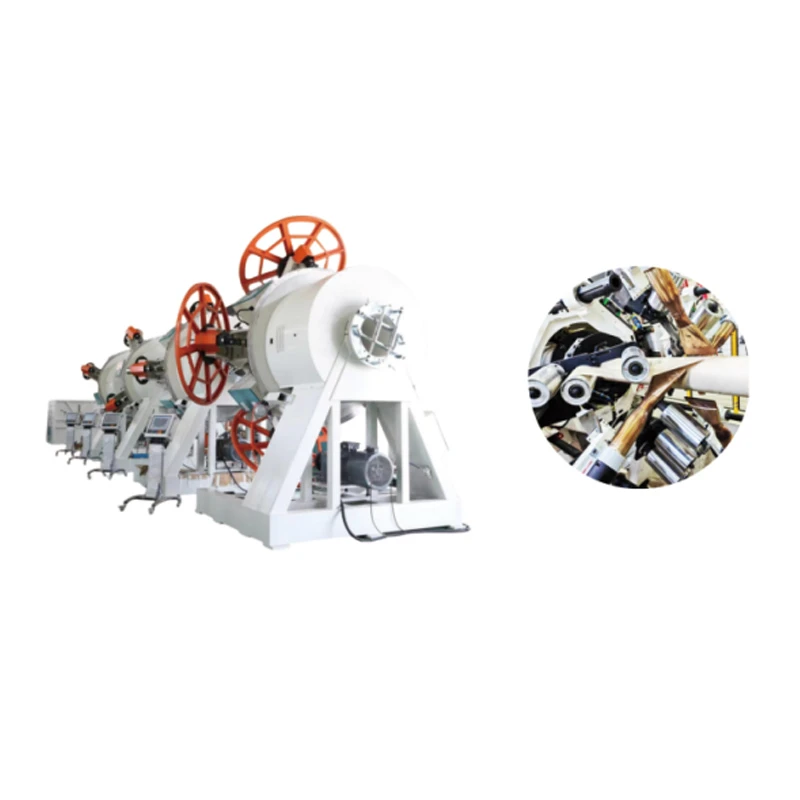
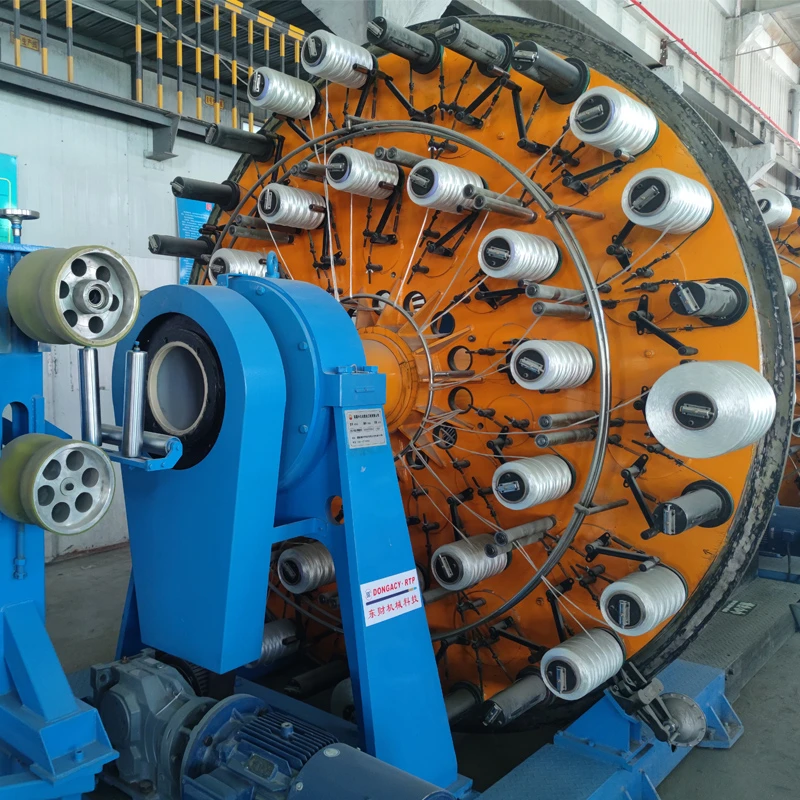
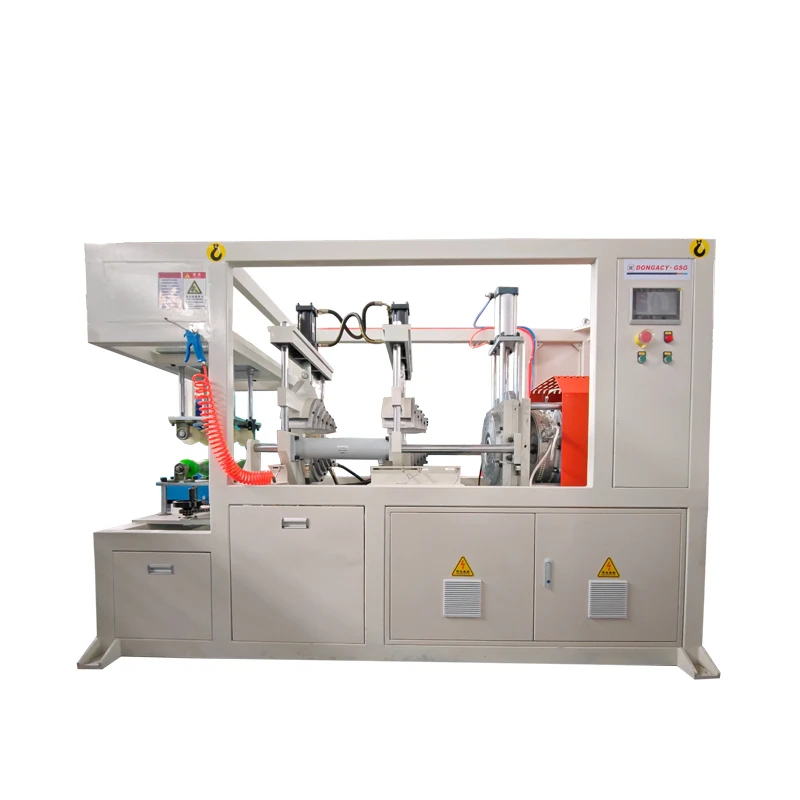
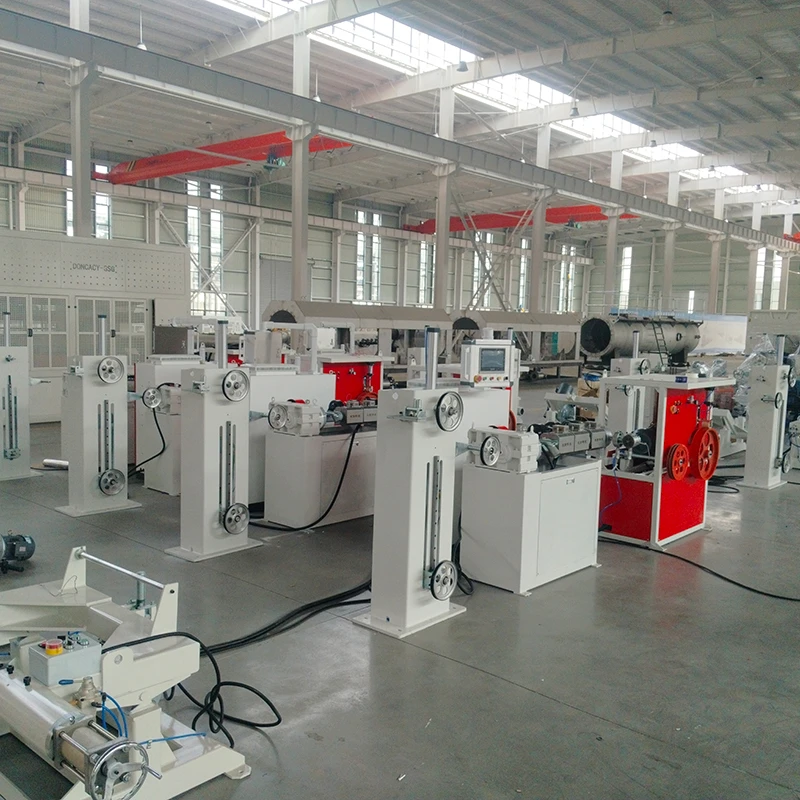
Nowadays, when someone mentions the Ppr Pipe Production Line, they’re talking about an automated, high-efficiency system designed to produce polypropylene random copolymer (PPR) pipes. These pipes are widely used in plumbing, heating, and industrial water supply. Frankly, the production line is a game-changer in pipe manufacturing, blending precision engineering with robust material processing. It typically includes components like extruders, calibration tanks, cooling tanks, haul-off machines, and cutting machines — all synced to optimize throughput and consistency. For example, AHDC’s system uses advanced extrusion heads that ensure smooth pipe walls and excellent dimensional stability, which is critical for long-lasting pipes.
| Specification | Details |
|---|---|
| Pipe Diameter Range | 20mm - 160mm |
| Output Capacity | 100-300 kg/h |
| Extruder Power | 22kW / 45kW options |
| Machine Length | 12 meters approx. |
Benefits & Use Cases of Ppr Pipe Production Line
The advantages of adopting a Ppr Pipe Production Line go beyond sheer manufacturing capacity. For starters, the pipes produced are known for excellent heat resistance and chemical stability, making them ideal for hot and cold water systems, industrial chemical transport, and even underfloor heating. What really stands out is the line’s ability to deliver consistent pipe quality — smooth surfaces reduce friction losses, and the precise wall thickness ensures durability. Many businesses in construction and public utilities swear by this equipment because it helps reduce leakage and maintenance issues downstream.
- Pipe production for plumbing and heating systems
- Industrial pipelines handling chemicals and corrosive liquids
- Customized pipe manufacturing thanks to modular equipment design
Cost, Maintenance & User Experience
Purchasing a Ppr Pipe Production Line might feel like a hefty investment upfront — typically tens of thousands of dollars — but in the long run, it pays off. Durability, low downtime, and energy efficiency lead to a swift return on investment for many manufacturers. Real-world feedback often highlights the low maintenance requirements; for instance, the extrusion components are designed for easy cleaning and replacement. Interestingly, many operators mention how intuitive the control systems are — AHDC’s interfaces let even less experienced staff manage the process smoothly, reducing human error.
Sustainability & Market Trends
Sustainable manufacturing isn’t a buzzword here; it’s a necessity. With stricter regulations worldwide, products like PPR pipes — known for their recyclability and low environmental impact — are gaining favor. What’s more, modern Ppr Pipe Production Lines tend to feature lower energy consumption and ultra-efficient material feeding systems, helping reduce waste. Market trends show the industry is growing steadily, driven by infrastructure expansions, especially in emerging economies. Oddly enough, while many sectors are moving digital, pipe manufacturing remains a blend of high-tech precision and tried-and-true mechanical engineering — a fascinating balance.
| Manufacturer | Output Capacity | Energy Efficiency | Price Range |
|---|---|---|---|
| AHDC | Up to 300kg/h | High (Energy-saving drives) | Mid-range |
| Brand X | Up to 250kg/h | Moderate | Lower-end |
| Brand Y | Up to 350kg/h | Moderate | High-end |
Frequently Asked Questions about Ppr Pipe Production Line
- What is Ppr Pipe Production Line and how does it work?
- It’s essentially a manufacturing system that melts polypropylene random copolymer (PPR) granules and extrudes them into pipes. The process involves extrusion, calibration to the desired dimensions, cooling, and cutting. The machines work together to ensure continuous, consistent production.
- What are the main benefits of using Ppr Pipe Production Line in industrial applications?
- Durability, superior heat and chemical resistance, and cost-effective manufacturing. The system produces pipes with consistent quality which reduces repair costs and downtime in real-world use.
- How does Ppr Pipe Production Line compare to traditional alternatives?
- Compared to metal or PVC pipe production, Ppr lines offer faster production speeds with less energy, plus the pipes themselves have longer lifespans and better resistance to scaling and corrosion.
- What industries can benefit most from Ppr Pipe Production Line implementation?
- Mainly construction, plumbing, heating, and chemical industries. Water supply and waste management sectors also find PPR pipes advantageous due to their reliability and safety.
Conclusion on Ppr Pipe Production Line from china
To sum up, investing in a Ppr Pipe Production Line offers a mix of modern efficiency and product excellence that any B2B decision maker should seriously consider. The durability, sustainability, and user-friendly nature of these production lines make them a smart long-term asset—especially with AHDC’s trusted support.
- Ppr Pipe Production Lines simplify manufacturing while raising product quality
- Visit our website: https://www.ahdc11.com
Oddly enough, despite the complex machinery involved, the Ppr Pipe Production Line feels like the backbone of many pipes you might rely on daily, quietly working behind the scenes to keep industries flowing smoothly.
- AHDC product details and specs: https://www.ahdc11.com
- Industry reports on plastics piping growth, Plastics News 2023
- Case studies from construction sector users, Journal of Pipe Engineering, 2022
-
High Efficiency PE Extrusion Line Guide for Plastic ManufacturingNewsApr.16,2026
-
High Speed Steel Wire Mesh HDPE Composite Pipe Production Line - Anhui Dongchai|High Automation&Energy EfficiencyNewsApr.13,2026
-
High Speed Steel Wire Mesh HDPE Composite Pipe Production Line - Anhui Dongchai|High Automation&Energy EfficiencyNewsApr.13,2026
-
Guide to Choosing High Efficiency ppr pipe extrusion machineNewsApr.09,2026
-
Comprehensive Guide to Modern Pipe Production Line Technologies and OptimizationNewsApr.07,2026
-
Choosing the Right Extrusion Pipe Machine for Optimal Plastic Pipe ProductionNewsApr.04,2026
-
Comprehensive Guide to PPR Pipe Extrusion Line Technology and ApplicationsNewsMar.31,2026


