
Understanding the HDPE pipe extrusion machine: Insights from the field
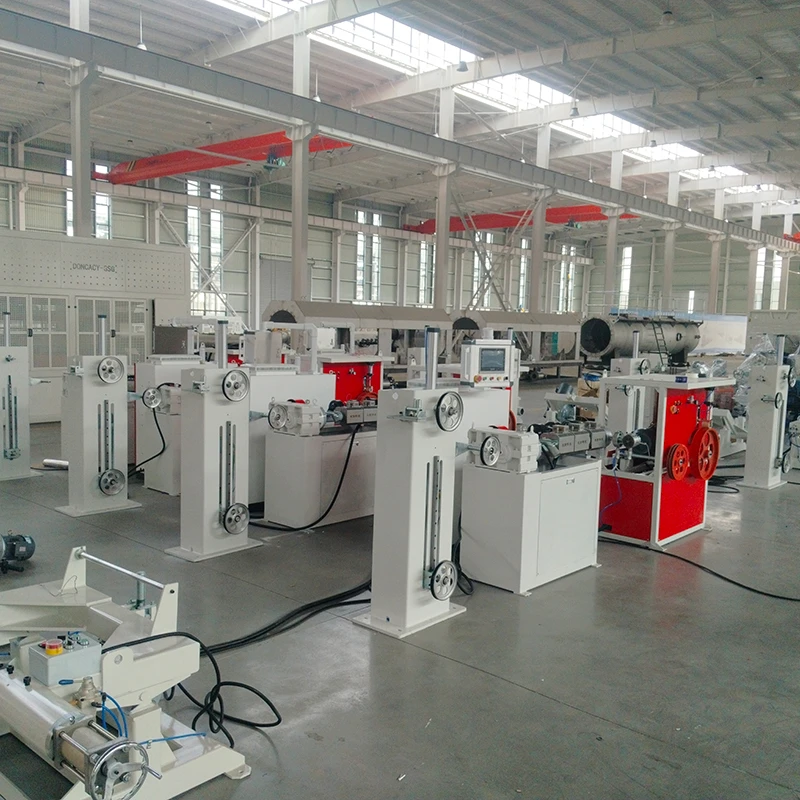
After spending more than a decade navigating the industrial equipment trenches, I’ve come to appreciate the humble yet highly sophisticated HDPE pipe extrusion machine a lot more than most folks might assume. You know, for anyone in plastic pipe production, it’s not just about pressing melted resin through a die—there’s real finesse involved in every step.
HDPE, or high-density polyethylene, has been a material of choice because of its durability, flexibility, and resistance to corrosion. But even with such an excellent raw material, the machine that shapes it plays a critical role. Frankly, the market’s latest extrusion lines feel like they’re balancing old-school robustness with modern tech-savviness —from precise temperature control to easier maintenance.
Oddly enough, one thing I’ve noticed is how customization options seem to matter as much as the machine's raw specs. Some companies expect their extrusion machines to handle pipes ranging from just 20mm up to a whopping 630mm in diameter. That’s quite a range, and it demands flexibility in screw design, die heads, and haul-off speeds.
In fact, here’s a quick rundown of a typical HDPE pipe extrusion machine’s specs that stood out to me while examining recent models:
| Specification | Typical Range/Value |
|---|---|
| Screw Diameter | 45 mm - 90 mm |
| Output Capacity | 50 - 300 kg/hr |
| Pipe Diameter Range | 20 mm - 630 mm |
| Extruder Motor Power | 30 kW - 90 kW |
| Temperature Control Zones | 6 – 8 zones |
| Haul-off Speed | 0-20 m/min |
Many engineers I talk to often stress reliability above all else. The last thing a production line wants is downtime because a poorly-built extrusion machine chokes under continuous load or fluctuating temperatures. I suppose that’s why some manufacturers emphasize high-quality components like wear-resistant screws and robust PLC control units.
Let me share a quick story. A client of mine, running a small but growing pipe factory in southeastern Europe, recently switched to a modular extrusion line that was easy to upgrade later. This flexibility allowed them to experiment with different pipe sizes without buying entirely new equipment. It’s fascinating how evolving customer demands are pushing the industry towards flexible, scalable solutions.
Speaking of suppliers, here is a quick vendor comparison I’ve put together based on commonly referenced industrial brands known for HDPE extrusion machines:
| Brand | Price Range (Approx.) | Output Capacity | Customization Options | Customer Support |
|---|---|---|---|---|
| AHDC | $$$ | Up to 300 kg/hr | High (modular design) | Responsive, comprehensive |
| Brand X | $$ | 100 - 220 kg/hr | Medium | Limited, regional |
| Brand Y | $$$$ | 250 - 350 kg/hr | Custom-built only | Excellent but pricier |
Looking ahead, I expect extrusion machines to become even smarter. IoT-enabled monitoring — tracking screw wear, temperature fluctuations, output consistency — is slowly becoming standard for premium lines. This kind of data-driven approach helps troubleshoot issues before they snowball into costly breakdowns.
In real terms, if you’re exploring the market, consider not just the specs on paper but also after-sales reliability and adaptability. HDPE pipe extrusion machines from reputable manufacturers can be a solid investment if matched with your specific pipe dimensions and production volume.
So yeah, it all comes down to balancing your needs with what the technology offers now and what might come soon. If you take one thing from my experience, it’s that flexibility combined with robust engineering tends to pay off in the long run.
Thanks for reading along — if you want to dig a bit deeper, I encourage you to check out more directly from reliable sources and current user reviews.
1. Plastics Technology, “Pipe Extrusion Market Outlook,” 2023.
2. Industrial Equipment Weekly, “Comparing Industrial Extruders,” May 2023.
3. Client case study, Southeastern Europe, 2022.
-
High Efficiency PE Extrusion Line Guide for Plastic ManufacturingNewsApr.16,2026
-
High Speed Steel Wire Mesh HDPE Composite Pipe Production Line - Anhui Dongchai|High Automation&Energy EfficiencyNewsApr.13,2026
-
High Speed Steel Wire Mesh HDPE Composite Pipe Production Line - Anhui Dongchai|High Automation&Energy EfficiencyNewsApr.13,2026
-
Guide to Choosing High Efficiency ppr pipe extrusion machineNewsApr.09,2026
-
Comprehensive Guide to Modern Pipe Production Line Technologies and OptimizationNewsApr.07,2026
-
Choosing the Right Extrusion Pipe Machine for Optimal Plastic Pipe ProductionNewsApr.04,2026
-
Comprehensive Guide to PPR Pipe Extrusion Line Technology and ApplicationsNewsMar.31,2026


