
Plastic Pipe Production Line: A Comprehensive Guide
The demand for plastic pipes is consistently growing across various industries, including construction, agriculture, and infrastructure. A plastic pipe production line is essential for manufacturers aiming to meet this demand efficiently and effectively. This article will explore the components, process, key considerations, and benefits of investing in a high-quality plastic pipe extrusion line. We will focus on the factors that contribute to producing durable, reliable, and cost-effective plastic pipes. Understanding the intricacies of a production line is crucial for optimizing performance and ensuring product quality.
Components of a Plastic Pipe Production Line
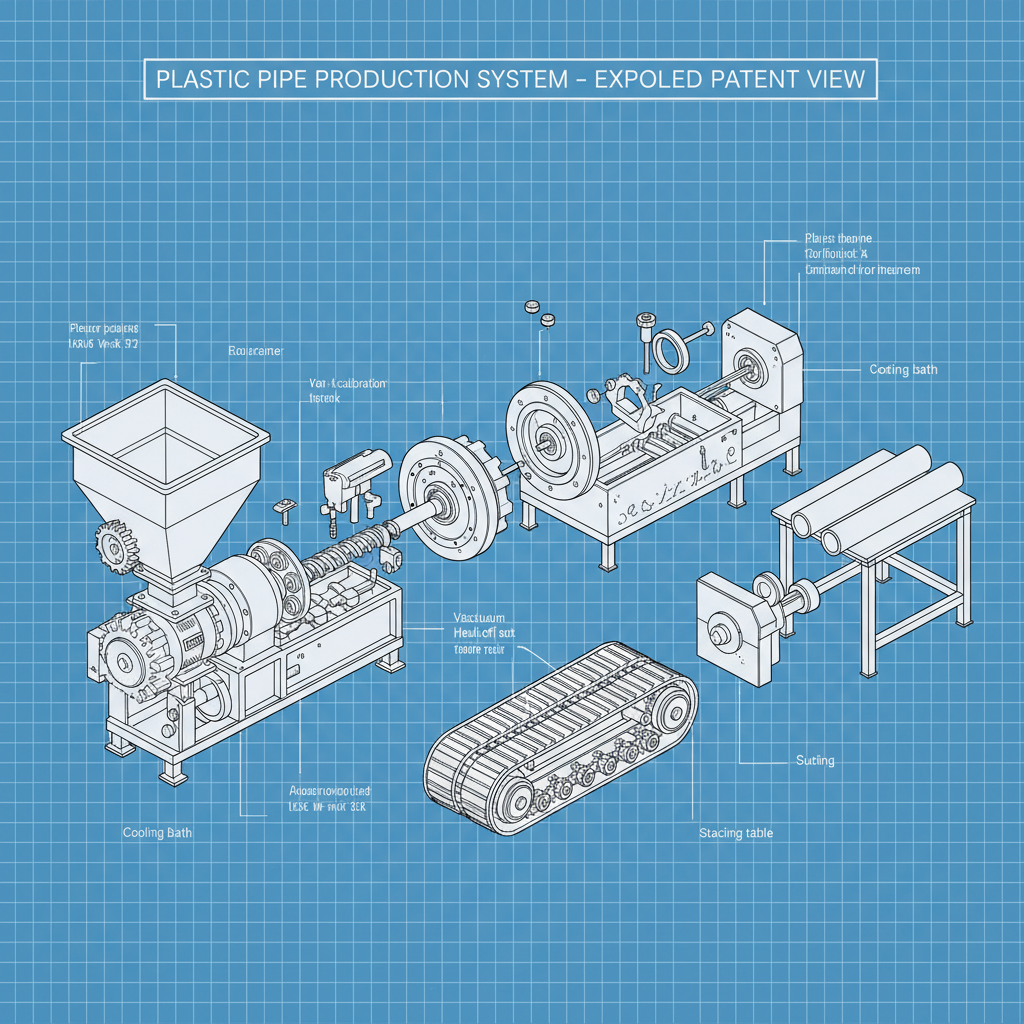
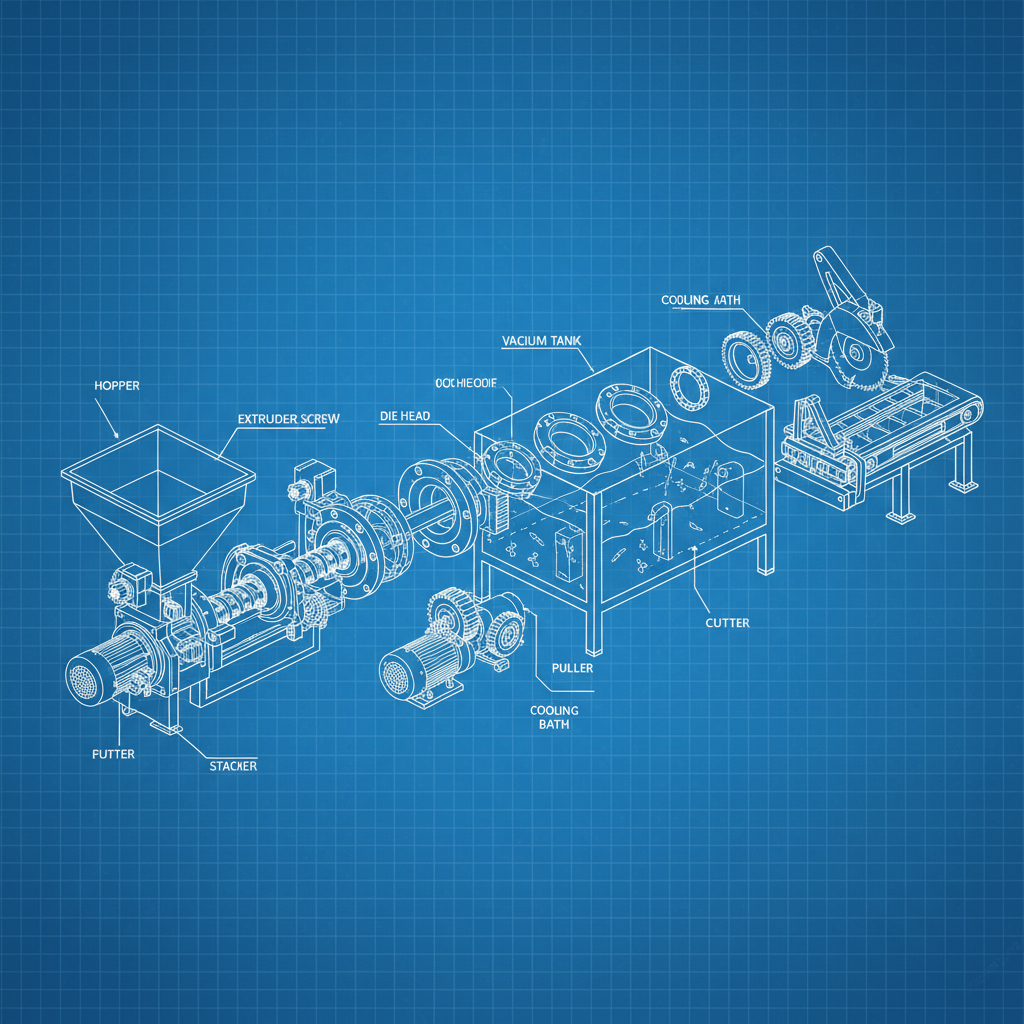
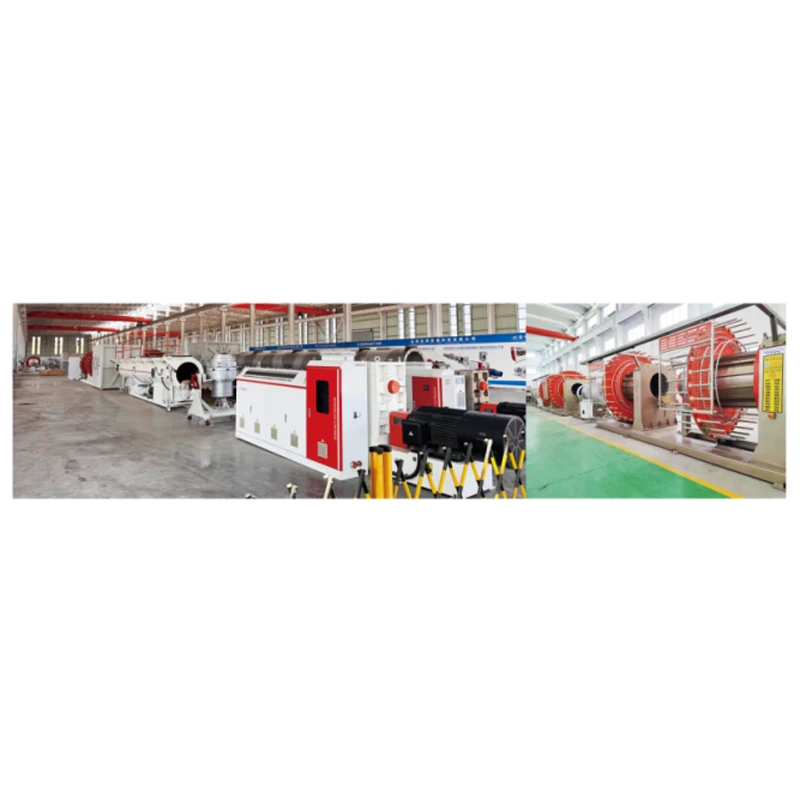
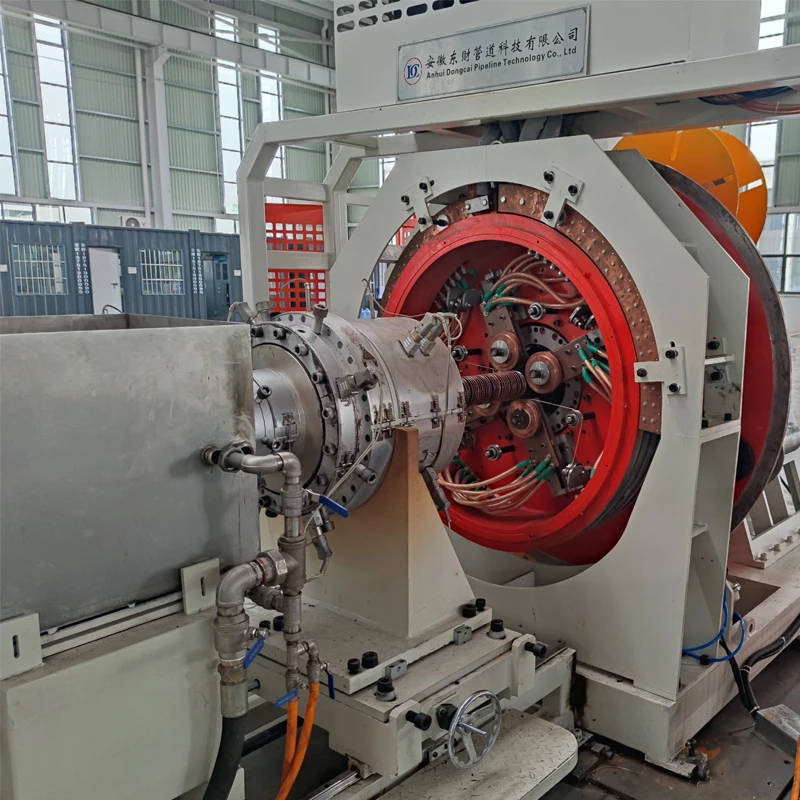
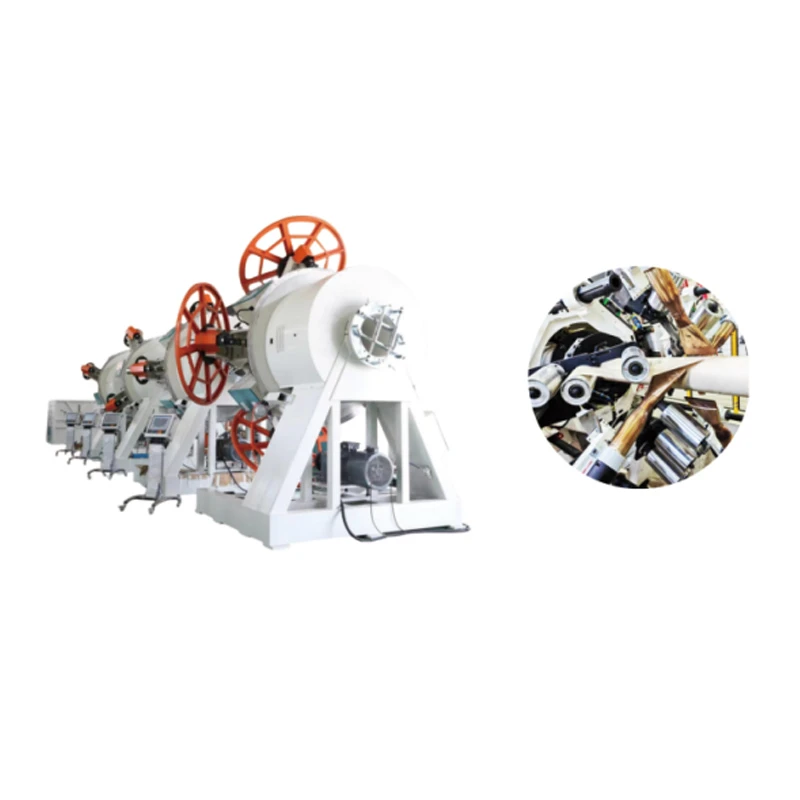
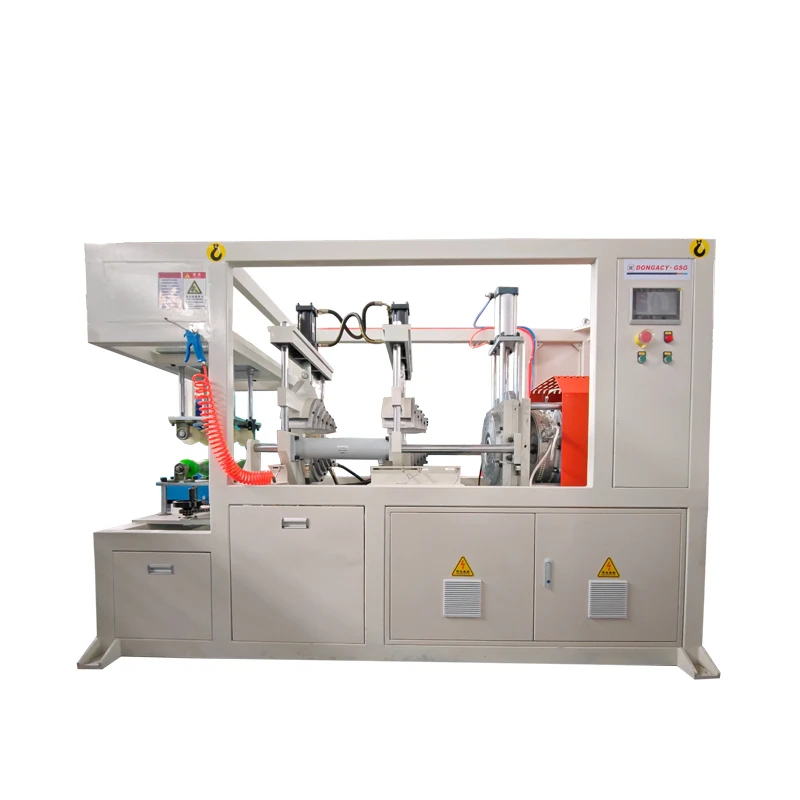
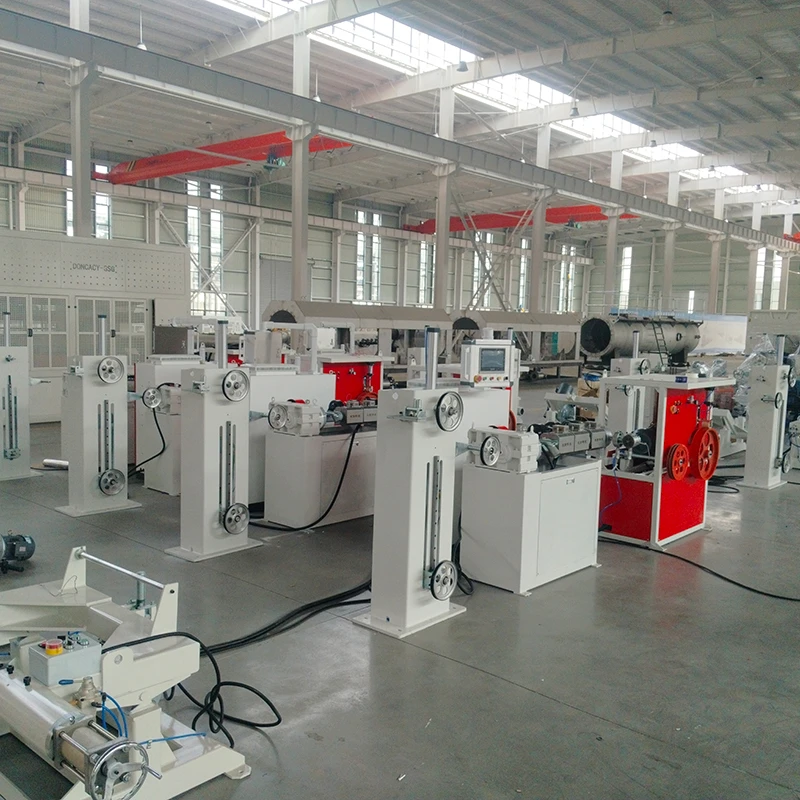
A typical plastic pipe production line consists of several key components working in synergy. These include the extruder, die head, calibration sleeve, cooling tank, haul-off unit, cutting machine, and stacking unit. The extruder melts the plastic resin, the die head shapes the molten plastic into a pipe, and the calibration sleeve maintains the pipe’s dimensions. The cooling tank solidifies the pipe, while the haul-off unit pulls the pipe through the line at a consistent speed. The cutting machine then precisely cuts the pipe to the desired length, and the stacking unit organizes the finished products. Each component plays a vital role in ensuring the final product meets stringent quality standards. Investing in high-quality components translates to increased production efficiency and reduced maintenance costs.
Key Takeaway: A well-integrated production line, with reliable components, guarantees consistent quality and efficient production of plastic pipes.
The Extrusion Process: From Resin to Pipe
The heart of the plastic pipe production line is the extrusion process. Plastic resin, typically in pellet form, is fed into the extruder where it’s heated and melted. A screw conveys the molten plastic, building pressure and forcing it through a die head that shapes it into the desired pipe diameter and wall thickness. Precise temperature control is essential throughout this process to ensure consistent material flow and prevent degradation. The extruded pipe then enters the cooling tank, where water or air is used to solidify it. This process requires meticulous calibration and control to achieve the specified dimensions and properties. Understanding the extrusion process is essential for troubleshooting issues and optimizing production parameters.
Critical Factors in Extrusion:
• Temperature Control: Maintaining optimal temperature profiles.
• Screw Design: Selecting the appropriate screw for the plastic resin.
• Die Head Design: Ensuring accurate pipe dimensions.
• Material Quality: Using high-grade plastic resins.
Plastic Pipe Production Line Comparison: Single-Screw vs. Twin-Screw Extruders
When considering a plastic pipe production line, the choice between single-screw and twin-screw extruders is critical. Single-screw extruders are generally more cost-effective and suitable for processing homogenous materials like PVC. However, twin-screw extruders offer superior mixing and processing capabilities, making them ideal for complex formulations or recycled plastics. They provide more precise control over the melting process, resulting in higher quality pipes. The initial investment for twin-screw extruders is higher, but the improved performance and versatility often justify the cost, especially for manufacturers handling a variety of materials.
Key Considerations When Choosing a Plastic Pipe Production Line
Selecting the right plastic pipe production line requires careful consideration of several factors. These include the types of plastic you plan to process (PVC, PE, PPR, etc.), the desired pipe diameter range, the required production capacity, and your budget. It's also vital to assess the level of automation required, considering labor costs and efficiency goals. Furthermore, the reputation and after-sales support offered by the supplier are paramount. A reliable supplier will provide comprehensive training, technical assistance, and readily available spare parts.
Benefits of Investing in a Modern Plastic Pipe Production Line
Investing in a modern plastic pipe production line offers numerous benefits, including increased production efficiency, reduced labor costs, improved product quality, and enhanced competitiveness. Automated lines minimize human error and maximize output. Precise control over the extrusion process ensures consistent pipe dimensions and material properties. Furthermore, the ability to produce a wide range of pipe sizes and types allows manufacturers to cater to diverse market demands. A reliable production line reduces downtime and maintenance costs, contributing to overall profitability. Ultimately, a strategic investment in a plastic pipe production line is essential for long-term success in the industry.
Conclusion: Optimizing Your Plastic Pipe Production
A modern plastic pipe production line represents a significant investment in the future of your manufacturing operation. By carefully evaluating your needs, choosing the right components, and partnering with a reliable supplier, you can unlock significant benefits in terms of efficiency, quality, and profitability. Don't compromise on quality and performance – invest in a production line that will meet your demands and drive your success.
Frequently Asked Questions (FAQs)
What types of plastic resins can be processed on a typical plastic pipe production line?
Most plastic pipe production lines are versatile and can process a variety of resins, including Polyvinyl Chloride (PVC), Polyethylene (PE), Polypropylene (PP), and Polybutylene Terephthalate (PBT). However, the specific extruder and die head configuration will dictate the suitability for each material. Some lines are specifically designed for certain resin types. Factors like the resin’s melt flow index and thermal stability need to be considered to optimize the extrusion process. It’s important to specify the intended resin types when purchasing a production line to ensure compatibility.
How much maintenance is required for a plastic pipe production line?
Regular maintenance is crucial for ensuring the longevity and efficiency of a plastic pipe production line. This includes daily cleaning of the extruder, die head, and cooling tank. Periodic lubrication of moving parts, inspection of wear-and-tear components, and calibration checks are also essential. Preventive maintenance schedules, as recommended by the manufacturer, should be strictly followed. Investing in a reliable production line with readily available spare parts will minimize downtime and maintenance costs.
What is the typical production capacity of a plastic pipe production line?
Production capacity varies significantly based on the line’s specifications, including the extruder’s capacity, the pipe diameter, and the speed of the haul-off unit. Generally, a modern plastic pipe production line can produce between 500 kg and 2000 kg of pipes per day. High-capacity lines, designed for large-scale production, can achieve even higher output rates. Understanding your production requirements is critical when selecting a line with the appropriate capacity.
What safety measures should be implemented when operating a plastic pipe production line?
Safety is paramount when operating a plastic pipe production line. Essential safety measures include providing adequate ventilation to remove fumes, implementing machine guarding to prevent accidental contact with moving parts, and providing personal protective equipment (PPE) such as safety glasses, gloves, and hearing protection. Regular safety training for operators is crucial to ensure they understand the potential hazards and proper operating procedures. Emergency stop buttons should be readily accessible, and regular maintenance should be performed to prevent mechanical failures.
-
High Efficiency PE Extrusion Line Guide for Plastic ManufacturingNewsApr.16,2026
-
Guide to Choosing High Efficiency ppr pipe extrusion machineNewsApr.09,2026
-
Comprehensive Guide to Modern Pipe Production Line Technologies and OptimizationNewsApr.07,2026
-
Choosing the Right Extrusion Pipe Machine for Optimal Plastic Pipe ProductionNewsApr.04,2026
-
Comprehensive Guide to PPR Pipe Extrusion Line Technology and ApplicationsNewsMar.31,2026
-
Understanding the Functionality and Applications of a Pipe Extruder SystemNewsMar.28,2026
-
Comprehensive Guide to Pipe Extrusion Machine Technology and ApplicationsNewsMar.26,2026


